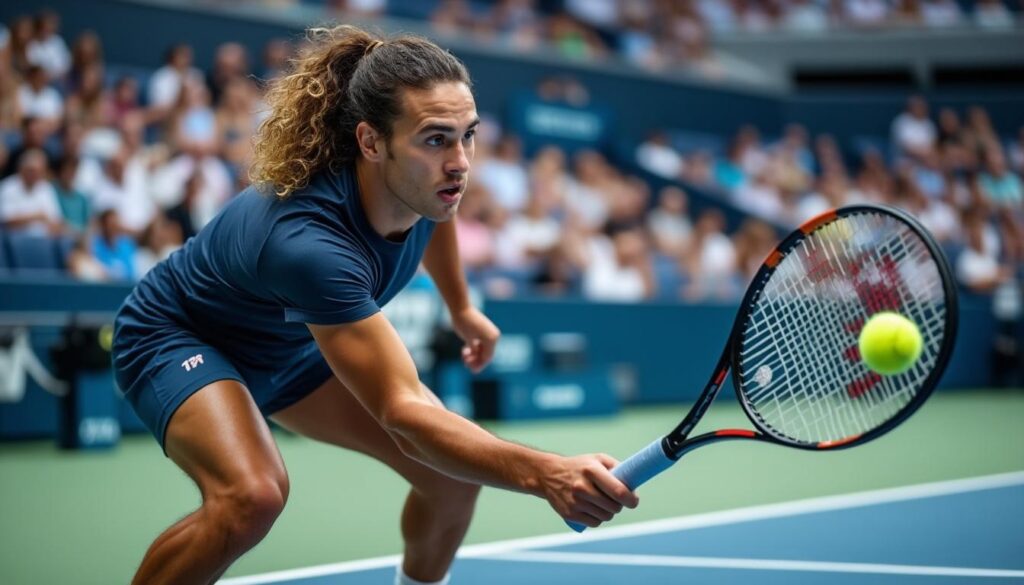
After an intense week of battling on indoor hard courts, the body demands more than just rest—it calls for a liberation from stiffness and a targeted revival of mobility, with shoulders often bearing the brunt of relentless rallies and explosive serves. The enclosed, unforgiving surface of indoor arenas amplifies strain, turning repetitive sharp movements into a recipe for joint fatigue and soft tissue stress. This recovery window is pivotal: the difference between approaching the next tournament fresh or limping under the weight of cumulative wear. The symphony of post-match routine needs to be precise—mobility exercises that awaken the thoracic spine and hips, combined with a shoulder care regimen designed not only for rehabilitation but for amplifying performance. In this arena, injury prevention morphs from buzzword to battle-tested strategy, championing stretching and soft tissue care as vital allies in the war against downtime.
Players who invest in deliberate, well-structured recovery methods reap measurable gains in longevity and success. These methods extend beyond simple routines, embracing the delicate framework of the shoulder—a complex ball-and-socket joint engineered for rotational power and refined control. Neglecting shoulder health risks converting temporary soreness into chronic pain, an enemy that turns everyday actions like carrying racquets or reaching for the baseline into painful chores. In 2026, leading sports rehabilitation programs recommend comprehensive approaches that integrate resistance band rotations, scapular stabilization exercises, and precise warm-up sequences designed to prime the shoulder girdle before every serve and volley.
Whether refining their game or safeguarding against setbacks, competitive players and club enthusiasts must recognize that recovery on indoor hard courts demands a fusion of mobility drills and shoulder care exercises, each element flowing into the next like a well-executed rally. Awareness of the body’s red flags—such as sharp joint pain or diminished range of motion—can pivot recovery from reactive to proactive, keeping athletes at peak readiness throughout the tournament grind.
Key takeaways for tournament week recovery on indoor hard courts:
- Emphasize dynamic mobility work focusing on the thoracic spine, hips, and shoulders to enhance joint mobility and fluidism.
- Execute gentle but effective shoulder care routines including external and internal band rotations to maintain soft tissue integrity and prevent injury.
- Incorporate soft tissue care modalities like foam rolling and targeted stretching to battle post-match stiffness.
- Monitor for signs of chronic pain and adjust recovery strategies promptly, seeking professional guidance when necessary.
- Use sleep, hydration, and nutrition strategically as performance enhancers aiding physiological restoration.
- Adapt warm-ups and recovery protocols to indoor hard court demands, leveraging research-backed movements that sustain performance across back-to-back matches.
Unlocking the Power of Mobility Exercises to Enhance Tournament Recovery
The armor of any player stepping onto an indoor hard court isn’t just their racquet or shoes—it’s their body’s ability to move freely, absorb impact, and recover swiftly. Mobility exercises stand at the frontline of tournament recovery, devised to replenish the body’s fluidity through joint mobility and active stretching. Too often, athletes mistake mere flexibility for mobility, but the distinction is critical; mobility encompasses not only the range of motion but the control and strength within that range. As indoor courts exact explosive lateral movements, rapid deceleration, and repeated rotational forces, the joints—especially hips and thoracic spine—require unyielding agility to maintain performance without fatigue.
Effective mobility drills are strategically integrated into post-match routines to combat the typical tightness inflicted by hard courts. The thoracic spine, for instance, frequently stiffens after hours of aggressive pivoting and lunging, restricting rotation essential for powerful serves and groundstrokes. Drills like Open Books and World’s Greatest Stretch not only elongate muscles but ignite the neuromuscular pathways responsible for smooth, coordinated motion. Players who commit to 10-15 minutes of such mobility-focused warm-ups and cooldowns daily find their joints primed for explosive action while reducing the risk of sprains and soft tissue wear.
Moreover, these exercises serve as a preventative shield against common indoor court afflictions such as hip impingements and low back fatigue. Addressing these through proactive mobility routines sustains a player’s capacity to endure long tournament weeks without succumbing to down-time. The interplay between strength and flexibility highlighted in these routines echoes principles found in specialized training like the tennis recovery mobility workouts that blend intensity and control to fortify the kinetic chain from feet to upper limbs.
Registering improvements in joint mobility and soft tissue elasticity translates into tangible on-court benefits: smoother swings, quicker court coverage, enhanced racquet speed, and most importantly, a body resilient to the grueling demands of hard court tennis. This preparation doesn’t just support recovery—it enhances it, turning the defeated fatigue into renewed energy for the battles ahead.

Targeted Shoulder Care: The Nexus of Injury Prevention and Performance on Indoor Hard Courts
Among the body parts most taxed by tennis, the shoulder stands as a relentless workhorse—absorbing the forces of every serve, volley, and overhead smash. Its complex architecture, combining muscles, tendons, ligaments, and the rotator cuff, is both a marvel of biomechanical engineering and a potential weak point. Neglect in nurturing shoulder health swiftly invites chronic pain, a shadow that dims competitive edge and daily life. Indoor hard courts, with their unforgiving surface and rapid-fire style of play, often accelerate this wear and tear.
Injury prevention here goes beyond rest; it’s a commitment to a disciplined regimen of shoulder care exercises designed to fortify the joint while preserving its mobility. Routine exercises such as External Band Rotations and Internal Band Rotations serve as a dynamo for strengthening the rotator cuff muscles critical for shoulder stability. These simple yet potent moves, when performed regularly, restore muscular balance and reinforce the shoulder against the strains of repeated overhead activity.
Additionally, warm-up routines including movements like Arm-Across-Chest stretches and Shoulder Rolls lubricate the joints and activate the surrounding musculature, setting the stage for injury-resistant play. The science behind these practices is clear: proper activation and conditioning of the shoulder girdle reduce the incidence of tendonitis, bursitis, and frozen shoulder phenomena common among tennis players.
For players recovering from injuries or aiming to sidestep the surgical path, physical therapy-oriented exercises have become essential. Many athletes turn to programs similar to those outlined in shoulder stability circuits that combine strength, endurance, and controlled mobility to return the shoulder to full functional capacity.
Practicing a post-match routine that integrates soft tissue care—using tools like foam rollers, massage balls, or professional therapy—complements the exercise protocols by addressing muscle knots and promoting blood flow. This holistic approach transforms recovery into a proactive performance asset, preparing the athlete not merely to compete but to conquer the relentless pace of tournament play on indoor hardwood.
Integrating Soft Tissue Care and Stretching into the Post-Match Recovery Arsenal
No tournament week recovery is complete without a fearless confrontation of muscle tightness and joint stiffness. Hard courts leave players with tight quads, stiff hips, and shoulders begging for relief. Stretching and soft tissue care form the backbone of any effective post-match regime, converting the hard-earned pain into fluid motion and preempting delayed onset muscle soreness (DOMS) and potential injuries.
Targeted stretching elevates joint mobility by incrementally elongating muscles and tendons that have contracted under stress. Key stretches such as the Shoulder U’s and Neck stretches strategically combat the common zones of tightness brought on by prolonged rallies and intense court time. These stretches promote elastin renewal in soft tissue, maintaining flexibility and function.
Soft tissue care techniques, including foam rolling or self-myofascial release, expedite the healing process by breaking down adhesions and improving circulation. These techniques not only accelerate recovery but also enhance the quality of movement by releasing restrictions that hamper joint mobility. For indoor court players, a regimen of rolling the glutes, quads, and upper back is non-negotiable to keep the kinetic chain responsive and injury-free.
It is critical to recognize that stretching and soft tissue care are not passive cooldown activities—they are active recovery strategies that demand discipline and consistency. Research-backed recovery programs spotlight these modalities as fundamental components, affirming their role in sustained high-level performance during brisk tournament schedules.
Elevated Warm-Up and Recovery Strategies Designed for Indoor Hard Court Competitors
Warming up in the indoor hard court environment is a tactical operation, a finely tuned ritual that ignites the body’s firing mechanisms without inducing premature fatigue. Unlike general pre-play rituals, an elevated warm-up zeroes in on activation and mobility, focusing heavily on the thoracic spine, hips, and shoulders to mimic tennis-specific movement patterns.
This strategic preparation encompasses dynamic drills like banded pull-aparts and bodyweight squats with rotation reach, all tailored to enhance joint mobility and prime the soft tissues for the explosive demands of the match. Unlike generic static stretching, these movements stimulate the nervous system and simulate the rotational and lateral demands anticipated on court. Research into warm-ups suggests incorporating exercises from elite training circuits, such as those explored in next-level serve warm-up routines, enhances serve speed and reduces the incidence of shoulder fatigue over consecutive matches.
Post-match, the recovery emphasis pivots to gentle movement to flush metabolic waste via light walking, complemented by hydration and nutrition strategies targeting electrolyte replacement and muscle glycogen replenishment. These elements support the body’s intricate repair processes, reinforcing the gains made from the pre- and post-match exercises.
Quality sleep rounds out this holistic approach, arresting soft tissue inflammation and bolstering neurological function—a fundamental pillar that champions tournament week stamina. Utilizing simple rituals such as breathing exercises and sleep hygiene practices can transform rest into a potent performance enhancer.
| Recovery Component | Recommended Activity | Benefit |
|---|---|---|
| Mobility Exercises | World’s Greatest Stretch, Open Books, Hip Airplanes | Enhance joint mobility, improve movement flow |
| Shoulder Care | External/Internal Band Rotations, Shoulder Rolls | Strengthen rotator cuff, prevent injury |
| Soft Tissue Care | Foam rolling quads, glutes, upper back | Release muscle knots, enhance circulation |
| Stretching | Arm-Across-Chest, Neck stretches, Shoulder U’s | Maintain flexibility, reduce stiffness |
| Hydration & Nutrition | Electrolyte-rich fluids, carbohydrates | Support metabolic recovery, prevent cramping |
| Sleep | 7-8 hours, breathing exercises pre-bed | Optimize soft tissue repair, boost alertness |
Recognizing Signals: Managing Shoulder Health and Preventing Chronic Pain During Tournament Week
Perhaps the most overlooked skill in tournament week recovery is tuned awareness—knowing when the body sends urgent warnings rather than mere fatigue complaints. Shoulder soreness is a common burden, but persistent or worsening pain is a clarion call that demands swift attention. Sharp joint pain, lost range of motion, sudden weakness, or inability to transfer weight effectively indicate that the shoulder’s intricate balance is compromised.
Ignoring these symptoms risks transforming treatable injuries into chronic conditions that derail careers or enjoyable play. The proactive athlete aligns with sports rehabilitation principles, viewing physical therapy not only as post-injury rehab but as a preventive powerhouse. This mindset aligns with insights seen in leading injury prevention resources specifically tailored for tennis players.
Scheduling consultations with physiotherapists during tournament week for minor issues can expedite recovery and mitigate more serious complications. Customizing shoulder care routines to address weak points alongside rest, soft tissue care, and mobility ensures that recovery isn’t a passive waiting game but an active campaign to maintain peak condition amidst brutal indoor court demands.
Ultimately, mastering shoulder health during tournament week is the silent edge that separates those who merely survive the grind and those who thrive, hitting their prime when the pressure mounts.
How often should mobility exercises be performed during a tournament week?
For optimal results, mobility exercises focusing on thoracic spine, hips, and shoulders should be performed daily, ideally before and after training or matches, with sessions lasting 10 to 15 minutes to maintain joint health and fluidity.
What are the key signs that shoulder pain requires professional evaluation?
Persistent sharp pain, decreased range of motion, sudden weakness, or pain that intensifies with activity are strong indicators that medical consultation is needed to prevent chronic injury.
Can players prevent shoulder injuries with a post-match routine?
Absolutely. Incorporating targeted stretches, resistance band exercises, and soft tissue care into a consistent post-match routine strengthens the shoulder joint, improves flexibility, and significantly lowers injury risk.
Is foam rolling necessary after every match on indoor hard courts?
While not mandatory after every match, foam rolling targeted muscle groups like quads, glutes, and upper back greatly helps in reducing stiffness and accelerating recovery, particularly during back-to-back matches.
How does sleep influence recovery during intense tournament schedules?
Sleep is crucial as it facilitates soft tissue repair, reduces inflammation, and enhances neurological recovery, making 7 to 8 hours of quality sleep an indispensable element of tournament week recovery.