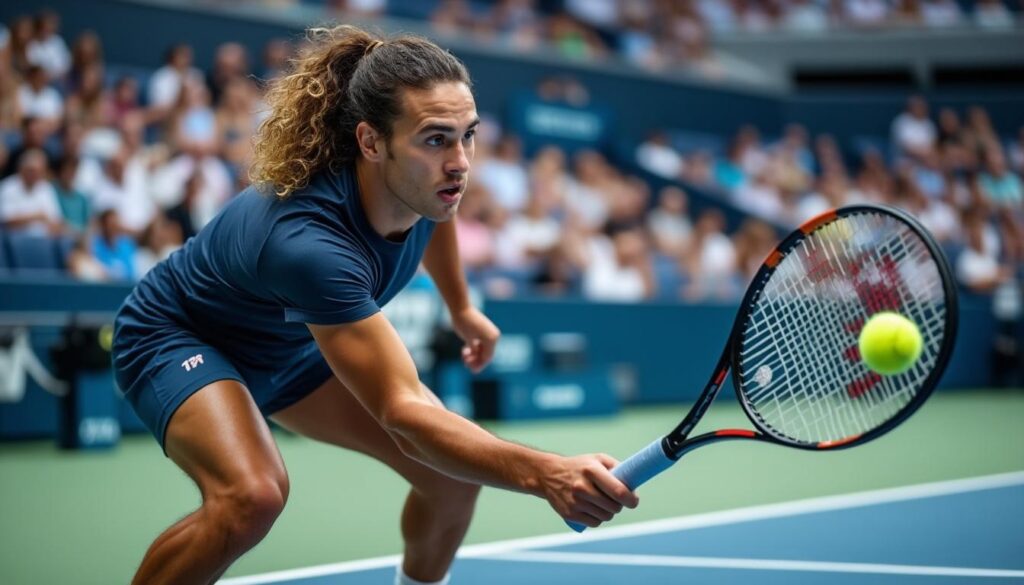
Every January, the Australian Open serves as a powerful reminder of the relentless demands placed on tennis players who endure blazing heat, grueling matches, and unpredictable conditions. The tournament is not only a showcase of technical brilliance and mental toughness but also a supreme test of endurance. Elite players do not just rely on their raw power; they excel due to their finely tuned ability to maintain consistent performance across extended periods under punishing environmental stresses. For tennis players of all levels, the secrets behind this endurance hold invaluable lessons for training smarter, adapting better, and performing longer on court.
The Australian Open environment challenges players with relentless heatwaves, often exceeding 40 degrees Celsius, necessitating optimal conditioning, hydration strategies, and mental fortitude. The power of repetition and rhythm in training reveal how players build the stamina to sustain long rallies and multi-set battles despite exhausting physical demands. Beyond professional circuits, recreational players and enthusiasts can extract practical insights on how to structure their endurance and fitness routines, making their time on court not only more productive but also far more enjoyable. This article dives into the core principles of endurance training sculpted by the Australian Open’s extreme conditions, unlocking methods to elevate stamina, boost recovery, and maintain peak tennis fitness even when the heat is on.
In brief:
- Consistency in movement and rhythm outweigh sheer power in high-endurance tennis performance.
- Structured repetition and controlled pacing are key elements drawn from professional training that benefit players of all levels.
- Footwork is a trained skill critical to maintaining balance, efficiency, and rapid recovery during matches.
- Hydration and heat adaptation strategies are foundational for peak performance in Australian Open conditions.
- Portable training tools, like tennis ball machines, empower solo players to replicate professional endurance drills easily.
- Energy system-based conditioning can tailor stamina training to individual needs, enhancing recovery and match readiness.
Mastering Endurance Through Smart Training Inspired by the Australian Open
The Australian Open is notorious not only for its fierce competition but also for the brutal physical demands imposed by extended rallies beneath the scorchingly hot Australian sun. Elite players demonstrate that success hinges on more than explosive strength; it’s about how consistently and reliably they can perform technical strokes and footwork under pressure without breakdowns.
This endurance is forged through training principles that emphasize structured repetition and rhythm over raw intensity. At the core, players focus on repeating the same shot patterns, mastering recovery movements, and hitting targets consistently. This method builds an impeccable sense of timing and ingrained muscle memory that shines during long rallies where every precise movement counts.
For example, rather than constantly training at maximum exertion, professionals employ sessions where the pacing mimics match tempo – moderate, controlled, and rhythmic. Such training enhances stamina by conserving energy and reducing errant movements that sap strength. This approach also lowers the incidence of injuries linked to fatigue, as athletes maintain better biomechanics through focused conditioning over duration.
Players looking to emulate these practices can benefit from adopting portable tennis ball machines, like the popular Nisplay models. These machines allow repetition of consistent shot feeds, helping players internalize patterns and develop endurance efficiently outside of coached sessions. This solo training option reflects one of the Australian Open’s key lessons: structured solo endurance training is a practical and powerful way to prepare like the pros even with limited training partners.
Building endurance isn’t about pushing harder blindly but training smarter. By prioritizing form, timing, and sustainable rhythm, players develop the fitness and confidence to weather marathon matches, survive heat waves, and maintain mental sharpness when it counts most. This principle—consistency over intensity—is foundational to the best Australian Open conditioning regimens, proving invaluable for every tennis enthusiast determined to elevate their game.
Footwork and Recovery Strategies: The Unsung Heroes of Endurance Tennis
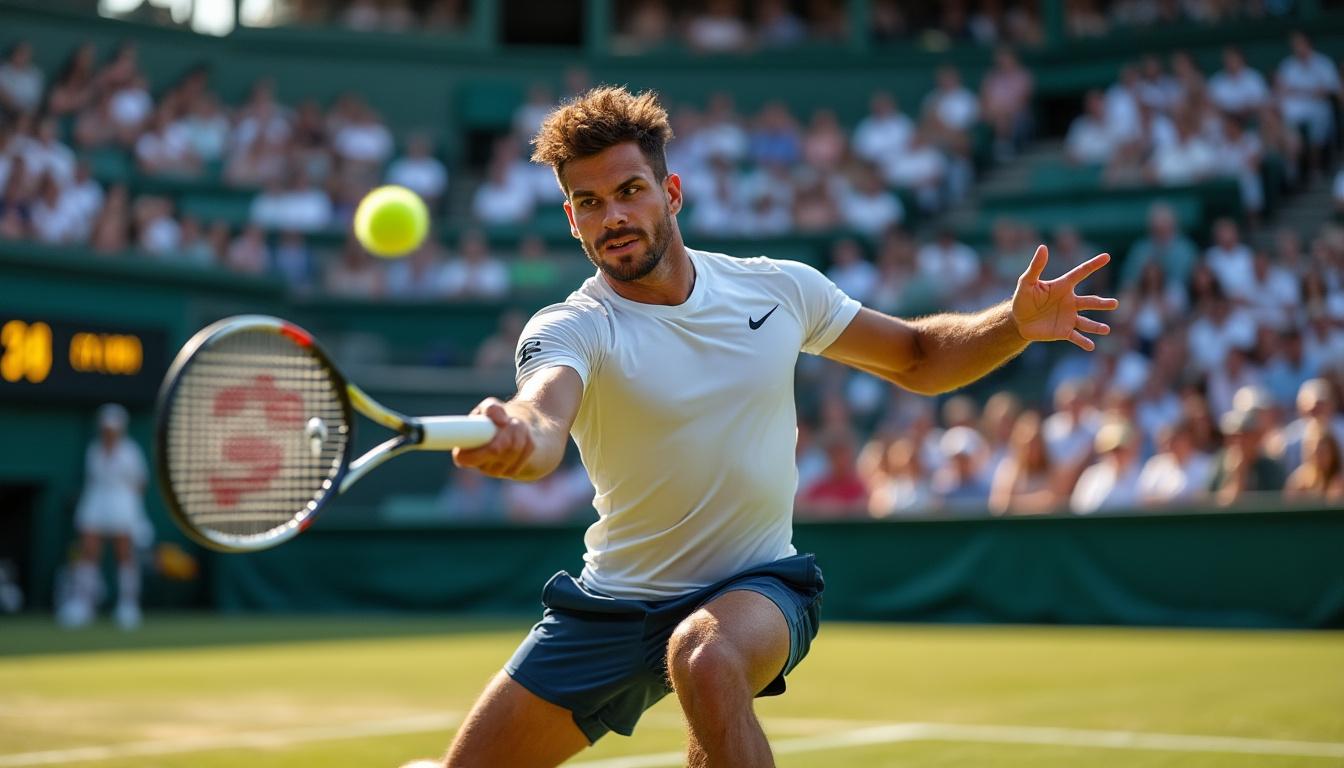
When examining the grueling nature of Australian Open contests, footwork emerges as a decisive factor separating elite athletes from the average competitor. Precision in movement ensures players arrive early at the ball, strike balanced shots, and recover swiftly to reset for what’s often a relentless next exchange.
But this isn’t merely an innate talent—there is a science and discipline to training footwork that spreads across drills focused on lateral movements, controlled sprints, and recovery positioning. Professionals engage in highly specific exercises designed to make efficient footwork automatic, thereby trimming precious seconds from court coverage and reducing energy waste.
For instance, drills that integrate repetitive controlled lateral shuffles, recovery steps immediately after each stroke, and working within predictable ball placements cultivate muscle memory. These practices dramatically improve shot quality under fatigue, enabling players to hit powerful, deep shots the longer the match endures.
A comprehensive footwork program also plays a pivotal role in injury prevention by promoting better biomechanics and reducing excessive strain on joints. Players keen to refine their basal kinetic skills can explore resources such as footwork training for tennis which provide structured routines to enhance explosiveness and endurance from the baseline.
Footwork training complements endurance conditioning flawlessly. Efficient movement not only conserves energy but also aids in maintaining balance during rapid directional changes—an essential attribute when playing in the high heat and humidity typical of Australian Open matches. Proper conditioning extends recovery capacity, allowing athletes to bounce back quicker between points and sets.
Optimizing Hydration and Heat Adaptation for Ophthalmic Stamina
One of the most notorious hurdles players face at the Australian Open is the brutal heat, often pushing physical endurance to its limits and threatening performance through exhaustion or dehydration. To survive and thrive, athletes adopt comprehensive hydration and heat acclimation protocols that not only protect but also optimize stamina and recovery.
Hydration strategies revolve around balancing fluid intake, electrolytes, and recovery nutrition before, during, and after matches. Rather than just drinking water, players use measured electrolyte-rich solutions that maintain hydration status, prevent cramping, and support muscle function over extended play. Timing is crucial—regular sipping reduces fatigue and sustains focus under pressure.
Heat acclimation is another vital aspect requiring gradual exposure to harsh conditions during practice to trigger physiological adaptations such as improved sweat response, cardiovascular regulation, and enhanced heat tolerance. Tennis players preparing for the Australian Open often simulate these conditions during preseason or use climate-controlled environments to replicate match-day heat.
Such measured heat conditioning improves not just physical output but mental resilience, sharpening players’ capacity to execute tactical decisions when slowed by fatigue. For recreation-oriented players, adopting even basic hydration and heat awareness routines significantly enhances endurance and comfort, making long practices or competitions manageable irrespective of external temperature challenges.
The importance of these adaptations is underscored by the documented success of top players following strict conditioning and hydration regimens that prioritize recovery and heat management. They exemplify how strategic physiological preparation can substantially elevate tennis performance in extreme Australian Open conditions.
Applying Targeted Energy System Conditioning to Tennis Endurance
Beyond technical drills and hydration lies the science of energy system training—a framework that tailors conditioning to the specific demands of tennis, especially in the endurance-heavy environment of the Australian Open. Understanding how to target speed, speed endurance, and aerobic capacity allows tennis players to chicken-match their fitness efficiently and safely.
The ATP-PCr or anaerobic alactic system powers explosive, short bursts such as sprints to the net or rapid directional changes. Developing this through high-intensity, short-duration intervals followed by ample rest enhances quickness without fatigue.
The anaerobic glycolytic system governs high-intensity efforts sustained for up to a couple of minutes, critical in longer rallies or tiebreakers. Training in this zone involves sprint intervals at 90-95% intensity with moderate rest to build lactate tolerance and maintain power output under acidotic conditions.
Lastly, the aerobic system underpins longer matches demanding endurance, aiding recovery between points and sets. Tempo runs and steady-state conditioning at 55-80% intensity contribute here, improving overall stamina and accelerating lactate clearance.
The following table illustrates a simplified overview of how training attributes target distinct energy systems to build comprehensive tennis endurance:
| Energy System | Training Focus | Intensity Range | Rest Interval | Example Workouts |
|---|---|---|---|---|
| Anaerobic Alactic (ATP-PCr) | Explosive sprints, max speed, short bursts | 95-100% | 3-5 minutes | 6x30m flying sprints with full recovery |
| Anaerobic Glycolytic | Speed endurance, lactate tolerance | 85-95% | 1-2 minutes | 5x60m sprints with 90 seconds rest |
| Aerobic | Longer endurance, recovery capacity | 55-80% | Short rests or continuous effort | 6x600m tempo runs at moderate effort |
This targeted conditioning framework aligns perfectly with Australian Open demands, ensuring players can sustain high-level tennis for hours and recover rapidly for subsequent matches. Adapting these workouts to individual goals and physical capabilities enables players at every level to maximize the benefits of endurance-focused training.
For readers looking to deepen their understanding of endurance conditioning drills tailored to tennis, explore practical options and routines provided at Endurance Conditioning Drills. These offer accessible yet scientifically grounded training prescriptions designed to elevate stamina and fitness for competitive play.
Enhancing Match-Ready Stamina with Integrated Recovery and Fitness Routines
Enduring the intensity of multiple matches in the demanding Australian Open heat requires more than physical training; it demands a holistic approach integrating recovery and smart fitness routines designed to enhance stamina longevity.
Optimal recovery protocols include active cool-downs, stretching, nutrition centered on replenishing glycogen and proteins, and employing modalities such as ice baths or compression therapy to reduce inflammation. The faster and more completely a player recovers, the sharper their next performance becomes.
Parallel to recovery, fitness conditioning should involve a blend of cardio, strength training, and sport-specific drills. Programs inspired by champions—reflecting approaches similar to Serena Williams’ rigorous and diverse training routines available at Serena Williams training routine—reveal the importance of building core strength, explosive power, and cardiovascular endurance simultaneously.
Incorporation of functional exercises improves overall movement efficiency on court, vital under Australian Open’s punishing heat. Thoughtful management of training load, including planned rest days and tapering phases, safeguards against overtraining while enhancing physiological adaptations necessary for long matches.
Players who embrace these comprehensive conditioning strategies experience lasting improvements in stamina and resilience, equipping them to stand toe-to-toe with elite competition and perform decisively during critical match moments. The key takeaway: conditioning is multifaceted, requiring attention not just to training volume but the quality and recovery balance for sustained excellence.
Effective tennis conditioning also relies heavily on mental toughness and maintaining focus, especially during extended battles in extreme conditions. Approaches to strengthen mental training are detailed at mental toughness strategies, qualifying it as a foundational pillar of endurance training.
How can recreational players replicate Australian Open endurance training?
Recreational players can integrate structured shot repetition using ball machines, focus on rhythmic training paces, prioritize hydration and heat acclimation, and progressively follow energy system-based workouts to build stamina effectively.
What role does footwork play in tennis endurance?
Efficient footwork reduces energy waste, maintains balance, and promotes rapid recovery after shots, helping players sustain movement quality during long matches.
Why is hydration critical during Australian Open matches?
Proper hydration with electrolytes supports muscle function, prevents cramping, and maintains focus under heat stress, which is vital for enduring lengthy matches in tough conditions.
How does training rhythm influence tennis conditioning?
Training rhythm — the pacing and spacing of shots and recovery — helps maintain form, improve timing, and prevent injury by avoiding excessive fatigue compared to training intensity alone.
What are the key energy systems targeted in tennis endurance training?
Tennis endurance training targets anaerobic alactic for explosive efforts, anaerobic glycolytic for speed endurance, and aerobic systems for overall stamina and recovery capacity.