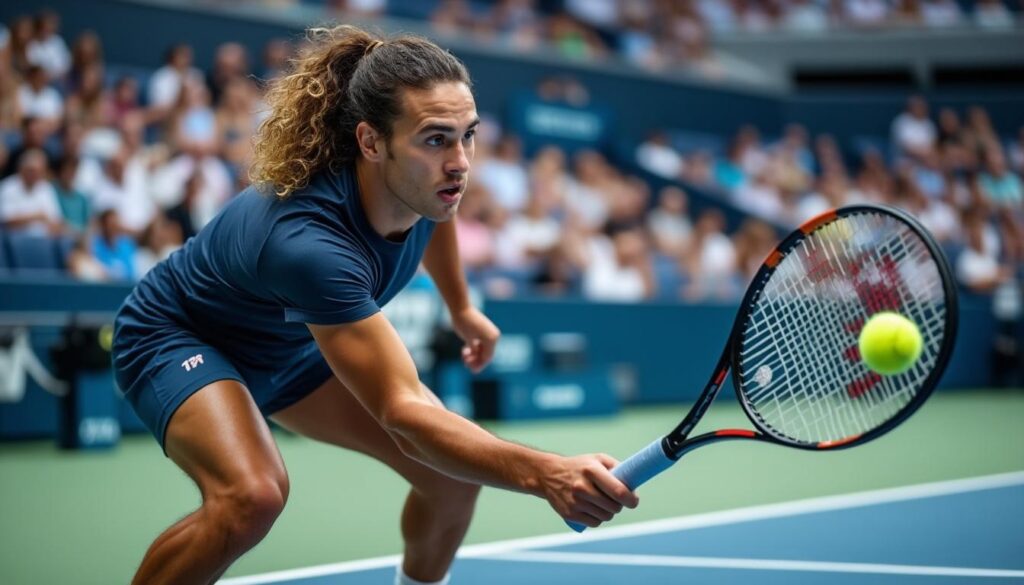
In the high-stakes realm of professional tennis, the winter break is less a pause and more a strategic pit stop. The game demands relentless energy, explosive speed, and ironclad stamina. But how do the elite keep their edge razor-sharp when the calendar suggests downtime? The secret lies in meticulously crafted off-season conditioning routines designed to maintain intensity and resilience. These winter months become a proving ground where mental toughness blends with grueling physical work to keep players ready for the explosive bursts and endurance marathons that define their matches.
From long aerobic sessions that build a robust cardiovascular base to high-intensity drills mimicking the chaos of match play, professionals harness the winter break to elevate their tennis endurance. Recovery strategies wind their way into daily regimes to ensure the body emerges stronger, not depleted. Between sessions, athletes optimize energy management, balancing nutrition, rest, and targeted strength training to stave off fatigue and ward off injury.
As the world watches the chilled courts in off-season, it’s the unseen, disciplined work in gyms and training centers that forges champions. This phase is pivotal—no tennis star reaches the top solely on talent or technique. Endurance, sharpened with scientific precision and mental grit during the winter break training, is what lets them dominate through every electrifying rally come spring.
In this exploration of professional tennis endurance, the intricate web of training, recovery, and mindset that sustains peak performance through the off-season comes alive with vivid examples and tactical insights. Each section dives deep into how players condition their bodies and minds to keep intensity alive from the first ball of the new season onward.
- Winter Conditioning Focus: Understanding how professionals tailor their aerobic and anaerobic workouts for maximal efficacy during the off-season.
- Repeated Effort Training: The specialized drills that develop the ability to sustain high intensity point after point, crucial for match-winning stamina.
- Recovery and Energy Management: The critical role nutrition, sleep, and recovery protocols play in maintaining peak physical condition.
- Mental Toughness During Downtime: How psychological preparation ensures athletes stay sharp even when matches aren’t scheduled.
- Strength and Mobility Integration: The balance of muscle conditioning and flexibility needed to prevent injuries and sustain explosive movement.
Sommaire
ToggleWinter Conditioning: Foundation of Tennis Endurance During the Off-Season
The winter break in professional tennis isn’t a time for complete rest—it’s a calculated window to build a powerhouse aerobic system capable of fueling long matches and intense rallies. Elite players dive deep into long, slow distance aerobic workouts, which develop a strong cardiovascular base essential for sustaining endurance under pressure. These sessions often involve easy-paced running, swimming, or cycling lasting upwards of 45 minutes to an hour, reinforcing heart and lung efficiency.
For example, a player like Novak Djokovic integrates extended aerobic sessions during winter, helping his lungs pump oxygen-rich blood effortlessly during marathon encounters. Such conditioning enhances oxidative capacity, allowing muscles to resist fatigue when the rallies stretch beyond 10 shots.
Yet aerobic fitness forms only part of the puzzle. Tennis also demands rapid bursts of energy, making anaerobic training indispensable. Athletes incorporate high-intensity interval training (HIIT) to sharpen their explosive capacity—sprinting drills, shuttle runs, and dynamic multi-directional footwork mimic match realities and stress energy systems crucial for short, powerful efforts.
Training protocols emphasize tennis-specific movement over linear cardio, reflecting the sport’s demand for agility and rapid recovery between points. The integration of these elements during the off-season ensures that when the match clock ticks, players can sustain their peak intensity levels from first to last set.
Adopting a hybrid approach that balances continuous aerobic workouts with powerful anaerobic bursts is foundational during winter break training. This dual focus enhances a player’s resilience on the court and underpins the physical capacity to endure taxing competitive stretches.
Players also use technology to monitor progress. Devices like the advanced tennis sensors track movement efficiency and workload during practice, enabling tailored adjustments to conditioning plans. Such innovation means no session goes to waste, and training evolves with the player’s status.
Repeated Effort Training: Sustaining High-Intensity Workloads Match after Match
What distinguishes champions is their ability to deliver high-intensity efforts repeatedly without faltering. This physical and mental prowess stems largely from mastering what experts call repeated effort training. Unlike simple endurance workouts, this method places players through tennis-specific drills designed to simulate the stop-and-go nature of real matches, pushing the body beyond normal thresholds.
The work-to-rest ratios are meticulously structured. Players might sprint or perform intensive footwork drills for 20-30 seconds, followed by 20-30 seconds of recovery, repeated 6-8 times. After a short break, the cycle restarts with a different movement pattern. Such sessions last about 30 minutes but deliver profound conditioning benefits tailored specifically for high-demand tennis scenarios.
Fred Simonsson, renowned for his expertise in tennis fitness, highlights how repeated effort training toughens athletes mentally and physically. This method builds physical robustness and cultivates a mindset that thrives on pushing limits and recovering quickly. Importantly, these sessions employ multi-directional movements—sidesteps, backward sprints, and lateral shuffles—ensuring that training closely mirrors the spontaneous demands of tournament play.
Integrating repeated effort drills into a winter break routine can differentiate between settling for baseline fitness and truly maintaining competitive intensity in the off-season. The targeted nature of this training also means reduced injury risk, as players condition their bodies within sport-specific ranges, focusing on the dynamic movements that tennis requires.
For players or coaches looking for detailed drills and structured plans, resources like the endurance conditioning drills guide provide practical step-by-step training that elevates tennis endurance and match stamina year-round.
Recovery Strategies and Energy Management: Vital Components of Winter Training
Elite athletes understand that raw training intensity without smart recovery is a recipe for diminished performance and injury. Winter break training programs carefully weave in recovery protocols alongside rigorous workouts to optimize energy reserves and physical readiness.
Nutrition is a cornerstone. Athletes consume balanced diets rich in complex carbohydrates, lean proteins, and healthy fats to fuel long sessions and expedite muscle repair. Staying hydrated, especially with electrolytes during indoor training, ensures cellular efficiency and sustains energy delivery to muscles.
Sleep hygiene ranks just as crucial. Maintaining consistent and abundant sleep patterns allows the body to engage in deep recovery processes—muscle regeneration, hormonal balance, and cognitive restoration—that sustain high-level performance. Skimping on rest compromises mental acuity and physical power, which is fatal in elite tennis.
Additionally, players employ active recovery methods such as light stretching, yoga, and mobility work to facilitate blood flow and reduce muscular tension developed during tough conditioning sessions. Techniques like cryotherapy and massage now see increasing adoption in 2025 to accelerate recovery phases.
These recovery principles mean that players emerge from winter break not just intact, but stronger, primed to sustain their high-octane pace on court. Practical advice for players aiming to replicate pro strategies can be found at tennis recovery and mobility workouts, which highlight modern protocols embraced in today’s training.
Mental Toughness: Staying Sharp Through the Off-Season
The winter break is rife with potential mental pitfalls: the absence of competition and routine can erode focus and motivation. Elite players combat this by embedding psychological resilience strategies into their training, ensuring intensity never wavers despite the lack of match pressure.
Visualization techniques allow athletes to mentally rehearse high-pressure points, fostering a competitive mindset and emotional control. Combining this with mindfulness practices enhances concentration and stress management, sharpening in-match decision-making and reaction times.
Structured goal-setting during this time lends players a framework, keeping them accountable and driven to maintain peak condition. The pursuit of incremental improvements in conditioning tests and tennis-specific skills adds a continuous challenge that substitutes for tournament stakes.
Developing mental toughness during the off-season also includes embracing challenging repeated effort sessions. When fatigue mounts, pushing through is as much psychological as physical. This mindset translates directly to courtside success where split-second recovery and composure determine victory.
Resources related to cultivating mental strength in tennis, blended with physical training plans, are available in comprehensive guides such as offseason fitness and strength programs that marry mind and muscle conditioning for professionals and rising stars alike.
Strength and Mobility: The Dynamic Duo for Injury Prevention and Explosive Performance
Winter conditioning isn’t just about endurance; it’s the time when players cement a delicate balance of strength and mobility—two pillars critical for powering through rallies without succumbing to injury. Resistance exercises using bands, medicine balls, and bodyweight moves enhance core stability and rotational power necessary for fierce serves and punches off the baseline.
Incorporating court-specific resistance such as elastic bands tethered around the waist during footwork drills forces players to fight against added tension, mirroring match fatigue and boosting movement efficiency. This targeted strengthening substantially improves recovery speed and prevents common overuse injuries.
Simultaneously, mobility work focused on dynamic stretching and joint flexibility combats the stiffness that often accompanies rigorous strength training. This harmony of power and agility allows players to maintain lightning-fast transitions across the court with fluidity and control, particularly essential on fast hard courts or indoor surfaces where reaction times are razor-thin.
Regular inclusion of these elements in winter training routines ensures athletes step into the season agile, powerful, and resilient. Interested players can explore extensive programs detailing strength and mobility in tennis at tennis strength and mobility.
| Training Component | Focus | Typical Winter Session | Benefit for Tennis Endurance |
|---|---|---|---|
| Aerobic Fitness | Cardiovascular Base | Long runs, swimming, cycling for 45-60 mins | Improves oxygen delivery and sustains energy over long matches |
| Repeated Effort Training | High-Intensity Bursts | 20-30 sec sprints/recoveries, multi-directional court drills | Conditions player for repeated intense points, builds mental toughness |
| Recovery | Muscle Repair & Energy Restoration | Sleep, nutrition, active recovery, cryotherapy | Prevents fatigue, reduces injury risk, maintains peak physical status |
| Mental Conditioning | Focus and Resilience | Visualization, mindfulness, goal-setting | Enhances pressure handling and sustained motivation |
| Strength and Mobility | Power & Agility | Resistance bands, medicine ball exercises, dynamic stretching | Improves explosive shots and injury prevention |
To sum up, maintaining professional-level tennis endurance through the winter break is a multifaceted process. It’s not just about logging hours but engaging in carefully calibrated training that honors the physical and psychological demands of the sport. For players passionate about pushing their limits with off-season training, detailed strategies can be accessed through expert offseason fitness and strength resources.
Why is aerobic fitness crucial for tennis players during the winter break?
Aerobic fitness builds the cardiovascular base needed to sustain energy throughout long matches, ensuring players can maintain intensity without tiring prematurely.
What is repeated effort training and why is it important?
Repeated effort training involves high-intensity, tennis-specific drills that improve a player’s ability to perform multiple explosive points back-to-back while enhancing mental toughness and recovery.
How do professional athletes manage recovery during intense winter training?
Pros emphasize sleep, balanced nutrition, hydration with electrolytes, and active recovery techniques like stretching, yoga, and cryotherapy to repair muscles and maintain energy.
In what ways does mental toughness influence training during the off-season?
Mental toughness strategies such as visualization, mindfulness, and structured goal-setting help players stay focused, motivated, and ready to compete despite the absence of regular matches.
How does strength and mobility training contribute to tennis endurance?
Strength training enhances power for explosive shots, while mobility work ensures agility and helps prevent injuries, maintaining overall endurance and court performance.