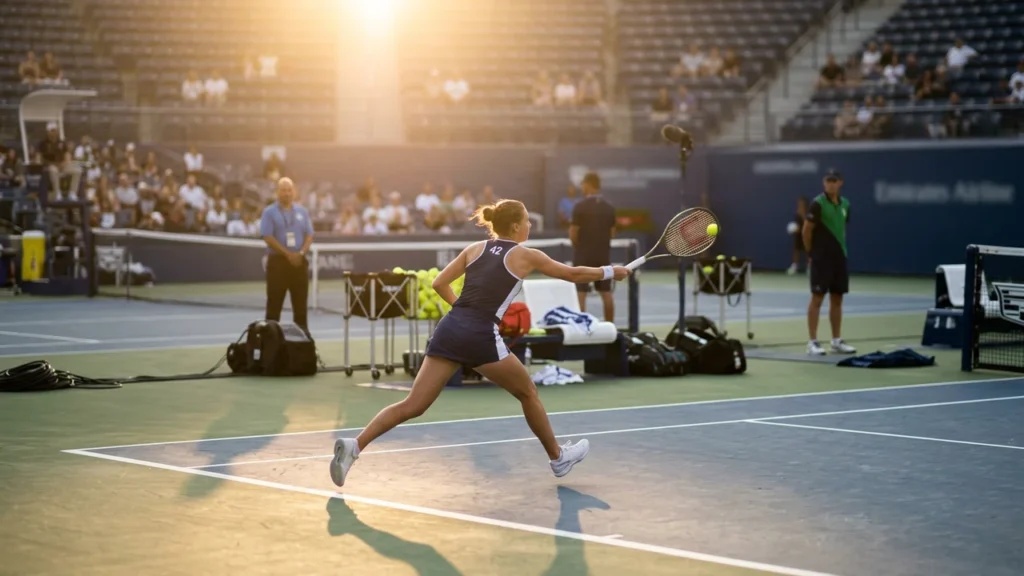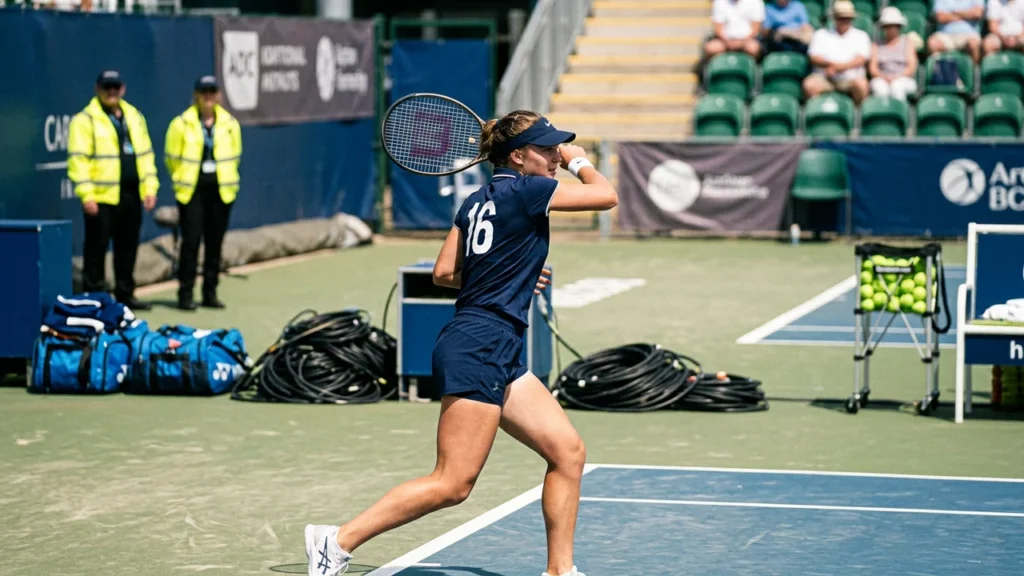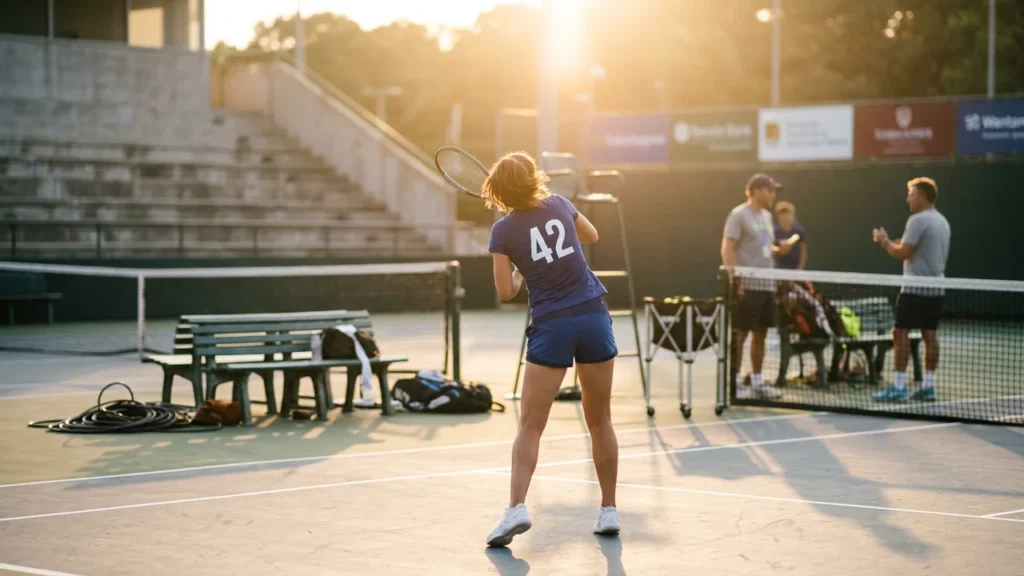
The game of tennis, long celebrated for its raw, unmediated battle between individual athletes, is undergoing one of its most significant transformations in recent memory. The International Tennis Federation’s groundbreaking decision to officially allow off-court coaching during matches starting January 2025 marks a seismic shift, which has stirred passionate debate across the tennis world. What does this rule mean for the sport’s cherished one-on-one confrontation? Will it enhance player performance, or dilute the pure mental warfare fans have revered for decades? As tennis players, coaches, and fans grapple with the implications, the sport finds itself at a crossroads, balancing tradition with innovation in a quest to remain thrilling and relevant.
In brief:
- The ITF has authorized off-court coaching during matches starting in 2025, permitting verbal or hand-signal advice between points and longer conversations during breaks.
- This change aims to unify coaching rules across senior tours and Grand Slams, and lessen the burden on umpires policing coaching violations.
- Reactions among players are mixed, with some top pros criticizing the rule for undermining tennis’s solo nature, while others embrace it for tactical benefits.
- Coaching technology and data analytics are expected to grow in prominence, as some propose tools like live stat tablets to refine player strategies.
- The new system may widen the gap between players with access to bigger coaching teams and resources and those without, raising concerns about fairness.
The Evolution of Tennis Coaching Rules: Off-Court Coaching Takes Center Stage
Tennis, unlike team sports, has historically glorified the solitary struggle of players on court. For decades, coaching during matches was prohibited, preserving the image of a lone gladiator facing down every challenge without external influence. The new 2025 off-court coaching rule flips this tradition, permitting coaches to communicate advice to their players off the court within defined parameters.
This rule trialed since 2017 and implemented in some Grand Slam events, now extends officially to all ATP, WTA, and ITF-sanctioned events. Coaches can signal or speak to their players between points but not during active play, with more open communication allowed during scheduled breaks. The rationale is multifaceted:
- Consistency Across Tours: Previously, rule discrepancies in coaching existed between ATP, WTA, ITF, and Grand Slams, confusing players and audiences alike. The ITF’s decision harmonizes these regulations under a unified framework.
- Reducing Umpire Subjectivity: Policing covert coaching across languages and discreet signals proved arduous for chair umpires. Clear rules reduce disputes and free them to focus on umpiring quality.
- Player Development and Welfare: Coaches can now intervene strategically during tense moments, potentially better supporting player performance and career longevity.
Key Features of the New Rule:
| Aspect | Description |
|---|---|
| Allowed Communication | Verbal or hand signals off-court between points; extended talks during breaks |
| Prohibited Communication | No coaching during live points |
| Technology | Approved player analysis tools accessible to players when coaching permitted |
| Events Covered | ATP, WTA, ITF, Grand Slams, and team events (with team captains coaching on court) |
This watershed change promises a new rhythm and dynamic within professional matches, potentially revolutionizing how players adjust tactics in real time and how fans experience the evolving chess match on-court.
Player and Fan Reactions: Embracing Change or Clinging to Tradition?
The announcement of off-court coaching sparked a wide-ranging debate that cracked open old wounds about tennis’s identity. Some top names voiced strong objections, while others welcomed the innovation. This clash of perspectives offers insight into how the sport straddles its rich past and uncertain future.
Critics Argue:
- Detracts from Tennis’s Solo Beauty: Former world No. 10 Denis Shapovalov’s tweet echoes a common refrain: “Tennis is special because you are out there alone. Why change the beauty of this game?” Many purists see the rule as softening the mental toughness hallmark of tennis battles.
- Widening Inequality: John Millman highlighted concerns that off-court coaching privileges wealthier players with bigger teams, amplifying the gap between those with extensive resources and those without.
- Distracting for Spectators: Some fans and analysts worry that frequent coaching interruptions might detract from the game’s flow and intensity.
Supporters Contend:
- Transparency Over Secret Signaling: The rule exposes covert coaching that has long occurred clandestinely — bringing integrity and fairness to the practice.
- Enhanced Player Development: Coaches can provide vital tactical shifts that might otherwise be missed, helping players refine their approach mid-match.
- Improved Match Quality: Players armed with expert guidance may deliver more riveting performances and strategic battles, elevating fan enjoyment and engagement.
Moreover, players like Andrey Rublev have demonstrated how subtle tactical tips can change match momentum, as seen when his coach’s advice during the Madrid Open final dramatically influenced his comeback victory. Fans following high-stakes tournaments such as the ATP Finals and WTA circuits will likely notice these tactical nuances come to the fore.

Technology’s Role in the New Coaching Era: Data, Analytics, and Player Tools
The acceptance of off-court coaching ushers in a growing reliance on technology and data analytics during matches. As players access cutting-edge tools, the rules also permit approved player analysis technology during coaching-allowed periods, locking tennis into the digital age of sports.
Top pros and coaches now harness real-time match data to identify opponents’ weaknesses and tendencies—information that can sharply influence tactical decisions. Jennifer Capriati suggested equipping players with tablets displaying live match statistics to supplement instinctual play with objective feedback.
- Real-Time Analytics: Enables coaches to provide specific advice such as serve placement, return patterns, or stamina management.
- Broadcast Enhancements: Fans gain unprecedented insights into match dynamics, with live stats enriching commentary and enhancing viewer connection.
- Training Synergies: Integration of tools like weighted ball drills and stroke sensors in training cycles refines skills that translate into smarter in-match adjustments.
Leading brands like Wilson, Head, Babolat, and Yonex are responding by advancing tennis sensor technologies that measure stroke efficiency and player biomechanics. Meanwhile, Nike, Adidas, Under Armour, Fila, Lacoste, and Asics contribute by outfitting players with gear optimized for comfort and precision—factors crucial when coaching turns into fine-tuning in pressure-packed moments.
| Technology Type | Usage | Benefit |
|---|---|---|
| Player Analysis Apps | Accessible during breaks for strategy review | Improved decision-making and tactical awareness |
| Tennis Sensors | Track stroke speed, spin, accuracy | Inform training focus and match strategy |
| Live Match Data Feeds | Displayed on tablets or broadcast | Enhances fan engagement and player feedback loops |
Impact on Competition and Player Development Across All Levels
Introducing official off-court coaching reshapes more than just professional circuits. Its ripple effects touch junior players, emerging talent, and the overall competitive ecosystem.
For Junior and Emerging Players:
- Coaching during matches can accelerate learning by providing immediate correction and encouragement, solidifying good habits early.
- Youth tennis programs integrating this rule face new challenges in balancing coaching time to nurture independence without stifling strategic growth.
- Accessibility remains a concern: smaller clubs and lower-tier events may struggle to implement off-court coaching effectively due to limited resources.
At the Professional Level:
- Matches may become more dynamic and strategically complex, forcing players to adapt continuously inside and outside the court.
- The traditional mental warfare of that solo battle is evolving into a hybrid of player and coach collaboration.
- Players proficient in interpreting and applying coaching insights might gain competitive advantages, changing training emphases.
The system could foster talent development, but it also risks making tennis appear more like a team sport at its pinnacle, stirring debate about identity. To balance this, the ITF allows sanctioning bodies discretion in rule implementation, leading to varied applications across events. This could prompt fascinating contrasts, as some tournaments embrace full coaching freedom while others maintain stricter limits.
Financial and Ethical Considerations: Will Coaching Create an Unequal Playing Field?
With off-court coaching now a fixture, the financial disparities among players and nations become more consequential. As John Millman highlighted, the ability to afford a comprehensive coaching team could deepen existing inequalities:
- Resource Allocation: Top-ranked players often have the means to employ multiple expert coaches, analysts, nutritionists, and psychologists, while lower-ranked players may have minimal support staff.
- Access to Technology: Advanced player analysis technology and training aids may be cost-prohibitive for many, creating a divide in preparation and in-match advantages.
- Potential Impact on Fairness: If coaching becomes a critical match factor, players lacking resources might struggle disproportionately, potentially influencing rankings and career trajectories.
Brands like Lacoste, Fila, and Asics participating in democratizing equipment quality offer some balance, but the coaching access gap remains a thorny concern for the sport’s governing bodies. The ITF and tournament organizers might have to consider regulatory or support measures to alleviate these disparities, ensuring that tennis remains as meritocratic as possible.
| Factor | Impact | Potential Mitigation |
|---|---|---|
| Coaching Team Size | Influences tactical depth and psychological support | Standardized coaching limits; subsidies for emerging players |
| Analysis Technology Access | Shapes real-time match decisions | Approving universal low-cost tech solutions |
| Financial Resources | Affects player preparation and recovery | Development funds and local coaching programs |