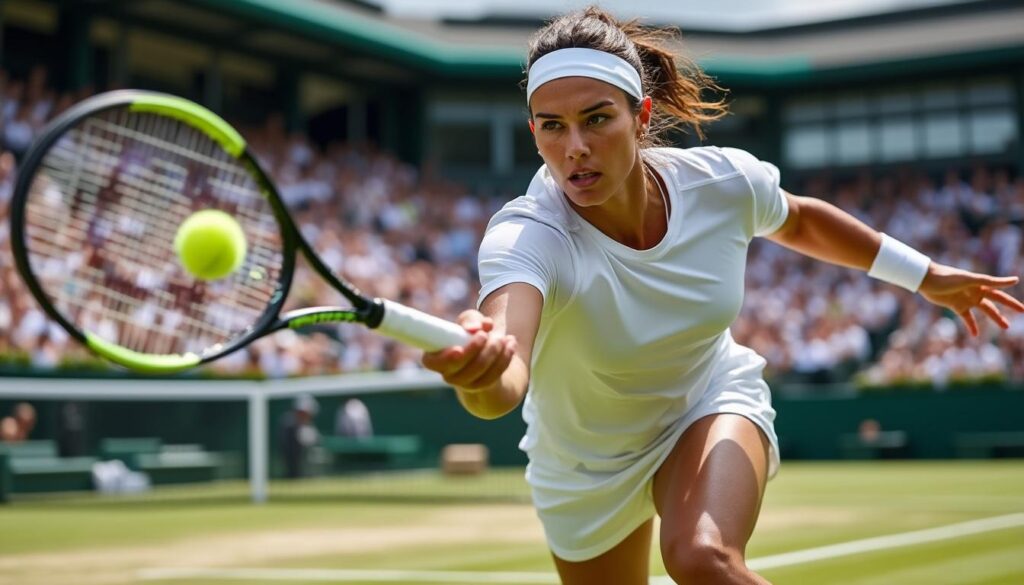
The explosive rise of Amanda Anisimova at the China Open in Beijing has captivated tennis fans around the world, showcasing not only her on-court prowess but also revealing the secret weapons behind her performance: meticulous off-court conditioning routines. As the rigors of tournament play pile up during a busy season, the comprehensive preparation off the courts emerges as a decisive factor in her endurance, power, and mental sharpness. From innovative endurance building to advanced recovery techniques, Anisimova’s regimen illustrates the cutting-edge strategies elite tennis players rely upon to sustain peak form during intense weeks of competition.
This article delves into the components of Anisimova’s off-court conditioning that have played a pivotal role in her victorious week in Beijing. Through detailed exploration of endurance training, strength building, speed and agility work, nutritional strategies, and the integration of technology, one can glean invaluable insights beneficial to both aspiring athletes and devoted tennis enthusiasts eager to emulate the routines of top players.
In brief:
- Off-court conditioning is a fundamental pillar in Anisimova’s success, combining tailored cardiovascular workouts, functional strength training, and recovery protocols.
- High-Intensity Interval Training (HIIT) replicates match demands, improving stamina and quick recovery between points.
- Strength training focuses on total body resilience, especially forearm strength and leg power crucial for explosive tennis movements.
- Speed and agility drills optimize court coverage and precise footwork, enabling Anisimova to maintain aggressive court positioning.
- Advanced nutrition and recovery techniques, including hydration with Gatorade and muscular care with tools like Theragun, ensure readiness for grueling matches.
- Cutting-edge technology from Fitbit to tennis sensors supports detailed performance monitoring and tailored training adjustments.
Building Endurance: How Anisimova Outlasted Rivals During a Grueling Beijing Week
The signature of a top-tier tennis player lies in their ability to sustain competitive intensity over multiple matches in short spans, especially in tournaments like the China Open. Amanda Anisimova’s conditioning reflects the modern emphasis on cardiovascular endurance specific to tennis, designed to emulate the stop-start, explosive nature of rally exchanges paired with intermittent recovery.
Endurance training routines play a foundational role. Understanding the demands of Grand Slam and WTA 1000-level matches highlights the need for specialized regimens. Players like Anisimova incorporate multiple weekly sessions of High-Intensity Interval Training (HIIT) that simulate the rapid bursts and recovery phases of tennis point play. These HIIT drills involve shuttle sprints, lateral movements, and agility circuits, reflecting the on-court realities. Such sessions enhance oxygen delivery systems and increase metabolic capacity, enabling quicker point-to-point recovery — a critical advantage observed during her marathon victories.
Complementary to interval training are sustained aerobic exercises such as long runs or cycling that build the baseline cardiovascular engine. This steady-state conditioning feeds muscle recovery during rest phases within matches, supporting prolonged activity across consecutive days. The integration of functional circuit training complements endurance by enhancing muscular endurance and movement efficiency, while breath control practices improve oxygen utilization during long rallies.
| Training Method | Purpose | Frequency | Sample Activity |
|---|---|---|---|
| HIIT Tennis Conditioning | Replicate match intensity bursts | 2-3 times per week | Shuttle sprints with recovery jogs |
| Long Slow Distance Training | Build aerobic engine for recovery | 1-2 times per week | 30-60 minutes steady-state running or cycling |
| Functional Circuit Workouts | Enhance muscular endurance | 2 times per week | Lunges, medicine ball slams, footwork drills |
| Breath Control Drills | Improve oxygen utilization | Daily | Controlled breathing during stretches or yoga |
Integral to Anisimova’s endurance is her attention to adapting footwork and movement across court surfaces, supported by insight from brands like Wilson and shoes from Lululemon and Nike, optimizing traction and minimizing fatigue. Resources such as endurance conditioning guides provide further blueprints that players pursuing peak stamina can leverage.
Strength Training Secrets Behind Anisimova’s Powerful Game in Beijing
Success at the China Open wasn’t just about outlasting opponents — it was also about delivering explosive power and maintaining physical resilience through back-to-back matches. Strength training forms the cornerstone of this capability, enabling athletes to generate forceful strokes while mitigating injury risks.
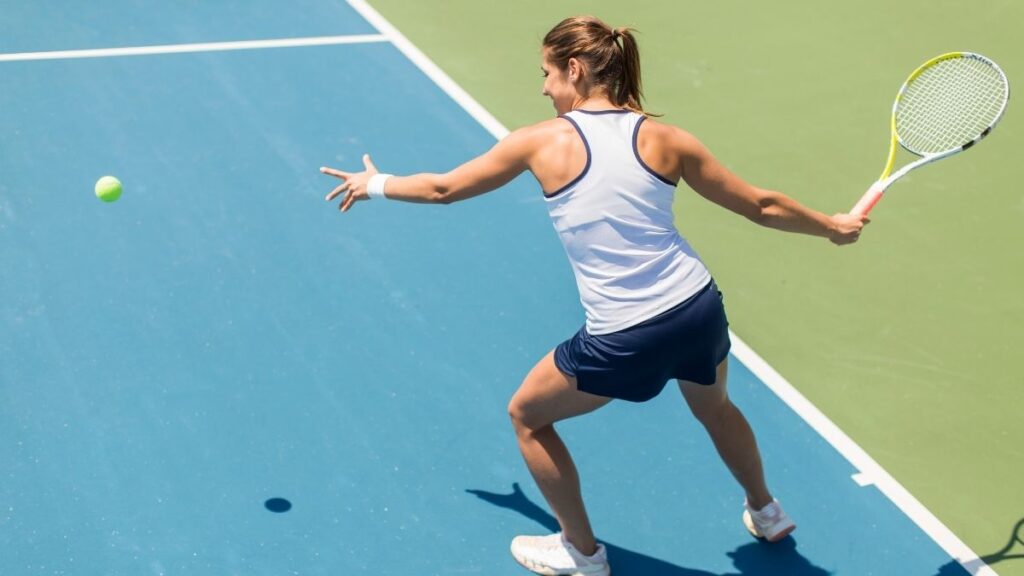
Anisimova’s strength regimen is comprehensive, addressing her upper body, core, and lower body with precision. Exercises targeting forearm and wrist strength, such as wrist curls and alternating dumbbell bench presses, are crucial for racket control and shot stability. The legs are trained through dynamic movements like clock lunges, which build strength and multi-directional agility needed for rapid directional changes. Core-focused medicine ball slams amplify rotational power critical for her heavy groundstrokes and serves.
Working with equipment from trusted manufacturers like Wilson and Head, Anisimova ensures that her gym efforts translate effectively to the court. The deliberate choice of weights preserves form to avoid common tennis injuries, as detailed in professional injury prevention programming.
| Exercise | Target Area | Repetitions | Benefits |
|---|---|---|---|
| Wrist and Forearm Curls | Wrist, Forearm | 10 each direction | Improves racket grip and shot control |
| Alternating Dumbbell Bench Press | Chest, Shoulders, Triceps | 20 alternating reps | Enhances upper body power for stronger hits |
| Clock Lunges | Legs, Glutes, Balance | 12 lunges each side | Boosts leg strength and directional agility |
| Medicine Ball Slams | Core, Upper Body | 15 reps | Develops explosive power for serves and volleys |
Experienced conditioning coaches, including those following the path of Jez Green, emphasize this holistic approach to building the “complete athlete” — a strategy that clearly pays dividends as Anisimova showcases her refined power and durability in demanding conditions. Those interested can explore this further in in-depth strength and injury prevention protocols.
Speed and Agility Drills: Anisimova’s Edge for Rapid Court Coverage and Precision
It is not enough to be strong and enduring; speed and agility unlock the competitive edge needed to dominate long matches. Tennis demands rapid reflexes and precise footwork to maintain aggressive court positioning and outmaneuver opponents. Anisimova’s off-court speed work focuses on drills that enhance these attributes, crucial to her effective baseline stand and shotmaking flair.
Key exercises include agility ladder drills focusing on foot speed and coordination, cone drills that mimic on-court lateral and forward-backward movement, and plyometric exercises like box jumps that build explosive muscular power. Unique elements such as shadow tennis combine cognitive and physical agility by synchronizing footwork with shot visualization, intensifying mental sharpness alongside physical conditioning.
| Drill Type | Focus Area | Purpose | Recommended Sets |
|---|---|---|---|
| Agility Ladder Drills | Foot speed, Coordination | Improve rapid step patterns | 3-5 sets per session |
| Cone Drills | Lateral movement, Balance | Enhance controlled directional changes | 4-6 runs per drill |
| Plyometric Drills | Explosive power | Increase jump and sprint speed | 3-4 sets of 10-15 reps |
| Shadow Tennis | Mental and physical agility | Synchronize movement with shot visualization | 5-10 minutes daily |
The importance of supportive gear cannot be overlooked. Proper tennis shoes, such as top models from Nike, Adidas, and Lululemon, safeguard players during rapid changes of direction, helping avoid injuries and maintain quick recovery. For those seeking the best footwear for different surfaces, this comprehensive guide is invaluable.
This spectrum of speed and agility drills, paired with thoughtful equipment choices, allows Anisimova to outpace opponents and sustain her aggressive baseline positioning that defines her playing style in tournaments like Beijing.
Nutrition and Recovery Protocols: Fueling Anisimova’s Beijing Tournament Triumphs
Endurance and physical preparation are only as effective as the nutrition and recovery strategies that support them. Amanda Anisimova’s approach underscores the essential balance between properly fueling the body and instituting recovery measures that facilitate peak performance match after match.
A critical focus lies in pre-match nutrition centered around carbohydrate loading to optimize glycogen stores, balanced with lean proteins and healthy fats to reduce inflammation and promote muscle repair. During the sweltering conditions typical in Beijing, hydration extends beyond water — incorporating electrolyte solutions such as Gatorade to maintain optimal fluid balance and muscle function is standard practice.
Post-match recovery is meticulously crafted, incorporating tools and routines designed to accelerate muscle healing and reduce soreness. Devices from Theragun and Hyperice are employed regularly for targeted muscle massage and fascia release. Foam rolling and gentle stretching complement these efforts, enhancing muscle flexibility and circulation.
| Recovery Strategy | Function | Typical Duration | Recommended Frequency |
|---|---|---|---|
| Theragun and Hyperice Massage | Muscle relaxation and soreness reduction | 10-15 minutes | After training and matches |
| Foam Rolling | Muscle release and flexibility | 15-20 minutes | After each session |
| Sleep | Physical and mental restoration | 7-9 hours | Daily |
| Hydration with Electrolytes (Gatorade) | Maintain electrolyte balance during play | Throughout matches and daily | Continuous |
| Mental Relaxation Techniques | Stress management and focus | 10-15 minutes | Daily |
The integration of compression wear from Under Armour and Reebok accelerates blood flow and mitigates inflammation after exhaustive practice or match play. Incorporating meditation and guided breathing exercises further aids in mental reset essential for maintaining focus across the tournament demands. Such comprehensive recovery protocols are vital lessons for all players aspiring to sustain high performance during pro-level competition.
Harnessing Technology: How Anisimova Uses Smart Analytics and Gear to Fine-Tune Her Conditioning
In the era of advanced sports technology, Amanda Anisimova leverages a suite of smart devices and analytic platforms to maximize the efficiency of her conditioning programs. These innovations provide real-time feedback and alarm signals regarding her physical state, pushing her training into a science-backed regimen.
Wearables from Fitbit and Polar monitor heart rate variability and recovery status, enabling her coaches to tailor workouts and rests intelligently to prevent overtraining and injuries. Tennis sensor systems embedded in rackets by Wilson and Babolat track stroke mechanics, string tension, shot speed, and spin, supplying precise data that inform coaching adjustments to enhance match-day outcomes.
Ball machines with speed and spin controls enable simulated match practice under fatigue conditions, sharpening shot accuracy and reinforcing muscle memory. Mental training software complements physical readiness by promoting visualization and improving reaction times, crucial in pressure situations like the China Open semifinals and finals.
| Technology Tool | Purpose | Benefit | Usage Recommendation |
|---|---|---|---|
| Fitbit & Polar Wearables | Vital sign and recovery monitoring | Prevent overtraining and optimize recovery | Continuous during training cycles |
| Wilson & Babolat Tennis Sensors | Stroke mechanics and shot analysis | Data-driven coaching adjustments | Incorporated during practice |
| Ball Machines with Speed/Spin Controls | Simulate fatigue-match shots | Improve shot consistency | Regular sessions pre-tournament |
| Mental Training Software | Visualization and reaction time | Enhanced focus and accuracy | Daily use during mental preparation |
Exploring the nexus of technology and training reveals a new paradigm in tennis conditioning, where data-driven insights harmonize with time-tested physical preparation to deliver championship-winning performances.