As the tennis season reaches its peak in October 2025, players of all levels face a crucial decision: selecting the right shoes to master the contrasting challenges of clay and hard courts. With the game evolving rapidly, shoe technology has stepped up, offering specialized designs that promise optimal grip, stability, and comfort across these unique surfaces. Yet, with a flood of brands like Nike, Adidas, Asics, Wilson, and others competing for attention, understanding the nuances that separate a clay-specific shoe from one built for hard courts becomes essential for anyone serious about improving performance and preventing injuries.
From the dusty red of Roland Garros to the unforgiving concrete courts of major urban centers, shoes form the foundation of every player’s agility and endurance. This article digs deep into the best shoes for clay and hard courts available in late 2025, highlighting technological advancements, material innovations, and design strategies tailored to meet the distinct demands of each surface. Whether you’re a competitive player adapting to seasonal shifts or an enthusiast eager to sharpen footwork and reduce wear-and-tear, this comprehensive overview arms you with knowledge to elevate your footwear game effectively.
In brief:
- Specialization: Clay and hard courts require different sole patterns and support systems for optimal traction and injury prevention.
- Top brand technologies: Companies like Nike, Adidas, and Asics lead with innovations such as flytefoam midsoles and advanced outsole designs for durability and comfort.
- Material considerations: Breathable mesh uppers combined with synthetic leather reinforcements promote comfort and durability across surfaces.
- Versatility: Some hybrid models offer effective performance on both surfaces, valuable for all-court players.
- Durability and comfort: Selecting shoes that balance cushioning, stability, and resilience can ward off fatigue and enhance match endurance.
Understanding the Essential Differences Between Clay and Hard Court Tennis Shoes
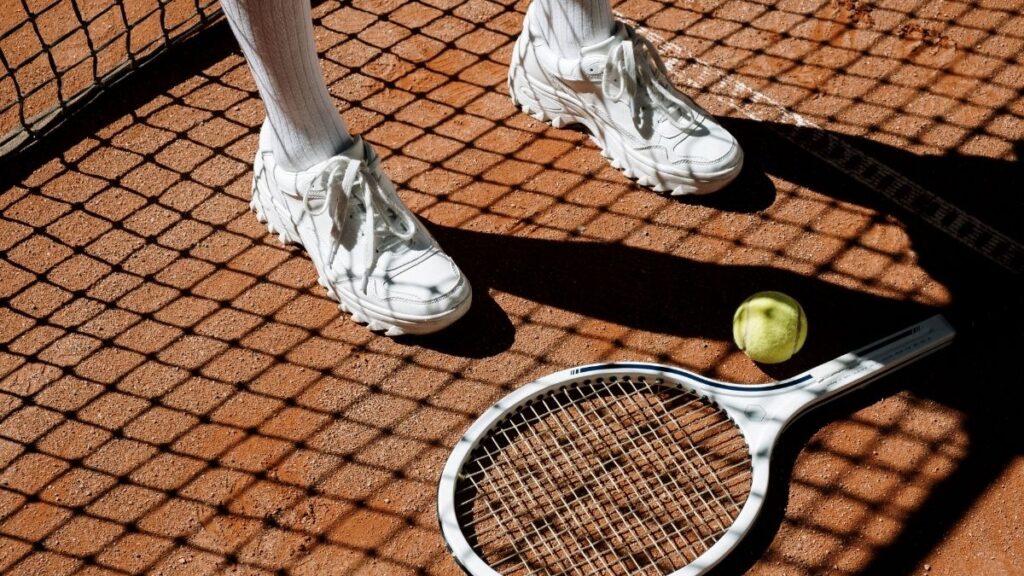
Tennis shoes designed for clay and hard surfaces are far from interchangeable; their unique features cater to the specific dynamics of each playing field. Clay courts, often slippery and loose, require shoes that aid controlled sliding while maintaining traction. Contrastingly, hard courts demand shoes built for shock absorption and resilience against abrasive wear.
The Herringbone Sole: The Clay Court’s Best Friend
One of the hallmark features of clay court shoes is their distinctive herringbone sole pattern. This intricate design allows for excellent lateral traction while facilitating smooth, controlled slides. Popular shoes from brands like Asics and Wilson embrace this pattern to allow players to brace for sudden stops and quick direction changes that clay demands. The open spaces in the herringbone grooves prevent clay buildup, ensuring consistent grip between points.
These soles also reduce the risk of tripping, which is common on slippery clay surfaces. A shoe without the proper outsole tread can cause frustrating slips that break match rhythm or lead to injuries. Hence, the right tread pattern fundamentally influences game stability and confidence on clay.
Durability and Cushioning: Hard Court Shoe Prerequisites
Hard courts are notoriously tough on footwear, exerting repeated impact forces as players sprint and stop abruptly. Therefore, hard court tennis shoes prioritize durable outsoles with robust rubber compounds developed by brands such as Nike and New Balance. The risk of wear and tear accelerates without these specialized compounds, leading to early shoe breakdown.
The midsole is critical, utilizing materials such as EVA foam, Nike’s React foam, or Adidas’ Boost technology to cushion the shock on joints. Stability features like medial posts and support cages assist in counteracting the high-impact nature of hard court play. Players often look for a balance between responsiveness and cushioning, which preserves energy and reduces fatigue during long rallies.
Material Innovations That Enhance Performance Across Surfaces
Advances in shoe uppers, including engineered mesh and synthetic leather, combine breathability with durability for sustained comfort. Breathable uppers, popular in models from Yonex and Mizuno, wick away moisture, reducing overheating and blisters during intense matches. Meanwhile, reinforced toe caps resist abrasion from constant stopping and lunging.
Many shoes now employ eco-friendly dyes and materials to minimize environmental impact without compromising performance—an emerging priority in 2025’s sports gear market. For instance, Asics incorporates solution dye sockliners that reduce water usage and carbon emissions, aligning player comfort with sustainability.
| Feature | Clay Court Shoes | Hard Court Shoes |
|---|---|---|
| Sole Pattern | Herringbone tread for sliding control and clay release | Durable rubber with multidirectional grip for traction |
| Cushioning | Moderate cushioning; emphasis on foot stability during slides | Enhanced cushioning to absorb high-impact forces |
| Upper Material | Breathable mesh with reinforcements resistant to clay soil | Durable synthetic leather with breathable overlays |
| Weight | Lightweight to support quick lateral movement | Balanced weight for durability and support |
| Durability Focus | Resistance to abrasive clay and flexible sole | Resistance to rough surfaces and shock absorption |
Understanding these details assists players in making informed choices that match their playing style and court preferences.
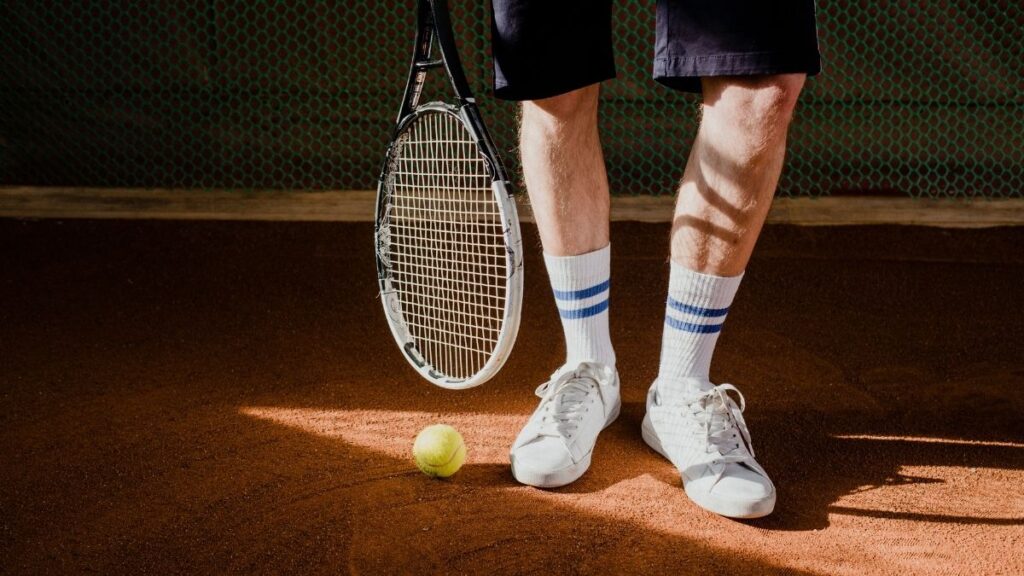
Top 5 Tennis Shoes for Clay and Hard Courts: Performance and Features in 2025
With a fierce roster of fresh models, 2025 tennis shoes combine comfort, technology, and iconic branding to satisfy even the most discerning players. The following top 5 picks excel on clay and hard courts, showcasing innovations from leading manufacturers.
1. ASICS Women’s Gel-Dedicate 8 Clay Tennis Shoes
Rating: 9.3/10
Designed specifically for clay court specialists, ASICS’ Gel-Dedicate 8 features TRUSSTIC technology for stability and a specialized sole that grips loose surfaces perfectly while allowing graceful slides. The GEL cushioning softens impact, enhancing endurance during long rallies. The durable synthetic leather overlays defend against abrasion, while an eco-conscious dye process reduces environmental footprint.
- Pros: Excellent grip and stability; shock-absorbing cushioning; durable; environmentally-aware design
- Cons: Cushioning might feel firm for some; modest styling options
2. Wilson Men’s Rush Pro Ace OZ Tennis Shoe
Rating: 8.5/10
This shoe is a versatile performer, tailored for wider feet, blending cushioning, and support for both clay and hard courts. Key technologies include 4D Support Chassis that stabilizes footroll while Sensifeel upper promotes breathability. Its 9mm heel-to-toe drop supports explosive moves while maintaining excellent court feel for hard and clay play.
- Pros: Comfortable fit and cushioning; dynamic support; breathability; suitable for multiple court types
- Cons: Requires break-in period; lighter construction may wear with aggressive play
3. ASICS Women’s Solution Speed FlyteFoam 3 Tennis Shoes
Rating: 9.3/10
Combining lightweight agility with resilient durability, these shoes leverage FLYTEFOAM cushioning and SPEEDTRUSS technology to accelerate sharp cuts and rapid direction changes. Durable AHARPLUS rubber outsoles endure rigorous play on clay and hard courts alike. An eco-friendly sockliner completes this high-performance package, perfect for speed-oriented players.
- Pros: Lightweight; excellent durability; shock absorption; specialized traction; sustainable design
- Cons: Light colors prone to dirt stains; less ankle support suitable for some
4. K-Swiss Women’s Court Express Tennis Shoe
Rating: 9.2/10
With a sleek aesthetic and functionality, these shoes offer a leather upper for premium feel and durable play. Midsoles feature K-EVA cushioning for shock absorption while padding enhances ankle comfort during prolonged matches. The AOSTA II rubber outsole withstands abrasive surfaces, extending shoe life on clay and hard courts.
- Pros: Stylish design; durable materials; firm yet comfortable cushioning; great ankle support
- Cons: Initial stiffness; relatively heavier outsole
5. Adidas Women’s Adizero Ubersonic 4 Clay Tennis Shoe
Rating: 9.1/10
Adidas blends lightweight responsiveness with supportive traction in this women’s model. Its durable outsole and flexible design make it ideal for fast-paced clay court matches without sacrificing stability on hard courts. The black/white/lime colorways combine fashion-forward looks with performance-driven engineering.
- Pros: Great grip and support; pliable and breathable; durable; stylish
- Cons: Some users desire more arch support
| Shoe Model | Primary Strength | Surface Suitability | Key Technology |
|---|---|---|---|
| ASICS Gel-Dedicate 8 | Clay court traction and stability | Clay | TRUSSTIC & GEL cushioning |
| Wilson Rush Pro Ace OZ | All-court versatility and support | Clay & Hard | 4D Support Chassis & Sensifeel |
| ASICS Solution Speed FlyteFoam 3 | Speed and durability | Clay & Hard | FLYTEFOAM & SPEEDTRUSS |
| K-Swiss Court Express | Durability and comfort | Clay & Hard | K-EVA cushioning & AOSTA II outsole |
| Adidas Adizero Ubersonic 4 | Lightweight traction | Clay & Hard | BOOST cushioning & durable outsole |
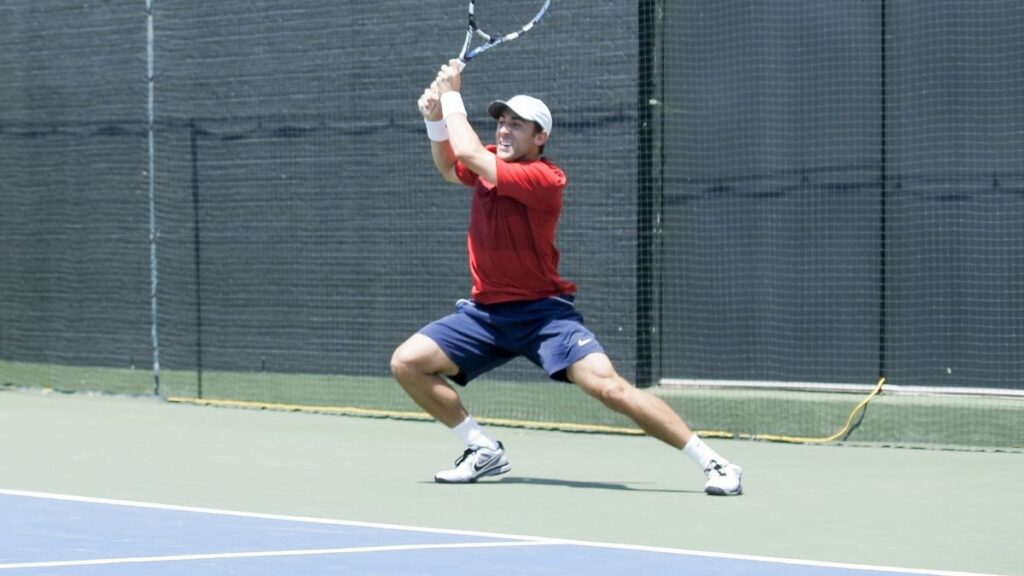
Choosing the Right Tennis Shoes: A Guide to Performance, Comfort, and Durability on Clay and Hard Courts
Players often find themselves confused by the array of shoe options, unsure whether to invest in multiple pairs or settle for versatile solutions. Understanding the key factors behind shoe design clarifies this dilemma.
1. Grip and Traction: Mastering Court Surfaces
A shoe’s outsole is its contact point with the court—getting this wrong can be costly. On clay courts, shoes must provide that signature slide while maintaining control, which calls for herringbone tread design. Hard court players need soles made from tougher, more abrasion-resistant rubber patterns for reliable, multidirectional grip that withstands the bitterness of asphalt and concrete.
- Clay court shoes facilitate sliding with tread allowing clay release
- Hard court shoes focus on stopping power and shock-related stability
- Hybrid soles attempt a balance for players covering multiple surfaces
2. Support and Cushioning for Injury Prevention
The shocks of tennis, especially on hard courts, demand exceptional cushioning to protect knees and ankles. Quality midsoles using EVA or proprietary foams like Nike’s React or Adidas Boost minimize stress during fast pivots and lunges. Adequate ankle support, provided by technologies such as Wilson’s 4D Support or Asics’ TRUSSTIC, reduces the risk of sprains during lateral movements.
- Cushioning absorbs high-impact foot strike forces
- Stability features protect against ankle twist injuries
- Proper fit reduces rubbing and pressure points that cause blisters
3. Durability and Comfort: Long-Term Investment in Your Game
Shoes that endure prolonged exposure to abrasiveness and rigorous footwork save costs and improve game confidence. Reinforced toe caps prevent premature wear, while breathable mesh combined with synthetic overlays enhances ventilation without sacrificing toughness. In 2025, many brands embrace eco-conscious manufacturing, offering players shoes that align with sustainability goals alongside performance.
| Key Shoe Aspect | Consideration |
|---|---|
| Upper Material | Breathability balanced with abrasion resistance |
| Midsole Cushioning | Shock absorption with lightweight materials |
| Outsole Durability | Rubber compounds designed for surface-specific wear |
| Fit and Comfort | Ankle padding, toe box protection, and sizing accuracy |
| Environmental Features | Use of recycled components and sustainable dyeing methods |
4. Player Profiles: Matching Shoes to Playing Style and Surface Preference
Not every player’s needs align, and footwear choices should follow suit. Aggressive baseliners on clay benefit from shoes that maximize slide control and lateral stiffness, like the ASICS Gel-Dedicate series. All-court players demand balance, turning to Wilson or Adidas models offering dependable grip and cushioning across surfaces. Speedy net rusher types prize lightweight, responsive shoes such as the ASICS Solution Speed FlyteFoam 3, which enhance swift directional changes.
- Baseline strikers: High stability and abrasion-resistant soles
- All-court players: Versatile grip patterns and medium cushioning
- Serve-and-volley: Lightweight, agile footwear with added ankle support
- Recreational players: Emphasis on comfort and shock absorption
Choosing wisely not only improves mobility and shot execution but also helps prevent common tennis injuries associated with improper footwear.
Key Technologies Revolutionizing Tennis Footwear for Clay and Hard Courts
The year 2025 has embraced footwear innovations that not only elevate performance but also address player health and sustainability. Several technologies stand out as game-changers.
FlyteFoam and Boost Cushioning: Comfort Meets Energy Return
Produced by Asics and Adidas respectively, FlyteFoam and Boost midsoles provide exceptional cushioning while returning energy on impact. These materials allow tennis players to minimize fatigue without sacrificing speed or balance, especially during long rallies on either surface.
Advanced Outsole Rubber Compounds
Brands such as Nike and New Balance integrate cutting-edge rubber compounds that resist abrasion on hard courts while adapting to clay’s sliding mechanics. These compounds prolong shoe lifespan and maintain traction integrity, providing confidence to players who demand consistent performance.
Support Systems: Enhancing Stability and Preventing Injury
Wilson’s 4D Support Chassis and Asics’ TRUSSTIC technology bolster foot alignment during rapid lateral transitions, critical in tennis. These innovations prevent overpronation and ankle rolls, protecting players from common injuries on demanding courts.
| Technology | Function | Brand Examples |
|---|---|---|
| FlyteFoam & Boost | Cushioning and energy return | Asics, Adidas |
| 4D Support Chassis, TRUSSTIC | Lateral stability | Wilson, Asics |
| AHARPLUS Rubber | Outsole durability | Asics |
| Sensifeel Upper | Breathability and lightweight support | Wilson |
Practical Tips for Maintaining Tennis Shoes and Maximizing Their Lifespan
Proper care extends the usability of tennis footwear, keeping performance consistent and cost-effective. Specialized shoes for clay and hard courts require particular upkeep due to their design and materials.
Cleaning and Maintenance Protocols
- Regular cleaning: Use a soft brush to remove clay and dirt after every match, preventing deterioration of grip patterns that influence traction.
- Material care: Wipe synthetic and leather uppers with damp cloths, avoiding harsh chemicals that degrade bonding adhesives.
- Drying: Air-dry shoes in shaded, well-ventilated areas—never near direct heat sources to prevent material warping.
When to Replace Tennis Shoes
Signs you need a new pair include reduced outsole tread definition, diminished cushioning responsiveness, or visible damage to uppers. Playing on different surfaces also accelerates wear; multi-surface shoes wear faster if used extensively on abrasive hard courts.
- Check tread depth regularly to maintain grip effectiveness
- Replace when cushioning feels flat or joint discomfort arises
- Consider shoe rotation if you play on multiple court types frequently
Maximizing Performance With Proper Footwear Choices
Investing in court-specific or hybrid shoes enhances footwork precision and reduces the risk of common overuse injuries. Coupling shoe technology with agility drills and conditioning, such as those found at footwork agility ladder drills or HIIT reaction speed training, creates a holistic approach to peak tennis performance.
| Maintenance Task | Frequency | Recommended Method |
|---|---|---|
| Cleaning shoes post-match | After every game | Soft brush and damp cloth |
| Checking outsole tread depth | Monthly or after 20 hours of play | Visual inspection and wear measurement |
| Replacing shoes | Every 6-12 months depending on play frequency | Based on tread and cushioning condition |
Proper maintenance combined with informed shoe choice ensures the best protection and enhancement in your tennis journey.