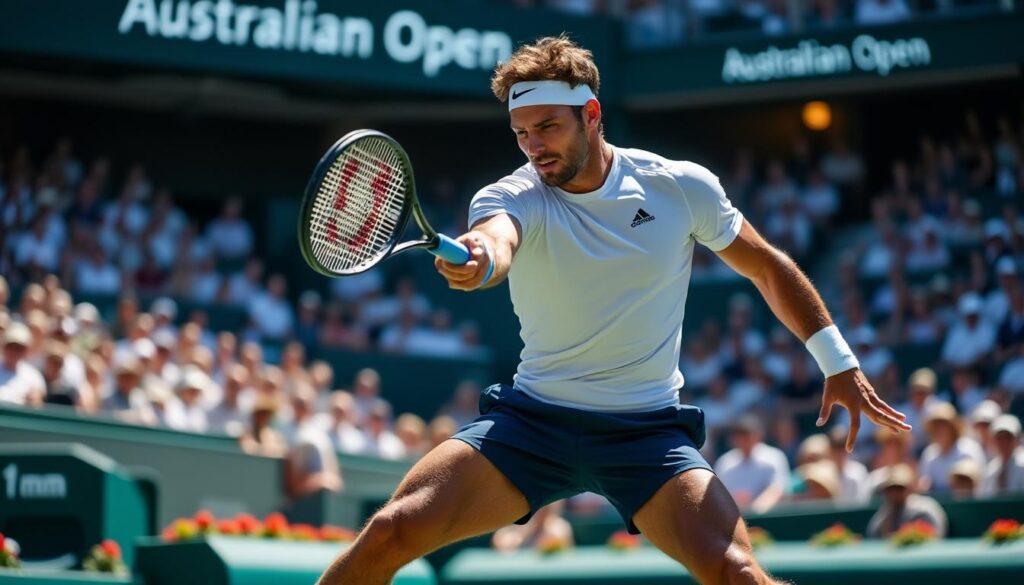
The Australian Open is not just a battle of skill and stamina; it’s also a showcase of high-tech, meticulously selected tennis equipment that can define the edge between victory and defeat. Players stepping onto Melbourne Park’s hard courts in 2026 rely on a carefully curated arsenal that combines tradition with cutting-edge innovation, reflecting their distinct styles and physical demands. Every racquet swing, every serve, and every sprint is supported by gear tailored to enhance performance amidst the blazing Australian summer and intense tournament atmosphere.
Among the essentials, tennis rackets come first, commanding attention for their blend of power, control, and precision. Players pair these with specialized grip tape ensuring maximum comfort and preventing slips under pressure. The choice extends beyond the racquet into the realm of tennis balls, where durability and bounce behavior on hard courts can influence the rhythm of play. Sports shoes, often overlooked by casual fans, are engineered for explosive lateral movements and optimal traction, crucial on the unique court surface that defines the Open.
Accessories like headbands and wristbands aren’t mere style statements; they keep sweat at bay, improving focus and reducing distractions. Tennis apparel combines breathable, lightweight fabrics with sun protection, designed to keep athletes cool. Sunglasses and hydration packs form frontline defenses against the relentless Australian sun and heat, crucial to maintaining endurance throughout marathon matches. Understanding these tools gives a deeper appreciation of how professional players readapt their equipment choices for the specific challenges posed by the Australian Open environment.
Key points:
- The Australian Open demands tailored equipment choices to withstand its unique playing conditions.
- Top players use a blend of advanced tennis rackets and precision-controlled string tension for an edge.
- Durability and consistency of tennis balls impact game flow and player strategy on hard courts.
- Innovative sports shoes and sweat-management accessories enhance agility and on-court comfort.
- Sun-protection gear like sunglasses and hydration packs are vital for enduring the severe Australian heat.
Choosing the Perfect Tennis Rackets and Grip Tape for Australian Open Success
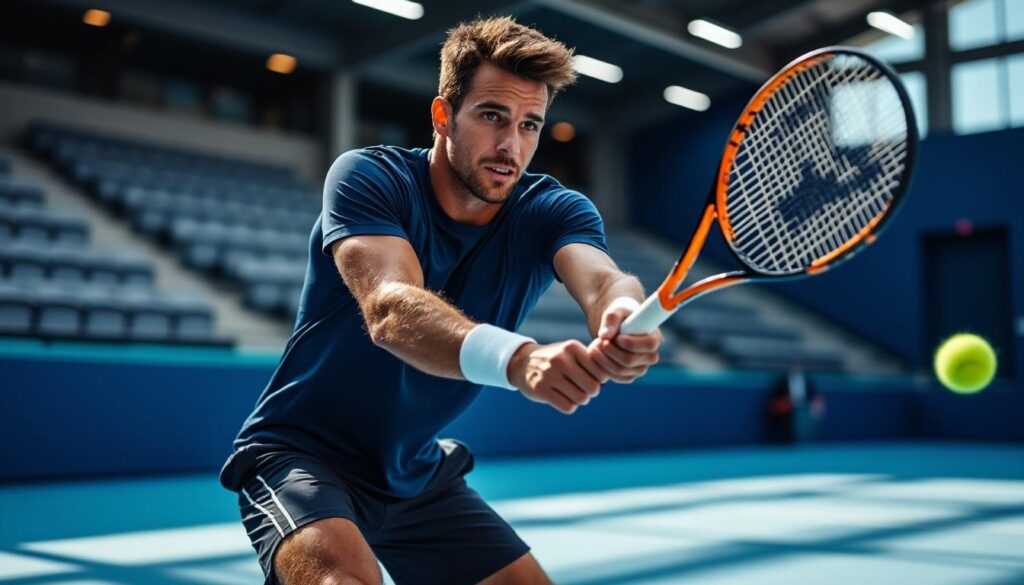
The backbone of any tennis player’s kit is undoubtedly the racket, and at the Australian Open, this choice is a science fused with personal preference. The courts of Melbourne Park are notoriously fast, amplifying the need for racquets that offer both power and fine control. Among the racket brands, the Wilson Blade continues to dominate the scene due to its responsive feel and stability under pressure, ensuring players can unleash swift, accurate shots.
Following closely is the Yonex EZONE, a favorite for those who prize maneuverability combined with solid power delivery. The Australian Open’s stringing room, staffed by an international team of expert stringers for over a decade, plays a critical role here. They tailor string tension precisely to each player’s demands, with tensions ranging dramatically from as low as 22 lbs to as high as 85 lbs for specialized play styles.
This string tension variability is not just technical jargon; it distinctly shapes the ball’s response. For example, French player Adrian Mannarino’s extremely low tension creates a soft string bed giving him enhanced touch, almost like wielding a lacrosse stick. Contrast that with Norway’s Ulrikke Eikeri, whose near-record string tension of 85 lbs with stiff poly strings saturates her racquet with unbreakable firmness, delivering punishing, dead-center strokes.
Equally important is grip tape choice. The Australian heat demands grip tape that can absorb moisture swiftly, stay tacky, and prevent any chance of slipping. Players often select tapes with anti-slip technology or added cushioning, fine-tuning the handle’s feel to match their powerful serve or agile net play. This tiny detail, when mastered, can be the deciding factor in clutch moments, where control and comfort on the handle provide psychological and physical advantage.
For those interested in a deeper dive into tennis rackets, the nuances of string tension, and grip tape selections impacting tournament play, the extensive resource at Tennis Equipment: Control and Power on Court offers detailed insights.
The Crucial Role of Tennis Balls and Their Impact on Player Performance
Tennis balls might appear to be simple and standardized, but at a Grand Slam like the Australian Open, the choice of balls is a finely-tuned balance of durability, bounce, and feel that must withstand multiple hours of rigorous play. The Australian Open tennis balls, supplied by Dunlop, are marketed specifically for hard court performance but are versatile enough to deliver on clay and indoor settings as well.
During intense rounds, players rely on the balls to provide consistent bounce and predictable speed. Dunlop’s Australian Open balls start with a slightly deadened bounce but quickly liven up, delivering reliable control especially for players who don’t exclusively depend on high topspin or devastating pace. Unlike premium balls such as Wilson’s US Open version, the Dunlop balls tend to fluff quickly, which can impact durability — a critical consideration in long matches. For club players or practice sessions, however, they present excellent value and consistent performance.
This balance of performance versus durability shapes athletes’ strategic choices and practice habits. Switching between Dunlop AO tennis balls for general play and more premium balls for competitive matches is a common strategy. Players who emphasize control and consistency might favour balls with steady bounce and moderate speed, helping them dictate pace rather than chase unpredictable ball flights.
To explore more on tennis ball innovations and their tournament impact, readers can visit effective tennis practice techniques that integrate ball selection and court adaptation for improving game performance.
Comparison Table of Popular Tennis Balls Used on Hard Courts
| Tennis Ball | Bounce Consistency | Durability | Speed | Ideal Usage |
|---|---|---|---|---|
| Dunlop Australian Open | 6.5/10 | 6.5/10 | 7/10 | Club & Casual Play |
| Wilson US Open | 8.5/10 | 8/10 | 7.5/10 | Competitive Matches |
| Slazenger Wimbledon | 7/10 | 6.5/10 | 7.5/10 | All-Court Play |
| Head Pro | 7/10 | 6.5/10 | 7.5/10 | Mid-Level Competitive |
Sports Shoes and Advanced Tennis Apparel: Enhancing Movement and Comfort
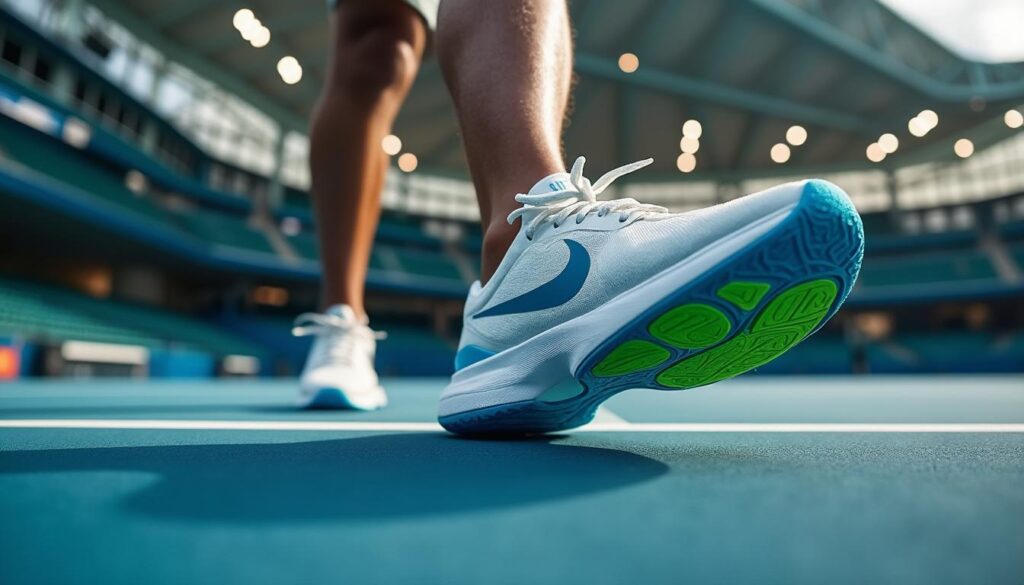
On the blistering courts of the Australian Open, a player’s footwear is more than just protection; it’s the foundation of agility and confidence. In 2026, sports shoes designed for the tournament feature innovations that cater specifically to hard courts, prioritizing stability, speed, and shock absorption. Technologies such as reactive soles and reinforced toe guards help athletes push for those split-second directional shifts without fear of injury or compromise.
Nike’s Air Zoom Vapor Pro and Adidas’s latest court shoes lead the pack with lightweight designs that won’t weigh down movements. The choice often reflects individual playing styles—baseline grinders might opt for shoes that offer maximum durability, while net-rushers seek maximum grip and flexibility.
Equally vital is tennis apparel. The Australian heat requires fabrics that wick away sweat rapidly and provide ventilation without sacrificing durability. Players rely on apparel enhancements that incorporate UV protection and cooling technologies, helping them stay focused match after match. Headbands and wristbands are selected not only for their moisture-wicking properties but also for comfort and synergy with racquet swings and wrist action.
This comprehensive attention to gear extends to accessories like sunglasses designed for athletes, offering glare control and UV shielding, and structurally optimized hydration packs that enable on-court replenishment during brutal afternoon sessions. These layers of consideration reflect the physical challenges of the Australian Open and the ways equipment adapts to meet them, improving performance and player endurance in grueling conditions.
For updates on latest developments in tennis shoe innovations and how apparel technology impacts player performance, the tennis community can explore ongoing research and expert reviews.
Precision String Tension and Customization: The Unsung Art Behind the Scenes
The unseen heroes of the Australian Open are the stringers who orchestrate the racquets’ final transformation before players walk onto the court. For ten consecutive years, Yonex has managed the stringing room, staffed by a diverse team from 13 countries, epitomizing the international spirit of tennis and technical expertise.
During early rounds, these highly skilled craftsmen string more than 600 racquets daily, ensuring there’s no variation in tension for each player’s racquets, which can number up to nine per match. The exact string tension can vary widely based on player preference and playing style. String tension directly influences ball control, spin potential, and power delivery. For example, Matthew Ebden’s unique request to deform his racquet slightly – stretching the frame to create an oval shape – is so demanding it could challenge even the most seasoned stringers.
Luxilon ALU Power strings prevail, often paired with natural gut or blended with Yonex PolyTour Pro for optimal spin and feel. Player demands can reach eccentric extremes: Eikeri’s 85 lbs tension vanquishes any softness in the string bed, while Mannarino’s lacrosse-like setup offers delicate ball touch with 22 lbs tension.
This level of precision underscores why string tension trends are a critical component of competitive tennis, shaping not only individual performance but also strategic evolutions in racquet sports.
Building Endurance and Protecting Against Injury Through Smart Equipment and Fitness Choices
Beyond the visible gear lies the crucial intersection between equipment and player health. The punishing schedule and extreme conditions at the Australian Open require players to build durable fitness foundations supported by proper equipment. Tennis apparel with advanced moisture management helps prevent heat exhaustion, while ergonomic sports shoes reduce impact-related injuries.
Moreover, carefully customized string tension and racquet choice can mitigate repetitive strain and wrist injuries. The selection of grip tape plays a surprisingly significant role in maintaining player grip without excessive pressure, aiding in injury prevention.
Many players integrate specialized hydration packs into their routines to maintain fluid balance critical for peak performance during extended rallies under the sun. Recovery gear, alongside physical training adapted to hard court stress, forms an essential part of injury prevention—a factor highlighted in injury prevention and fitness programs designed specifically for elite players in 2026.
Combining cutting-edge gear with comprehensive fitness strategies ensures players maintain their edge and stay in the tournament longer, exemplifying how equipment choices extend beyond mere convenience to becoming pillars of competitive longevity.
What type of tennis balls are used in the Australian Open?
The Australian Open uses Dunlop tennis balls specifically designed for hard court play, offering a balance of durability and consistent bounce suited for both professionals and club players.
How important is string tension for professional players?
String tension significantly affects ball control, spin, and power. Professionals customize their tension to fit their playstyle, with tensions ranging widely to optimize performance.
What makes sports shoes important in the Australian Open?
Sports shoes designed for the tournament prioritize traction, stability, and shock absorption to handle fast and aggressive court movements, preventing injuries and enhancing agility.
How do players manage hydration during matches?
Players use specialized hydration packs to maintain fluid levels, especially critical in Australia’s intense heat, helping sustain performance and prevent heat-related issues.
Why are grip tape choices critical for players?
Grip tape affects racquet handling and comfort, preventing slippage during sweaty conditions. Proper grip tape supports player confidence and reduces injury risks.