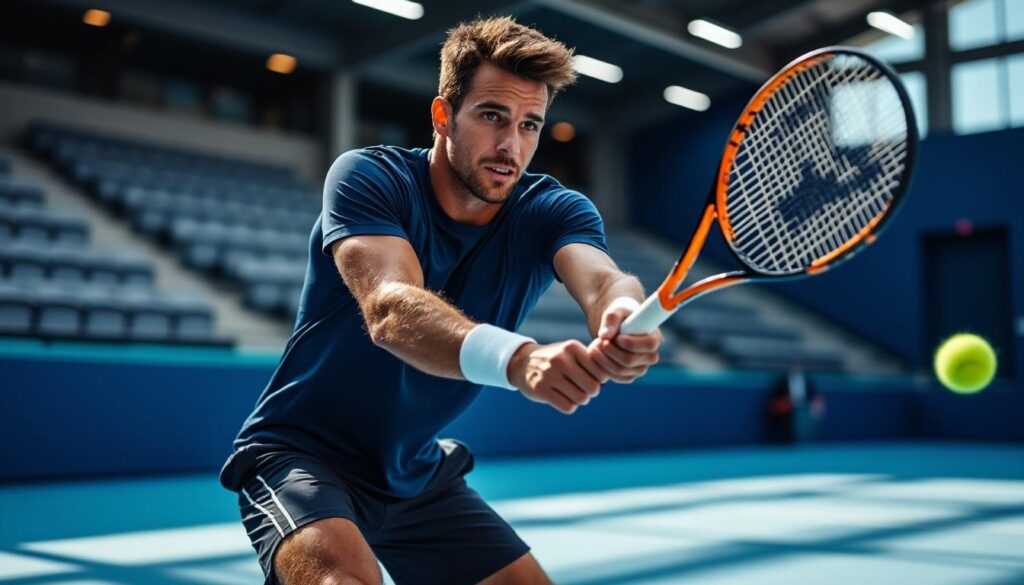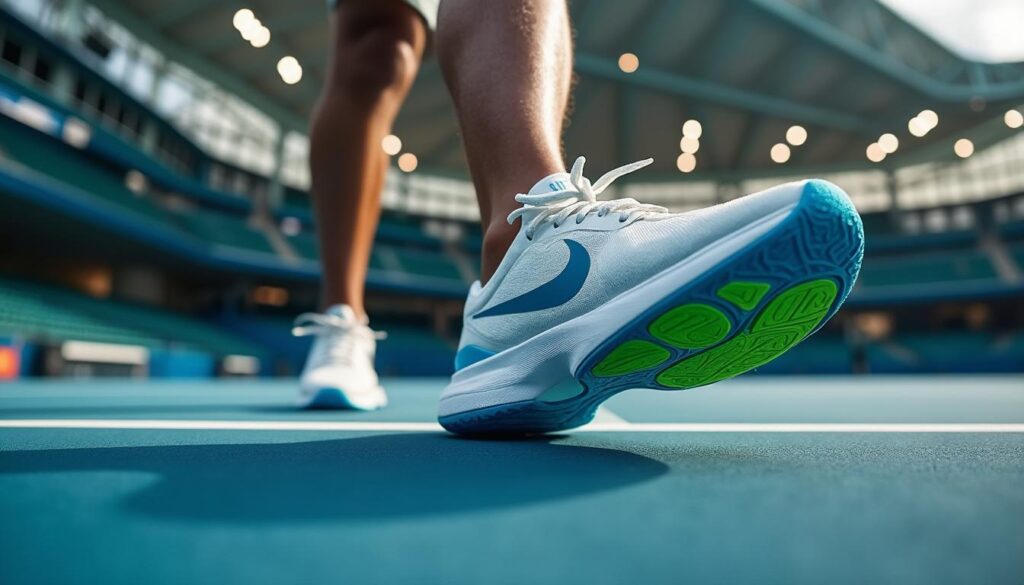
The world of tennis is entering a thrilling new era as December 2025 unleashes groundbreaking innovations in tennis shoe technology. This season, the spotlight shines brightest on footwear engineered to deliver unmatched speed and stability, two pillars critical to peak athletic performance on the court. Every movement in tennis—from rapid lateral shifts to explosive sprints—demands shoes that not only keep up but elevate the player’s game. As indoor court training seasons intensify, brands are racing to create shoes that balance sharp traction with lightweight comfort, safeguarding athletes against injury while boosting their agility and endurance.
Amidst this frenzy of advancements, innovations span from state-of-the-art composite midsoles to adaptive traction soles designed specifically for smooth indoor surfaces. These enhancements respond directly to the biomechanics of tennis, acknowledging the intense footwork and swift directional changes that define competitive play. The shifting focus toward stability, without sacrificing speed, marks a pivotal evolution in tennis shoes, promising athletes groundbreaking support during grueling training and electrifying matches alike. For anyone serious about mastering their footwork and unlocking superior court performance, the latest footwear technology unveiled this December is an absolute game-changer.
- Key stability features such as TPU lateral clips and advanced midfoot shanks minimize injury risks and improve balance.
- Lightweight designs incorporating cutting-edge foams like FlyteFoam ensure rapid movement without fatigue.
- Innovative traction outsoles with sticky rubber compounds target the demands of slick indoor courts.
- Enhanced lockdown uppers provide a snug fit that adapts dynamically to player foot shapes.
- Top brand innovations from Nike, Adidas, Asics, and others offer diverse options catering to different playing styles and preferences.
- Durability with warranties assures players of long-lasting performance during extended indoor training sessions.
Revolutionizing Indoor Court Performance: Stability Takes Center Stage in December 2025 Tennis Shoe Innovation
In an age where milliseconds and millimeters determine match outcomes, December 2025’s tennis shoe breakthroughs underscore how stability has become the centerpiece of design philosophy. Indoor courts, notorious for their slick surfaces, challenge players with rapid side-to-side pivoting and aggressive directional shifts. The latest footwear addresses these challenges head-on by integrating reinforced midfoot structures such as TPU lateral clips and solid shanks. These components serve to lock the foot in place, preventing the dreaded ‘foot roll’ that compromises balance and increases injury risk.
The significance of these stability upgrades extends beyond mere safety—improved balance directly translates to sharper turns, quicker reactions, and a natural boost in confidence. With tennis being one of the most physically demanding racquet sports, every ounce of steadiness synergizes with speed and comfort to enhance overall court performance. For instance, Nike’s updated Zoom Vapor 12 model features reinforced midfoot shanks paired with Zoom Air units, offering players cushioned energy return while maintaining rock-solid footing, a combination ideal for the explosive movements demanded indoors.
Adaptive traction outsole technology is another major leap forward. Designed with sticky rubber compounds customized for indoor court surfaces, these soles deliver superior grip, reducing slip hazards that may occur during fast footwork drills or sudden stops. Adidas’ Barricade 13’s Geofit Sensepods exemplify this, providing full ankle lockdown while ensuring optimized ground contact. Such innovations reflect a deep understanding of player biomechanics, ensuring footwear not only performs but amplifies human ability.
This transition toward prioritizing stability is underpinned by growing research linking footwear design with injury prevention and energy efficiency in tennis training. The cushioning materials themselves have evolved, employing layered foam composites and responsive units like FlyteFoam and Zoom Air, which absorb shocks without impeding the foot’s natural movement. These technological advances secure shoes to the foot while returning energy swiftly, critical for sustaining intense indoor training sessions that mimic match pressures. The importance of these developments extends to all levels of play—from club enthusiasts to elite professionals—underscoring the universal impact of December 2025’s innovations.
Exploring further into this domain reveals how the convergence of material science and biomechanics drives performance enhancements. To understand the nuances of how stability impacts indoor tennis, exploring training techniques in conjunction with shoe technology is essential. Resources such as tennis physical training provide invaluable insights into optimizing movement patterns that align perfectly with these new shoe dynamics. This holistic approach marries footwear advancements with athlete conditioning, fostering more effective and injury-resilient players.

Top Tennis Shoe Releases of December 2025: Lightweight Footwear Engineered for Speed and Stability
The tennis shoe market in December 2025 is brimming with models that push the envelope of speed and stability. Recognized leaders such as Nike, Adidas, Asics, New Balance, and K-Swiss have launched versions that cater to diverse player requirements, ensuring there is a suitable option for both the aggressive baseliner and the versatile all-court strategist.
The Nike Zoom Vapor 12 continues to impress with its blend of ultralight construction and robust Zoom Air cushioning. Weighing just around 310 grams, this shoe incorporates sticky rubber outsoles that optimize traction without adding bulk, enabling players to unleash swift court coverage. Likewise, Adidas’ iconic Barricade 13 enhances ankle stability using Geofit Sensepods while shedding unnecessary weight from prior models, a critical upgrade for indoor environments requiring quick directional changes.
Asics’ Gel-Resolution X builds on its reputation for lateral support by refining its Dynawall extension system, achieving a fine balance between rigidity and flexibility. With high-traction rubber outsoles and Gel cushioning, it provides players with a firm, comfortable platform to cut and accelerate. New Balance’s Fresh Foam X CT-Rally further tailors its fit with multi-width offerings, perfect for players with wider feet who do not want to compromise on speed or stability indoors.
Wilson’s Hurakn 2.0 and K-Swiss Ultrashot 4 hype performance by blending plush cushioning with soles engineered for multi-directional grip, promoting agility in cramped indoor courts. These shoes also boast durability, supported by warranties—like the six-month outsole guarantee offered by Adidas and Asics—reflecting quality investments that withstand rigorous training.
| Shoe Model | Weight (grams) | Cushioning Technology | Outsole Type | Stability Features |
|---|---|---|---|---|
| Nike Zoom Vapor 12 | 310 | Zoom Air Cushioning | Sticky Rubber | Enhanced Midfoot Shank |
| Adidas Barricade 13 | 340 | Adiwear + Geofit Sensepods | Durable Rubber | Full Ankle Lockdown |
| Asics Gel-Resolution X | 320 | Dynawall + Gel Cushioning | High-Traction Rubber | Extended Dynawall System |
| New Balance Fresh Foam X CT-Rally | 335 | Fresh Foam X | Non-Marking Rubber | Wide Fit Stability |
| K-Swiss Ultrashot 4 | 345 | Softer Midsole Foam | Sticky Rubber | Multi-Directional Outsole Grip |
Choosing the best shoe depends on the unique needs of the player, from foot shape to playing style and court type. Reviews and comparative analyses at best tennis shoes 2025 and best tennis shoes indoor provide detailed guidance, helping enthusiasts and athletes make informed decisions that support longer, safer training sessions and more consistent match play.
How Enhanced Footwear Technology Transforms Speed and Comfort on the Court
Every successful tennis shot and quick pivot begins with the foundation beneath the feet. December 2025’s footwear innovation is not just about preventing slips and bumps—it elevates overall performance by fusing comfort, speed, and stability. Advanced midsole materials like FlyteFoam, combined with Zoom Air units, achieve exceptional shock absorption and energy return, pushing players to maintain high-intensity play for longer periods.
One remarkable feature disrupting traditional tennis shoe norms is the customizable fit systems emerging this year. Incorporating anatomical sockliners and precision lacing designs, these shoes conform snugly to individual foot contours, negating slippage inside the shoe and enhancing proprioception—the subconscious awareness of foot placement crucial for rapid movements. As a result, players experience more confident footwork, reducing wasted energy during quick stops and starts.
Traction technologies are equally pivotal in this performance puzzle. The tailored sticky rubber outsoles, optimized for indoor court surfaces, provide reliable grip allowing players to execute sharp cuts and swift pivots with less fear of slipping. This is especially beneficial during drills that focus on explosive lateral movement and endurance, both vital for competitive play. Combined, these elements make footwear more than just equipment; they become instruments of speed and precision.
The integration of ergonomics and lightweight materials is a crucial trend, as shoes that reduce fatigue allow players to sustain agility in fast-paced rallies. The new-age foams and composites strike a rare balance—soft and responsive underfoot yet rigid enough to prevent collapse during aggressive foot strikes. In indoor tennis training, where repeated rapid movements are routine, such footwear upgrades make a measurable difference, enhancing both player confidence and physical output.
For players and coaches eager to optimize training benefits alongside using cutting-edge footwear, consulting specific physical training advice is invaluable. Techniques and drills highlighted at tennis physical training complement these shoe innovations by focusing on agility and endurance, making shoe and training regimen synergy an exciting frontier to watch.
Strategies for Selecting the Perfect Tennis Shoe for Indoor Play: Balancing Traction and Stability
The transition to indoor courts in late 2025 introduces unique challenges—surface material variations demand specialized traction and stability solutions. Selecting the right shoe involves evaluating several critical factors to ensure performance and injury prevention.
- Surface Compatibility: From polished polyurethane to sport tiles, each indoor surface requires specific outsole material for optimum grip.
- Player Movement Style: Aggressive baseline players benefit from enhanced lateral lockdown features, while all-court players may prioritize cushioning versatility.
- Fit Precision: Shoes must offer anatomical sockliners and advanced lacing systems that lock the foot securely without restricting movement.
- Weight Considerations: Light shoes reduce fatigue but must maintain structural support during rapid foot strikes.
- Durability & Warranty: Models with reinforced outsoles and warranty guarantees provide peace of mind for players logging hours on the court.
Consulting expert reviews and detailed shoe breakdowns, such as those found at best indoor hard court shoes or tennis shoe stability, allows players to align their choices with evolving footwear technologies. Additionally, investing in high-quality tennis socks—often overlooked—further enhances foot stability and comfort, rounding out an athlete’s preparation for indoor training seasons.
Emerging trends hint that future footwear will increasingly embrace smart materials and biomechanical sensors, enabling personalized fit and real-time stability feedback, an exciting prospect that promises to elevate tennis shoe innovation beyond traditional boundaries. Meanwhile, understanding current shoe features and how they interact with player biomechanics remains pivotal to maximizing indoor training results today.
How Advanced Stable Tennis Footwear Influences Training Outcomes and Injury Prevention
The direct impact of stable tennis shoes on indoor training is profound and measurable. Offering superior control during abrupt lateral movements, stability-enhancing footwear minimizes unnecessary motion—the subtle shifts that drain energy and risk sprains. By locking the foot effectively, these shoes empower athletes to maintain fluid footwork and execute rapid sprints without hesitation.
Reducing injury risk is a primary benefit. Foot and ankle strains rank among the most common afflictions during high-intensity tennis sessions, especially on indoor courts where slip hazards abound. Shoes with TPU lateral clips, ankle lockdown pods, and sticky rubber outsoles serve as first-line defenses, preventing foot roll and providing secure ground contact. This not only prolongs playing careers but also fosters confidence, encouraging more aggressive and precise court maneuvers.
Enhanced cushioning that returns energy efficiently also supports muscle longevity during extended drills and matches. Players report smoother transitions between exercises, enabling longer, more focused training sessions—a critical factor for peak performance preparation. The integration of these shoe technologies with structured stability and agility drills creates a feedback loop enhancing overall athletic development.
Consider the following benefits and corresponding training examples illustrating footwear’s role in elevating indoor sessions:
- Reduced Ankle Sprains: Minimizing injury risk during lateral movement drills such as agility ladder routines.
- Improved Energy Efficiency: Sustaining endurance during high-intensity interval training (HIIT) on the court.
- Steadier Cuts and Pivots: Sharpening footwork in simulated pressure scenarios like match point drills.
Pairing footwear optimization with targeted training protocols detailed in resources like tennis physical training intensifies the benefits, promoting stronger player foundations for competition. This synergy elevates both performance outcomes and enjoyment of the sport.
What features are most important for indoor tennis shoe stability?
Key features include enhanced lateral support through TPU clips, sticky rubber outsoles for grip on smooth indoor surfaces, adaptable uppers for lockdown, and responsive cushioning systems that absorb shock while maintaining foot control.
How do the 2025 tennis shoe updates improve injury prevention?
The 2025 updates focus on reducing foot roll and enhancing traction, drastically lowering risks of slips, ankle sprains, and knee stress during indoor training and matches.
Which tennis shoe model is best for wide feet and stability?
The New Balance Fresh Foam X CT-Rally offers multi-width options along with advanced cushioning and stability features, making it an excellent choice for players with wider feet.
Are the latest tennis shoes durable for long training sessions?
Many 2025 models, including Adidas Barricade 13 and Asics Gel-Resolution X, come with six-month outsole warranties and reinforced construction, offering exceptional durability for prolonged indoor use.
Can stability features in shoes affect on-court performance?
Absolutely. Shoes engineered for better stability improve foot control, reduce energy leaks, and boost confidence, resulting in faster, sharper movements that elevate overall performance.