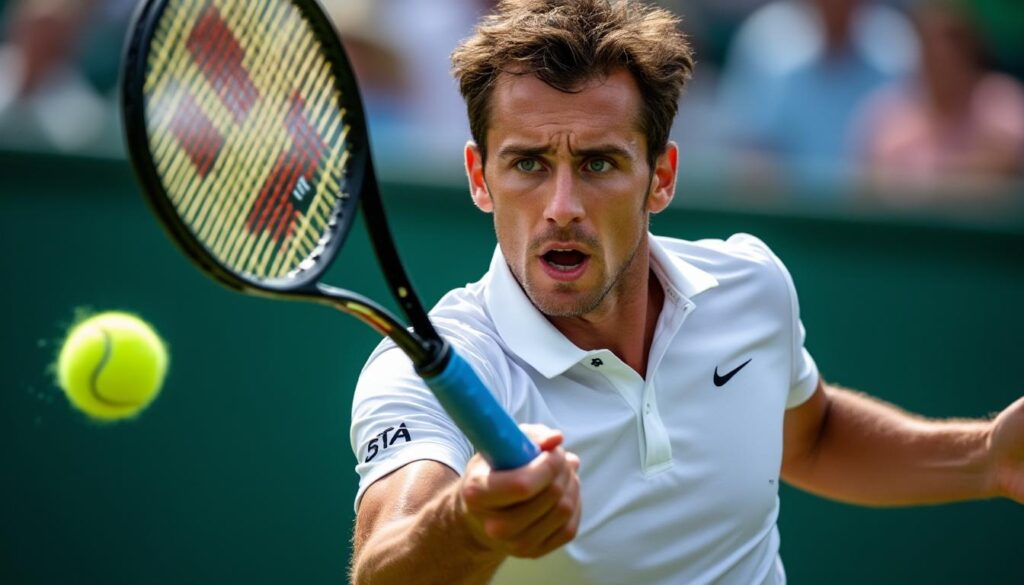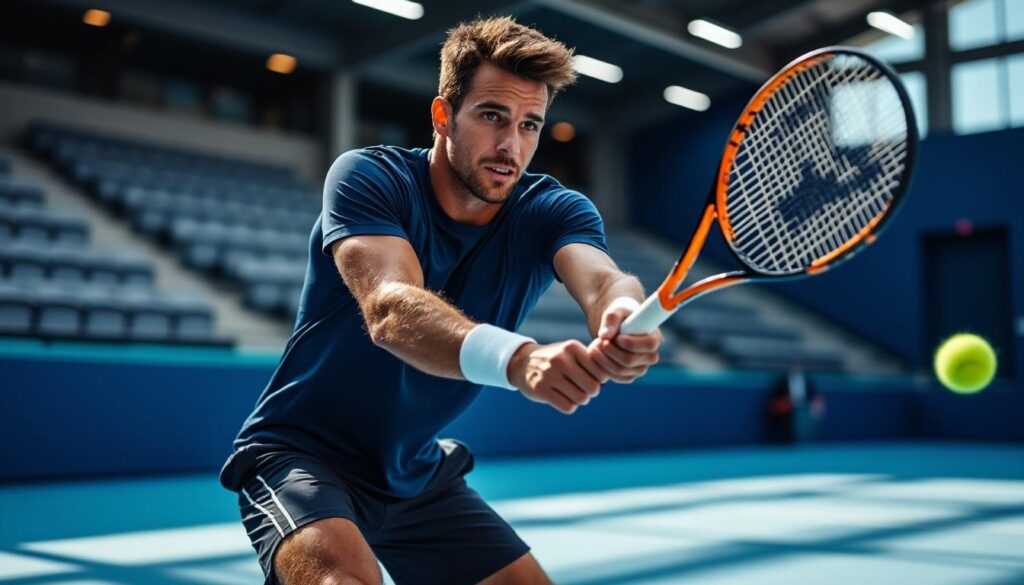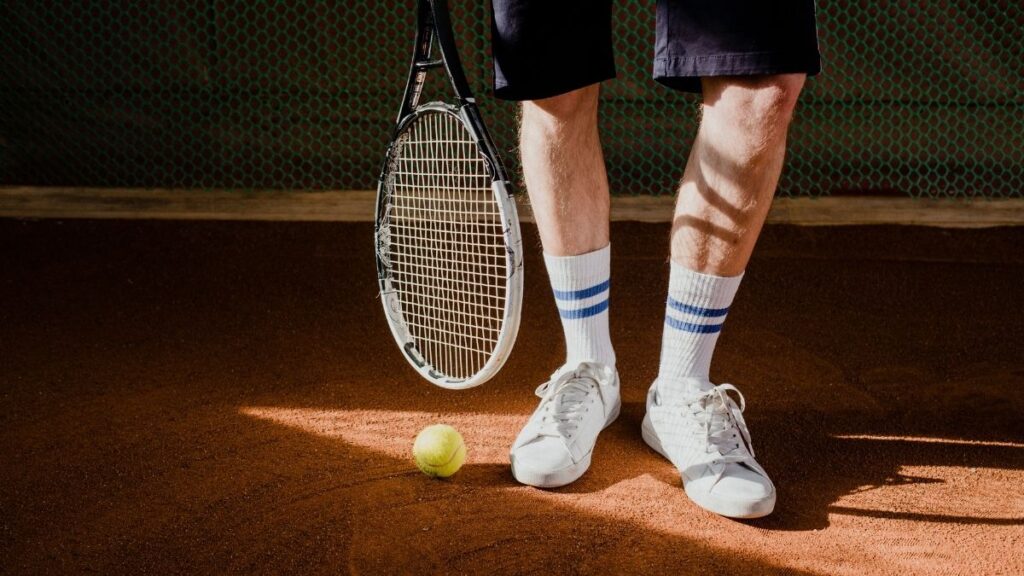
Choosing the perfect tennis shoes for indoor hard courts is more than just a fashion statement—it’s a strategic move that can elevate performance, prevent injury, and boost confidence on the court. As 2025 unfolds, innovations in footwear technology have sharpened the competitive edge, delivering shoes that blend durability, support, and dynamic responsiveness. Indoor hard courts demand footwear that can withstand the abrasive surface while cushioning every powerful lunge and cut. The stakes are high: the right pair supports agility and stability, while the wrong choice invites discomfort and injury. This guide dives deep into the critical features and standout models, offering a path to the shoes that will redefine how you play this season.
Key Points to Keep in Mind:
- Durability is paramount—look for specialized rubber outsoles designed for abrasive indoor courts.
- Effective midsole cushioning protects joints against the relentless impact of hard surfaces.
- Lateral support is essential due to the intense side-to-side movements in tennis.
- Proper fit is crucial; try shoes on with tennis socks to ensure comfort and avoid pressure points.
- Rotation of two shoe pairs can extend durability and maintain consistent court performance.
- Avoid all-court models that may compromise essential hard court features.
- Brands like Nike, Adidas, Asics, and New Balance offer top-tier technology focused on hard court play.
Durability and Outsole Technology: Protecting Your Investment on Indoor Hard Courts
Indoor hard court surfaces, typically acrylic or concrete, are notoriously unforgiving. Unlike clay or grass, these courts continuously grind down shoe soles, demanding exceptional durability from tennis footwear. The outsole is the foundation, the critical first point of contact that prevents slips and enhances court feel.
Innovations in outsole design have dramatically improved longevity. Modern shoes employ modified herringbone patterns that increase both traction and resistance to surface abrasion. High-density rubber compounds, especially in high-wear forefoot and heel areas, multiply durability, sparing players the common frustration of flattened tread that compromises grip.
Consider the NikeCourt Air Zoom Vapor Pro 2, which utilizes a specially engineered rubber compound tailored for rapid indoor movements. Adidas’ Adizero Ubersonic 4 combines an aggressive outsole pattern with Adituff toe guards to withstand relentless sliding and abrupt stops. Such features offer players peace of mind that their investment will stand firm through countless matches.
Maintaining the outsole’s integrity boosts overall foot stability and confidence during intense lateral sprints and explosive starts. Beyond the technology, regular care—like immediately cleaning dirt after play and storing shoes away from sunlight to prevent rubber degradation—can extend outsole life significantly.
- Modified herringbone tread designs enhance grip and durability
- High-density rubber compounds resist quick wear
- Toe guards protect against repeated dragging and sliding
- Regular cleaning and proper storage preserve outsole performance
- Rotating multiple pairs reduces tread flattening and loss of grip
Midsole Cushioning Systems: Absorbing Impact and Protecting Joints
The brutal reality of indoor hard courts is their near-zero natural shock absorption. This means every footfall sends a jarring impact through knees, hips, and lower back. Without adequate cushioning, repetitive stress injuries like plantar fasciitis and tendon inflammation become almost inevitable.
Leading brands in 2025 have responded by integrating advanced midsole cushioning to absorb shocks and reduce joint strain while maintaining court responsiveness. EVA foam remains a stalwart, engrossing impact on every step. However, proprietary systems such as Nike Zoom Air units, Adidas Bounce technology, and Asics GEL inserts provide targeted shock absorption in critical zones where pressure peaks, particularly the forefoot and heel.
New Balance’s Fresh Foam Lav v2, co-developed with professional player Milos Raonic, highlights this innovation with its plush Fresh Foam X cushioning layered under a snug bootie fit that delivers comfort without sacrificing court feel. Such setups ensure players can maintain agility and explosive movement without the usual trade-off of joint pain after long sessions.
Choosing shoes with this level of impact protection not only preserves physical health but also enhances endurance. When every movement feels cushioned, players can maintain mental focus and energy, pushing their competitive limits rather than battling fatigue and discomfort.
- EVA foam provides baseline impact absorption
- Proprietary cushioning (Nike Zoom, Adidas Bounce, Asics GEL) offers targeted shock mitigation
- Strategically placed cushioning reduces stress on knees and hips
- Advanced materials balance softness with court responsiveness
- Well-designed cushioning extends playtime comfort and minimizes injury risk
Lateral Support and Stability: Mastering the Demands of Quick Direction Changes
Tennis on indoor hard courts is a relentless game of lateral bursts, quick cuts, abrupt stops, and explosive acceleration. This dynamic movement places tremendous strain on the foot and ankle structures, making excellent lateral support a non-negotiable feature in tennis shoes.
Effective lateral support comes from reinforced side panels, TPU shanks that provide torsional rigidity, and medial stabilizers that prevent inward collapse of the foot under stress. Some manufacturers have introduced asymmetrical lacing systems that better conform to the unique musculature and movement patterns of the foot, reducing pinching and discomfort during intense plays.
For example, Asics Gel-Resolution 9 integrates Dynawall and Dynawrap technology, offering exceptional side-to-side stability and a secure lockdown fit that keeps players centered even during the quickest changes in direction. Wilson and Babolat also deliver models with enhanced lateral reinforcements, specifically engineered to withstand the frequent abrupt movements characteristic of indoor play.
Prioritizing lateral support minimizes risks of sprains and joint strains, providing a more confident and aggressive style of play. Stability enhances shot precision by enabling players to plant firmly for each stroke and sprint with explosive power.
- Reinforced sidewall panels deliver structural integrity
- TPU shanks provide stiffness to control torsion
- Medial stabilizers assist in preventing foot collapses
- Asymmetrical lacing systems improve comfort and fit
- Enhanced lateral support reduces injury risk from sudden movements
Fit and Comfort: Personalizing Your Shoe Selection For Optimal Performance
Shoe fit is an elusive yet critical aspect of tennis footwear selection. It’s more than just length and width; it’s about how the shoe embraces your foot’s contours, your arch type, and how your toes flex during play. A misfit shoe can cause hot spots, blisters, or pressure points that sabotage your game mid-match.
Inside the controlled environment of indoor courts, players often opt for snug, sock-like fits that provide heightened court feedback. Adidas’s sock-fit design on the Adizero Ubersonic 4 is a prime example, creating a second-skin feel that maximizes movement precision. Conversely, players with wider feet or high arches may prefer brands like Mizuno or K-Swiss, known for roomier toe boxes and accommodating footbeds.
Testing fit is essential — wearing your tennis socks and mimicking on-court motion will reveal how shoes interact with your foot. If hot spots appear, consider shoes with enhanced padding or even custom insoles designed for your foot shape. Ignoring your foot’s unique needs can lead to painful injuries and reduced stamina, especially on hard courts where shock and pressure are amplified.
Properly fitted shoes do more than feel better; they become extensions of a player’s body, enabling fluid footwork, balance, and confidence needed to exploit every advantage indoors.
- Try shoes with tennis socks for an authentic fit check
- Consider personal foot shape: arch height, toe width, and instep
- Look for sock-like fits or roomy toe boxes depending on preference
- Use custom insoles for specific support needs
- Test on-court movements before committing to a model
Avoiding Common Pitfalls: Smart Buying Tips for Hard Court Tennis Shoes
Even the best shoes can disappoint if chosen without understanding the specific demands of indoor hard courts. Several common mistakes can undermine performance and safety.
First, the temptation to purchase all-court shoes for versatility often backfires. These models typically compromise between clay, grass, and hard court needs, lacking the robust durability and cushioning that specialist hard court shoes provide. This shortfall leads to premature wear and inadequate impact protection.
Another typical misstep is prioritizing cost over quality. Cheaper options may seem budget-friendly but tend to skimp on essential features like arch support, lateral stability, or outsole resilience. Investing in premium shoes from brands like Yonex, Head, or Babolat ensures better performance longevity and injury prevention, ultimately saving money.
Ignoring individual foot peculiarities also impacts shoe efficacy. Overpronators or players with flat feet need added arch and motion control, which many mainstream shoes lack. Incorporating additional insoles or seeking models designed for specific foot types is crucial.
Lastly, some players delay replacing worn-out shoes. The average life span for indoor hard court tennis shoes hovers between 45-60 hours of heavy use. Key signs like thinned outsole tread, sagging cushioning, heel instability, or holes in the toe area signal it’s time for a new pair to maintain optimal protection and performance.
- Avoid all-court shoes lacking hard court specialization
- Don’t compromise critical features for cheaper price tags
- Assess and address your foot type for proper support
- Replace shoes after 45-60 hours or upon visible wear
- Rotate shoes during frequent play to prolong lifespan
For a comprehensive dive into tennis shoe care and longevity, readers should explore how to extend tennis shoe durability and finding the perfect fit for tennis shoes.