In the fierce world of tennis, where every point can turn the tide of a match, the durability of tennis shoes stands as a silent yet potent ally. Players on tour demand footwear that not only boosts their performance but can also endure the relentless wear and tear of courts around the globe. As 2025 unfolds, a select cadre of tennis shoes continues to impress with their blend of resilience, comfort, and innovation. From clay to hard courts, understanding what makes a shoe last amidst hours of grueling rallies has become essential for both aspiring players and seasoned professionals. This scrutiny unveils how design, materials, and player style converge to shape shoes that promise longevity without sacrificing agility. Join an exploration into the toughest tennis shoes that have conquered tournaments while safeguarding the feet that propel champions to glory.
Key Factors Behind the Durability of Tennis Shoes
Durability in tennis shoes isn’t merely about toughness; it is a fine balance between material science, craftsmanship, and the nature of use. At the forefront, the outsole material dramatically influences longevity. Robust rubber compounds, often customized for specific court surfaces such as hard or clay courts, form the primary defense against abrasion. For example, the extensive use of solid rubbers compounds found in shoes like the Adidas Barricade and K-Swiss Ultrashot 2 lends these models their signature toughness.
Structurally, tennis shoes designed for durability typically feature reinforced toe boxes and heel counters, areas vulnerable to high-impact stresses during intense lateral movements. These reinforcements prevent premature tearing and support ankle stability. Moreover, design elements like a raised outer sole surrounding the toe’s lateral side not only enhance protection but also manage aftereffects of aggressive sliding, especially on abrasive hard courts.
Essential cushioning components, such as midsoles made of EVA foam or Phylon, contribute to impact absorption, preserving the shoe’s shape and the player’s comfort over prolonged periods on court. Plus, a well-padded heel tab supports ankle health, cutting down on injury risks associated with unstable foot placements during match-play. The Wilson Rush Pro 3.5 exemplifies a lighter silhouette accommodating breathability without compromising the sturdiness critical for long-lasting wear.
Extra design considerations include the shoe’s sidewalls and lace areas, which often bear the brunt of sliding friction and sudden stoppages. Tennis footwear that integrates enhanced sidewall protections prevent lace fraying, a subtle yet game-changing feature for players undergoing rapid direction changes. Brands like Nike have embedded such technical reinforcements within their Air Zoom Vapour Cage 4 model, merging durability with agile responsiveness.
Another durability measure that retailers have introduced to instill buyer confidence is the warranty or guarantee on their shoes’ lifespan, particularly regarding outsole wear. Notably, some manufacturers offer a six-month outer sole guarantee, reassuring players that their investment can withstand regular competitive stress without early demise.
| Durability Feature | Purpose | Example Shoe Model |
|---|---|---|
| Rubber Outsole | Provides traction and resists abrasion | Adidas Barricade |
| Heel Padding | Cushions impact, supports ankle | K-Swiss Ultrashot 2 |
| Reinforced Toe Box | Protects against wear and supports foot flex | Wilson Rush Pro 3.5 |
| Sidewall Protection | Reduces lace fraying and side abrasion | Nike Air Zoom Vapour Cage 4 |
| Midsole Cushioning | Absorbs shock to enhance comfort and durability | Prince T22 |
- Material quality defines wear resistance, especially rubber for outsoles.
- Structural reinforcements guard high-impact points.
- Cushioning balances comfort with lasting material integrity.
- Warranty offers assure consumer confidence in durability.
- Weight vs support trade-offs influence longevity and agility.
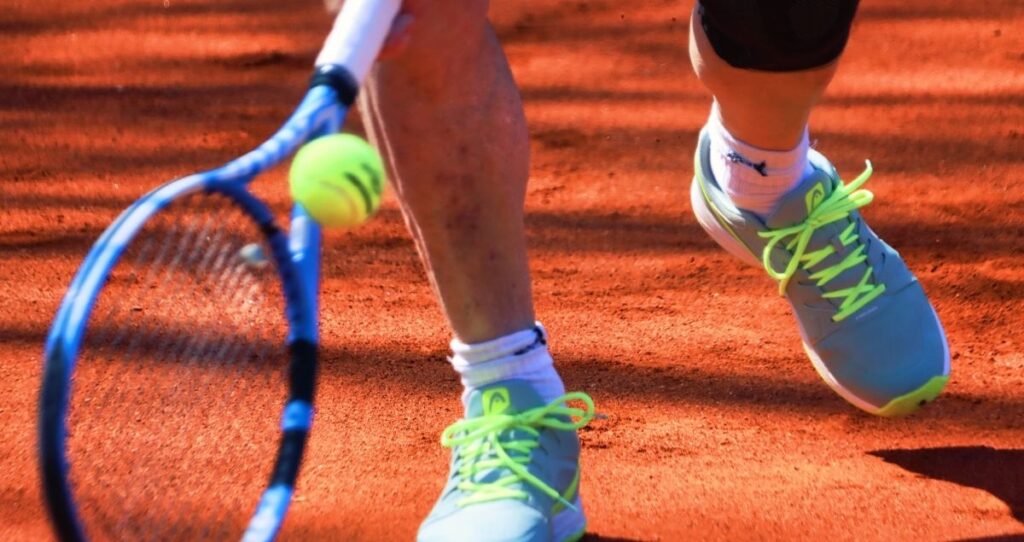
Analyzing Top Models: Features and Endurance of Leading Durable Tennis Shoes
When contemplating tennis shoes crafted for endurance, a few models repeatedly dominate conversations among athletes and coaches alike. The Adidas Barricade, a term synonymous with bulletproof durability, resurfaces in 2025 with modern enhancements. This iteration reduces weight around the upper for improved maneuverability while beefing up the outsole to withstand heavy court abrasion. Players praising its “bottom-heavy” design note its exceptional stability during forceful lateral drives, making it a favorite during high-stakes matches.
Similarly, the Wilson Rush Pro 3.5 delivers a commendable blend of lightness and thoroughbred toughness. By integrating breathable mesh on the upper, Wilson balances ventilation with crisp court feel, pivotal for players with wide feet who require maximum outsole contact for superior grip. The shoe’s slight design warmth complements its stealthy matte black aesthetics, ensuring athletes not only perform well but look the part.
The K-Swiss Ultrashot 2 boasts a heritage of heavy-duty resilience mirrored in its substantial boxy shape, recalling early 2000s classics like the first Adidas Barricade. Its reinforced inner and outer outsole edges withstand the punishing grind of competitive tennis while the plush heel padding cushions each step, crucial for tennis players clocking endless hours on master-level surfaces.
Prince’s T22 model appeals especially to players with knee concerns, leveraging mega cushioning provided by chunky soles and a plush upper that minimizes impact stress without losing court responsiveness. This combination elevates comfort while sustaining the shoe’s structural harmony over prolonged use.
Last but not least, the Nike Air Zoom Vapour Cage 4, endorsed enthusiastically by elite players such as Rafael Nadal, symbolizes the pinnacle of balance between unwavering support and agility. Its innovative overhanging outsole design ensures stability without sacrificing nimbleness, an invaluable asset when every micro-movement counts. Lightweight yet comprehensive ankle support is achieved with a carefully engineered heel tab, resulting in a shoe that outlasts many competitors without compromising speed or comfort.
| Shoe Model | Durability Highlights | Ideal Playing Conditions |
|---|---|---|
| Adidas Barricade | Heavy-duty outsole, stabilized upper | Hard courts, frequent lateral movement |
| Wilson Rush Pro 3.5 | Breathable mesh, wide outsole | Players needing agility and wider fit |
| K-Swiss Ultrashot 2 | Reinforced outsole, plush heel | Intense training on hard courts |
| Prince T22 | Chunky soles, plush cushioning | Players with joint sensitivities |
| Nike Air Zoom Vapour Cage 4 | Overhanging outsole, ankle support | All-court play under pressure |
How Selection Based on Durability Translates Into Performance Gains
Choosing the right tennis shoe influences not only durability but also how a player moves and endures competitive challenges. Durable shoes often feature heavier builds for enhanced stability but may slightly reduce agility. Yet, players frequently report improved confidence as sturdiness helps mitigate injury risks by maintaining optimal foot positioning during quick stops and pivots.
- Increased stability prevents ankle twists during intense rallies.
- Shock absorption reduces long-term joint wear, vital in high-volume players.
- Reinforced materials extend shoe lifespan, saving replacement costs.
- Better grip design limits slippage on various surfaces.
- Comfort features sustain player endurance through extended matches.
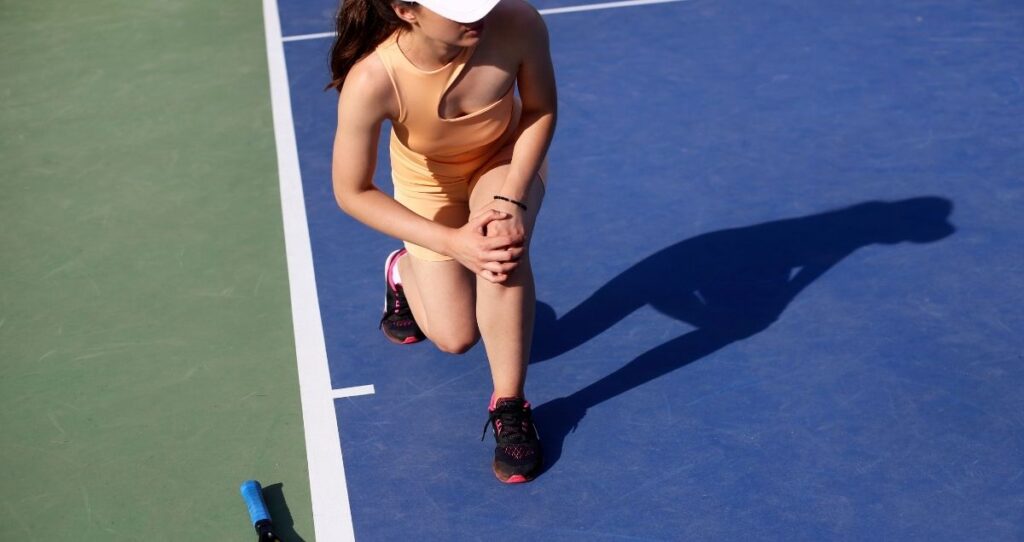
Matching Tennis Shoes to Playing Styles and Surfaces for Optimal Durability
Tennis is a dance of diverse rhythms, where every style imposes unique demands on footwear durability. Baseliners, who engage in sustained side-to-side movements, favor shoes that provide lateral stability and high abrasion resistance. Models like the Adidas Barricade excel here because their reinforced outsoles withstand the repetitive edge wear typical of baseline play.
Serve-and-volley players prioritize explosive starts and stops. Footwear that supports quick acceleration with light-to-moderate weight yet retains solid grip, like the Wilson Rush Pro 3.5, suits this style perfectly. Its balance of agility and support caters to rapid net approaches without compromising shoe longevity.
All-court players require versatile shoes capable of performing across surfaces and adapting to sudden directional changes. The Nike Air Zoom Vapour Cage 4, with its adaptable outsole and reinforced ankle support, fits this archetype well by delivering both responsiveness and durability. Such shoes also offer commendable longevity despite varying court conditions.
Considering surfaces, clay court specialists should seek shoes with specialized soles, often featuring a herringbone tread pattern, minimizing clay buildup and sanctioned for exceptional traction. Hard court players must prioritize abrasion-resistant outsoles due to the court’s rough texture, emphasizing durability.
- Baseline style: Reinforced outsole and lateral support are critical.
- Serve-and-volley: Lightweight with secure traction to handle bursts of movement.
- All-court players: Require adaptability and balanced shoe features.
- Surface-specific tread: Key for clay (herringbone) versus hard courts (abrasion-resistant rubber).
Maintaining and Extending the Lifespan of Durable Tennis Shoes
Even the most rugged tennis shoes need care to maintain their performance and durability. Understanding how to properly clean, store, and recognize wear patterns can significantly extend shoe lifespan and keep athletes on their game longer. Regular cleaning, preferably with gentle cleansers and a soft brush, defuses dirt accumulation that can degrade rubber and fabric fibers over time.
After each match or practice, allowing shoes to air dry in a ventilated area hinders bacterial growth and odor formation. Avoid placing shoes near direct heat sources, which can cause materials to degrade faster. Rotating between two or more pairs of shoes allows each pair to recover cushioning properties and reduces compounded wear.
For players looking for effective durability enhancement, investing in durable styles from renowned brands like Asics, New Balance, Babolat, Yonex, and Mizuno introduces cutting-edge materials and design innovations crafted specifically for tennis demands. Each brand brings a unique approach to combining breathability, support, and wear resistance despite varying playing intensities.
- Regular cleaning prevents material breakdown and extends wear.
- Proper drying protects shoe integrity and hygiene.
- Rotation of footwear distributes wear evenly.
- Inspection for damage aids timely replacement decisions.
- Investment in quality brands often translates to longer-lasting footwear.
Durability and the Broader Tennis Ecosystem: Equipment Synergy
Durable tennis shoes form one crucial link in an athlete’s overall equipment arsenal. Complementing quality footwear with the right tennis balls, racquets, strings, and grip also shapes a player’s court performance and comfort. For those exploring how well their durable tennis shoes integrate with other gear, resources like tennisguide.net provide comprehensive guides on choosing the right tennis racquet, selecting optimal tennis balls, and maximizing grip durability and comfort.
The synergy between long-lasting shoes and precise equipment choices can significantly enhance player well-being, reduce injury risk, and maintain performance consistency across grueling tournaments and practice sessions. Equally important is understanding how surface transitions demand not only shoe adjustments but also slight racquet and ball modifications, guiding players toward their peak condition and tactical edge on court.
- Footwear and equipment** synergy expands performance ceilings.
- Proper maintenance of all gear extends longevity and effectiveness.
- Surface adaptation** requires customized shoes and playing tools.
- Knowledge resource utilization empowers player decision-making.
- Equipment balance** ensures comfort, injury prevention, and power delivery.