

When stepping onto the court, every player—from the wide-eyed beginner to the seasoned pro—knows that the tennis ball isn’t just a ball. It’s the pulse of every rally, the silent partner in every swing, and a reflection of the player’s style and needs. Tennis balls come with a maze of choices: pressurized, pressureless, different brands like Wilson, Babolat, or Head, and subtle variations that can change how the game feels. Choosing the right ball isn’t a casual decision; it’s about unlocking peak performance, durability, and that satisfying feel on your racquet. Whether you’re chasing the fierce speed of a Penn ball or the soft touch of a Tretorn for clay courts, understanding what’s inside that fuzzy yellow sphere can elevate every match. This guide unpacks the layers behind tennis balls, exploring their anatomy, performance nuances, and the best picks for your game and court type.
Understanding Tennis Ball Construction: Core and Felt Dynamics for Optimal Play
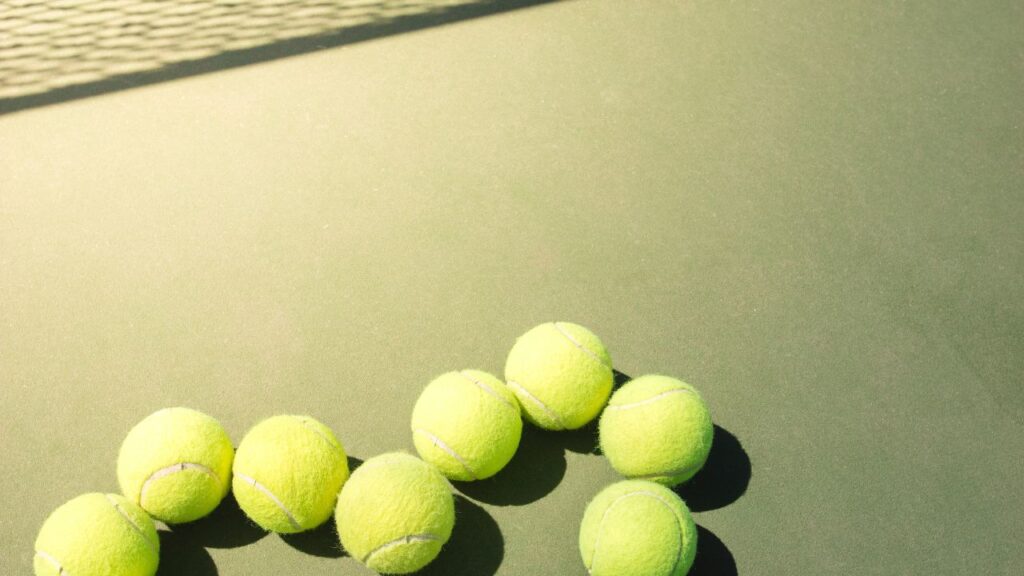
The secret behind every powerful serve and swift rally often starts right at the heart of the tennis ball: its construction. At first glance, a tennis ball might look like a simple duo of felt and rubber, but the reality is a mix of engineering and artistry crafted to perfection.
The Rubber Core: The soul of the ball, the core is typically formed by two rubber halves molded together. This isn’t your ordinary rubber; it blends natural and synthetic compounds. Natural rubber introduces elasticity and a lively bounce, while synthetic rubber increases toughness and endurance under relentless court assaults. This combination ensures the ball springs back with energy and can endure the demands of aggressive play.
Pressurized vs. Pressureless Cores: Most tournament balls, including popular choices from Prince and Slazenger, contain pressurized cores with compressed air or nitrogen sealed inside. This internal pressure delivers those crisp, lively bounces players crave. However, this energy fades as the pressure leaks, usually within weeks of opening, demanding fresh balls for competitive play. Contrastingly, pressureless balls rely solely on the thickness and resilience of their rubber cores for bounce. Brands like Dunlop and Volkl offer such durable balls favored for long-lasting training sessions, where consistent bounce outweighs premium feel. Their advantage lies in durability, but expect a firmer, less lively experience compared to their pressurized counterparts.
Felt Covering and Its Role: The iconic fuzzy yellow exterior, often a blend of wool and synthetic fibers (nylon or polyester), isn’t just cosmetic. The felt crafts how a ball grips the racquet strings, affects aerodynamics, and influences spin. Higher wool content, as found in some Yonex models, produces a softer, more controlled touch but wears quicker. Synthetic fibers extend lifespan and resist fuzzing, a trait invaluable for hardcourt warriors opting for balls like Wilson’s robust iterations. The weave density determines air resistance—a tighter weave speeds up the ball but might give you less control. Thickness matters too; thicker felt softens impact and prolongs ball life but can reduce ball speed.
| Feature | Effect on Play | Relevant Brands |
|---|---|---|
| Pressurized Core | High bounce, lively feel, fades after weeks | Wilson, Babolat, Head |
| Pressureless Core | Long-lasting bounce, firmer feel | Dunlop, Volkl |
| High Wool Felt | Softer touch, better spin, less durable | Yonex, Slazenger |
| More Synthetic Felt | Increased durability, higher speed | Wilson, Penn |
| Tighter Felt Weave | Faster ball speed, less drag | Prince, Head |
Embracing the nuances of tennis ball construction allows players to tailor their game. Whether it’s the explosive touch from a pressurized Wilson or the enduring training performance of a pressureless Dunlop, understanding these core components will influence every stroke from the baseline to the net.
How to Choose Tennis Balls Based on Playing Surface and Skill Level
The surface beneath your feet isn’t just a stage; it’s an active participant shaping your tennis experience, and your choice of tennis ball should harmonize perfectly with it. Equally, a player’s proficiency steers the ideal ball selection—balancing control, power, and durability.
Hard Courts: These fast surfaces, common across North America, demand balls that can resist heavy wear but also propel brisk, lively rallies. Wilson and Penn craft hardcourt-specific balls with reinforced felt blends and slightly tougher cores. Their balls maintain bounce and reduce excessive fuzzing on abrasive asphalt or acrylic surfaces. Players favoring speed and consistency will lean toward these ‘hard-hitters.’
Clay Courts: Clay slows down the ball, demanding softer, more controlled balls that grip the surface for higher bounce arcs—perfect for players working on precision and topspin. Slazenger and Tretorn produce balls with softer cores and naturally higher wool content felt, ensuring exceptional performance and durability on red or green clay. These models tend to lose their bright color less quickly and resist the gritty nature of clay play.
Grass Courts: The fastest tennis battlegrounds necessitate balls that can maintain a low bounce and fly with aerodynamic grace. Classics like Head tennis balls are designed with tighter felt and harder cores, minimizing drag and maximizing control on lush, slippery grass. These balls offer the quick responsiveness essential for serve-and-volley tactics.
Skill Level Distinctions:
- Beginners: Softer and slower balls ease ball control, making it less intimidating to practice returns and strokes. Pressureless balls from Penn X-Out or Babolat’s training range offer durability, while low compression balls help newcomers develop timing.
- Intermediate Players: Standard pressurized balls, like those from Wilson and Prince, provide the right balance of power and control for players who’ve outgrown beginner balls but haven’t yet turned pro.
- Advanced and Tournament-Level Players: Premium balls with consistent pressure and refined felt quality dominate the court. Wilson US Open or Head Tour balls are designed for spin responsiveness and true bounce, allowing pros to display their full arsenal of shots.
| Playing Surface | Recommended Ball Characteristics | Top Brands |
|---|---|---|
| Hard Court | Durable felt, high bounce, abrasion resistant | Wilson, Penn, Babolat |
| Clay Court | Softer core, higher bounce, wool-rich felt | Slazenger, Tretorn, Yonex |
| Grass Court | Tighter felt, lower bounce, fast ball speed | Head, Dunlop, Prince |
Selecting tennis balls tailored to your surface and skill level can provide an immediate edge—allowing the ball’s playability and durability to complement your evolving technique. For equipment ideas, check out the beginner tennis equipment guide to learn what gear matches these balls best.
Brand Showdown: Wilson, Babolat, and More—Which Tennis Ball Reigns Supreme?
The tennis ball market is crowded, bursting with trusted brands each preaching their formula for the perfect hit. Distilling the best choice from legends like Wilson, Babolat, Head, Dunlop, Prince, Penn, Slazenger, Volkl, Yonex, and Tretorn requires a close look at how each shapes the game.
Wilson consistently balances innovation and tradition. Their balls, including the famed US Open line, combine pressurized cores with durable felt blends that excel on hard courts. These balls deliver reliable bounce and lively play through extended match times.
Babolat offers balls engineered for spin-friendly play, favored by modern baseline warriors. Their Pro and Team series highlight a dynamic felt that clings to racquet strings, adding that extra kick to topspin shots, perfect for players mastering forehand techniques outlined in detail at TennisGuide.net.
Head and Dunlop are stalwarts for grass and clay specialists. Head’s focus on seam construction and felt density lends their balls superior aerodynamics on grass courts. Dunlop’s pressureless models are heralded for longevity in training sessions without sacrificing bounce consistency.
Prince and Penn cater well to recreational and club players—Penn’s affordable X-Outs are famous for providing solid value for beginners. Slazenger and Volkl round out the landscape with balls designed for maximum durability and control on variable surfaces.
- Choose brand based on: playing style, court surface, and budget
- Test different balls for personal feel—durability, spin, and bounce will vary even within top brands
- Consider tournament-approved balls if you compete at any level, as these ensure consistent performance under official standards
| Brand | Signature Strength | Best Suited For |
|---|---|---|
| Wilson | Consistent bounce, durability | Hard courts, competitive play |
| Babolat | Spin responsiveness, dynamic felt | Baseline players, intermediate to advanced |
| Head | Aerodynamic design, grass court performance | Grass courts, quick play |
| Dunlop | Pressureless durability | Practice, long-lasting use |
| Penn | Value-oriented, beginner friendly | Entry-level, recreational |
Ultimately, the right tennis ball is personal. Experimentation across brands leads to the discovery of a favorite that artificially enhances your strengths. For outfitting your tennis necessities beyond balls, explore the must-have tennis accessories to complete your arsenal.
Video tutorials detailing the science and feel behind different tennis ball types sharpen understanding, bridging theory and on-court experience.
Maintaining Tennis Balls: Tips for Longevity and Performance on Every Court
Even the finest tennis balls are vulnerable to wear, but smart maintenance stretches their prime play phase, letting you squeeze the most out of your investment. Understanding the care routine distinct to pressurized or pressureless balls unlocks longer use, whether in ruthless practice sessions or casual weekend battles.
- Store balls in a cool, dry place: Excess heat and humidity degrade pressure seals and felt fibers. A sealed container or dedicated pressurizer extends freshness for pressurized balls like those from Wilson or Head.
- Rotate balls during practice: Using multiple cans avoids overusing a single set, balancing wear and keeping bounce consistent.
- Clean felt gently: Remove dirt and debris with a soft brush or cloth to prevent felt damage—particularly critical for high-wool balls like Yonex or Slazenger.
- Avoid playing on rough surfaces: Hard, abrasive courts tear felt rapidly. Reserve premium balls for competitive play and use affordable, pressureless models for training on harsh surfaces.
- Dispose of balls that lose bounce: Pressurized balls lose internal gas over time, compromising play. While some claim methods to revive them, replacement remains the only reliable option for peak performance.
| Maintenance Action | Why It Matters | Ball Types Affected |
|---|---|---|
| Cool, dry storage | Preserves pressure and felt integrity | Pressurized and pressureless |
| Rotate during practice | Balances wear, maintains consistent bounce | All balls |
| Gentle cleaning | Prevents felt abrasion and fuzzing | High wool felt balls especially |
| Choose appropriate surface | Protects felt from premature wear | Premium balls |
| Replace dead balls | Ensures lively bounce and game quality | Pressurized balls mainly |
Following these tips extends usability, empowering players to focus on refining strokes and strategy instead of battling inconsistent bounce or weather-beaten balls. Pair this knowledge with guides like Tennis Beginner’s Guide for comprehensive support as you develop your tennis journey.
Frequently Asked Questions on Choosing and Using Tennis Balls
- Q: How long do pressurized tennis balls typically last?
A: Most pressurized balls maintain peak performance for around 2-3 weeks of regular play. After that, the internal pressure drops, resulting in less bounce and slower speed. - Q: Can I use the same tennis balls on all playing surfaces?
A: While you can technically use a single type on multiple surfaces, tennis balls tailored to specific courts, like softer balls for clay and tougher ones for hard courts, optimize performance and feel. - Q: Are pressureless tennis balls suitable for match play?
A: Pressureless balls offer durability but generally lack the lively bounce required at competitive levels and are more popular for practice sessions or beginners. - Q: Is a more expensive tennis ball always better?
A: Price often reflects material quality and construction, but the best ball for an individual depends on their skill, playing style, and court preference. Testing different brands is key. - Q: How can I tell when to replace my tennis balls?
A: When balls lose bounce, fuzz excessively, or feel heavier due to moisture or damage, it’s time to retire them for fresh stock to keep your game sharp.