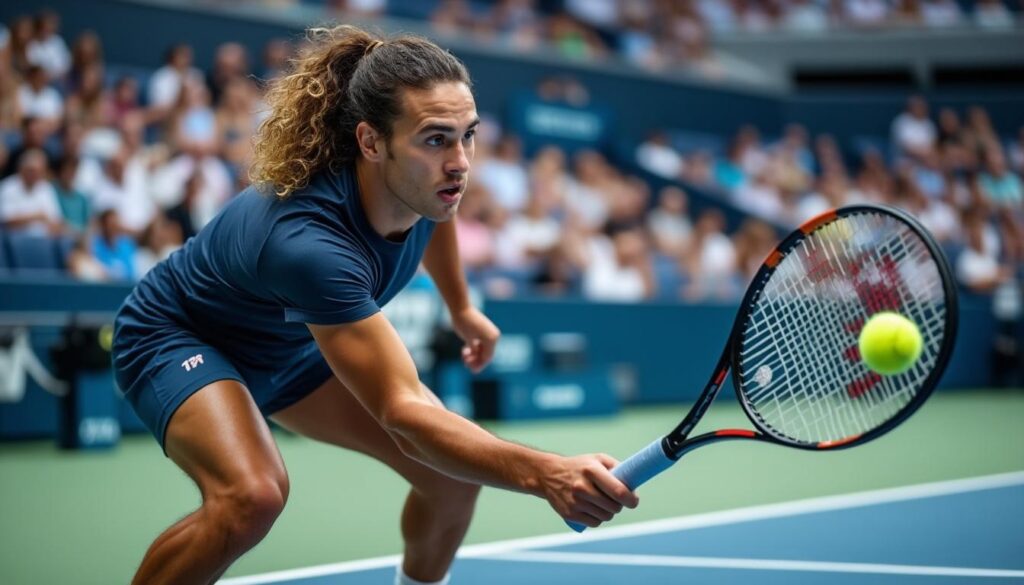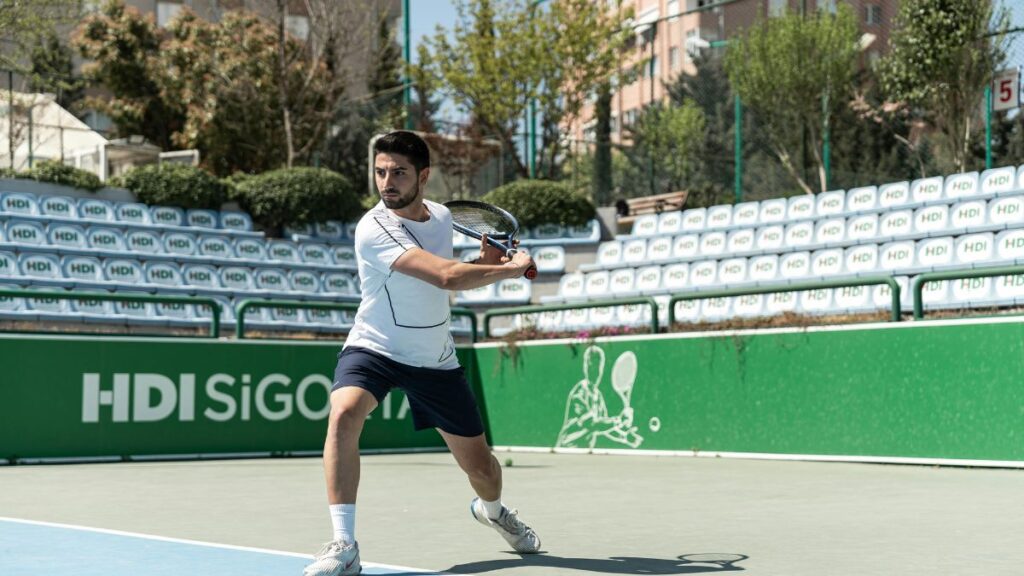
In the fast-paced world of modern tennis, recovery and mobility workouts have emerged as indispensable components for players aiming to sustain peak performance and prolong their careers. As the competitive season gears up on November 6, tennis athletes of all levels are turning their attention to strategic fitness practices that focus on restoring muscular function, enhancing joint range of motion, and preventing injuries. These workouts, carefully crafted to complement intense match play, provide the critical balance between exertion and restoration, ensuring players stay agile, resilient, and ready to dominate the court.
The journey from raw power to refined agility on the tennis court hinges not only on technical prowess but also on a player’s fitness foundation. The elegance of a flawlessly executed backhand or the explosive energy behind a serve involves complex biomechanical movements that demand strength, flexibility, and stability. Structured recovery routines utilizing tools like the Theragun, Hyperice systems, and Foam Roller Pro have become essential rituals for tennis players post-match, accelerating muscle repair and alleviating fatigue. These modalities reduce inflammation and promote blood flow, enabling expedited healing after rigorous tournaments or training sessions.

Enhancing Tennis Performance Through Dynamic Mobility Workouts
Mobility exercises are more than just stretching; they are dynamic movements designed to maximize a player’s freedom of motion while maintaining joint integrity. Tennis players depend heavily on rapid directional changes, lunges, and rotational strokes, which place tremendous stress on hips, shoulders, and ankles. Mobility routines incorporate movements such as controlled hip circles, thoracic spine rotations, and ankle dorsiflexion drills to prepare these critical areas for the demands of competitive play.
One notable benefit of dedicated mobility training is the reduction in common tennis injuries, including tendonitis and tennis elbow, known to sideline even the most promising athletes. Incorporating trigger point therapies like those offered through TriggerPoint tools or the RAD Roller aids in releasing muscle tightness and improving tissue quality. Many players have adopted lacrosse ball therapy as an accessible self-myofascial release technique to target stubborn knots in connective tissue. This focus on mobility supports optimal biomechanics, empowering players to deliver shots with greater precision and less risk of strain.
- Incorporate dynamic stretches that mimic tennis movement patterns to enhance on-court agility.
- Utilize foam rolling techniques post-practice for accelerated recovery and injury prevention.
- Integrate rotational exercises to strengthen core muscles essential for explosive strokes.
- Employ tools like the Theragun for targeted muscle relaxation and increased range of motion.
- Commit to regular sessions of Yoga Tune Up to improve postural alignment and muscular endurance.
| Mobility Exercise | Target Area | Benefit | Suggested Frequency |
|---|---|---|---|
| Hip Flexor Circles | Hips | Improves rotation and stride length | 3-4 times per week |
| Thoracic Spinal Rotations | Upper back | Enhances stroke strength and fluidity | Daily |
| Active Ankle Dorsiflexion | Ankles | Boosts court movement speed and balance | Every training day |
| Lacrosse Ball Therapy | Various muscle groups | Relieves muscle knots and improves tissue elasticity | Post-match or on rest days |
| Yoga Tune Up Exercises | Full body | Supports posture and mobility integration | 2-3 times per week |
Recovery Workouts: Essential Protocols to Sustain Longevity in Tennis
Effective recovery workouts form the backbone of an athlete’s fitness regimen, acting as the counterbalance to the physical and mental stresses imposed during matches. These sessions incorporate low-intensity movement patterns that promote blood flow without taxing fatigued muscles, which expedites the removal of metabolic waste products like lactic acid. Devices such as Normatec compression boots and Compex electrical muscle stimulators have revolutionized recovery protocols for tennis players, fostering enhanced circulation and muscle activation during rest periods.
A typical recovery workout might include light cycling, swimming, or mobility-focused yoga sequences that emphasize breath control and controlled stretching. Players preparing for indoor tournaments in Europe or upcoming events like the Tokyo Pan Pacific Open 2025 rely heavily on these sessions to remain match-fit without accumulating fatigue. Following a highly competitive match day, foam rolling and the use of Hyperice technology to deliver percussion therapy are invaluable for dissipating tension and speeding up tissue regeneration.
- Engage in low-impact aerobic activities to boost circulation and aid muscle recovery.
- Schedule dedicated foam roller routines post-match, emphasizing major muscle groups.
- Incorporate Normatec compression therapy for enhanced lymphatic drainage and recovery.
- Utilize Compex EMS to activate muscles during rest and prevent atrophy.
- Apply Hyperice percussion treatments to reduce soreness and improve soft tissue health.
| Recovery Method | Primary Outcome | Best Time to Use | Recommended Duration |
|---|---|---|---|
| Foam Roller Pro | Myofascial release and scar tissue breakdown | Immediately post-practice/match | 15-20 minutes |
| Normatec Compression | Enhanced circulation and reduced swelling | Post-match and rest days | 20-30 minutes |
| Compex EMS | Muscle activation and prevention of atrophy | Rest days or between intense workouts | 15-30 minutes |
| Hyperice Percussion Therapy | Muscle relaxation and soreness reduction | Post-match and training sessions | 10-15 minutes |
| Yoga Tune Up | Enhancement of mobility and breathing control | Recovery days and pre-training | 30-40 minutes |
Strength and Endurance: Foundation of On-Court Mobility and Recovery
Tennis is a multifaceted sport demanding not only speed and agility but also the endurance to sustain high-intensity bursts during prolonged matches. Building muscular strength and cardiovascular stamina supports both the player’s mobility and ability to recover swiftly from physical exertion. Structured gym workouts for tennis players are carefully balanced to improve power while integrating recovery strategies that prevent overtraining and injury.
Foundational strength exercises such as deadlifts, squats, and overhead presses engage multiple muscle groups, enhancing both stroke power and postural control essential for movement efficiency. Plyometric exercises including lateral bounds and box jumps enhance explosive power crucial for quick court coverage. Cardiovascular conditioning through interval running or rowing maximizes stamina, allowing players to maintain competitive edge throughout long rallies.
- Focus on compound strength movements to develop total-body power and stability.
- Incorporate plyometric drills to improve agility and reaction speed on court.
- Adopt interval-based cardiovascular workouts to enhance endurance.
- Balance intense training with proper recovery including foam rolling and rest days.
- Monitor progression with a certified trainer focusing on injury prevention and mobility.
| Exercise Type | Benefit | Suggested Frequency | Duration per Session |
|---|---|---|---|
| Strength Training (Squats, Deadlifts) | Builds muscle endurance and power | 2-3 times a week | 45-60 minutes |
| Plyometrics (Box Jumps, Lateral Bounds) | Increases explosive movement and agility | 2 times a week | 20-30 minutes |
| Cardiovascular Conditioning (HIIT, Rowing) | Improves stamina and recovery speed | 3 times a week | 30-40 minutes |
| Foam Roller and Mobility Work | Prevents injury and aids muscle recovery | Daily | 15-20 minutes |

Tailoring Fitness Regimens with Certified Tennis Performance Specialists
Every tennis player’s body and needs are uniquely different; customized workout plans are essential for optimizing performance and reducing injury risk. Working with a certified professional, particularly those accredited by the International Tennis Performance Association (iTPA), ensures that training programs address individual athleticism, past injuries, and goals. Trainers skilled in modern tennis-specific fitness programs integrate methodologies such as core strengthening, mobility enhancements, and recovery strategies for well-rounded conditioning.
This personalized approach helps tennis players develop sustainable training habits targeted at enhancing agility, strength, and endurance. For players who cannot commit to continual coaching, investing in a few professional sessions with an iTPA-certified trainer is invaluable. These specialists provide guidance on integrating recovery tools—from Compex electrical muscle stimulation to lacrosse ball therapy—into daily routines safely and effectively. Their expertise also ensures that exercises like rotational drills and hip mobility work are performed with correct form, maximizing benefits while minimizing injury potential.
- Consult certified tennis fitness coaches for personalized training plans.
- Regularly update regimens based on current performance goals and competition schedule.
- Incorporate advanced recovery equipment like Graston instruments under professional supervision.
- Prioritize core strength and functional mobility as pillars of tennis fitness.
- Schedule periodic assessments to adjust workouts and track progress effectively.
| Professional Service | Benefit to Player | Frequency Recommended | Additional Notes |
|---|---|---|---|
| iTPA-Certified Trainer Sessions | Customized workout programs addressing individual needs | Monthly or as needed | Ideal for goal-focused performance enhancement |
| Graston Technique Therapy | Accelerated soft tissue healing and injury prevention | Post-injury or periodic maintenance | Requires professional administration |
| Compex EMS Guidance | Optimizes muscle activation and recovery | Regular use integrated within training | Best under expert supervision |
| Lacrosse Ball Therapy Coaching | Effectively targets trigger points and muscle tension | Recommended weekly practice | Improves self-management of tightness |
Innovative Tools and Techniques Elevating Tennis Recovery and Mobility in 2025
The evolution of recovery and mobility training in tennis has been significantly shaped by technological advancements in equipment and therapy techniques. Athletes increasingly rely on cutting-edge devices like the Theragun for deep muscle percussion, Hyperice vibrational therapy units, and the Foam Roller Pro to induce myofascial release. These tools have transformed traditional recovery, elevating the standards of how players maintain tissue health and prepare their bodies for intense matches and training sessions.
Additional innovations such as Normatec compression systems use pulsating air chambers to enhance venous return and lymphatic drainage, crucial for rapidly eliminating toxins and reducing swelling post-competition. The integration of these technologies with movement-based recovery, including yoga and Pilates-focused methods, forms a comprehensive strategy tailored for the high demands of contemporary tennis.
Leading tournaments like the Paris Masters have emphasized the importance of these fitness strategies with players adopting recovery protocols ahead of and following high-intensity contest days. More insights into these innovative approaches can be found in recovery strategies highlighted at Paris Masters, underscoring how necessity drives innovation on and off the court.
- Adopt a combination of percussion therapy and myofascial release tools for comprehensive muscle care.
- Incorporate Normatec boots for efficient recovery after prolonged matches or training.
- Leverage yoga-infused mobility routines to ensure flexibility and mental relaxation.
- Seek out the latest developments in tennis-specific fitness technology to stay competitive.
- Use digital feedback from recovery gadgets to tailor post-match regimen and improve outcomes.
| Technology | Purpose | Key Features | Player Benefit |
|---|---|---|---|
| Theragun Percussion Device | Deep muscle percussion and relaxation | Variable speed and intensity settings | Accelerates muscle recovery and reduces soreness |
| Hyperice Vibrational Therapy | Muscle activation and blood flow enhancement | Portable, user-friendly design | Improves flexibility and tissue readiness |
| Foam Roller Pro | Myofascial release and tissue mobilization | Firm density and ergonomic shape | Enhances muscle elasticity and reduces knots |
| Normatec Compression Boots | Compression therapy for circulation | Dynamic air compression cycles | Speeds lymphatic drainage and swelling reduction |
| RAD Roller | Targeted self-massage and fascia release | Compact and portable | Facilitates independent recovery between sessions |