
When the spotlight hits the indoor courts, Iga Swiatek emerges not just as a player but as an orchestrator of rhythm, power, and precision. Her mastery of the first-strike game indoors reveals a symphony of footwork patterns and baseline tempo adjustments that set her apart from her rivals in the WTA. This playbook unravels the layers of Swiatek’s tactical approach, emphasizing the intricate relationship between her footwork rhythms and the pace she dictates from the baseline. In an arena where margins are razor-thin and milliseconds count, Swiatek’s ability to command the court with seamless movement and strategic tempo control turns her matches into showcases of athletic artistry and mental resilience.
Across tennis history, indoor play has required unique adaptations: without wind or sun, the ball speed accelerates, and the bounce behaves differently. Players face a need to modify timing, positioning, and shot selection. Swiatek’s first-strike style indoors adapts flawlessly to these parameters, incorporating a footwork cadence that maximizes her potent groundstrokes from the baseline to establish offensive control early in rallies. Her approach is an instructive case study on how elite athletes tailor their kinetic and strategic frameworks to surface and condition dynamics, blending technical finesse with psychological readiness to seize initiative in every point.
Her signature first-strike tactics revolve around aggressive, calculated footwork rhythms, blending explosive bursts with measured adjustments that keep her balanced and primed to unleash powerful strokes. From the initial split-step to the final weight transfer on each shot, her kinetic chain is finely tuned to synchronize with tempo shifts in gameplay. Exploring these mechanisms reveals the DNA of her success indoors and elevates understanding of how footwork and tempo coalesce to create dominance from the baseline. This detailed examination also benchmarks the instrumental gear supporting her execution, highlighting the contributions of brands like Nike, Babolat, and Asics to her performance.
Through the upcoming sections, readers will uncover vital components of Swiatek’s approach, from footwork drills enhancing agility and speed to baseline strategies that employ tempo modulation as a tactical weapon. Concrete examples, instructional insights, and curated links will serve as gateways to broader tennis mastery, inviting enthusiasts to engage with the nuances that propel a champion like Swiatek to the apex of indoor competition.
Key takeaways from Swiatek’s first-strike indoor playbook:
- Rhythmic footwork patterns serve as the foundation to maintain balance and power readiness.
- Baseline tempo modulation disrupts opponents’ timing and creates early offensive dominance.
- Specialized training drills develop quick directional changes and maintain court positioning.
- Integration of advanced equipment enhances agility, precision, and shot control on indoor surfaces.
- Psychological adaptability to indoor environment nuances sharpens decision-making and execution speed.

Decoding Iga Swiatek’s Footwork Rhythms for Indoor Dominance
Footwork stands as the cornerstone of Iga Swiatek’s first-strike game, especially indoors where court conditions magnify the importance of rapid, precise movement. Her footwork rhythms are not merely about speed but about mastering a cadence that balances agility with anticipation, allowing her to position herself optimally before striking. These rhythms are born from countless hours of practice, integrating drills designed to sharpen both fast-twitch muscle reactions and micro-adjustments in her stance.
Swiatek employs a combination of small, controlled adjustment steps and explosive directional bursts. This balance is critical indoors, where court sizes and surface speeds demand that players transition swiftly between offensive and defensive positions. The deliberate foot placement she executes ensures stability, enabling her to harness power without sacrificing control. This precision supports her ability to hit penetrating groundstrokes from the baseline, keeping pressure on opponents.
Essential elements of her footwork rhythm include:
- Split-step timing: Swiatek’s timing in the split-step is impeccable, allowing immediate reactive movement regardless of her opponent’s shot direction. This skill lays the foundation for quick, decisive positioning.
- Micro-adjustment steps: Subtle lateral and forward steps fine-tune her balance and shot preparation. These adjustments differ depending on whether she’s setting up for a forehand or backhand first-strike shot.
- Explosive push-offs: After positioning, she employs dynamic pushes off her feet to accelerate toward the ball, facilitating a full-weight transfer on impact.
- Recovery footwork: Post-shot movement is equally critical. Swiatek’s footwork ensures rapid recovery to a neutral stance, ready for the opponent’s next stroke.
Such intricate footwork patterns don’t happen accidentally. Swiatek’s training regimen integrates ladder drills, cone agility runs, and plyometric exercises that cultivate coordination and energy-efficient motion. These are documented in various training insights; for example, tennis agility ladder drills bolster the fine muscle control needed for her micro-steps, while explosive plyometrics contribute to powerful push-offs that underpin her aggressive baseline game indoors (tennisguide.net/footwork-agility-ladder-drills).
To understand her footwork effectiveness, consider how it supports stroke mechanics. The table below breaks down key movement sequences linked with stroke execution indoors.
| Footwork Element | Purpose | Impact on Shot Quality | Relation to Indoor Surface |
|---|---|---|---|
| Split-step Timing | Prepares body for reaction | Improves shot anticipation and foot placement | Critical due to faster ball speeds indoors |
| Adjustment Steps | Fine-tunes positioning | Enhances balance for controlled power | Compensates for lower bounce variability |
| Explosive Push-offs | Generates forward momentum | Maximizes shot power and spin | Leverages fast court pace |
| Recovery Steps | Returns player to ready position | Ensures preparedness for next stroke | Maintains continuous offensive pressure |
An anecdote illuminating Swiatek’s footwork prowess came during her thrilling indoor matches at premier events where her foot-speed and uncompromising balance allowed her to dominate baseline exchanges, bullying opponents into defensive positions before they could respond effectively. Complementing her footwear choices from brands like Asics and Nike, she maximizes traction and responsiveness critical to these footwork rhythms.
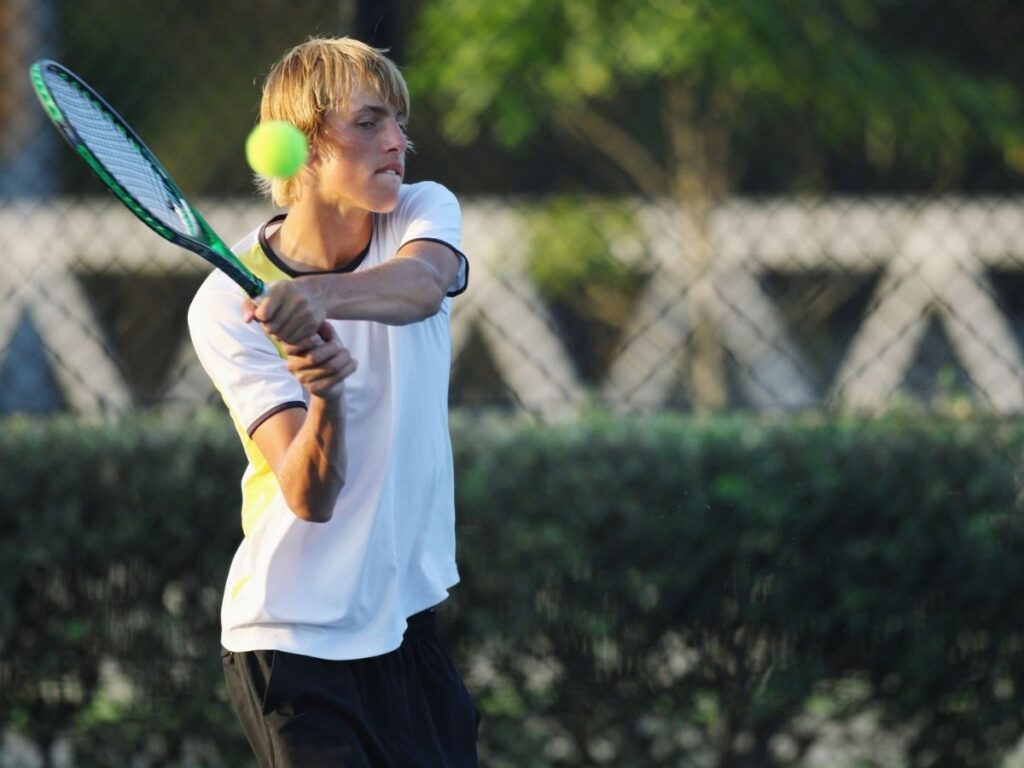
Mastering Baseline Tempo: Iga Swiatek’s Strategic Offensive Play Indoors
Iga Swiatek’s baseline tempo control is a masterclass in offensive strategy indoors. Unlike outdoor courts where wind and sun can alter shot pace, indoor environments lend a consistent rhythm that Swiatek manipulates expertly to unsettle opponents. Controlling baseline tempo means dictating the exchange’s pace from the first stroke, enabling early strikes that put pressure on adversaries and reduce their reaction time.
Swiatek has developed an intuitive feel for when to accelerate rallies with powerful first-strike shots and when to slow down tempo to reset positioning and provoke errors. This elasticity in tempo usage is what defines her indoor tactical play, allowing her to seize command and turn defensive sequences into offensive opportunities swiftly.
Key components of her baseline tempo management include:
- Early aggression: Utilizing powerful, well-timed groundstrokes to seize the initiative at the rally’s onset.
- Controlled variation: Incorporating changes in shot speed to disrupt rhythm and force opponents out of their comfort zones.
- Calculated shot selection: Opting for depth and placement, mixing flat drives with topspin-heavy balls to keep opponents guessing.
- Rhythmic continuity: Maintaining a steady, predictable pattern in preparation for strategic bursts of acceleration.
These elements are backed by scientific training approaches employed by Swiatek and her team, focusing on reaction speed and power drills that enhance her ability to modulate tempo within points. For those interested in developing similar skills indoors, resources like indoor training speed power provide essential drill descriptions.
To visualize how Swiatek implements tempo shifts during a point, here is a breakdown of a typical tactical sequence on indoor baseline rallies:
| Phase | Player Action | Expected Opponent Reaction | Advantages Gained |
|---|---|---|---|
| Initial Shot | Aggressive flat forehand or backhand attack | Forced defensive retreat or weak reply | Early control of court space |
| Tempo Slowdown | Shorter, heavier topspin shots | Push opponent out of rhythm | Creates opportunities for approaching shots |
| Acceleration Ramp-up | Powerful drive or drop shot | Opponent struggles to adjust footwork | Winning points with precision placement |
| Recovery Reset | Moving to optimal court position | Opponent hesitant to attack | Maintains pressure and readiness |
Swiatek’s impeccable timing in adjusting baseline tempo also often involves psychological warfare. By varying pace unpredictably, she frustrates opponents, leading them to take unnecessary risks and make errors. This manipulation of tempo indoors aligns with insights shared on tactical baseline pressure strategies, providing invaluable context on in-match adaptability (tennisguide.net/strategic-play-baseline-pressure).
Training Regimen: Drills and Techniques Behind the First-Strike Mastery
Behind Swiatek’s on-court prowess lies a relentless training philosophy geared towards refining every facet of her first-strike game. Integral to this regimen are drills specifically designed to condition footwork rhythms and baseline tempo adaptability, focusing on explosive speed, endurance, and tactical precision.
Her workouts blend traditional tennis drills with innovative fitness and agility methods drawn from broader sports science. These include ladder drills to sharpen quick-step footwork, cone drills to enhance lateral boundedness, and reaction partner exercises that hone split-second decision-making. This comprehensive approach ensures Swiatek can reproduce match conditions repeatedly in practice, maintaining elite readiness.
Featured drills in her routine include:
- Ladder agility training: Develops rapid adjustment and balance through focused foot-placement exercises crucial for indoor court demands.
- Split-step timing drills: Enhances anticipatory movement, sharpening reaction times required for aggressive first-strike plays (split-step-timing-drills).
- Power generation exercises: Plyometrics and weighted resistance workouts build explosive leg strength underpinning aggressive pushes towards the ball.
- Baseline rally simulations: Practicing tempo control and shot selection in realistic point conditions to mimic indoor match situations.
Training also encapsulates meticulous equipment choices that influence performance. For instance, Swiatek’s preference for Babolat racquets provides a blend of power and control, essential for her first-strike baseline game. Footwear brands like Adidas and Yonex are chosen for their grip and stability, critical on fast indoor courts where footwork cannot falter.
The following table summarizes key elements of her training and their corresponding match benefits:
| Training Component | Focus Area | Performance Outcome | Equipment Used |
|---|---|---|---|
| Ladder Agility Drills | Footwork rhythm, balance | Improved positioning speed | Asics shoes, Nike apparel |
| Split-Step Timing | Reaction speed | Early anticipation and readiness | Lotto shoes, Wilson racquets |
| Power Exercises | Leg strength, explosive motion | Stronger push-offs and shot velocity | Adidas training gear, Fila accessories |
| Rally Simulation | Tempo control, shot consistency | Tactical flexibility indoors | Babolat racquets, Tecnifibre strings |
Equipment Synergies Supporting Swiatek’s Indoor Play
Elite tennis performance hinges not only on athletic ability but also on equipment choices that complement a player’s game style. Iga Swiatek’s indoor first-strike approach benefits from synergistic gear optimized for speed, grip, precision, and shot control. This bespoke equipment synergy allows her to capitalize on split-second opportunities and maintain fluid footwork rhythms.
Her racquet of choice, often a Babolat model finely tuned for indoor stroke execution, offers a combination of lightness and power, allowing her to strike aggressively without sacrificing control. The strings, frequently from Tecnifibre, provide enhanced spin potential and durability, crucial for maintaining consistent top-spin groundstrokes indoors.
Footwear is equally essential. Brands like Nike and Asics, known for their blend of support, cushioning, and aggressive traction, equip Swiatek to execute rapid start-stop movements and sharp directional changes on indoor surfaces. Meanwhile, Adidas and Lotto contribute training wear and accessories that support endurance and comfort during grueling indoor sessions.
Complementary equipment choices extend to tennis balls optimized for indoor play and apparel tailored for indoor climate control, ensuring peak physiological comfort and focus. The chart below encapsulates Swiatek’s key equipment integrations.
| Equipment Type | Brand Preference | Functionality | Benefit to First-Strike Play |
|---|---|---|---|
| Racquet | Babolat | Power and spin control | Enables aggressive baseline shots |
| Strings | Tecnifibre | Spin enhancement and durability | Consistent topspin execution |
| Footwear | Nike, Asics, Adidas, Lotto | Traction, support, quick movement | Optimizes footwork rhythms on fast courts |
| Training Gear | Fila, Adidas | Comfort, moisture wicking | Sustains endurance and agility in sessions |
| Apparel | Fila, Nike | Temperature regulation indoors | Enhances mental and physical performance |
These equipment synergies empower Swiatek to maintain a commanding first-strike game indoors, blending speed, power, and finesse seamlessly on courts equipped for lightning-quick exchanges.
Mental Acuity and Tactical Intelligence in Indoor First-Strike Tennis
Footwork precision and baseline tempo mastery form the physical backbone of Swiatek’s indoor play, but her mental acuity elevates these techniques into a decisive competitive edge. Playing indoors demands quick tactical recalibrations and the psychological resilience to control tempo amidst constant momentum swings.
Swiatek’s mental approach hinges on the ability to read opponents’ likely responses to her first-strike assaults, adjusting her rhythm and shot selection on the fly. This psychological chess adds layers of complexity to her footwork rhythms, pacing, and shot aggression. By maintaining rhythmic footwork, she conserves energy while remaining alert for critical openings.
Crucial mental-tactical elements include:
- Anticipatory focus: Predicting and pre-empting opponent shot patterns through visual and spatial cues.
- Emotional composure: Staying calm amid high-tempo exchanges, enabling precision in footwork and stroke execution.
- Adaptive tempo modulation: Flexible adjustment of baseline rhythm to exploit opponent weaknesses.
- Strategic patience: Balancing aggression with smart shot construction to extend rallies favorably.
These mental skills complement her physical training and equipment choices, creating a comprehensive framework that allows Swiatek to thrive indoors. Her psychological resilience is evident in many WTA Finals campaigns and indoor tournaments, where pressure and fast gameplay test nerves and stamina (tennisguide.net/swiatek-favourite-wta-finals).
Integrating mental strength and tactical intelligence with rhythmic footwork and baseline tempo awareness produces a holistic first-strike performance model. This model sets a benchmark for aspiring players and provides fascinating insights for tennis aficionados interested in elite indoor competition nuances.
| Mental-Tactical Element | Role in First-Strike Game | Indoor Advantage | Training Methods |
|---|---|---|---|
| Anticipatory Focus | Improves reaction timing | Gives a split-second edge in fast rallies | Mental visualization and match simulation drills |
| Emotional Composure | Maintains shot accuracy under pressure | Mitigates rush errors on fast surfaces | Mindfulness and breathing exercises |
| Adaptive Tempo Modulation | Controls rally pace strategically | Disorients opponents with rhythm changes | Video analysis and tactical coaching |
| Strategic Patience | Extends rallies favorably | Creates more first-strike opportunities | Scenario-based point construction practice |