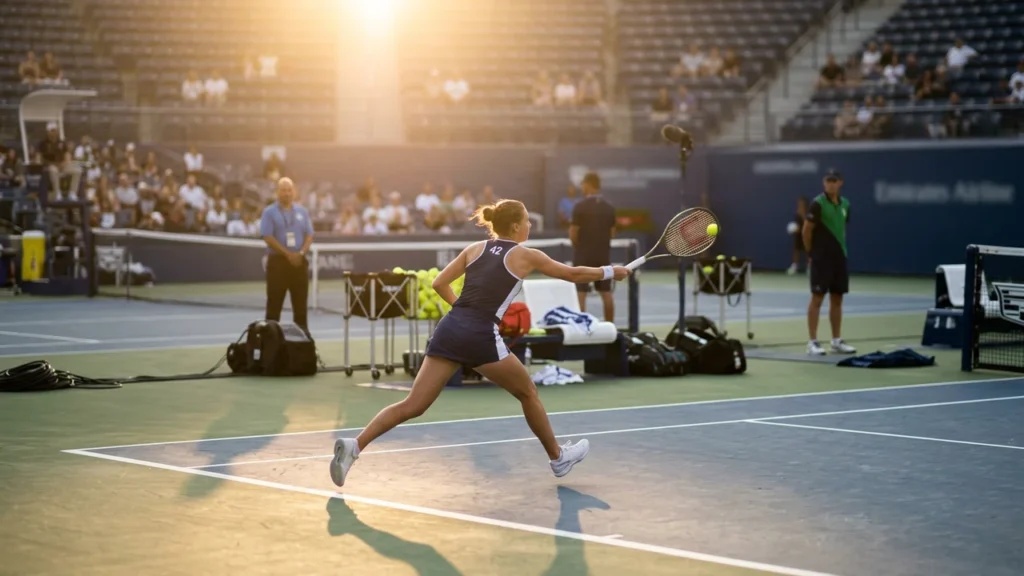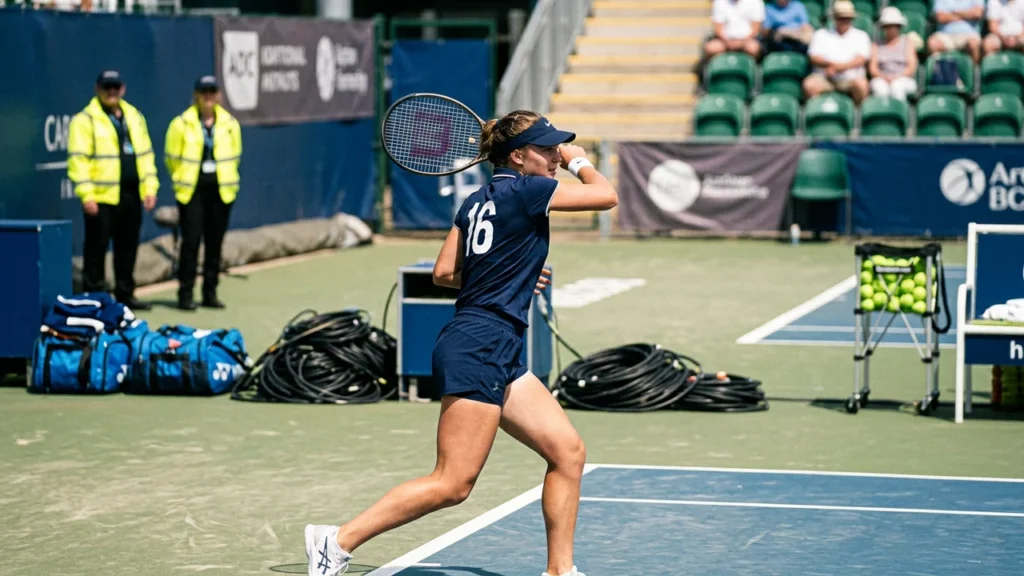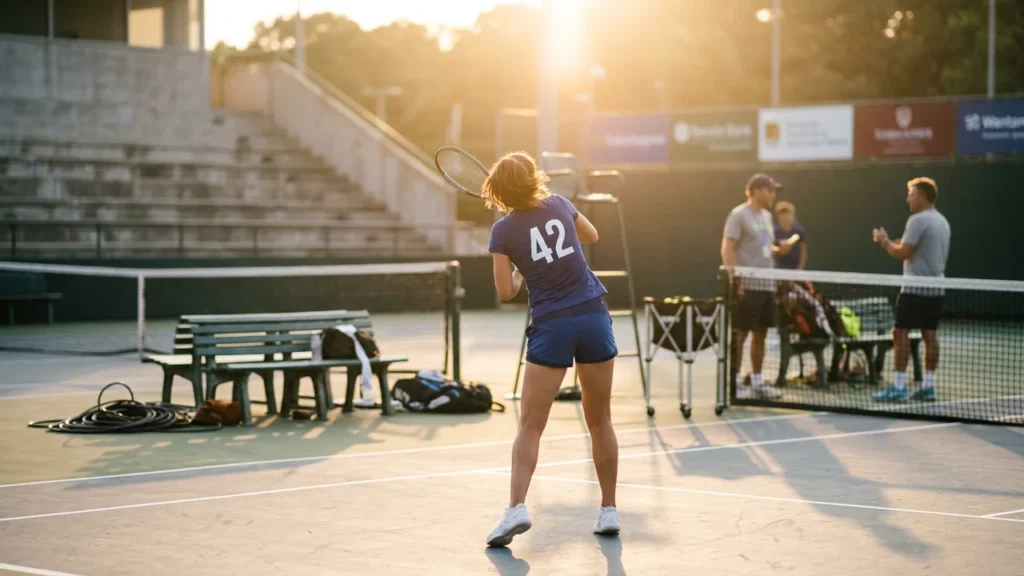
As the tennis world turns its eyes to Vienna in 2025, the tournament promises to deliver high-stakes drama reminiscent of the most electrifying moments on the ATP Tour. Beyond the polished courts and powerful serves lies a battlefield where seeds and rankings offer a hint but never a certainty. Who will break the mold, defy the odds, and etch their name in tennis history with a remarkable upset? Grappling with this question requires navigating trends, player dynamics, equipment evolutions from Wilson, Head, Yonex, and Lotto, and the intoxicating surge of sponsors like Emirates, Rolex, and Red Bull powering the event’s prestige. Betting platforms such as Bet365 add another layer of excitement, making the Vienna Open an exhilarating spectacle for fans and bettors alike.
Here’s a snapshot of what’s at stake in Vienna 2025: top-tier athletes face off under the bright lights, chasing glory on indoor hard courts while strategizing against rapidly shifting odds. Seedings provide frameworks, but upsets beckon with their allure. This is the essence of tennis—meticulous precision, coupled with raw emotion, where one swing can topple giants and one rally can shift momentum. This article breaks down the tournament’s seed landscape, picks potential upset victors, and explores underlying factors that could sway outcomes in a sport where every point counts.
Key takeaways:
- Seed analysis: Understanding who’s favored and the vulnerabilities hidden beneath the ranks.
- Upset candidates: Profiling players with the skill and momentum to challenge the status quo.
- Equipment impact: How advancements and sponsorships shape player performance.
- Betting insights: Leveraging odds from platforms like Bet365 to inform strategic predictions.
- Historical context: Aligning trends from past ATP and WTA tournaments to forecast Vienna’s surprises.
Seed Dynamics in Vienna 2025: Forecasting the Battlefield
The seedings at Vienna for 2025 paint a rich tapestry of expectations. Seeds are more than just rankings; they represent momentum, form, and strategic positioning honed over the ATP Tour season. Seed #1 might carry the burden of expectation but also receive strategic advantages such as protective early draws. Yet, history shows that high seeds often succumb to the unyielding pressure and adaptiveness of lower-ranked adversaries hungry to prove a point.
Breaking down seed implications:
- Top seeds’ pressure: The highest ranked players often display consistency, yet finals pressure amplifies scrutiny and stress.
- Mid-seed opportunities: Players ranked between 4-8 often fly under the radar, leveraging this to disrupt favorites.
- Lower-seeded wildcards: With nothing to lose, these players can unleash aggressive styles and capitalise on the opponents’ hesitations.
For example, historical analysis from the ATP Tour indicates that seeds ranked 5-8 frequently cause the biggest upsets, combining hunger with tactical savvy. Equipping themselves with gear from Wilson and Head gives them the technical edge to execute power shots and precise volleys. Coupled with physical endurance fueled by partnerships with Red Bull and Emirates, these seeds are positioned for breakout performances.
In 2025, the subtleties of seed pressure interplay with physical conditioning are further enhanced by innovations in Yonex’s racket string technology and Lotto’s apparel, allowing players to optimize their court coverage and shot selections. Ultimately, seedings set the stage, but detailed insights into player development and equipment signal real potential for disruption.
Factors influencing seed performance: experience, momentum, and match-ups
Season-long momentum often provides mid-tier seeds with surprising confidence. Momentum, derived from a series of wins or strong finishes on the ATP or WTA circuit, can counterbalance ranking disparities. Moreover, player match-ups based on style—the aggressive baseline player versus the serve-and-volley tactician—can completely flip expected outcomes. For instance, a lower seed skilled in defensive endurance could control the tempo against a higher seed typically dominated by quick aggressive play.
Also, Vienna’s indoor hardcourt means faster ball speeds and less environmental impact such as wind. This favors players with strong serve units and explosive groundstrokes. Seeded players familiar with this environment, and who expertly utilize Wilson’s advanced grip technology or Head’s precision control, stand at a considerable advantage.
- Experience under pressure: Veteran players with several ATP Tour titles have a psychological edge in clutch moments.
- Style match-ups: Playing styles that neutralize opponents’ strengths frequently catalyze upsets.
- Physical conditioning: Endurance influenced by nutritional strategies from sponsors like Red Bull affects late-match performance.
Thus, while seeds provide a structural baseline, the nuanced dynamics of momentum, court conditions, and equipment will shape who truly shines in Vienna.
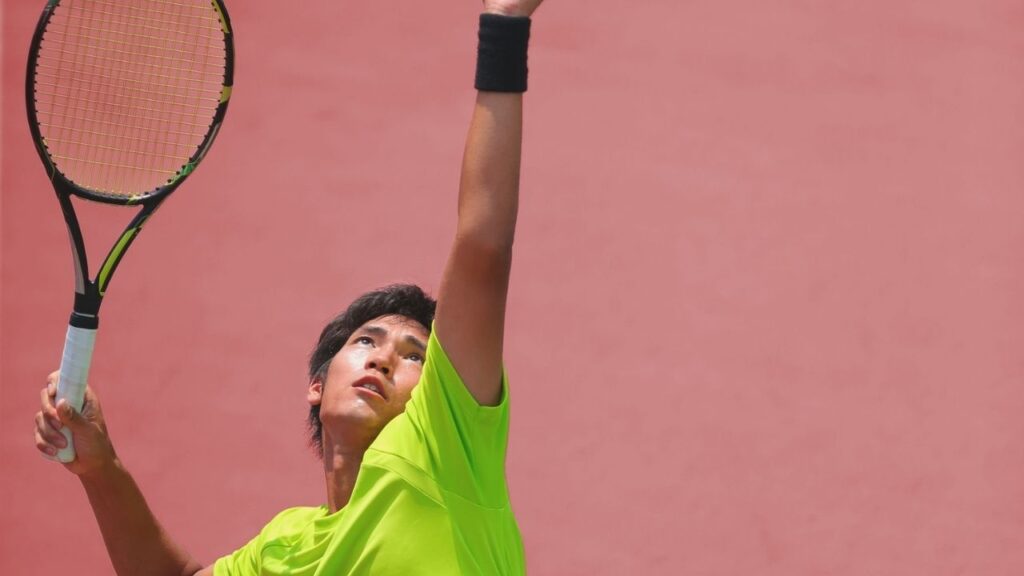
Predicted Upsets: Players Poised to Shake Vienna’s Status Quo
Upsets fuel tennis’s narrative energy. They represent the underdog’s triumph and the sport’s unpredictability, captivating fans and reshaping tournaments. In Vienna 2025, a specific cohort of players is primed to challenge seeded favorites and potentially rewrite the draw.
Key qualities of upset contenders:
- Unpredictable shot-making: Players wielding a variety of spins and angles unsettle opponents accustomed to routine ball trajectories.
- Strong mental resilience: Those with a history of overcoming big-match nerves bring crucial psychological tenacity.
- Adaptability to court speed: Athletes who adjust serve and return speeds to the indoor hardcourt’s characteristics thrive.
One example from current trends includes rising stars equipped with the latest Yonex rackets offering enhanced swing control and response. These players combine new-age athleticism and technical refinement to challenge the established guard. Their diets and recovery protocols, partly influenced by Red Bull sponsorship, contribute to sustaining high energy throughout grueling matches.
Moreover, outside of mere player skill, tactical preparation based on data-driven scouting—facilitated by teams leveraging technological analysis tools tied to ATP Tour standards—gives upsets a technological edge. In addition, savvy players often favor specialized Wilson or Lotto overgrips and bags to ensure consistent racket handling and stamina during successive bouts.
The impact of sponsorships like Rolex and Emirates also manifests beyond just financial backing; they often provide access to unparalleled training facilities and global experience, crucial when navigating the pressure cooker of Vienna’s high-stakes environment.
- Example picks:
- Emerging baseline counterpuncher with sharp angles.
- Veteran with deep experience in ATP events who counters youthful aggression.
- Fast serve specialist exploiting the quick indoor courts.
- Emerging baseline counterpuncher with sharp angles.
- Veteran with deep experience in ATP events who counters youthful aggression.
- Fast serve specialist exploiting the quick indoor courts.
When Technology Meets Talent: Equipment Shaping Upset Potential
The fine line between victory and defeat often hinges on equipment. In 2025, this link is stronger than ever. Players equipped with the latest offerings from Wilson and Head enjoy superior traction, responsive rackets, and enhanced grip durability. The precise weaving of Yonex strings or the design of Lotto apparel allow competitors to maintain optimal comfort and execute shots with finesse.
Some players have personalized their rackets with specific Wilson or Head overgrips to adapt their touch and reduce wrist strain during extended rallies. The tactical use of these innovations often reflects in tight matches where physical and technical details decide final points.
Furthermore, accessory brands invest heavily in players’ stamina and focus. Red Bull’s infusion of energy supplements during matches, the luxury and precision timing sponsored by Rolex, and the logistical excellence provided by Emirates ensure players are at their peak—physically and mentally.
- The impact of equipment on play:
- Enhanced racket technology for sharper shot control.
- Apparel design for improved movement and temperature regulation.
- Nutrition and energy supplements improving endurance.
Consequently, predicting upsets without factoring equipment and sponsorship influences would ignore a critical dimension of competitive tennis in 2025. These elements together create conditions ripe for surprises at Vienna.
Betting and Odds: Insights for Vienna 2025 Upset Ventures
Betting platforms like Bet365 have revolutionized how the tennis community engages with tournaments. Betting odds synthesize expert analytics, fan sentiment, and live match dynamics into a rapidly evolving probability map. Understanding these odds allows enthusiasts to identify not only favorites but value-driven underdogs with real upset potential.
Core betting facets in Vienna 2025 include:
- Odds movement: Fluctuations often reflect injury news, weather conditions, or players’ mental states.
- Historical performance analysis: This includes head-to-head stats and previous indoor hardcourt outcomes.
- Public betting trends: Intense betting on favorites can inflate odds, exposing underdogs as winning opportunities.
For instance, analyzing the progress of previous ATP events reveals that mid-tier seeds with steady indoor performances often carry underestimated odds. Platforms provide in-depth insights combining player stats with sponsor-backed analytics technologies that incorporate data from tennis-specific equipment patterns recorded during matches. This creates a feedback loop making bettors more informed about players’ likely performance on Vienna’s surfaces.
Notably, championship contenders who rely heavily on Wilson or Head rackets and maintain routines with brands like Red Bull often display steadier odds in prolonged matches, reinforcing their consistency and endurance. Meanwhile, unexpected injuries or shifts in form can dramatically change the landscape, prompting sharp bettors to reassess their positions.
- Strategies for bettors:
- Focus on players whose momentum and seedings may not reflect their current form.
- Monitor sponsorship updates that might indicate equipment or trainer changes influencing performance.
- Assess odds fluctuations for timely value bets on underdogs.
- Focus on players whose momentum and seedings may not reflect their current form.
- Monitor sponsorship updates that might indicate equipment or trainer changes influencing performance.
- Assess odds fluctuations for timely value bets on underdogs.
A nuanced approach blending seed analysis, equipment knowledge, and betting insights elevates prediction accuracy for this year’s Vienna Open, offering rewarding possibilities for tennis aficionados.
Historical Seed Analysis: Lessons from Past Tournaments Fuel 2025 Predictions
Seed history in tennis is a storybook filled with drama—unexpected falls and defiant triumphs that resonate deeply in the sport’s lore. Insights from the ATP Tour and WTA events reveal that while seeds provide predictive power, they can never fully account for the complexity of competition. In Vienna 2025, this interplay is even more evident as players adapt and evolve.
Recent trends worth noting:
- Mid-range seeds outperforming expectations: Seeds ranked 5-12 have historically produced some of the most startling upsets, often due to a combination of tactical maturity and physical peak.
- Lower-seed breakthrough runs: Periodically, players seeded below 15 inject unpredictability by leveraging unique play styles tuned to surface conditions.
- Top seed vulnerabilities: The #1 seed’s burden to consistently justify favoritism leads to pressure-induced errors and opens the door to inspired challengers.
Past Vienna Opens have provided lessons, showing that indoor hard conditions sometimes favor players who rely less on sheer power and more on placement and endurance. Supported by sponsors like Emirates and Rolex, the tournament environment encapsulates prestige alongside high competitive stakes.
Technical improvements in tennis gear steadily reduce mechanical disadvantages. Comparing players equipped with older Wilson or Head rackets to those utilizing newer Yonex technology reveals marginal yet critical performance gains, especially relevant during tight rallies and extended matches characteristic of indoor tournaments.
- Practical takeaways:
- Favor mid-seeds with recent streaks or strong strategic play on indoor courts.
- Watch for players supported by elite equipment brands to maximize tech advantages.
- Consider psychological stamina as a variable exacerbated under spotlight pressure.
- Favor mid-seeds with recent streaks or strong strategic play on indoor courts.
- Watch for players supported by elite equipment brands to maximize tech advantages.
- Consider psychological stamina as a variable exacerbated under spotlight pressure.
In essence, history teaches that Vienna’s 2025 seed analysis is a living narrative, continually rewritten by players, equipment, and unforeseen triumphs.
For those interested in deepening their knowledge on the best tennis equipment lineup ahead of Vienna, comprehensive reviews and expert advice can be found at TennisGuide.net. Additionally, selecting the perfect gear such as overgrips and bags plays a crucial role in player performance and comfort; detailed guides are available at TennisGuide.net’s equipment section.