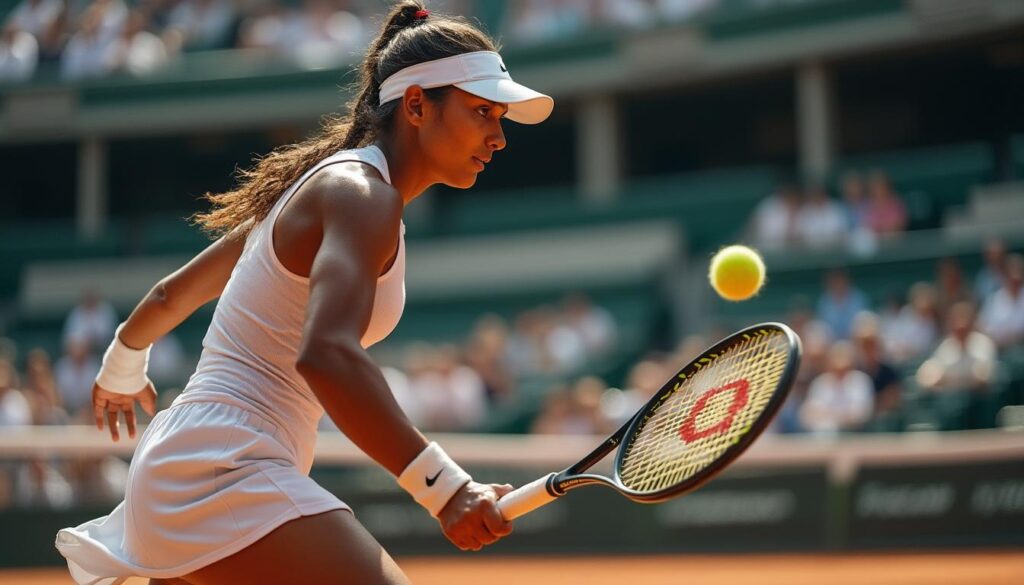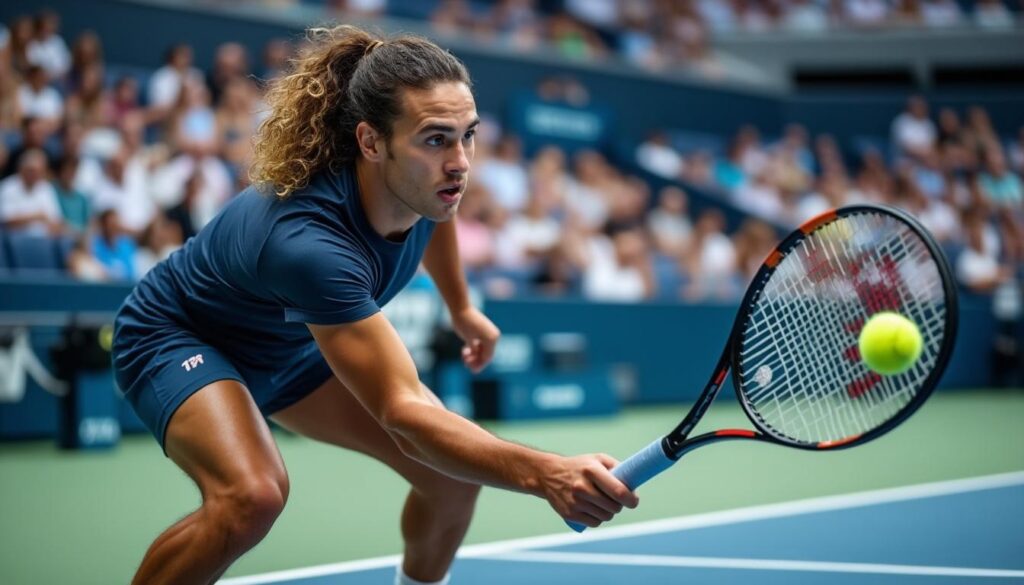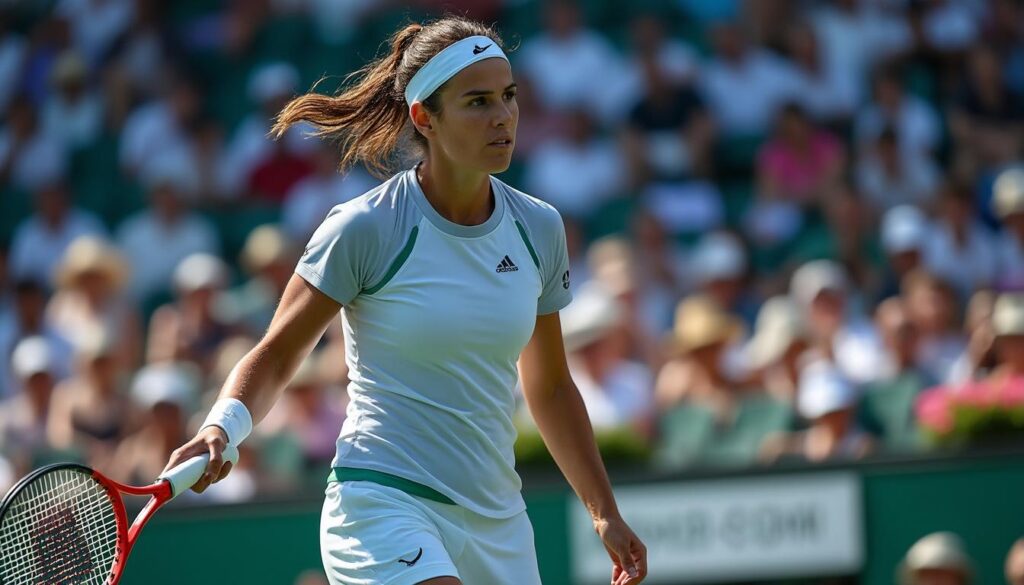
As the hard-court season reaches its zenith in late October, players face a unique fitness challenge that demands meticulous adaptation. The transition from summer’s clay and grass tournaments to the brisk, fast-paced hard courts calls for tailored physical preparation. Athletes must recalibrate their training to endure swift surfaces that favor explosive movement and heightened endurance. The stakes intensify in this period, as contenders aim to peak precisely, balancing sustained match readiness with injury prevention amid a congested calendar. This overview explores the intricate fitness strategies players employ to optimize performance during these high-octane fall events, where precision, power, and stamina converge on unforgiving asphalt courts under varying climatic conditions.
Several factors contribute to the heightened focus on fitness adaptations at this late-season juncture. Hard courts, known for their rapid pace and unforgiving impact, amplify the physical demands of play. Players transitioning from softer courts confront increased joint stress, necessitating conditioning programs emphasizing strength, agility, and recovery. Additionally, the pressure of accumulating ranking points to close out the year adds mental and physical strain. Hence, athletes integrate high-intensity interval training and targeted muscular fortification, ensuring they remain resilient against both fatigue and injury risks. A synergy of cutting-edge training tools and traditional regimes underscores the modern athlete’s approach to conquering these crucial tournaments, with brands like Nike, Adidas, and Wilson providing innovative gear that supports performance and recovery.
Amid swirling controversies such as court speed debates—fuelled recently by voices like Alexander Zverev criticizing the gradual slowing of hard courts—players’ fitness adaptations have become even more critical. Precision in timing, footwork, and shot execution hinges on physical conditioning that matches evolving surface characteristics. Meanwhile, innovations in sports science, including advanced data tracking and bespoke training apps, empower athletes with tailor-made conditioning blueprints that refine speed, endurance, and power. This dynamic interplay between surface, equipment, and fitness preparing competitors for the late October battles illustrates tennis as both a science and an art, captivating enthusiasts and beginners alike.
Enthusiasts eager to delve deeper into these topics can explore resources such as intensive HIIT regimes designed for late-season vitality or stay updated with previews of upcoming tournaments like the Edmond Open 2025 to understand competitive landscapes. The following sections break down the physiological demands, training methodologies, recovery strategies, and the role of nutritional support shaping match-ready fitness for the fierce hard-court contests of late October.
- Customized High-Intensity Training to develop explosive speed and anaerobic capacity.
- Strength and Conditioning focused on joint resilience and muscular endurance for hard surfaces.
- Recovery Techniques integrating modern methods to counterbalance match fatigue.
- Adaptive Nutrition strategies fueling optimal energy and recovery cycles.
- Technology Integration in monitoring and personalizing physical workloads.
Essential Physiological Demands for Hard-Court Excellence in Late-October Tournaments
The late October hard-court events demand a unique physiological profile that distinguishes match winners. These tournaments challenge players to combine aerobic endurance with explosive anaerobic bursts, dictated by the fast nature of the surface and the tactical intensity inherent to this period in the season.
Players typically cover extensive distances per match—averaging 12 kilometers—with up to 700 high-intensity accelerations, decelerations, and directional changes, underscoring the importance of neuromuscular adaptability. Hard courts amplify impact forces; hence, lower limb strength and joint stability become paramount to withstand repeated stress. A considerable proportion of efforts occur at or near maximal heart rate, reflecting the blend of aerobic and anaerobic exertion required.
Key physiological challenges include:
- Increased mechanical load: The harder surface produces greater eccentric muscle loading, requiring players to engage targeted strength training to bolster tendons and connective tissues.
- Rapid recovery demand: Circuits of high-intensity rallies demand efficient phosphocreatine replenishment and lactate clearance to sustain performance throughout prolonged contests.
- Precision under fatigue: Neuromuscular fatigue impacts upper body coordination and shot control; thus, endurance of fine motor skills is critical.
- Thermoregulation: Atmospheric variations in autumn necessitate adaptation to cooler or sometimes humid conditions impacting muscle elasticity and oxygen kinetics.
Structuring training around these demands entails integrating drills aimed at optimizing cardiovascular output while conditioning protein synthesis pathways to aid muscular repair. An athlete might, for instance, incorporate prolonged shuttle runs for endurance with plyometric circuits emphasizing eccentric muscle loading, mimicking the rigors of hard-court movement patterns.
The table below outlines the physiological parameters critical for peak hard-court performance during this demanding phase:
| Physiological Aspect | Requirement | Training Focus | Performance Impact |
|---|---|---|---|
| Aerobic Capacity (VO2 max) | High (>60 mL·kg⁻¹·min⁻¹) | Interval aerobic drills, long-distance runs | Improved recovery between high-intensity bouts |
| Anaerobic Power | Explosive sprints & accelerations | High-intensity interval training (HIIT) & sprint drills | Effective court coverage & offensive opportunities |
| Muscle Endurance | Resistance to fatigue | Strength & plyometric training | Sustain performance under prolonged stress |
| Neuromuscular Coordination | High precision in shots & footwork | Sport-specific agility drills & reaction training | Reduced error rate under fatigue |
| Joint Stability | Injury prevention | Targeted strength & proprioceptive exercises | Long-term athlete durability |
Training regimens from marquee sports brands such as Asics and New Balance factor in these physiological requirements, tailoring footwear and apparel designed to support enhanced joint and muscle function. Meanwhile, the integration of technologies from Head and Babolat, including data-driven racquet performance analytics, provides athletes with granular feedback, allowing coaches to fine-tune conditioning to these physiological insights.
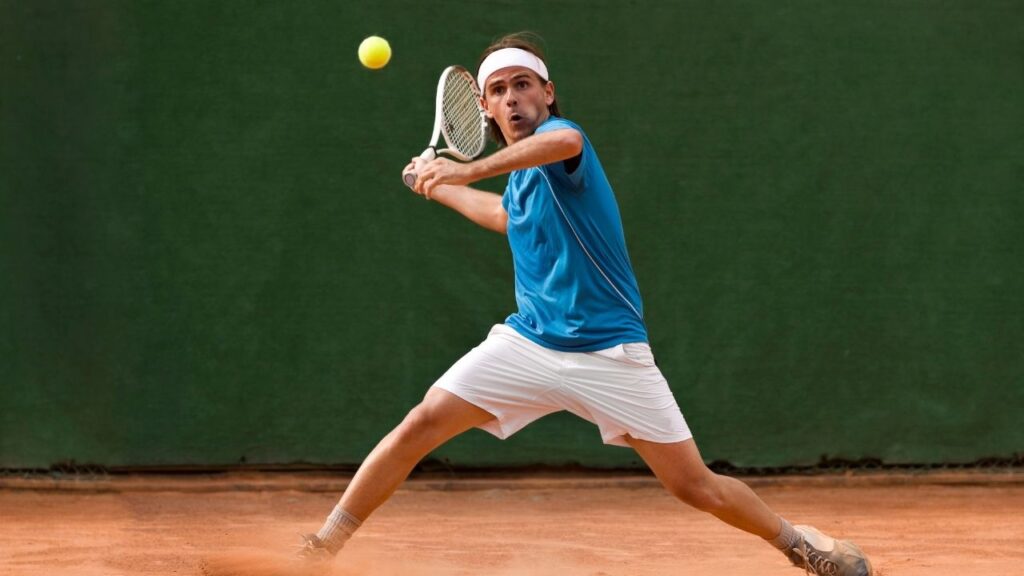
Strategic Training Adaptations for Late-Season Hard-Court Competitions
Late-season hard-court events call for recalibrated training approaches to navigate an intense match schedule while mitigating injury risk. Players can no longer rely solely on the conditioning accumulated through the summer but must adopt nuanced adaptations that enhance specific aspects of their fitness for this critical phase.
Key strategic training adjustments include:
- Emphasizing High-Intensity Interval Training (HIIT): Incorporating HIIT sessions once or twice weekly targets anaerobic systems essential for the sharp bursts of speed typical in hard-court rallies. This includes sprint interval training resembling explosive court sprints, replicating match scenarios and allowing improvements in the ability to sustain repeated high-speed actions.
- Enhanced Strength and Power Workouts: The hard court’s unforgiving surface requires athletes to reinforce musculoskeletal integrity. This manifests in plyometrics, resistance training, and eccentric control exercises focusing on the lower limbs to absorb and rebound from high-impact moves, essential for preventing injuries like tendinopathies.
- Incorporation of Sport-Specific Agility Drills: These drills hone reaction time and directional changes, vital for shot selection and court positioning on faster surfaces. Training protocols by Under Armour and Yonex often include agility ladders, cone drills, and multidirectional sprints to sharpen these neuromuscular pathways.
- Recovery Optimization: Late-season schedules involve quick turnarounds. Techniques such as contrast water therapy, compression garments, and monitored sleep protocols mitigate fatigue. Brands like Lacoste provide modular recovery apparel blending comfort with muscle support, aiding this process.
- Load Monitoring and Periodization: Employing wearable tech to track physiological stress enables dynamic periodization. Training can be adjusted to optimize performance peaks around key tournaments, balancing volume and intensity.
At this stage, the tennis season’s tight calendar means physical preparation must mirror the vigilant load management seen in other sports. For instance, professional soccer players progressively taper workloads entering critical fixtures, balancing intensity and recovery; tennis players adopt similar cyclical adaptations to peak match readiness for late October.
| Training Component | Purpose | Frequency | Expected Outcome |
|---|---|---|---|
| High-Intensity Interval Training (HIIT) | Boost anaerobic capacity and speed | 1-2 times per week | Improved repeated sprint ability and fatigue resistance |
| Strength & Plyometric Training | Build muscle endurance and joint stability | 2-3 times per week | Injury prevention and explosive movement |
| Agility Drills | Enhance neuromuscular coordination | 3-4 times per week | Sharper court movement and shot execution |
| Recovery Protocols | Accelerate muscle repair and reduce fatigue | Daily (post-training/match) | Maintained optimal performance levels |
| Load Monitoring & Adjustment | Manage training stress | Continuous | Avoid overtraining and injury |
Players often augment their routines with specific weekend warrior workouts to maintain intensity without sacrificing recovery. These sessions are designed to integrate full-body activation with an emphasis on endurance and power, ensuring that athletes remain primed without unnecessary strain.

Recovery & Injury Prevention Techniques for Sustained Late-October Performance
In a season’s final stretch marked by relentless tournament play, efficient recovery and injury prevention are as vital as rigorous training. Hard-court players experience increased musculoskeletal stress demanding sophisticated recovery protocols integrated seamlessly into athletic regimens.
Recovery and injury prevention strategies encompass:
- Periodized Rest and Active Recovery: Balancing days off with low-intensity, mobility-focused sessions to aid muscle repair and reduce the risk of overuse injuries.
- Advanced Modalities: Cryotherapy, percussive massage, and hydrotherapy sessions are regularly scheduled post-match to accelerate inflammation reduction and tissue healing.
- Nutrition for Recovery: The role of anti-inflammatory nutrients and optimized macronutrient timing supports cellular regeneration and mitigates fatigue.
- Monitoring Muscular Fatigue: Using wearable sensors that assess neuromuscular function and biochemical markers helps tailor rest days effectively, preventing burnout.
- Education and Mental Health: Psychological resilience training combined with physical therapy ensures holistic athlete wellbeing, crucial for late-season success.
Incorporating these components aligns well with research emphasizing the importance of balanced training loads. For example, tailored recovery protocols aimed at the demands of hard-court play reduce common injuries such as plantar fasciitis and patellar tendinopathy, frequently reported during late-season competition.
A detailed outline of recovery methods and their impact on athlete health is presented below:
| Recovery Method | Objective | Frequency | Benefits |
|---|---|---|---|
| Cryotherapy | Reduce inflammation and muscle soreness | Post-match or training | Enhanced muscle repair and reduced downtime |
| Compression Therapy | Improve blood flow and reduce swelling | Daily (especially post-activity) | Faster recovery and diminished fatigue |
| Active Recovery (Swimming, Cycling) | Promote circulation without impact stress | 2-3 times weekly | Maintains fitness and prevents stiffness |
| Nutrition Optimization | Support muscle repair and energy replenishment | Every meal around training | Accelerated recovery and sustained energy levels |
| Neuromuscular Monitoring | Prevent overtraining by detecting fatigue signs | Continuous | Injury prevention and workload management |
Leading players and coaches often endorse the integration of recovery wear from top brands like Nike and Adidas, designed to maximize compression benefits while maintaining mobility. Concurrently, technology-driven recovery platforms sync data from devices such as Wilson and Head sensors to optimize individualized plans, enhancing sustainability amid rigorous competition.
Optimized Nutritional Strategies to Fuel Match Readiness in Hard-Court Events
Nutrition provides the foundation on which physical training and recovery rest, particularly when gearing up for the crucial late-October hard-court season. The caloric and nutrient demands escalate significantly to support repeated matches, high-intensity training, and expedited recovery.
Elite competitors focus on several nutritional imperatives to maintain energy balance, muscle repair, and hydration:
- Carbohydrate Timing: Prioritizing complex carbohydrates pre-training and competition fuels glycogen stores essential for sustained high-level play.
- Protein Intake: Strategically placed protein supplementation supports muscle synthesis and repair during heavy training blocks.
- Hydration Management: Late-season events in variable climates require precise fluid and electrolyte replacement strategies to prevent cramps and maintain neural function.
- Anti-Inflammatory Nutrients: Incorporating omega-3 fatty acids, antioxidants, and polyphenols bolsters recovery and attenuates oxidative stress.
- Supplementation: Creatine and beta-alanine, cautiously administered, enhance anaerobic capacity and muscle endurance essential for hard-court dynamics.
Players often collaborate with nutritionists to develop personalized meal plans, ensuring every match day is sustained by optimal fuel. For instance, a pre-match meal might balance easily digestible starches with moderate protein and fats, tailored for the athlete’s metabolic profile and match schedule. Such planning parallels the refined strategies emerging in tennis fitness training reviewed in leading sports science literature.
The table below summarizes key nutritional components critical for peak tournament readiness:
| Nutrient | Function | Source Examples | Timing |
|---|---|---|---|
| Carbohydrates | Primary energy source | Whole grains, fruits, vegetables | Pre- and post-training/match |
| Protein | Muscle repair and synthesis | Lean meats, dairy, legumes | Throughout the day, especially post-exercise |
| Fats | Long-term energy and inflammation control | Avocados, nuts, olive oil | Consistent daily intake |
| Electrolytes | Maintain neural and muscle function | Sports drinks, bananas, coconut water | During and after matches |
| Antioxidants & Omega-3s | Combat oxidative stress and inflammation | Fish oils, berries, green tea | Daily consumption |
Nutrition brands often collaborate with performance gear producers such as Under Armour and Lacoste to provide holistic approaches that combine dietary guidance with apparel designed to enhance thermoregulation and muscle function during play.
Tennis Technology & Equipment Innovations Supporting Late-Season Match Fitness
The late October hard-court grind demands support from cutting-edge technology not only in training but also in equipment to enhance player endurance and execution. Innovations from industry leaders such as Wilson, Head, and Babolat have revolutionized the way players approach fitness on the court.
Key innovations include:
- Smart Rackets and Sensors: Embedded sensors measure swing metrics, shot speed, and racket orientation, allowing coaches to assess technical efficiency and adjust training programs accordingly.
- Advanced Footwear: Sneakers from Nike and Adidas optimized for cushioning and court grip mitigate impact stress and improve movement efficiency on hard courts.
- Compression Apparel: Apparel equipped with graduated compression from brands like Under Armour enhances blood flow, reduces muscle oscillation, and accelerates recovery.
- Performance Analytics Platforms: Integrated data systems compile physiological, biomechanical, and match workload metrics to tailor training and recovery with precision.
- Adaptive Training Systems: Virtual reality and AI-assisted drills adapt in real-time to player fatigue and performance levels, maximizing training effectiveness.
Notably, these technologies have been increasingly vital in addressing concerns such as court slow-downs—which players like Alexander Zverev have argued affect match tempo and physical demands—by helping athletes condition adaptability and strategic responses. Moreover, innovations in racket control and power balance have been spotlighted in recent discussions on racket technology trends that influence training approaches.
| Technology | Benefit | Application | Impact on Fitness |
|---|---|---|---|
| Sensor-Embedded Rackets | Real-time shot analytics | Technical feedback during training | Improved shot efficiency and reduced energy waste |
| Smart Footwear | Enhanced cushioning & grip | Optimized movement & injury prevention | Lower injury risk, greater agility |
| Compression Gear | Enhanced blood flow | Post-match recovery | Faster muscle recovery & reduced soreness |
| Performance Dashboards | Integrated data monitoring | Training load management | Informed workload distribution |
| VR & AI Training | Adaptive training sessions | Fatigue & skill management | Optimized physical and technical performance |
Players and coaches increasingly turn to such innovations to maintain peak fitness while accommodating the demands unique to hard-court play in the high-stakes October tournaments. This technologically driven evolution elevates the preparation, execution, and longevity of competitive tennis careers well into the 2020s.