The Rolex Paris Masters serves as the climax of the ATP season’s indoor hard court swing, where tennis pros orchestrate their campaigns with meticulous precision. From October 25 to November 2, 2025, top seeds like Jannik Sinner, Carlos Alcaraz, and Alexander Zverev battle in the iconic Paris La Defense Arena with ambitions soaring high. Behind the scenes, intense match simulation drills form the backbone of their preparation, blending mental sharpness with physical prowess.
This week’s activities are a compelling showcase of strategic preparation, where athletes optimize every stroke, footwork pattern, and mental cue to replicate the pressure cooker environment of the opening rounds. The intricate coordination between serve and return, the precision in shot placement, and the fluidity on the indoor hard courts are all sharpened through data-driven drills and coaching insights. By understanding what transpires during these practice sessions, aficionados can appreciate the craft and dedication underpinning each point played on the grand stage.
In brief:
- Top pros engage in specific match simulation drills to mirror first-round scenarios.
- Serve consistency and combo routines are vital, with brands like Wilson, Babolat, and Tecnifibre supplying the gear facilitating elite training.
- Players focus heavily on footwork and surface transition exercises to adapt to the indoor hard court’s unique tempo and bounce.
- Mental conditioning routines emphasize pressure management, particularly through tie-break simulations and shot placement accuracy.
- Training partnerships, such as Alcaraz with Medvedev, combine strengths, fostering dynamic practice matches that fine-tune competitive edge.
Match Simulation Drills: Building Realistic First Round Battle Scenarios at Paris Masters
In preparation for the first round at the Paris Masters, players engage in rigorous match simulation drills designed to replicate the exact conditions they will face. These rehearsals go beyond hitting balls—they encompass scoring situations, tactical decision-making, and maintaining physical intensity across extended rallies.
Simulation drills often incorporate specific serve-return sequences and tactical shot patterns aimed at developing resilience under fluctuating point pressures. For example, a drill might focus on simulating a critical 30-40 second serve, followed by a high-pressure return, forcing the player to react defensively or capitalize on a short ball. Resources like this serve-return combo routine guide highlight the importance of integrated practice for holistic readiness.
Alongside physical drills, players work on visualizing success through shadow tennis techniques, reacting to imagined opponents and perfecting stroke mechanics without the ball. This mental rehearsal empowers athletes to internalize game rhythms and optimize timing. The crucial role of visualization is detailed extensively in training regimens, enhancing readiness for the unpredictable momentum swings in tournament play.
In addition, drills focusing on court positioning and shot selection help refine a player’s instincts, especially for indoor hard court conditions where ball speed and bounce differ significantly from clay or grass surfaces. Mastering this terrain requires keen awareness of angles and timing, better developed with realistic, movement-oriented drills as outlined in these court positioning simulation exercises.
- Simulation of tie-break tension to improve nerve management
- Serve plus one drills stressing tactical shot placement
- Shadow tennis for stroke timing and mental focus
- Transition footwork drills mimicking court surface shifts
- Replicating first round scoring scenarios through live-situation matches
| Drill Type | Objective | Key Benefit |
|---|---|---|
| Serve-return combo | Improving first strike aggression | Enhances point construction directly from serve |
| Shadow tennis | Visualizing and perfecting strokes | Boosts timing and anticipation |
| Tie-break pressure simulation | Mental resilience under clutch conditions | Fortifies nerves for critical moments |
The Crucial Role of Footwork and Surface Adaptation for Paris Masters Success
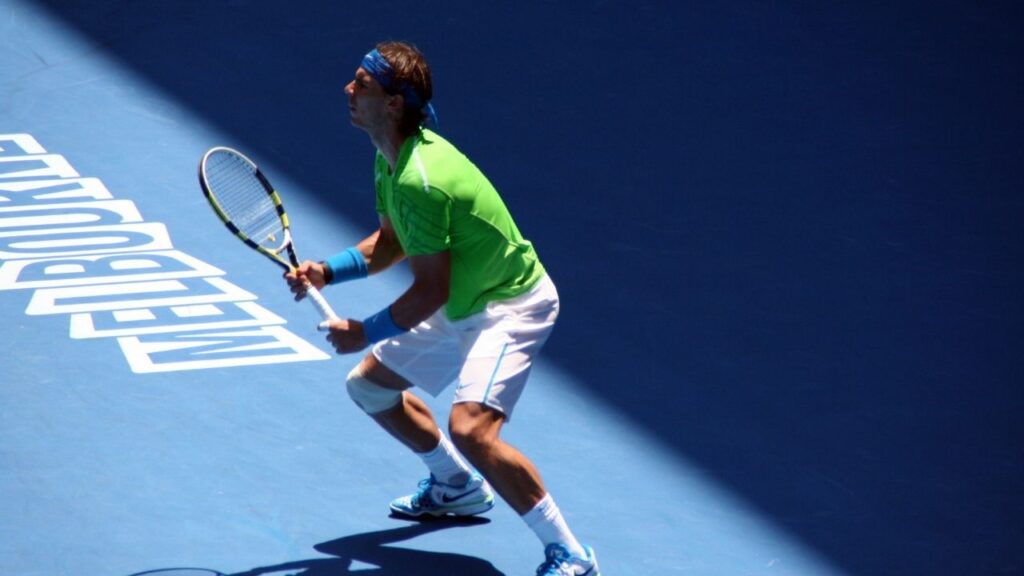
Performing at the Paris Masters demands a refined blend of agility and adaptive footwork tailored for indoor hard courts. Unlike outdoor tournaments, the controlled environment indoors requires athletes to master quick directional changes on a generally faster court with lower bounce compared to clay or grass.
Players devote extensive time to footwork and surface transition drills, honing their explosive starts and stops, lateral movements, and recovery steps. These exercises enhance muscle memory, ultimately making movements more economical and effective, helping players conserve energy for grueling matches against top opponents.
Such drills involve cone drills, ladder footwork, and simulated match movements where practitioners react to variable ball placements, mimicking unpredictable rally situations. The aim is to maintain balance and positioning while executing precise strokes, a necessity for efficiently navigating the rapid pace of indoor encounters.
Moreover, players often test different brands of footwear designed specifically for indoor hard courts. Models from Adidas, Asics, and Nike are selected for their grip, cushioning, and stability, ensuring players are optimally supported during swift directional shifts and jumps. Selecting the right shoe can reduce injury risk and maintain peak performance throughout the tournament’s taxing schedule.
- Emphasizing quick, sharp movements on low-bounce surfaces
- Incorporating agility ladder and cone drills for coordination
- Testing optimal shoe models from Nike, Adidas, and Asics for hard court traction
- Simulating match footwork during practice to replicate pressure situations
- Integrating recovery steps and balance maintenance for stroke efficiency
| Footwork Drill | Focus Area | Intended Outcome |
|---|---|---|
| Agility ladder | Coordination and speed | Enhances foot speed and reaction time |
| Cone drills | Directional changes | Improves lateral quickness and balance |
| Match simulation footwork | Game-specific movement | Develops efficient positioning and recovery |
Serve Consistency and Power: The Arsenal Behind a Breakthrough at Paris Masters
Serve remains one of the most decisive weapons in a pro player’s wardrobe, especially for indoor events such as the Paris Masters. The speed and precision of a powerful serve can set the tone, forcing weak returns and creating immediate offensive opportunities.
Elite players incorporate routines emphasizing serve accuracy and biomechanical efficiency, often using tools like ball machines to replicate different spin and speed combinations. Guided by insights from biomechanics studies, pros hone their motions for maximum power without sacrificing control.
Complementing raw power, consistency drills focus on maintaining first-serve percentages despite fatigue and pressure. These routines demand repetitions under simulated match stress, underpinned by mental conditioning to reduce serve anxiety during key points, as explained in mental training approaches for serve accuracy.
Brands like Wilson and Babolat dominate the racket realm here, providing the responsiveness necessary to maximize service performance. Meanwhile, apparel and gear from Under Armour and Lacoste ensure that players feel physically comfortable and supported during intense serving sessions and long rallies.
- Conducting high-volume first serve accuracy drills under match pressure
- Utilizing biomechanics analysis for refined serving mechanics
- Integrating power endurance routines focused on serve speed
- Employing ball machines to simulate diverse serve scenarios
- Relying on premium rackets from Wilson and Babolat for optimal feel and control
| Serve Drill | Focus Area | Player Benefit |
|---|---|---|
| First serve accuracy under pressure | Consistency during high stakes | Boosts confidence in critical points |
| Biomechanical serve analysis | Mechanics optimization | Enhances efficiency and power |
| Ball machine variability drills | Reaction to spin and speed | Prepares for diverse opponents |
Cultivating Mental Strength Through Pressure Simulation at the Paris Masters
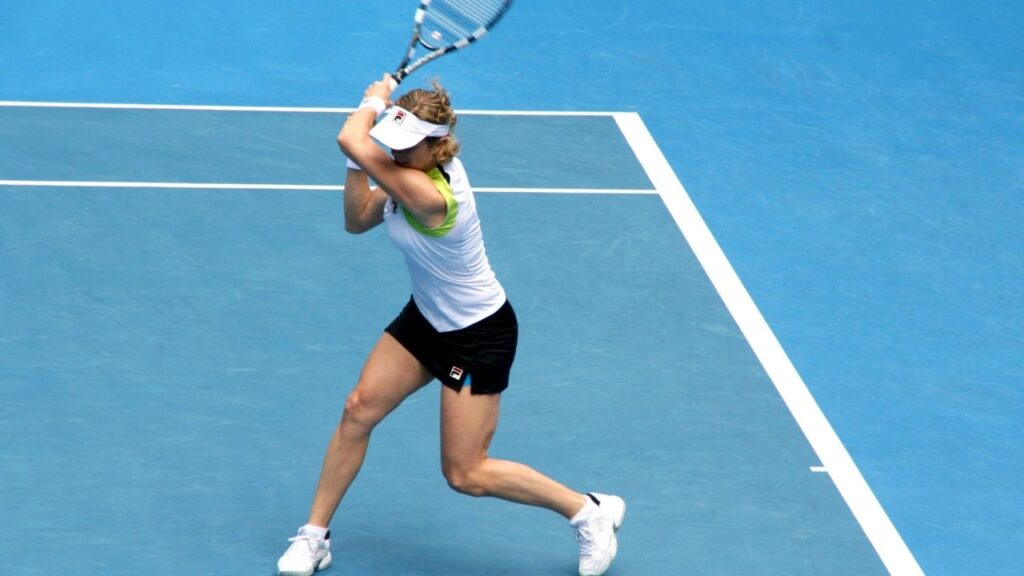
The mental game in tennis can often be the defining factor, especially in high-pressure first round matches where early nerves can determine the trajectory of an entire tournament run. To counteract this, players adopt elaborate mental conditioning regimens focusing on stress inoculation through practice pressure scenarios.
One popular method involves simulating tie-break pressure, where players are subjected to points that replicate the intensity and stakes of real tiebreaks. This approach enhances focus and resilience, key ingredients for success in clutch moments. Resources on tie-break simulation widely emphasize the connection between mental toughness and winning tight matches.
Additionally, players replay match footage combined with shadow tennis routines to internalize opponent tendencies, helping reduce uncertainty and boost confidence. These mental rehearsals bridge physical readiness with psychological poise.
Coaches often implement structured circuits of repetitive high-pressure drills structured to simulate serve accuracy, return consistency, and shot placement under duress, cultivating a mindset equipped to handle the unpredictable swings in match momentum—all key to overcoming the intensity of the Paris Masters first round.
- Practicing tie-break and high-stakes game scenarios
- Integrating shadow tennis to reinforce mental imagery and strategy
- Reviewing opponent tendencies to build adaptive game plans
- Executing serve-return drills with simulated crowd noise and distractions
- Developing routine-based stress inoculation to combat match-day anxiety
| Mental Drill | Purpose | Expected Result |
|---|---|---|
| Tie-break pressure drills | Building clutch performance | Improves composure in critical points |
| Shadow visualization | Mental rehearsal and strategy | Enhances decision-making under pressure |
| High-pressure serve-return sequences | Stress adaptation | Maintains accuracy despite distractions |
Dynamic Practice Partnerships: Elevating Competitive Edge Before Paris Masters
Training alongside fellow top-level players allows athletes to elevate their readiness through spirited competition and shared experiences. This week in Paris, notable practice pairings like Carlos Alcaraz and Daniil Medvedev epitomize how pros leverage camaraderie and rivalry to sharpen their tactical awareness and physical conditioning simultaneously.
These sessions often blend tactical drills with real-time match simulation, pushing players to exploit each other’s strengths and expose weaknesses, fostering a heightened competitive edge. The exchange goes beyond practice, creating strategic insights and mutual respect that illuminate their on-court performances.
Furthermore, partnerships span multiple equipment brands, as athletes choose from Yonex, Head, and Lacoste gear tailored to support their individual playing styles and comfort. Being comfortable with one’s equipment underpins confidence, crucial in drill intensity and competitive matchups.
Beyond partners, innovative training implements such as tennis sensors monitor stroke mechanics and intensities, providing immediate feedback to fine-tune technique. Such technology-driven insights are becoming indispensable in the lead up to prestigious events like the Paris Masters.
- Engaging in competitive practice matches with fellow top contenders
- Experimenting with tactical variations and rally patterns
- Utilizing diverse equipment brands such as Yonex and Head for personalized performance
- Incorporating tennis sensor data for biomechanical and stroke analysis
- Building mental toughness through replication of realistic match pressure scenarios
| Practice Partner Pairing | Focus | Training Benefit |
|---|---|---|
| Carlos Alcaraz & Daniil Medvedev | Tactical drills and match simulation | Tactical refinement and physical intensity testing |
| Alexander Zverev & Tallon Griekspoor | Footwork and response drills | Improved agility and match preparedness |
| Frances Tiafoe & Giovanni Mpetshi Perricard | Baseline rally endurance | Increased stamina and shot consistency |