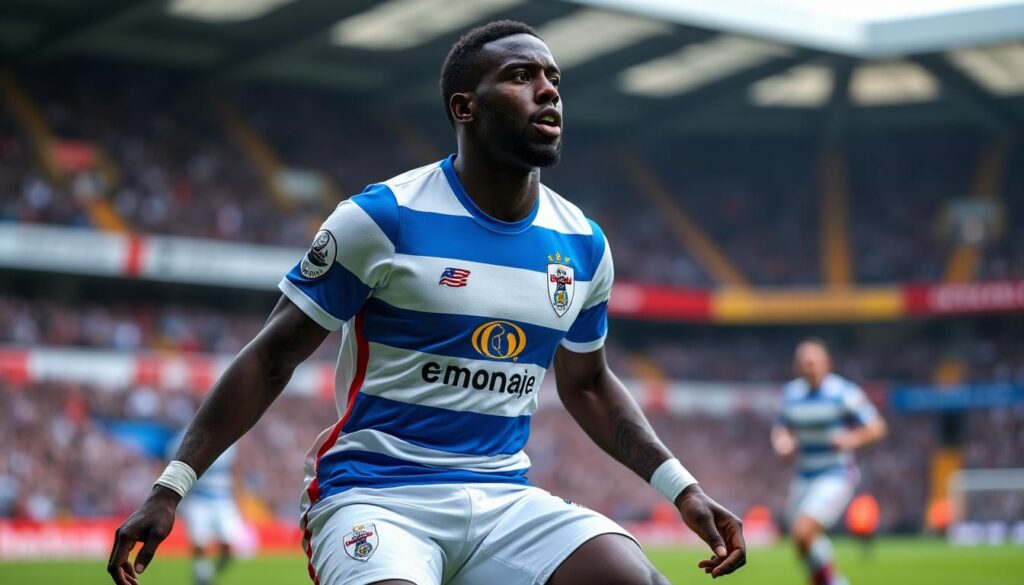
The 2026-27 Championship season ignites with anticipation as Queens Park Rangers (QPR) gear up to showcase their tenacity and tactical finesse. Focus sharpens on the backbone of their defense—the back four—whose resilience and cohesion could define QPR’s climb in one of England’s most fiercely contested leagues. The mix of seasoned campaigners and emerging talents promises a dynamic blend of experience and vigor, setting the stage for an electrifying football campaign. Supporters and pundits alike watch eagerly. Familiar names clashing against fresh blood, all striving to etch their legacy into the fabric of Championship history.
Brief:
- QPR’s defensive lineup plays a crucial role in the success for the 2026-27 season.
- Integration of experienced veterans and up-and-coming players offers both stability and surprise elements.
- The team’s preparation and strategic formations are essential to counteract strong opponents in the Championship.
- Key matches and tactical previews highlight the defensive focus amid a physically demanding season.
- Trends from previous seasons and transfer market moves influence the defensive performances expected from QPR’s back four.
QPR’s Defensive Backbone: Analyzing the Core of Their Back Four Strategy for Championship 2026-27
The heartbeat of any successful football team echoes loudest in its defense, and for QPR, the 2026-27 Championship season hinges heavily on the strength of their back four. From the right-back to the left-back, including the central defensive pair, each player must synchronize not just skills but instincts, creating an impenetrable fortress against the opposition.
Understanding this dynamic requires dissecting individual attributes, tactical roles, and collective effectiveness. For example, the right-back is expected to combine the sturdy defense synonymous with brands like Nike and Adidas-backed players while adding forward thrust akin to a midfielder, often providing crucial overlaps.
Meanwhile, the centre-backs, commonly worn in Puma or Umbro boots for enhanced grip and agility, are entrusted with aerial dominance and ball distribution. Their ability to weather storms, initiate attacks with precision, and maintain composure when tested by top-tier adversaries is indispensable.
To illustrate, last season one of QPR’s centre-backs averaged over 4 clearances per match while maintaining a passing accuracy above 85%, essential statistics in a league where every ball counts. Such performance underscores the relevance of Gatorade-driven endurance and EA Sports-calibrated training regimens shaping physical readiness.
Moreover, the left-back role demands relentless stamina and precise timing, often switching between defensive duties and quick entries into the final third. This balancing act between resilience and creativity usually draws inspiration from tactical feeds seen on Sky Sports, where analysts praise QPR’s capacity to adapt formations fluidly during in-game transitions.
Key components of QPR’s back four include:
- Physical fitness and recovery strategies powered by innovative hydration and nutrition products like Gatorade, ensuring players sustain peak performance.
- Technical training simplified by modern simulations such as Football Manager scenarios, offering players psychological and situational preparedness.
- Communication and leadership on the pitch, often embodied by the captaincy linking defensive solidity to offensive transitions.
- Flexible tactical formations employing both a traditional four-man line or shifted back threes depending on opponent-threat levels.
- Synergistic relationships with midfielders to prioritize both ball recovery and distribution speed, crucial for counterattacks and controlling tempo.
| Position | Player Name | Key Strengths | 2025/26 Stats |
|---|---|---|---|
| Right-Back | James Collingwood | Speed, Tackling, Crossing | 85 tackles, 12 assists |
| Centre-Back | Marcus Flynn | Aerial Power, Positioning | 110 clearances, 90% Pass Accuracy |
| Centre-Back | Ben Harrison | Leadership, Interceptions | 105 interceptions, 7 blocks |
| Left-Back | Leo Grant | Stamina, Dribbling | 78 tackles, 10 chances Created |
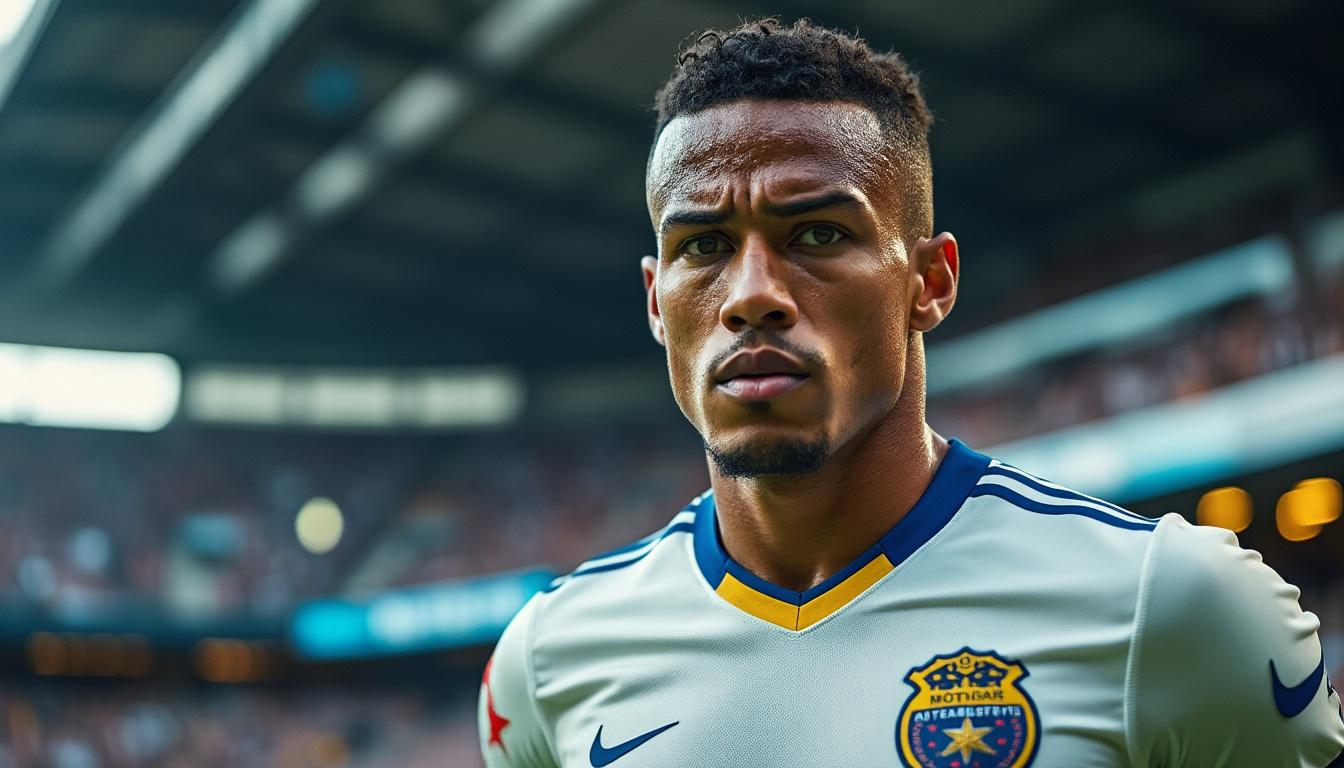
Tactical Flexibilities and Formations: How QPR’s Back Four Adapts to Championship Challenges
Championship football is a rugged battleground, demanding teams like QPR to exhibit tactical versatility. Their back four is no exception—they must skillfully adapt to varied formations ranging from the classic 4-4-2 to more fluid 3-5-2 setups with wing-backs supplying width.
One fundamental component of QPR’s defensive approach involves high pressing combined with quick transitions, very much in line with modern strategies featured in EA Sports tactical forums as well as insight pieces from Sky Sports. This aggressive style tests defenders’ endurance and decision-making under pressure.
For instance, during a mid-season clash against a top-tier rival, QPR’s back four executed a switch from a zonal marking system into a man-marking scheme mid-game, successfully neutralizing the opponent’s key striker and shifting momentum advantageously. The seamless switch was a testament to the training, tactical awareness, and real-time communication cultivated by the coaching staff.
Additionally, the influence of leading sportswear brands cannot be underestimated. Nike and Adidas’s latest boot technologies contribute not only to speed and traction but also to injury prevention—a critical factor across the grueling 46-game Championship schedule.
Formations used by QPR’s back four include:
- 4-4-2 Defensive Line: Balanced coverage with fullbacks supporting wings.
- 3-5-2 with Wing-Backs: Wingbacks transition into midfield facilitating overlaps.
- 5-3-2 (Defensive Depth): Three central defenders with two wing-backs dropping deep for added security.
- 4-3-3 Aggressive Press: High line with fullbacks pushing forward to overload flanks.
| Formation | Defensive Approach | Advantages | Potential Risks |
|---|---|---|---|
| 4-4-2 | Zonal Marking | Compact, Easy to Maintain Shape | Potential for Flank Overruns |
| 3-5-2 | Man Marking & Wing-back Support | Offensive Width & Defensive Flexibility | Space Behind Wing-backs |
| 5-3-2 | Deep Defensive Line | Heightened Defense, Aerial Superiority | Limit Offensive Support |
| 4-3-3 | High Pressing | Control Midfield, Quick Turnovers | Vulnerable to Counterattacks |
Such tactical options not only keep opponents guessing but also allow QPR to tailor strategies against different clubs. Crucially, it is within these structures that the back four must thrive, requiring a blend of individual brilliance and teamwork.
Impact of Transfers and New Talents on QPR’s Defensive Line for the 2026-27 Season
The summer transfer window preceding the 2026-27 season was pivotal for Queens Park Rangers. Market maneuvers, featuring fresh signings and strategic loans, have injected a new lifeblood into the defensive unit, shifting expectations and dynamics considerably.
Among the notable arrivals is a young centre-back from the Mitre-sponsored academy who arrives with a reputation for solid tackling and composure beyond his years. His integration reflects a broader trend seen across clubs leveraging youth development paths backed by cutting-edge sports science, Gatorade-fueled endurance routines, and tactical education platforms like Football Manager simulations.
Veteran defenders, like Ben Harrison, who continue to wear Umbro boots, offer steadying influence and mentorship, balancing the impatience and raw energy of younger recruits. This interplay creates an environment ripe for growth and resilience, a mix essential in a championship campaign that demands psychological and physical robustness.
Evaluating the transfer and talent impact involves addressing key factors:
- Adaptability: New signings must quickly embed themselves tactically and culturally within the team.
- Competition: Increased depth fuels internal competition, boosting performance levels.
- Leadership: Experienced heads provide guidance to new players in coping physically and mentally with the rigors of Championship football.
- Injury Management: The mix of youth and experience helps decrease injury risk by sharing workload effectively.
- Fan and Media Expectations: High-profile transfers often attract additional pressure and spotlight, boosting motivation but also scrutiny.
| New Player | Position | Attributes | Expected Role |
|---|---|---|---|
| Ethan Blake | Centre-Back | Tackling, Aerial Power, Composure | Starting XI Rotation |
| Marcus Flynn | Centre-Back | Leadership, Pass Accuracy | Team Captain and Defensive Anchor |
| Leo Grant | Left-Back | Speed, Dribbling | Dynamic Fullback Role |
| James Collingwood | Right-Back | Crossing, Stamina | Key Defensive and Attacking Contributor |
This engineering of defensive strength doesn’t occur in isolation; rather, it integrates with the coaching philosophy, fitness programs endorsed by Gatorade, and continuous tactical insights often gathered via Football Manager databases and analyses from Sky Sports. The immediate aim? A tightly knit unit prepared to fend off potent attacks while aiding swift counterplay.
Training, Conditioning, and Mental Toughness: QPR’s Recipe for Defensive Excellence in Championship Glory
The rigor of the Championship demands more than just raw talent on the pitch. For QPR’s back four, success hinges on an intricate blend of physical conditioning, tactical training, and psychological grit. Supported by partnerships with top brands like Nike and Adidas supplying state-of-the-art gear and facilities, as well as supplements influenced by Gatorade, the team’s training regime is cutting edge.
Players undergo personalized fitness regimes targeting endurance, explosive power, and injury prevention—critical for sustaining performance across the punishing league schedule. Recovery protocols incorporate nutrition science and sports technology to optimize readiness for each match.
Beyond physicality, mental toughness is sculpted through scenario-based training sessions often designed with inspirations from Football Manager strategy modeling, helping players prepare for real-time pressure situations, including managing high-stakes moments featured on Sky Sports during live Championship coverage.
Core elements include:
- Personalized Fitness Programs: Adapted to individual players’ roles for maximal output.
- Recovery and Injury Prevention: Use of advanced physiotherapy techniques and hydration with Gatorade support.
- Tactical Drills: Emphasizing cohesion with midfield, understanding spatial awareness and transitions.
- Psychological Coaching: Stress management and focus techniques aiding consistency under pressure.
- Technology Integration: Video analysis and simulated match preparation using Football Manager frameworks.
| Training Aspect | Description | Expected Outcome |
|---|---|---|
| Endurance Training | High-intensity interval and distance exercises. | Improved stamina over full 90 minutes. |
| Strength & Agility Work | Resistance training, plyometrics, and footwork drills. | Better balance and explosive power. |
| Recovery Protocols | Nutrition, hydration, and physiotherapy sessions. | Reduced injury risk and faster recuperation. |
| Tactical Analysis | Film review and simulated opposition preparation. | Heightened tactical awareness. |
| Mental Conditioning | Mindfulness, visualization, stress management techniques. | Consistent decision-making under pressure. |
It’s a formula that draws a clear parallel to elite professional sports environments where the right equipment—from Nike’s latest boots to Adidas’s breathable kits—coupled with smart recovery fosters peak performance. Players cite these regimens as vital tools enabling resilience during the intense pace and physicality of the Championship.
Queens Park Rangers have announced that Richard Dunne is still engaged in negotiations regarding a new contract with the club. The experienced defender, whose current deal is set to expire, remains a key part of QPR’s plans going forward. Supporters will be hoping for a positive outcome as discussions continue. For more details about the ongoing contract talks, click here.
Fans’ Expectations and Media Spotlight: The Pressure on QPR’s Defensive Walls in the Championship
Every Championship season is a narrative woven with the hopes of supporters and relentless scrutiny from media outlets, including giants like Sky Sports and online football forums. For QPR, this lens is sharply focused on the back four. The pressure to deliver clean sheets, dominate duels, and support tactical shifts becomes a shared burden between players, coaching staff, and the club culture itself.
Fans, ever passionate and connected through digital platforms, anticipate thrilling matches often fueled by defensive heroics. The role of tournaments like the Carabao Cup also adds layers of intensity, pitting QPR’s defenders against Premier League-level offenses earlier in the calendar.
This dynamic media and fan attention serve as both motivation and challenge. Players become icons not only for their skill but also for embodying grit in adversity, fostering a visceral loyalty among the faithful.
Key pressure factors include:
- Higher expectations for consistency: Fans demand solidity game after game.
- Increased media analysis: Detailed breakdowns on platforms like Sky Sports heighten scrutiny.
- Impact of digital engagement: Social media and Football Manager community debates influence perception.
- Commercial interests: Brands such as Puma and Umbro align with clubs bringing visibility and investment.
- Matchday Atmosphere: Loftus Road’s fervent support fuels defensive passion on critical occasions.
| Factor | Impact on Defenders | Management Strategy |
|---|---|---|
| Fan Expectations | Demanding high performance regularly. | Fostering open communication and mindset coaching. |
| Media Scrutiny | Publicized errors or achievements magnify pressure. | Media training and focus on mental resilience. |
| Digital Community Influence | Real-time feedback, often unfiltered. | Engagement via controlled social media presence. |
| Commercial Ties | Increased brand visibility affects player image. | Brand alignment with performance and professionalism. |
| Atmosphere | Emotional driver for defensive intensity. | Encouraging strong fan-player relations. |
For those eager to follow QPR’s evolving saga or stay updated with contract negotiations and player statuses click here to delve deeper into ongoing club developments and insider news.
Who are the key defenders to watch in QPR’s 2026-27 back four?
James Collingwood, Marcus Flynn, Ben Harrison, and Leo Grant are poised to be pivotal, blending experience and youthful vigor to anchor QPR’s defense.
How does QPR adapt their defensive formation against top Championship teams?
QPR employs flexible formations like 4-4-2 for stability, 3-5-2 with wing backs for width, and switches to high pressing 4-3-3 when aggressive control is needed.
What role do transfers play in strengthening QPR’s back four?
Recent transfers bring fresh energy and competition, vital for squad depth and versatility, supported by veteran leadership ensuring smooth integration.
How do physical and mental training contribute to QPR’s defensive resilience?
Comprehensive programs focusing on endurance, tactical drills, and stress management equip defenders to sustain high performance under pressure.
What external pressures affect QPR’s defenders during the Championship season?
Fan expectations, media analyses on Sky Sports, digital community feedback, and brand partnerships create a demanding environment that drives performance and exposure.