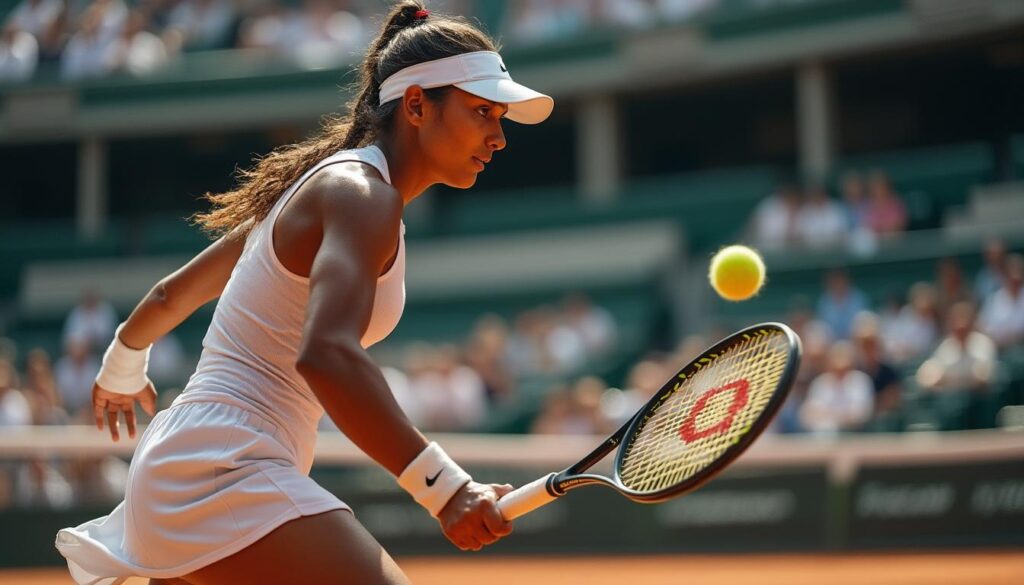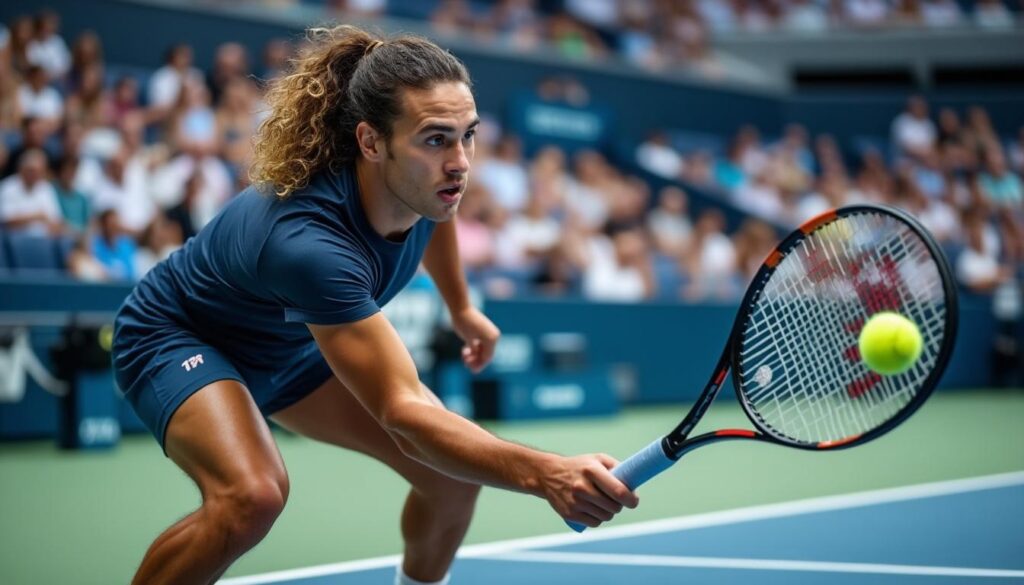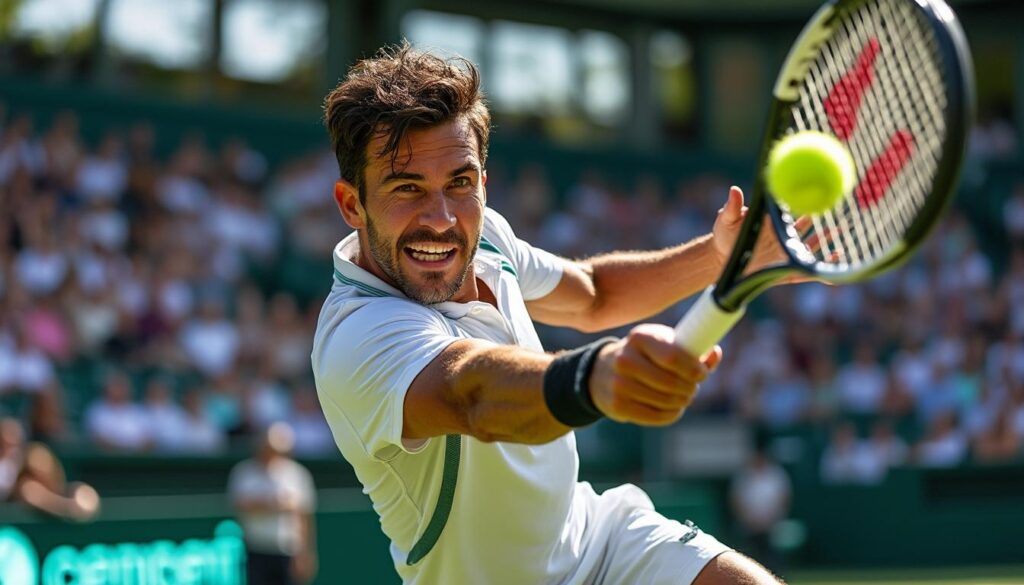
As the tennis world approaches the closing chapters of 2025, the late November injury updates concerning Carlos Alcaraz and Alexander Zverev have sent ripples through both fans and professionals alike. Alcaraz’s withdrawal from Spain’s Davis Cup quarterfinals due to a hamstring setback, alongside Zverev’s determined return during the same tournament, spotlight the delicate dance of injury management and comeback strategy. These developments not only affect the immediate outcomes of the Davis Cup but also hold profound implications for player fitness planning heading into 2026. Carlos Alcaraz’s hamstring injury originated during the ATP Finals in Turin and has since forced a premature end to his blistering 2025 season. Contrastingly, Alexander Zverev’s successful comeback in the Davis Cup signals a strategic approach to managing sports injuries without sacrificing performance. Their current states represent two sides of player recovery and highlight the critical importance of tactful fitness strategies moving forward. The evolving dynamics within these events demonstrate the relentless physical toll of professional tennis and the necessity for teams and athletes to prioritize rehabilitation and long-term health. This update dives deep into these compelling narratives, unveiling why these individual stories matter beyond their headlines, serving as blueprints for managing sports injury impact and fitness strategy for the upcoming seasons.
In brief:
- Carlos Alcaraz’s hamstring edema has ended his 2025 season early, withdrawing him from Spain’s Davis Cup campaign.
- Spain’s Davis Cup squad resumes with adjusted players, relying on depth without their top-ranked leader.
- Alexander Zverev’s Davis Cup return marks a significant comeback amid recovery, influencing fitness and competition strategy.
- Injury management and player recovery are central themes for developing sustainable tennis fitness plans for 2026.
- The updates highlight the key role of medical decisions and rehabilitation in shaping pro tennis trajectories.
Alcaraz’s hamstring setback: breaking down the injury and its immediate impact on Davis Cup 2025
When Carlos Alcaraz suffered a right hamstring muscle edema during the intense rounds of the ATP Finals in Turin, it was a subtle yet critical blow which worsened as the tournament progressed. His journey showcased courage, winning tough matches including a dramatic semifinal, but the injury forced a medical timeout and eventually led to doctors advising against further competition. This medical recommendation became a decisive turning point, prompting Alcaraz to withdraw from Spain’s Davis Cup quarterfinals in Bologna. The withdrawal was a heavy emotional burden for the world No. 1, who publicly noted his heartbreak over sidelining himself from one of the sport’s most cherished competitions.
The nature of hamstring injuries in tennis, especially the muscle edema detected in this case, requires meticulous management. Such an injury threatens the player’s explosive movement, acceleration, and quick directional changes, all critical on court. Overstraining risks escalating the damage to a full tear, which could entail months of rehabilitation rather than a few weeks. Given Alcaraz recorded nearly 80 matches this year, including three Grand Slam titles, the wear on his body was unmistakable. His 2025 campaign felt historic: 8 titles including triumphs at Roland Garros and the US Open, plus solid Masters wins in Rotterdam, Monte-Carlo, and Rome. Yet, the hamstring issue underscored the physical limits faced even by elite athletes.
Immediate effects on Spain’s Davis Cup line-up and strategy
Alcaraz’s absence necessitated a quick recalibration within Spain’s team structure. Captain David Ferrer announced a reconfigured roster with Jaume Munar and Pablo Carreno Busta stepping up as lead singles contenders, while Marcel Granollers and Pedro Martinez would double down on the doubles court. Despite losing their marquee player, Ferrer’s confidence in Spain’s depth remains unshaken. This shift calls for strategic versatility, as the squad now relies more heavily on experienced campaigners rather than burgeoning stars.
This setback also highlights how teams must be prepared for sudden changes in player availability, reinforcing the value of a robust bench and adaptable tactics. Spain’s opposing quarterfinalists, the Czech Republic, present formidable competition with high-ranked players like Jiri Lehecka and Jakub Mensik. Without Alcaraz’s explosive game, Spain must lean on collective endurance and tactical precision to maintain their challenge in the tournament.
Lessons drawn from Alcaraz’s injury for player longevity
Professional tennis thrives on precision fitness planning calibrated to prevent injuries like Alcaraz’s hamstring setback. This case exemplifies the importance of monitoring strain levels during peak tournaments such as the ATP Finals and carefully managing recovery windows between high-stress events. Players, coaches, and medical teams are now more focused than ever on interventions combining tailored training, recovery modalities, and injury prevention protocols.
- Regular MRI scans and health assessments are vital for early detection of muscle edema.
- Emphasizing mobility workouts and targeted rehabilitation can reduce the risk of hamstring tears.
- Periodization strategies – balancing competition intensity with rest – underlie every elite player’s fitness regimen.
Alcaraz’s choice to stop competing is a resounding reminder that injury decisions are as much about long-term career sustainability as short-term glory. The next phase for him centers on focused tennis rehabilitation supported by cutting-edge recovery methods.
| Aspect | Details |
|---|---|
| Injury Type | Right hamstring muscle edema |
| Injury Origin | During ATP Finals in Turin |
| Impact | Withdrawal from Davis Cup Finals |
| Recovery Focus | Rehabilitation and preparation for 2026 Australian Open |
| Spain’s Adjusted Line-up | Munar & Carreno Busta (singles), Granollers & Martinez (doubles) |
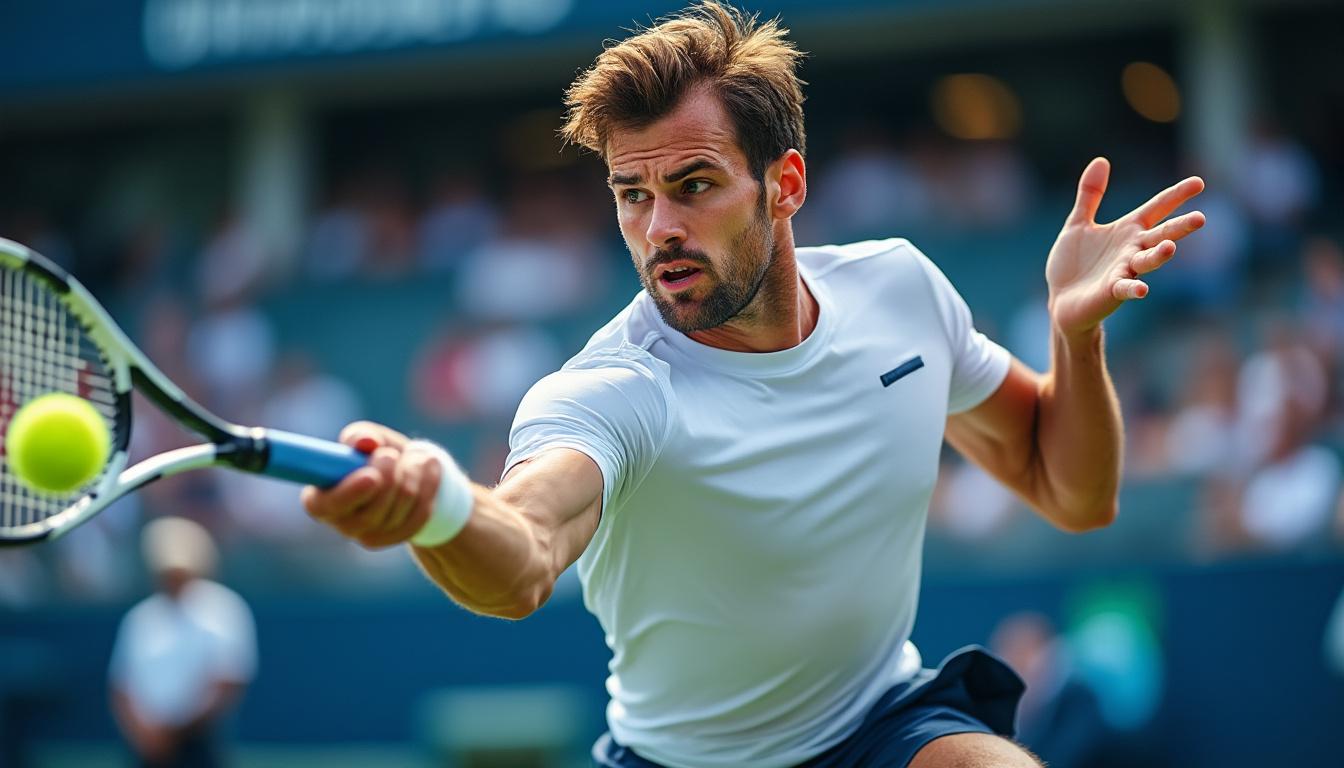
Alexander Zverev’s Davis Cup comeback: strategic rehabilitation and implications for 2026 fitness planning
Alexander Zverev’s reappearance during the Davis Cup Finals stands as a beacon of resilience and tactical sports injury impact management. After struggles with injuries earlier in the season, Zverev has drawn widespread attention for his well-managed recovery and timely return to form. His presence in the German team emphasizes a contrasting approach to the injury narrative, focusing on carefully balancing recovery protocols with competitive aspirations.
Zverev’s comeback highlights why effective player recovery is crucial in professional tennis. It combines medical expertise, fitness training refinement, and psychological readiness. Throughout his rehabilitation, Zverev incorporated state-of-the-art conditioning programs designed to strengthen vulnerable areas and enhance overall athletic durability. His journey underscores the delicate timeline for transitioning from injury to high-intensity competition without incurring further harm.
Key elements in Zverev’s fitness strategy
- Incremental physical workload escalation: Gradual increases in training intensity to avoid re-injury.
- Cross-disciplinary therapy: Integration of physiotherapy, strength conditioning, and sport-specific drills.
- Mental fortitude development: Emphasizing psychological resilience training for focus under pressure.
This nuanced rehabilitation approach is driving renewed optimism as Zverev gears up for the 2026 season. His return not only benefits Germany’s Davis Cup ambitions but sets a compelling example for managing sports injury impact without sacrificing career momentum.
| Area | Details |
|---|---|
| Type | Davis Cup participation after injury |
| Recovery Focus | Progressive physical conditioning and mental resilience |
| Benefits | Improved fitness and competitive readiness |
| Role | Key player for Germany’s team performance in Bologna |
Why the converging stories of Alcaraz and Zverev matter for 2026 fitness strategy planning
The contrasting arcs of Carlos Alcaraz’s enforced pause and Alexander Zverev’s deliberate return provide invaluable insights for crafting fitness strategies in upcoming seasons. These examples highlight the essential balance between pushing athletic limits and managing the physiological realities of a demanding professional tennis calendar. As players endure heavy match loads, especially in majors and team events like the Davis Cup, the risk of injury escalates.
Lessons gleaned from these cases have inspired several approaches now gaining traction among coaches and sports scientists:
- Customized workload monitoring: Using technology to track player strain levels and adjust training accordingly.
- Emphasis on preventative conditioning: Building core strength and flexibility to mitigate injury risks.
- Integrated recovery protocols: Incorporating rest, nutrition, and rehabilitation therapies as routine training components.
Planning for 2026 must also account for mental and emotional stress factors that influence physical resilience. The mental anguish Alcaraz expressed upon withdrawal, juxtaposed with Zverev’s confident return, reflect psychological components that teams are now addressing proactively. Comprehensive fitness planning moves beyond physical readiness into holistic player wellbeing, recognizing the intertwining of body and mind in sustaining elite performance.
| Fitness Planning Aspect | Significance Illustrated by Alcaraz and Zverev |
|---|---|
| Injury Monitoring | Early detection of muscle issues to prevent escalation |
| Rehabilitation Focus | Customized rehab tailored to injury specifics |
| Psychological Support | Emotional resilience training alongside physical recovery |
| Workload Management | Balancing competition intensity with recovery periods |
Implementing effective rehabilitation and recovery techniques for sustained tennis performance
Sustaining top-tier tennis performance hinges on advanced rehabilitation practices outlined by recent player experiences. Rehabilitation is not just about healing but restoring function to peak athletic capacity. Innovative approaches to tennis rehabilitation integrate multiple dimensions:
- Mobility and flexibility workouts: Focus on dynamic stretching and strength exercises that target injury-prone muscle groups.
- Core strength building: Enhancing central musculature stability benefits balance and power generation, key in tennis strokes.
- Progressive loading protocols: Gradual reintroduction to tennis-specific movements prevents overstrain.
- Technological aids: Utilization of biomechanical analysis and recovery devices accelerates return-to-play timelines.
Players benefit greatly from personalized rehabilitation programs, which consider their unique physiological and biomechanical profiles. These programs often involve targeted mobility workouts and stability training to support resilience against recurrent injuries. The goal is not only recovery but building a robust foundation for future performance, which underpins 2026’s fitness approach across the board.
| Rehabilitation Component | Purpose |
|---|---|
| Dynamic Mobility Drills | Increase range of motion and agility |
| Core Strength Workouts | Improve stability and prevent compensatory injuries |
| Biomechanical Assessment | Identify and correct movement inefficiencies |
| Progressive Load Training | Safely enhance tennis-specific strength |
Optimizing equipment and training routines to support fitness and injury prevention in professional tennis
Beyond rehabilitation, optimizing equipment and daily training regimes significantly shapes player readiness and injury risk mitigation. The selection of footwear, racquets, and accessories impacts biomechanics and injury susceptibility. For instance, choosing tennis shoes with robust stability features and proper cushioning reduces stress on the lower limbs, critical for hamstring health.
Similarly, racquet choice tailored for controlled baseline play, like the popular controlled baseline rackets, aids in reducing unnecessary strain during long rallies. Players also benefit from cutting-edge accessories for grip comfort and racquet handling, preventing overuse injuries in the forearm and wrist. Checking the latest tennis accessories trends can offer essential insights for maintaining optimal equipment.
- Regular string tension adjustments through professional tennis stringing machines enhance shot control and reduce arm fatigue.
- Incorporating tactical session coaching, as evidenced in recent games, promotes efficient movement patterns to conserve energy.
- Using technology such as fitness trackers and motion sensors can provide real-time feedback on player biomechanics.
Ultimately, integrating equipment optimization with consistent training routines, recovery workouts, and injury prevention strategies forms a comprehensive framework for professional tennis players aiming to dominate future tournaments without compromising their health.
| Equipment Component | Benefit for Injury Prevention |
|---|---|
| Stability Tennis Shoes | Support lower limb alignment and reduce muscle strain |
| Controlled Baseline Rackets | Enhance racket control and reduce wrist tension |
| Professional Stringing | Maintain optimal string tension for shot consistency |
| Grip and Accessories | Improve handling comfort and prevent forearm injuries |
What is the nature of Carlos Alcaraz’s hamstring injury?
Carlos Alcaraz suffered a right hamstring muscle edema which caused swelling and overloading, leading to his withdrawal from the 2025 Davis Cup Finals to avoid aggravating the injury further.
How does Alexander Zverev’s comeback influence tennis fitness planning?
Zverev’s strategic rehabilitation and successful return underscore the importance of gradual physical conditioning and mental resilience in managing injuries and preparing for sustained competition.
What are recommended recovery techniques for hamstring injuries in tennis players?
Recovery protocols include dynamic mobility workouts, core strength training, progressive loading, and biomechanical assessments to ensure safe and effective rehabilitation.
How can tennis equipment contribute to injury prevention?
Using stability-enhanced tennis shoes, controlled baseline rackets, professional stringing services, and comfortable grip accessories can significantly reduce the risk of common tennis injuries.
Why is psychological support critical during player injury recovery?
Emotional resilience and mental fortitude training help players cope with the pressures of injury, maintain focus, and aid in successful comebacks.