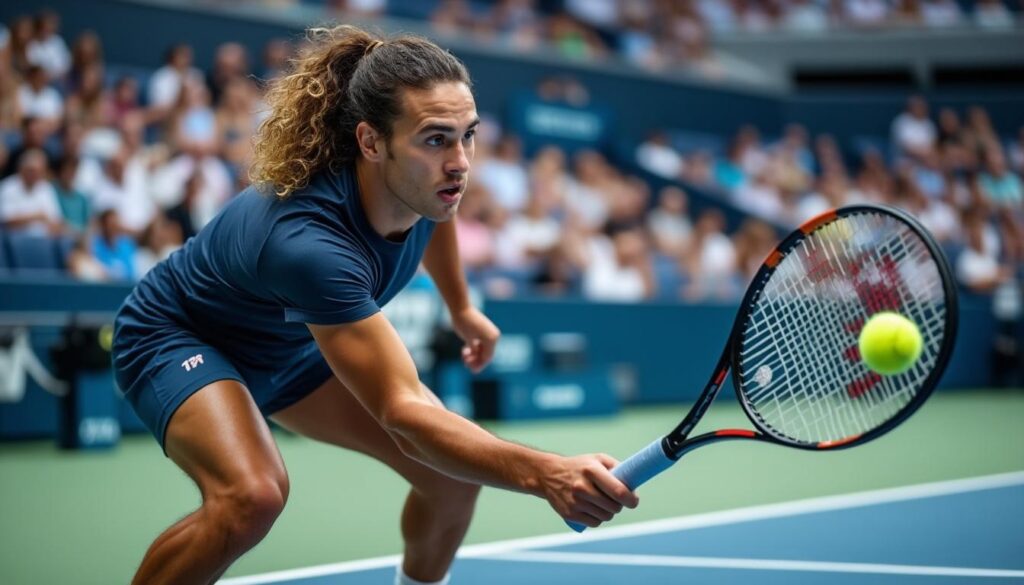
As the calendar flips to December, athletes around the globe face an intense workload in the final stretch of their competitive seasons. Managing fatigue while maintaining peak performance becomes a high-wire act, especially in sports like tennis where matches can demand every ounce of energy and mental focus. The rising influence of structured recovery routines is transforming how athletes tackle this grueling period. With training camps, tournaments, and travel piling up, recovery strategies have evolved from a secondary concern to a critical component of athletic success. This shift isn’t just about bouncing back faster–it’s about fine-tuning every element of rest, nutrition, and mental recuperation to outlast opponents and sustain top form.
Modern sports science has deepened our understanding of how fatigue accumulates under heavy December schedules and how targeted recovery protocols can alleviate it. This knowledge aligns with the practices of elite players who integrate recovery into their daily regimen, demonstrating that performance isn’t just earned on the court or field, but nurtured behind the scenes. From cold immersion therapies to active recovery sessions, and the meticulous management of sleep and nutrition, these routines are becoming indispensable tools for athletes juggling demanding calendars.December brings unique pressures—limited daylight, colder temperatures, and back-to-back competitive events—all of which influence how athletes must manage their bodies and minds. The interplay between workload management and recovery techniques creates a dynamic environment where smart rest is just as vital as smart training.
Exploring the latest trends for athletes in December reveals a fascinating blend of tradition and innovation. Established methods like sports massages and stretching are now complemented by high-tech interventions such as cryotherapy and pneumatic compression devices. Meanwhile, mental recovery practices, including meditation and guided visualization, highlight the comprehensive nature of modern recovery. As the season’s final battles unfold, understanding the power of recovery routines to influence athletic output during this demanding month is essential—for athletes, coaches, and enthusiasts alike.
Whether preparing for the Davis Cup matches or finals in other major competitions, athletes’ December workload demands a recovery approach that is both strategic and adaptive. Failure to manage fatigue and maintain performance quality can not only jeopardize competitive results but also increase injury risks. Thus, this surge of attention on recovery isn’t merely a trend; it’s a recalibration of how the athletic world views the cycle of exertion and restoration.
Unlocking the secrets behind these influential recovery routines can revolutionize training plans, condition programs, and even everyday fitness practices. As the sports world continues to evolve into 2025, recovery stands out as a silent powerhouse driving both longevity and excellence in athletic performance.
Key takeaways of December recovery strategies for athletes:
- Recovery routines have gained substantial influence amid the December competitive load.
- Managing fatigue through structured recovery enhances performance consistency.
- Blending traditional methods with innovative therapies creates holistic care.
- Sleep, nutrition, and mental wellness are foundational recovery pillars.
- Adaptable recovery protocols support athletes across diverse sports demands.
Deep Dive into Sleep: The Cornerstone of Recovery for December Workload
Among all recovery techniques, sleep remains the ultimate game-changer—a non-negotiable pillar for athletes who face a heavy December schedule packed with relentless training sessions and critical matches. The science is crystal clear: uninterrupted, quality sleep triggers key physiological processes that repair muscle tissue, replenish energy stores, and sharpen mental focus. Elite athletes, from tennis legends to marathon champions, regularly prioritize 7 to 10 hours of deep sleep to maintain a competitive edge.
During sleep, the body cycles through REM and deep stages where growth hormone secretion peaks, accelerating muscle recovery and reducing inflammation. This hormonal boost helps athletes repair micro-tears and recover from the cumulative grind of their demanding season. Neglecting sleep, especially amid the increased December workload, risks prolonging fatigue and decreasing reaction times—both disastrous for performance under pressure.
Scientific studies emphasize that sleepless nights do more than induce tiredness; they erode reaction speed, impede decision-making, and worsen mood states, all crucial for the split-second reactions tennis requires. In fact, some players engage in strategic napping during the day to counterbalance late matches or long travels, ensuring the total sleep volume meets recovery demands.
Incorporating sleep hygiene practices—such as maintaining a regular bedtime routine, creating a dark, quiet environment, and avoiding screens before rest—further amplifies its restorative power. Teams also invest in sleep coaches to tailor individualized strategies, recognizing that optimal energy management in December is intricately connected to sound rest habits.
This focused approach to sleep exemplifies how athletes are turning science into action. It’s no accident that players with top-tier recovery practices often have the stamina to dominate the final tournaments of the year while rivals falter. For anyone invested in athletic performance at this time of year, prioritizing sleep is an indispensable strategy for conquering December’s rigorous demands.

The Role of Active and Contrast Recovery in Navigating Heavy Training Loads
Not all recovery means complete rest. In fact, athletes have embraced active recovery as a powerful method to counteract December fatigue without compromising fitness gains. Active recovery involves low-intensity movement—such as walking, swimming, or gentle cycling—that promotes blood circulation, reduces muscle stiffness, and facilitates faster metabolic waste removal.
This strategy works because gentle movement keeps the body’s systems engaged at a low level, improving lymphatic drainage and preventing the stagnation that comes with inactivity. Take professional tennis players preparing for indoor tournaments in Europe, where a rapid turnaround between matches necessitates efficient recovery protocols. Many incorporate active recovery on lighter days, balancing exertion with healing to sustain peak performance. More insights about such protocols can be explored at effective recovery protocols for indoor tournaments.
Complementing active recovery is contrast therapy, which alternates heat and cold to stimulate circulating blood flow. Post-match contrast baths or showers induce vasodilation and vasoconstriction cycles, functioning like a natural pump that flushes out toxins from muscle tissue. This technique helps reduce soreness and speeds healing—vital during the congested December schedule.
Athletes juggling December’s intense workload often blend these approaches for optimum recovery. For example, a session might begin with light stretching, transition to active recovery movements, and conclude with contrast showers to amplify blood flow and muscle relaxation. The synergy of these methods plays a crucial role in managing fatigue and enabling sustained training intensity.
Advanced contrast and active recovery methods are part of a growing trend to fine-tune training management during dense competition periods. Unlike passive rest, these routines sustain readiness without adding strain—essential for December’s demanding calendars.
Revolutionizing Recovery Nutrition and Hydration for Peak December Performance
Recovery isn’t just physical rest—it’s also profoundly connected to what athletes consume post-workout or match. The accelerated wear and tear of December’s tournaments increases demand for smart nutrition and hydration strategies that repair muscles, replenish energy, and control inflammation.
Athletes capitalize on a delicate balance of macronutrients after exertion. Protein intake is critical to rebuild microscopic muscle damage, while carbohydrates restore glycogen stores depleted during extended play. Nutrient timing plays a key role: research highlights that consuming a balanced meal or shake within 30 to 60 minutes after exercise maximizes recovery efficiency and performance readiness.
Hydration complements nutrition by maintaining cellular function and circulation. During heavy sweating, athletes replace lost electrolytes—including sodium, potassium, and magnesium—to retain fluid balance and prevent muscle cramping. These strategies, expertly managed by performance nutritionists, are increasingly visible during December competitions.
For tennis players facing the season’s final events or preparing for Davis Cup matches, nutrition is a tactical tool. They align recovery meals with training intensity fluctuations and travel schedules to mitigate fatigue and support sustained output. Coaches and athletes alike turn to resources such as nutrition and recovery strategies tailored for elite performance.
With advancements in sports science, individualized nutrition plans now incorporate anti-inflammatory foods and supplements shown to reduce oxidative stress—both crucial during the high-pressure December workload. The integration of these nutritional elements within recovery frameworks represents a holistic approach, optimizing not only physical repair but overall health and conditioning.
Injury Prevention and Recovery Tools Amidst December’s Rigorous Schedule
When the calendar tightens and December workloads peak, injury risk climbs sharply. Managing this threat requires more than simply pushing hard—it demands deliberate recovery routines intertwined with injury prevention strategies. Effective recovery protects athletes from burnout while preserving their longevity.
Among the game-changers in injury management are sports massage and myofascial release techniques. Regular sessions with professional therapists help athletes release muscle tension, improve tissue elasticity, and reduce scar tissue buildup. Tools like foam rollers and massage guns enable self-administered myofascial release, which targets fascia tightness and enhances muscular recovery. These techniques not only facilitate immediate relief but have lasting effects in injury prevention.
Compression therapy is another vital tool gaining traction. Compression socks, sleeves, and pneumatic devices improve circulation by enhancing venous return, which aids in lactic acid clearance and reduces muscle vibration. Many athletes incorporate compression gear into their recovery routines during December tournaments to accelerate healing between strenuous sessions.
Daily stretching and mobility work rounds out the injury-prevention toolkit. Rather than viewing stretching as mere warm-up or cooldown, athletes recognize it as a strategic component of recovery and mobility routines. Targeted flexibility exercises balance muscle groups, improve joint function, and minimize imbalances that lead to injury under heavy workloads.
| Recovery Technique | Main Benefit | Ideal Timing |
|---|---|---|
| Sports massage / Myofascial release | Muscle tension relief and scar tissue breakdown | Post-match or rest days |
| Compression therapy | Improved circulation and reduced muscle vibration | Immediately post-training or overnight |
| Stretching and mobility | Enhanced flexibility and injury prevention | Daily, especially before and after workouts |
| Foam rolling | Improved muscle elasticity and waste removal | Post-training or during active recovery |
By strategically integrating these methods, athletes can mitigate injury risk even amidst one of the most physically demanding months of the year. Approaches that blend recovery with injury prevention have become staples, as reflected in training programs of top champions found in elite conditioning guides.
Mental Recovery as an Influencer: Staying Sharp Through December’s Demands
The physical aspect of recovery often steals the spotlight, yet mental recovery profoundly shapes athletic success during December’s busy schedule. Stress and psychological fatigue can sabotage rest, fuel burnout, and degrade physical resilience. Top athletes now embrace mental wellness routines as integral components of comprehensive recovery.
Mental recovery approaches include meditation, mindfulness, controlled breathing exercises, and visualization techniques. These methods reduce cortisol, improve sleep quality, and enhance focus during matches. For tennis professionals, staying mentally fresh between intense bouts is just as vital as physical rejuvenation. Resources like mental focus techniques mid-match highlight how athletes harness psychological tools to maintain competitive edges.
Daily mental routines can be brief but highly effective, designed to reset the nervous system and cultivate resilience. Athletes often rely on guided meditation apps or performance coaching to embed these habits. The growing recognition of emotional and cognitive recovery marks a new era where athletic excellence depends on balance between mind and body.
Integrating mental recovery into December schedules enhances overall recovery capacity, supports injury prevention indirectly by reducing muscle tension related to stress, and optimizes long-term performance sustainability.
Why is sleep so crucial for athletes during December’s workload?
Sleep triggers muscle repair, reduces inflammation, and restores mental clarity. Quality sleep allows athletes to recover from intense training and matches, which is vital during December’s demanding competition schedule.
How does active recovery differ from rest, and why is it beneficial?
Active recovery involves low-intensity movement that promotes blood flow and reduces muscle soreness without adding stress to the body, accelerating healing compared to complete rest.
What role does nutrition play in recovery routines?
Nutrition provides the building blocks for muscle repair and energy replenishment. Eating balanced meals quickly after exercise optimizes recovery and supports sustained athletic performance.
How do compression devices aid athlete recovery?
Compression devices improve blood circulation and help flush out metabolic waste, reducing muscle vibration and swelling to speed up recovery processes.
Why is mental recovery important for athletic performance?
Mental recovery decreases stress and cognitive fatigue, improving focus, sleep quality, and physical resilience, all of which contribute to better athletic outcomes during heavy competition periods.