In the high-stakes arena of professional sports, physical prowess is only half the battle. The real edge comes from mastering the mind—a fortress of resilience, focus, and unwavering motivation. Recently, a surge in the adoption of mental training techniques among elite athletes has transformed the way champions prepare for competition. These techniques, rooted in psychological science and battle-tested on courts and fields worldwide, promise a new level of consistency and peak performance. For pros aiming to stay razor-sharp under pressure, mental strength isn’t optional; it’s the secret weapon.
Today’s athletes don’t just train harder; they train smarter. They understand that mental conditioning fuels the physical effort, empowering them to bounce back from setbacks, sharpen their focus, and deliver clutch performances when every point counts. From visualization exercises that replay the perfect serve in the mind’s eye, to routines that build unshakable confidence, these practices forge a championship mindset.
What’s driving this trend? The razor-thin margins at elite levels mean a split-second lapse can be the difference between glory and defeat. With advancements in sports psychology and performance research, personalized mental training is becoming as common as strength and agility workouts. Top pros are now embracing techniques that enhance their mental toolkit, optimizing every moment from match warm-ups to crunch time. To anyone hungry for consistency, diving into mental training techniques is no longer just a recommendation—it’s a revolution in competitive preparation.
Discover how these powerful strategies are reshaping athletic careers and why every player chasing excellence should pay attention.
Key takeaway points on the rise of mental training in pro sports:
- Mental training techniques elevate athletes’ consistency by cultivating focus, resilience, and motivation under pressure.
- Sophisticated approaches like acceptance and commitment therapy (ACT), mindfulness, and cognitive defusion are gaining traction as core tools for mental toughness.
- Visualization and goal-setting help pros rehearse success mentally, sharpening execution before hitting the court.
- Behavioral routines and emotional regulation strategies combat anxiety and nerves impacting performance.
- Research shows integration of these techniques leads to improved performance, wellbeing, and longer athlete careers.
How Mental Training Techniques Build Consistency in Professional Athletes
Elite athletes operate in an unforgiving arena where the slightest inconsistency can derail months of preparation. The hunger for reliability has pushed many toward mental exercises that anchor their performance beyond physical ability. These mental training techniques systematically reinforce mental skills—focus, emotional regulation, motivation, and strategic thinking—delivering results that show up match after match.
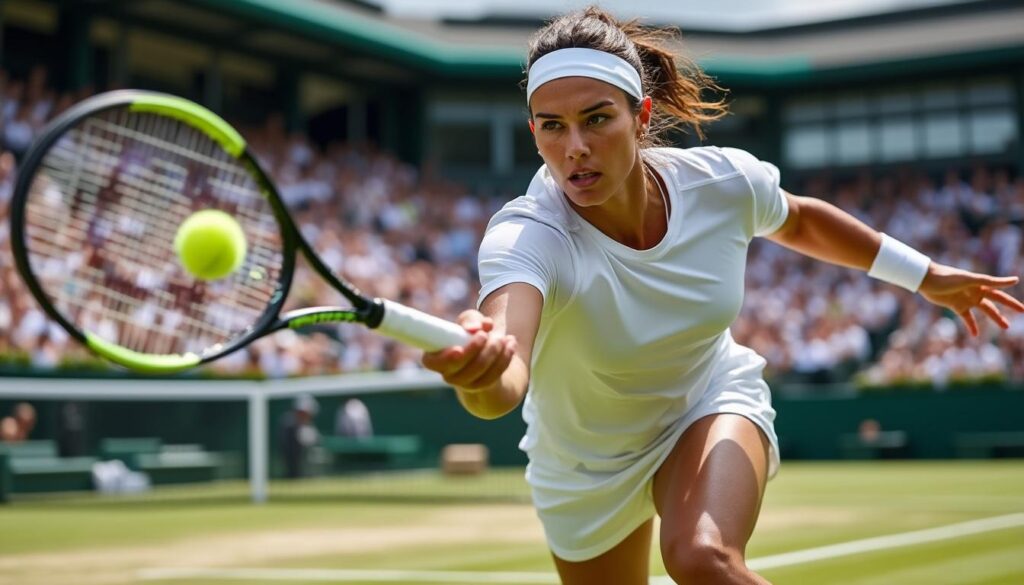
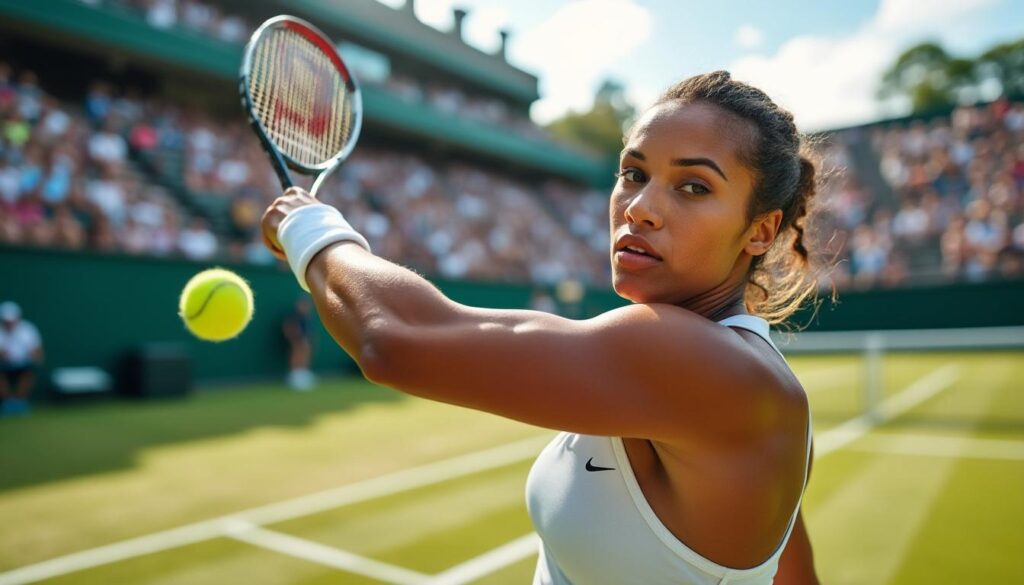
Take the example of a tennis pro wrestling with pressure-induced lapses at critical stages of a match. Through mental rehearsal and cognitive strategies, they learn to maintain composure, recalibrate energy, and refocus attention on the task at hand rather than distractions or fear of mistakes. By integrating focused mental exercises mid-match, players reduce performance volatility and aim for a steadier output of skill and decision-making.
At the core of this approach is the principle that mental strength is trainable. Sports psychologists emphasize that athletes who incorporate mindfulness and visualization routines develop enhanced control over attention and emotion. Mindfulness anchors them in the present moment, eliminating spirals of negative thoughts, while visualization simulates winning scenarios that boost confidence. As a result, athletes enter competitions with a sharper, more resilient mindset capable of handling the unexpected.
Such strategies are not abstract—many pros use tailored mental skill-building as rigorously as their physical drills. A study by Vealey (2024) highlights the multifaceted nature of mental training: combining personal foundation skills (like self-awareness and productive thinking), performance skills (such as attention control and arousal regulation), personal development (communication and time management), and mental health integration (emotional wellbeing). This comprehensive framework supports steady progress and guards against burnout.
Consistency also grows from behavioral habits. Developing pre-performance routines and post-match reflection, as seen in tournament mental preparation, equips athletes with reproducible frameworks for success. This disciplined approach cultivates reliability—players know what to expect from themselves and can push through slumps with self-trust reinforced by routine.
In essence, mental training techniques act as the glue holding together the physical and tactical elements under high stress. For professional athletes intent on steady results, mental skills are the foundation of enduring performance.

Key Mental Training Techniques Transforming Pro Performance in 2025
The training playbook of 2025 brims with mental methodologies that are rewriting athletic performance standards. Their proven impact makes them staples amongst pros hungry for an edge that physical conditioning alone cannot provide.
Visualization flies high as a cornerstone practice. Athletes use it daily to mentally rehearse precision shots, crowd reactions, and pressure moments in vivid detail. This mental simulation prepares neural pathways just as physical repetition does. When the match is on the line, these mental reconstructions deliver confidence and poise. Tennis stars refining serve speed and accuracy, as discussed in serve speed training programs, leverage visualization to embed flawless execution deep into muscle memory.
Mindfulness and meditation anchor players in the ‘now,’ staving off crippling anxiety. Simple routines like focused breathing or body scans can profoundly influence an athlete’s ability to maintain composure. Incorporating these into daily practice helps keep nerve-induced distractions at bay during crunch time.
The use of acceptance and commitment therapy (ACT) techniques promotes a healthier relationship with thoughts and emotions. Instead of wresting control from unwanted mental noise, athletes learn to acknowledge these distractions and redirect attention fully to performance tasks. This radical acceptance frees up cognitive resources and diminishes emotional burnout during tournaments.
Building on cognitive strategies, defusion techniques teach athletes to detach from unproductive thoughts. Visualizing negative self-talk as passing clouds or humorously replaying stress-inducing thoughts can neutralize their sting, reducing rumination and enabling refocused action.
Goal setting remains a pillar of consistent achievement. Pros set SMART (Specific, Measurable, Attainable, Relevant, Time-bound) goals that break down overarching ambitions into approachable milestones. A tennis player aiming to improve shot selection might track progress using analytical insights during Paris tournaments, ensuring motivation through measurable gains.
These techniques coalesce into a dynamic roadmap toward mental mastery. Here is a quick overview:
| Technique | Description | Benefit |
|---|---|---|
| Visualization | Mental rehearsal of successful performance scenarios. | Builds confidence and primes neural pathways for execution. |
| Mindfulness Exercises | Focused breathing, body scans to maintain present-moment awareness. | Reduces anxiety, sharpens concentration during stress. |
| Acceptance and Commitment Therapy (ACT) | Accepting thoughts and emotions without judgment, committing to values-driven actions. | Enhances resilience and emotional regulation. |
| Defusion Techniques | Creating psychological distance from negative thoughts. | Minimizes impact of unhelpful mental chatter. |
| Goal Setting | Establishing clear, measurable goals and breaking them down. | Keeps motivation high and progress measurable. |
Successfully mastering these methods demands regular practice and integration into physical and strategic training. Many professional teams now incorporate mental coaches who specialize in these areas, illustrating the significance of mental skills development alongside traditional fitness and technique improvement.
Real-life success stories showcase the transformation possible through mental training. Legends like Serena Williams utilize meditation to maintain match-day focus, while Michael Phelps credited visualization for his Olympic dominance. Lesser-known athletes too are adopting these routines, evidencing a widespread revolution in mindset preparedness.
The Four Pillars of Mental Skills for Athletic Consistency
Elite performance isn’t born from chance; it’s crafted through targeted development of core mental competencies. Research by Vealey (2024) and others crystallizes mental skills into four pillars that underpin professional success—each facet critical and interconnected.
1. Personal Foundation Skills
Athletes develop self-awareness and productive cognition that enable them to navigate anxiety and setbacks. For instance, a tennis player recognizing when pre-serve nerves spike can apply mindfulness tools to steady breathing and regain control, preventing hasty, error-prone shots. Constructive internal dialogue improves confidence, reinforcing a focused, positive outlook even facing top-ranked opponents.
2. Performance Skills
Attentional control and arousal regulation shine here. Whether it’s a basketball player refining free-throw focus or a marathon runner pacing energy, training routines structure mental states to optimize physical output. Concentration techniques—such as focusing on target points or following consistent pre-performance rituals—buffer the athlete from external distractions and internal pressure.
3. Personal Development Skills
These involve the broader behavioral and social competencies that support sport success. Time management, leadership, and communication foster healthy team dynamics and balance sport-life demands. A volleyball player who hones interpersonal skills contributes more effectively to winning strategies, while an individual gymnast balances training intensity with recovery and educational responsibilities.
4. Mental Health Integration
Long-term success hinges on emotional wellbeing. Harsh schedules and isolation can tax athletes mentally. Developing robust social support and coping strategies guards against burnout. Swimming prodigies and track stars alike thrive by balancing rigorous training with attention to psychological health, exemplifying holistic athlete development.
The interplay of these pillars crafts a resilient, consistent competitor ready for the relentless demands of professional sports.
To build these pillars effectively, athletes benefit from structured assessments, personalized programs, and continuous monitoring. Expert guidance catalyzes progress, ensuring mental training aligns with physical conditioning and team culture.
For comprehensive insights, the framework detailed by Kai Laird at The Performance Pursuit outlines strategies that integrate seamlessly into modern athlete preparation.
Integrating Mental Training with Physical Preparation for Next-Level Consistency
Performing at a professional level demands that mental conditioning be entwined with physical training. A tennis player sharpening footwork and explosiveness through specific drills, such as those outlined in baseline movement training, will reap the most benefit by simultaneously strengthening mental stamina and focus.
This synergy enhances reaction time, shot selection, and endurance. Athletes who pair brain training with physical workouts develop quicker decision-making, sustain calm under duress, and maintain motivation through grueling practice sessions. Coaches increasingly recommend game simulation practices that merge strategic thinking with physical execution, reinforcing muscle memory and psychological readiness together.
Listed below are critical points to maximize training efficiency:
- Embed daily mindfulness or breathing exercises to build baseline calm.
- Use visualization before and after physical drills to consolidate motor skills.
- Set incremental, value-driven goals connected with both mental and physical milestones.
- Adopt behavioral routines for match-day preparation, including focused warm-up rituals.
- Regularly track mental and physical progress to fine-tune training loads.
Balancing this comprehensive approach ensures that athletes stay mentally and physically ready, adapting swiftly to competitive challenges and sustaining consistency throughout extended seasons.
Practical Steps and Tools for Athletes to Embrace Mental Training Techniques
Embarking on mental training requires intention and method. Here are actionable steps for athletes eager to take control of their inner game and elevate their performance:
- Assessment and Awareness: Conduct honest evaluations of current mental skills, identifying stress triggers and focus lapses.
- Education and Planning: Learn foundational concepts like ACT, mindfulness, and cognitive defusion to tailor a personalized plan.
- Consistent Practice: Implement daily routines of visualization, positive self-talk, and relaxation techniques.
- Goal Alignment: Set SMART goals that reflect personal values and performance aspirations to stay motivated.
- Professional Guidance: Work with sport psychologists or mental trainers for ongoing feedback and program adjustments.
- Progress Monitoring: Use journals or apps to track mental state changes and correlate them with performance metrics.
- Integration: Merge mental workouts with physical and tactical training, ensuring a holistic routine.
To facilitate this journey, athletes can turn to resource hubs like TennisGuide.net’s mental training resources, which offer checklists and stepwise programs to build mental resilience systematically.
The payoff is undeniable: enhanced focus, bolstered motivation, and a resilient mindset that meets pressure with readiness instead of fear.
As more pros adopt these scientifically rooted practices, mental training is proving to be the game-changer in the relentless quest for consistency and excellence on the world’s sporting stages.
What are the most effective mental training techniques for athletes?
Key techniques include visualization, mindfulness exercises, acceptance and commitment therapy (ACT), cognitive defusion, and goal setting. These methods enhance focus, emotional regulation, and motivation, crucial for consistent performance.
How does visualization improve athletic performance?
Visualization mentally rehearses successful execution of skills and scenarios. This primes neural pathways and builds confidence, enabling athletes to perform with greater precision and composure in real competition.
Can mental training help reduce performance anxiety?
Yes, practices such as mindfulness and acceptance strategies train athletes to stay present and accept negative thoughts without judgment, which significantly lowers anxiety levels during competition.
How should an athlete integrate mental training with physical routines?
Mental exercises should be incorporated in daily preparation and practice sessions, aligned with physical drills. Combining focused breathing, visualization, and goal-setting with physical training optimizes both mental and physical readiness.
Are mental training techniques useful for amateur athletes as well?
Absolutely. While these techniques are popular with pros, athletes at all levels benefit from enhanced focus, resilience, and motivation gained through mental training, improving enjoyment and results in sport.