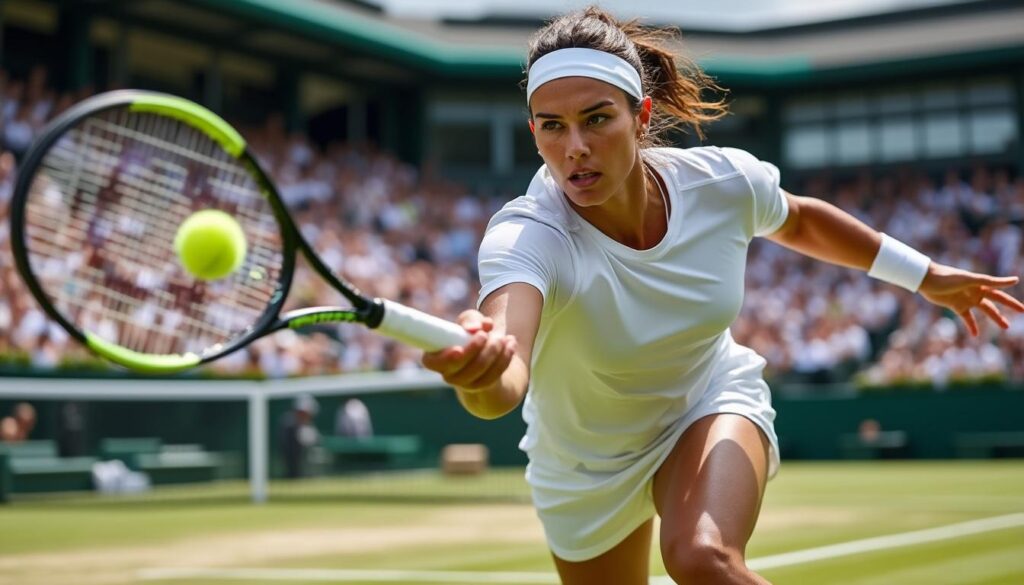
In the whirlwind world of tennis, where every serve counts and every mental misstep can cost matches, the off season emerges as a vital realm—not simply for gaining physical stamina but as a sanctuary for mental preparation. Far beyond a mere pause in the action, this period becomes the battleground for sharpening player focus, building mental resilience, and employing visualization techniques that spell the difference between victory and defeat. Powerful stories of players who harness this downtime to fortify their psychological edge illustrate why the off season is the ultimate training ground for mind and body alike. It’s where athletes peel back the layers of the past season, set ambitious goals, and redefine their performance mindset for the battles that lie ahead. Mental preparation during the off season is a compelling blend of cognitive training, stress management, and strategic refinement, a recipe that has turned promising talents into champions.
Brief Points:
- Reflection on past performances enables players to build on strengths and iron out weaknesses essential for the new season.
- Goal setting during the off season provides clarity and motivation without the pressure of competition.
- Visualization techniques and mental rehearsal build player focus and competitive confidence crucial in high-stakes moments.
- Development of mental resilience equips players to manage stress and remain composed during intense match play.
- Cognitive training and stress management offer strategic tools that make the difference during critical points in tournaments.
Harnessing Reflection and Strategic Goal Setting in Off-Season Mental Preparation
Once the curtain falls on the competitive season, top tennis players dive into a reflective process that is as crucial as any physical training. This process is not a passive review but an active, structured mental preparation that lays the groundwork for superior future performance. Players meticulously analyze what strategies propelled them forward and what mental or technical gaps held them back. This relentless self-examination fuels a learning mindset, turning even losses into stepping stones.
Setting meaningful, strategic goals without the immediate pressure of matches allows athletes to envision the trajectory of their upcoming season with precision. The power lies not only in defining objectives but in slicing those goals into actionable steps that nurture continuous improvement. For example, after identifying inconsistencies in serve accuracy during last year’s matches, players will leverage specialized drills to enhance this critical skill—combining physical conditioning with focused mental training on the serve’s precision and rhythm. This comprehensive approach integrates seamlessly with serve improvement drills that marry physical execution with cognitive preparation.
By fostering a clear mental blueprint during this downtime, athletes harness a renewed drive and unwavering focus when on the court. The process of goal setting transforms nebulous ambitions into tangible targets, giving the player the motivational fuel needed to navigate the highs and lows of the grueling season ahead. This targeted mental preparation—layered with deliberate cognitive training—embeds a performance mindset that thrives under pressure.
A well-rounded off-season regimen includes significant mental check-ins, enabling athletes to adjust goals as their physical condition and tactical skills evolve. This dynamic adjustment distinguishes elite players, ensuring their mental training stays relevant and impactful. Incorporating resources like the mental training guides on serve accuracy further sharpens the focus and underlines the criticality of an aligned mind-body connection.

Visualization Techniques and Cognitive Training: Unlocking Player Focus in the Off Season
Among the arsenal of mental preparation methods, visualization techniques stand out as a powerful catalyst for enhancing player focus and confidence. During the off season, athletes have uninterrupted time to mentally rehearse match scenarios, imagine successful executions of serves and returns, and mentally engrain victory sequences. This mental imagery refines neural pathways that improve actual performance under match-day stress. Consistently practiced visualization effectively primes the mind and body to respond with precision, transforming potential anxiety into controlled energy.
Cognitive training complements visualization by building sharpness, decision-making speed, and emotional control. Exercises focusing on stress management and emotional regulation are particularly valuable in the off season, fostering a mental state unshaken by external pressures. By engaging in these cognitive drills, players enhance their ability to maintain concentration during crucial long rallies or tiebreakers.
The synergy between visualization and cognitive training contributes to an athlete’s holistic mental resilience. For instance, when players integrate stress management strategies such as breathing techniques and mindfulness exercises into their daily routine, they cultivate calmness that can defuse pressure moments. These techniques have been featured in several studies validating their performance-enhancing effects during tournaments.
Such mental conditioning is vividly seen in top-tier tournaments where players maintain unshakable focus amidst roaring crowds and nail-biting moments. The same mental tools they hone during the off season are what power their resilience on courts from the Australian Open to the Paris Masters. Tools and routines shared in resources like mental focus strategies mid-match or mental toughness routines prove indispensable for maintaining a peak mindset all year round.
Building Mental Resilience: The Cornerstone of Off-Season Training Methods
Mental resilience is the glue that holds the surface skills together during moments of pressure and isolation. The off season serves as the dedicated timeframe when players reinforce this inner strength by confronting their mental barriers without the immediate demands of competition. It’s a time of deliberate cognitive training to fortify concentration, emotional stability, and self-belief.
Players often adopt customized mental toughness circuits that include a blend of self-talk strategies, stress inoculation techniques, and goal-oriented visualization drills. This layered approach not only prepares athletes for predictable challenges but also equips them to adapt to unexpected hurdles, ranging from unforced errors to sudden shifts in match dynamics.
This resilience training goes hand-in-hand with physical conditioning, which itself requires recovery periods in the off season. Coordinating efforts between physical and psychological preparation ensures that the athlete is sculpted into a formidable contender. Integrating knowledge from physical preparation programs alongside psychological coaching, such as those found in offseason conditioning and fitness guides, creates a robust foundation for success that is tough to break.
The emotional intelligence piece of resilience allows athletes to better understand their responses and maintain a positive mindset regardless of results. This trait is essential to sustaining long-term careers marked by repeated comebacks and personal bests. Through targeted mental preparation, players develop a balanced identity that supports well-being and optimal performance.
Effective Stress Management Through Off-Season Mental Training Practices
Stress, an inevitable specter in the competitive sports landscape, can sabotage performance if left unmanaged. The off season offers a vital window to tackle this challenge head-on with advanced mental training methods built explicitly for stress reduction. Techniques such as progressive muscle relaxation, meditation, and journaling are incorporated systematically to build adaptive responses.
By embedding stress management protocols in off-season routines, players create a buffer against the inevitable mental fatigue of successive matches and tournaments. This proactive approach minimizes the risk of burnout and sharpens cognitive functions essential for split-second tactical decisions.
Moreover, the off season is the perfect time to cultivate gratitude and celebrate small victories from prior seasons. Such positive psychology elements increase motivation and satisfaction, further reducing performance anxiety. Players learn to redirect their nervous energy into focus-enhancing mechanisms.
Integrating this comprehensive mental framework enhances overall player focus and fortifies their tournament readiness. Educational materials like mental training checklists provide structured blueprints that athletes and coaches use to maintain consistency in mental skills development throughout the year.
Combining Physical and Mental Preparation: A Synergistic Approach to Off-Season Training
In 2025, the tennis community increasingly acknowledges that mental preparation and physical conditioning are inseparable components of peak performance. Players lean on integrated training methods during the off season to create harmony between these two essential areas.
Physical routines tailored for off-season improvement are enhanced by mental exercises that reinforce perseverance and tactical clarity. For example, when practicing new serve techniques or forehand drills, players simultaneously engage in cognitive focus exercises to boost their reaction time and decision-making speed. This synergy is central to initiatives documented in effective conditioning guides, such as fitness routines tailored for major tournaments.
Leaders in athlete development emphasize a holistic schedule that balances rest, mental workouts, and physical drills. This balance ensures that players return to competition not just with a rejuvenated body but with an unbreakable mindset. Performing holistic off-season training effectively closes the gap between potential and realized excellence.
| Training Component | Off-Season Focus | Mental Benefit | Performance Outcome |
|---|---|---|---|
| Reflection & Goal Setting | Analysis of past performance & setting progressive goals | Clarity of purpose & motivation | Improved strategic approach during matches |
| Visualization Techniques | Mental rehearsal of match scenarios | Enhanced focus & confidence | Increased execution precision under pressure |
| Mental Resilience Training | Cognitive drills and stress inoculation | Emotional stability & adaptability | Better recovery from adversity in matches |
| Stress Management | Relaxation methods and positive psychology | Reduced anxiety & improved concentration | Consistent, high-level performance |
| Physical Conditioning + Mental | Integrated training routines | Holistic preparedness | Peak physical and mental competition readiness |
How can visualization techniques enhance tennis performance during the off season?
Visualization allows players to mentally rehearse successful match plays and scenarios, enhancing their focus and muscle memory, which translates into improved execution when competition resumes.
Why is goal setting crucial in mental preparation for the off season?
Goal setting provides athletes with a clear roadmap and motivation, helping them build confidence and resilience before the pressure of the upcoming season intensifies.
What role does mental resilience play in handling match pressure?
Mental resilience equips players to remain calm and focused when faced with challenges like unforced errors or pivotal points, improving their ability to recover quickly and maintain performance.
How does stress management training benefit tennis players?
Stress management techniques reduce anxiety and mental fatigue, allowing players to stay concentrated and consistent throughout demanding tournaments.
Can combining physical and mental training during the off season improve competitive results?
Yes, integrating physical conditioning with mental preparations creates a synergy that results in holistic athlete readiness, enhancing both physical capabilities and mental toughness.