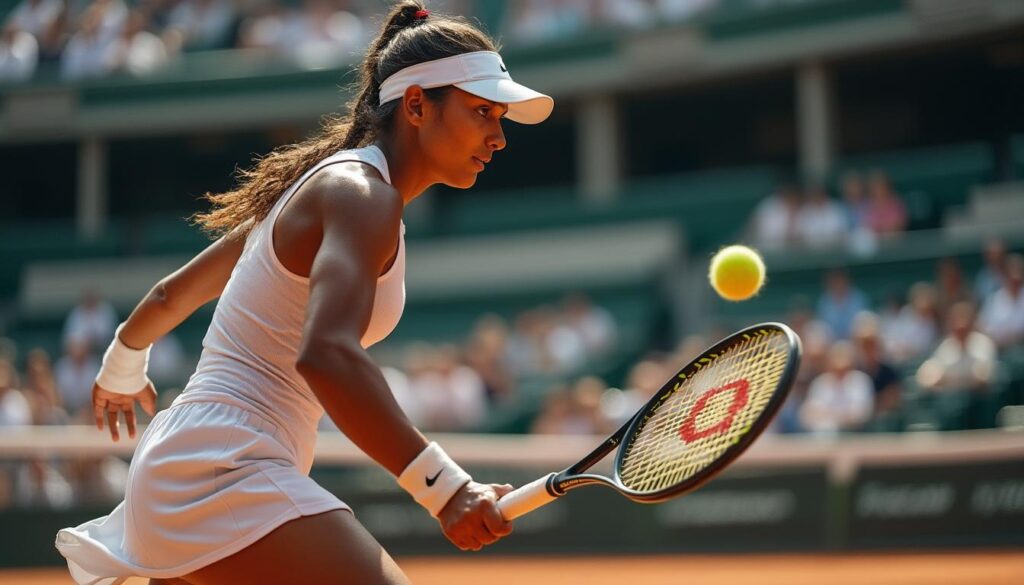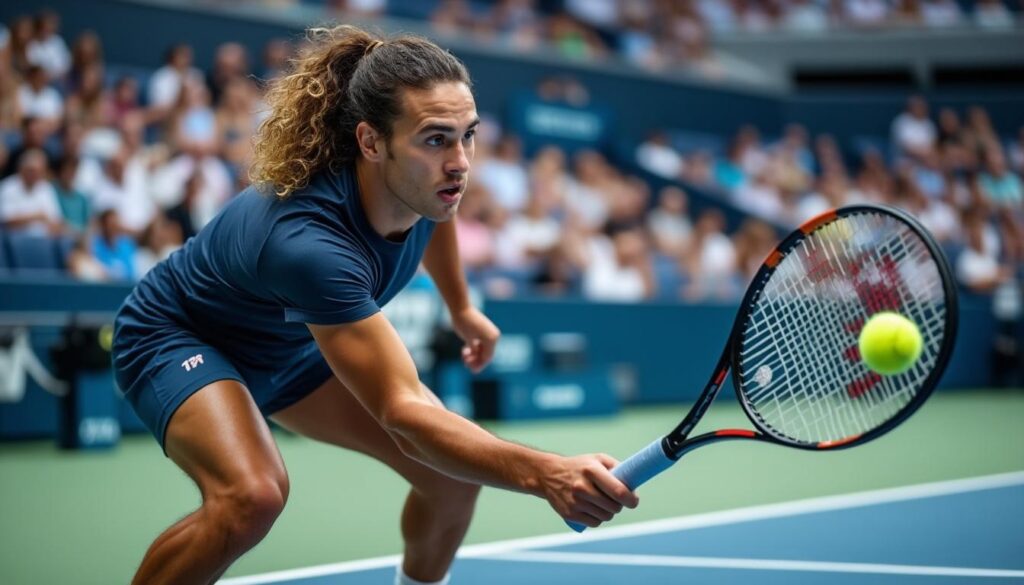
As winter blankets many regions and the tennis season transitions into a quieter phase, the world’s top players don’t simply rest—they evolve. December marks a crucial window when elite athletes engage in highly structured off season conditioning to sharpen their edge for the upcoming year. It’s a period defined not by relaxation but by deliberate, tactical fitness routines designed to build strength, improve endurance, accelerate recovery, and mentally reset. These rehabbed workouts blend science, grit, and artistry, transforming downtime into a powerful springboard toward peak performance. In the flicker of a tennis ball and the grind of repetitive serve practice, the training secrets of champion players come alive.
Understanding what it takes to craft an effective athlete workout during this critical month is more than curiosity; it’s a gateway for enthusiasts and competitors alike to elevate their game. From cross-training to nutrition, every element is tuned to sustain momentum while guarding against injury. Top players meticulously adjust their programming with a focus on strength building and sports conditioning that primes their bodies for explosive movement, swift directional changes, and precise shot execution once the tour restarts. This is not off season fitness—it’s off season dominance.
By dissecting the routines adhered to by tennis’s finest in December, one gains insight into the deeper why and how of athletic preparation. From the mental conditioning that sharpens focus to the recovery methods that make every workout sustainable, the panorama is expansive and intensely purposeful. Bodies are shaped, minds are honed, and every rep, sprint, and stretch contributes to a grand strategy of readiness. This is the controlled chaos behind every blistering ace and match-winning rally.
In brief – Key highlights of off season conditioning for top players in December:
- Cross-training introduces variety and balances muscle development while preventing burnout.
- Strength and resistance training sessions target functional power essential for on-court explosiveness.
- Cardiovascular conditioning through interval and endurance training sustains stamina and game endurance.
- Flexibility and mobility work underpin injury prevention and fluid movement.
- Nutrition and hydration strategies maintain optimal energy and recovery during colder months.
- Goal-setting and progress tracking keep players motivated and accountable through a sometimes challenging off season.
- Mental preparation ensures athletes enter the new season with sharpened focus and resilience.
Off Season Conditioning Fundamentals: How Top Tennis Players Structure December Training
December’s off season conditioning routines reflect a blend of strategic recovery and targeted improvement. Elite tennis players approach this period with the clear aim of strengthening their physical foundations while mitigating the risk of injury that a grueling season inevitably introduces. This is far from a passive break; rather, it’s a meticulous recalibration.
Cross-training forms the backbone of many off season fitness plans in December. Players pivot away from repetitive tennis drills to engage in swimming, cycling, or rowing, expanding their cardiovascular base while breaking the monotony. These alternative modalities not only enhance endurance training but also work varied muscle groups to balance strength and flexibility.
Strength building is focused and functional. Athletes emphasize compound movements—squats, lunges, deadlifts—that develop lower-body power crucial for explosive starts and rapid court coverage. Bench presses and rows build the upper body, supporting weight transfer during serves and groundstrokes. Performing these exercises three to four times a week ensures progress without overtaxing their muscular systems, providing necessary recovery methods integral to off season fitness.
Flexibility and mobility drills are woven into daily routines. Yoga and Pilates, two favorite tools, enhance joint range of motion and core stability. These sessions reduce muscle tightness acquired from months on hard courts and prepare the body to respond fluidly to unpredictable game situations. This attention to mobility is a key factor in the injury prevention strategies embraced by top players.
Nutrition during December is calibrated to maintain muscle mass and fuel the increasing strength building exertions despite the holiday temptations that winter often brings. Dietitians emphasize balanced meals rich in proteins, complex carbohydrates, and healthy fats, alongside vigilant hydration practices to sustain metabolic function and muscle repair.
Tracking progress is more than logging reps or miles run. Through fitness apps and journals, players set measurable targets, such as increasing serve speed or improving endurance markers, ensuring each workout is purposeful. This tracking generates feedback loops that inform subsequent adjustments, fostering continued development.
Top players don’t surrender to winter doldrums — they tackle off season conditioning with the vigor of a match point rally, integrating recovery sessions like massage and foam rolling to optimize muscle regeneration and readiness.

Strength Building and Functional Movements: The Core of December Fitness Routines
Strength training in December goes beyond muscle mass gains. The emphasis lies squarely on functional power that translates directly onto the court. Tennis demands quick, explosive bursts paired with sustained stamina—traits born from carefully crafted resistance training protocols.
Players tailor their regimens around functional movements that closely mimic in-game actions. Squats and lunges develop the explosive drive off the baseline, while deadlifts simulate the hip hinge needed for low volleys and powerful serves. Upper-body exercises such as bench press support powerful stroke executions, helping players generate racket head speed and leverage. This deliberate focus on sport-specific strength protects against the physical toll of the demanding tour schedule.
Resistance bands have emerged as popular tools for off season workouts, allowing athletes to strengthen smaller stabilizing muscles critical for injury prevention. These bands also enable controlled variations for progressive overload while enhancing flexibility—two attributes essential to sustain power and durability through a full season.
Sample weekly strength training schedule:
| Day | Focus | Sample Exercises |
|---|---|---|
| Monday | Lower Body Power | Squats, Lunges, Box Jumps |
| Wednesday | Upper Body Strength | Bench Press, Rows, Shoulder Press |
| Friday | Full Body Functional | Deadlifts, Kettlebell Swings, Core Stability Drills |
This structured approach ensures muscles are challenged and developed with balanced recovery—a strategy that top athletes have adopted for years, as seen in offseason fitness strength routines tailored specifically to their unique demands.
Endurance Training and Cardiovascular Conditioning: Sustaining High Performance
Endurance is the lifeblood of tennis performance. December off season fitness routines incorporate varied cardiovascular conditioning methods to elevate aerobic capacity while preventing burnout through monotony.
High-Intensity Interval Training (HIIT) is a staple for elite players preparing for the explosive energy bursts tennis demands. By alternating periods of intense effort with recovery, HIIT improves both aerobic and anaerobic energy systems, closely simulating the stop-and-go rhythm of matches.
Beyond interval workouts, steady-state endurance exercises such as cycling or swimming build a robust base without taxing the joints. This variety aligns with the concept of embracing cross-training for comprehensive fitness gains. These activities also allow players to maintain cardio fitness while promoting mental freshness.
Interval training examples for tennis players:
- 30 seconds sprint followed by 60 seconds walking or jogging, repeated 8-10 times
- 4 minutes moderate run, 1 minute fast pace, repeated 4 times
- Tabata-style circuits combining bodyweight exercises with explosive cardio movements
These training methods improve stamina and speed recovery between points, crucial during extended rallies or multi-set matches. The endurance conditioning also pairs seamlessly with recovery methods like yoga or active stretching to promote circulation and muscle relaxation.
Nutrition and Recovery Strategies That Fuel December Training Efforts
Off season conditioning is incomplete without disciplined nutrition and thoughtful recovery. December’s shorter days and colder weather can tempt athletes toward less optimal dietary habits, yet top players maintain a strict focus on nourishment that supports their intense regimen.
Balanced meals featuring lean proteins for muscle repair, complex carbohydrates for sustained energy, and healthy fats for hormonal balance form the pillars of their diets. Hydration remains critical despite lowered thirst sensations in cold climates; it underpins performance and recovery on a cellular level.
Sleep quality receives increased attention during off season fitness routines, with athletes prioritizing 7-9 hours daily to facilitate tissue repair and cognitive function. Techniques like foam rolling and massage are integrated to reduce muscle soreness and expedite recovery cycles.
For example, a standard recovery day might include:
- Morning yoga session focusing on breath control and stretching
- Hydration focus with electrolyte-enhanced beverages
- Protein-rich meals spaced evenly to optimize muscle synthesis
- Evening meditation or visualization practices to improve mental resilience
Modern athletes pair these techniques with detailed monitoring tools, adjusting intake and rest based on biomarkers or subjective fatigue scales. This precise calibration ensures training stimuli are met with optimal recovery, maximizing gains without overreach. A deeper dive into these topics is available in offseason fitness insights from top competitions.
Goal Setting, Mental Conditioning, and Staying Engaged Throughout December Workouts
Top players understand that off season conditioning is not just a physical test but a mental marathon. Setting clear, measurable goals drives focus and combats the motivational dips that winter months can impose. From developing a stronger serve to enhancing court agility, athletes use goal-setting as an engine for daily progress.
Visualizing success plays a pivotal role in this equation. Techniques highlighted in shadow tennis and visualization enhance an athlete’s confidence and mental toughness by mentally rehearsing winning scenarios. This prepares the mind for high-pressure moments when the competitive season returns.
Additional strategies to sustain engagement during December include finding training partners to simulate match intensity and creating friendly competitions. These human connections infuse workouts with energy, camaraderie, and accountability—vital factors in maintaining consistent off season fitness.
Maintaining a reflective log or journal is another powerful tool. Documenting accomplishments, areas for improvement, and emotional responses to training sessions encourages self-awareness and strategic adjustments, sustaining momentum through the off season.
The marriage of physical preparation and mental conditioning during December results in athletes emerging stronger, sharper, and more resilient. As training hard meets training smart, the path to success crystalizes, ready to be traveled when the tour lights blaze back on.
Why is off season conditioning crucial for tennis players?
Off season conditioning enables tennis players to build strength, improve endurance, and recover properly, setting the foundation for peak performance when the season resumes.
What are effective strength building exercises for tennis players in December?
Compound exercises like squats, lunges, deadlifts, bench presses, and resistance band training help develop functional power tailored for tennis.
How can athletes maintain motivation during the off-season?
Setting specific goals, tracking progress, incorporating visualization techniques, and training with partners are effective methods to stay engaged.
Why is flexibility important during off season fitness routines?
Flexibility reduces injury risk by improving range of motion and aids fluid movement essential for tennis’s dynamic demands.
What role does nutrition play in December training?
Balanced nutrition fuels workouts and aids recovery, ensuring athletes maintain energy and muscle health during off season conditioning.