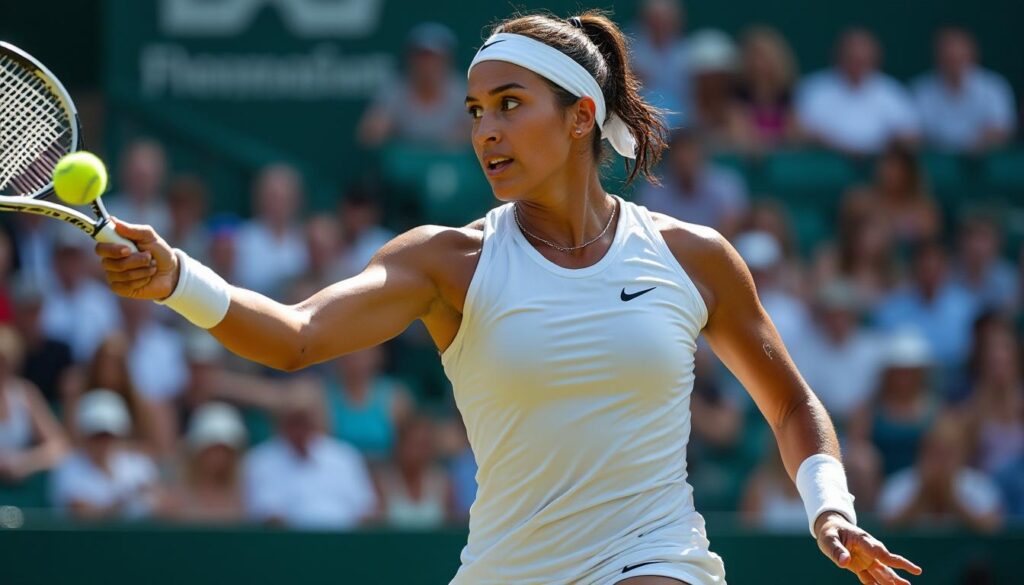
As December 2025 draws to a close, the anticipation in the realm of professional sports is electrifying. The pre-season training blocks are meticulously crafted rituals that sculpt raw talent into commanding performances. These blocks do more than just sharpen athletes’ bodies; they architect the psychological and tactical terrains that players navigate once the spotlight hits competition. Understanding how professionals structure their preparation during these pivotal weeks reveals a masterclass in training periodization and performance optimization. It’s not merely about sweating it out—it’s about strategic layering of conditioning programs, mental readiness, and intricate scheduling designed to hit peak athlete readiness right when it matters most.
Pre-season training blocks represent the crucible for athlete development, blending rigorous discipline with scientific precision. The professional athlete’s preparation structure unfolds like a symphony—every session, recovery protocol, and tactical drill plays a deliberate role in elevating game-day tenacity. These blocks aren’t haphazard; each phase targets specific physical, technical, and psychological adaptations. For amateurs and enthusiasts peering into this world, the methodology unveils how champions fortify themselves against the unforgiving demands of an elite competitive season.
- Preseason phases are carefully segmented: building core fitness, honing sport-specific endurance, then sharpening with match-intensity training.
- Conditioning programs blend aerobic, strength, and speed drills optimized for sustained power and explosive moments.
- Video analysis and tactical feedback integration are increasingly leveraged for maximizing skill acquisition and strategic precision.
- Nutritional and recovery strategies form the silent backbone ensuring athletes rebound stronger between sessions.
- A balanced training schedule prevents burnout and prepares athletes for the grind of a full season.
Decoding the Anatomy of Preseason Training Blocks for Professional Athletes
Preseason training blocks in December 2025 are not just a warm-up but a meticulously calibrated performance machine powered by periodization science. For professional athletes, the preparation structure spans multiple layers—conditioning, technical drills, tactical rehearsals, and mental robustness—all intertwined through a strategic timeline known as training periodization. This methodology ensures athletes peak at the onset of competitive seasons while mitigating injury risks that could derail entire campaigns.
The foundational phase focuses on physical conditioning. Here, athletes build aerobic bases with interval training and sustained endurance runs. This stage isn’t about muscle exhaustion but about conditioning programs that fortify cardiovascular systems for long-lasting performance. For example, interval blocks mimicking the unpredictability of match play are introduced gradually, blending jogging and quick sprints. These sessions are vital to conditioning athletes for the bursts of high-intensity activity they’ll face during real games.
Following physical groundwork, the second block brings in sport-specific conditioning. Athletes engage in drills that integrate ball control, agility, and decision-making under fatigue. For tennis professionals, this means practicing shot execution on various surfaces, mimicking competitive pace and stress. The use of weighted balls or resistance training complements this, building explosive strength and endurance simultaneously. Conditioning here evolves from pure fitness to refined athleticism, ensuring the body is finely tuned for tactical execution.
Finally, the sharpening phase culminates the preseason blocks. This involves high-intensity match simulations, rapid transitions, and complex tactical setups. The focus shifts to maximizing athlete readiness—speed, reaction time, and mental acuity are pushed to their limits. Recovery protocols are optimized—active rest, nutrition strategies, and video feedback from tools like professional analysis platforms help athletes internalize patterns and correct deficiencies in near real-time.

Building Athlete Readiness: The Core Pillars of a Modern Conditioning Program
Every professional’s pre-season training blocks revolve around a holistic conditioning program designed to elevate endurance, strength, speed, and tactical sharpness. It’s a dance between science and sweat, where each pillar holds distinct yet overlapping purposes.
Endurance: The Heartbeat of Sustained Performance
Modern endurance training goes beyond monotonous laps. It incorporates alternating intervals, such as HIIT and Fartlek methods, which mirror the unpredictable rhythms of competitive matches. For instance, layering fast-paced sprints with jogging recovery phases exposes the athlete’s aerobic and anaerobic systems to intermittent stress, fostering rapid recovery and improved overall resilience. This type of training is vital in preparation blocks to boost cardiovascular endurance without sacrificing the athlete’s fast-twitch muscle fibers.
Tennis players preparing for the rigors of hard court tournaments use endurance-enhancing drills that replicate the stop-and-go nature of rallies, integrating court dimensions and movement patterns from hard court tennis techniques to maximize relevance and transferability of conditioning.
Functional Strength and Core Stability
Strength training is calibrated with a focus on functional exercises that support sport-specific movements. Medicine balls, resistance bands, and bodyweight exercises target the core, legs, and upper body. This helps athletes generate power for explosive movements—be it a serve, volley, or quick court direction change.
Consider the layering of plyometrics with core isometrics; this not only fortifies muscles but also enhances neuromuscular efficiency. Strength components are progressively integrated during December to build durability sans fatigue that could impact early season performance.
Speed, Agility, and Reaction Training
Short sprints, agility ladders, and reaction drills sharpen quickness vital for professional competition. Speed training sessions prioritize acceleration and deceleration mechanics, mimicking match scenarios where players respond swiftly to opponent moves. Drills alternate between ball and no-ball scenarios to foster cognitive and physical synergy.
Integrating speed work with tactical decision-making—as in simulated game conditions—ensures that athletes aren’t just fast but smart in their movements. For drills linked closely with decision-making under pressure, athletes consult video feedback and adjust accordingly via modern platforms like those discussed in injury prevention and fitness research and tools.
Strategic Training Schedule: Periodization and Progression in December 2025 Preparations
Success in professional sports hinges on the controlled progression embedded within training periodization. December 2025’s training blocks exemplify precise calibration of workload and recovery to produce peak performance at competitive season kick-off.
Typically, the schedule adheres to a three-phase model spread over 6-8 weeks. The initial phase, emphasizing foundational conditioning, occupies the first two to three weeks, focused on moderate intensity but high volume. Athletes engage in endurance base-building exercises and low-impact technical drills to reacquaint the body and mind with competitive demands.
Midway through the cycle, the second phase intensifies with increased session complexity — tennis players might face drills mixing speed with shot precision under fatigue, integrating tactical instructions for court positioning and rally construction. High-intensity interval training elevates the cardiovascular load, supported by strength and agility sessions. Friendly matches and intra-squad scrimmages provide real-time performance feedback and psychological conditioning.
The final weeks shift towards fine-tuning match readiness. Training volume tapers, but intensity surges during targeted sessions. This balance fosters freshness without performance dips. Mental preparation, including goal visualization and team cohesion exercises, align with physical readiness, giving players the confidence and tactical clarity they need. Specialized fitness routines ensure strength and endurance are maintained with minimal injury risk as competition approaches.
| Week | Focus | Intensity | Volume | Examples of Training Elements |
|---|---|---|---|---|
| Weeks 1-3 | Building Foundations | Moderate | High | Endurance runs, basic technical drills, core stability |
| Weeks 4-6 | Sport-Specific Conditioning & Tactics | High | Moderate to high | Speed drills, tactical court positioning, complex ball drills |
| Weeks 7-8 | Fine-Tuning & Match Simulation | Very High (short bursts) | Reduced | Match intensity sets, video feedback, recovery protocols |
Optimizing Mental Strength and Team Cohesion Throughout Preseason Training Blocks December 2025
Mental toughness and team chemistry emerge as defining factors during the pre-season. Professionals don’t just sculpt their bodies; they architect resilience, confidence, and unwavering focus through shared challenges and deliberate team-building exercises.
Visualization techniques help athletes internalize strategies and prepare mentally for competitive pressure. Coaches foster a culture of accountability and positive communication ensuring every player understands tactical objectives and their role within them. Group activities off the court—be it dinners or light outings—build camaraderie that manifests as undeniable chemistry during matches.
Moreover, responding to setbacks like friendly match losses during this period is pivotal. Professionals are trained to quickly rebound mentally, reviewing video footage via tools such as tournament spotlights and analytical feedback platforms to identify improvements without losing confidence. This mental scaffolding ensures athletes are battle-ready, no matter the season’s unpredictability.
Nutritional and Recovery Strategies Amplifying Performance Optimization in Preseason
Nutrition and recovery are the silent giants supporting the visible grind of training. December’s intensely structured training periods push bodies to new limits, and without adequate nutrition and recovery, performance plateaus or declines.
During pre-season, athletes ramp up carbohydrate intake before sessions for immediate energy and focus on protein-rich meals post-training to accelerate muscle repair. Hydration protocols involve frequent water intake supplemented by isotonic drinks during high sweat-output workouts, enhancing electrolyte balance.
Recovery begins with proactive sleep management, targeting 7-9 hours nightly, enabling cellular regeneration and cognitive reset. Active recovery techniques—light jogging, stretching, and foam rolling—reduce muscle soreness and enhance circulation.
These interventions collectively foster the athlete readiness necessary for demanding training blocks. Neglecting these factors can strip months of gains, emphasizing why recovery and nutrition are inseparable pillars in any high-level conditioning program, as supported by insights in offseason fitness and strength training articles.
How long should professional preseason training blocks typically last?
Most professional preseason training blocks span between 6 to 8 weeks, allowing gradual build-up of fitness and tactical integration without overwhelming the athlete.
Why is periodization crucial in preseason training?
Training periodization allows athletes to progressively increase training intensity and volume in structured phases, optimizing performance gains while reducing injury risk.
How do video analysis tools impact preseason preparation?
Video analysis provides objective performance feedback, helping coaches and players identify tactical improvements and technique adjustments that maximize training effectiveness.
What role does recovery play during intense preseason training?
Proper recovery is essential to allow physiological adaptation, prevent overtraining, and ensure athlete readiness for subsequent high-intensity sessions.
Can preseason training programs be tailored for individual athlete needs?
Yes, while the overall structure remains consistent, professional programs allow customization based on player fitness levels, injury history, and position-specific demands.