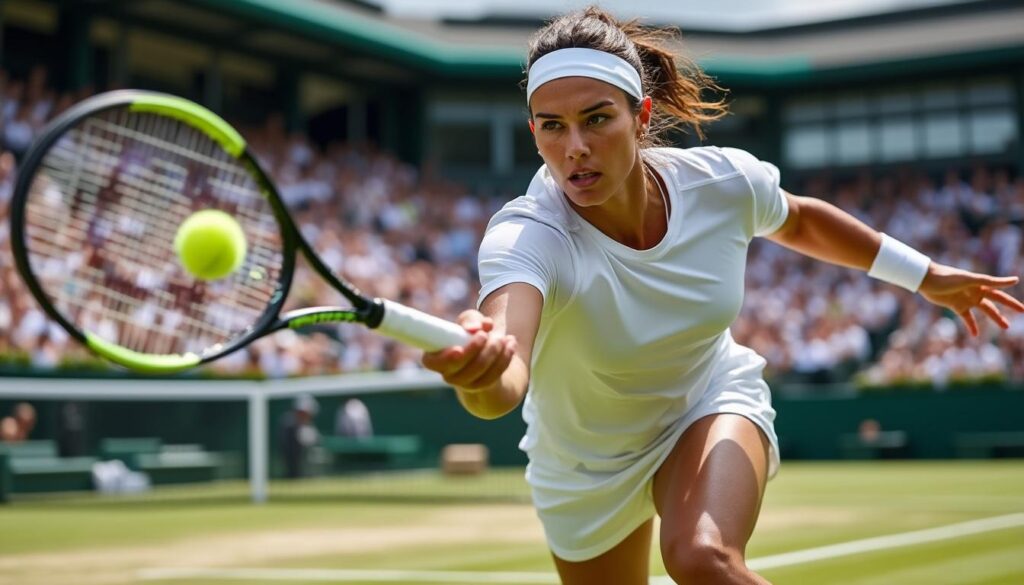
When the calendar flips to December 26, 2025, athletes will be stepping onto courts and fields with one critical mission: mastering the art of match simulation sessions. These aren’t your ordinary drill days; they’re intense, calculated rehearsals designed to sharpen both the body and mind. Picture an athlete fine-tuning their physical endurance while simultaneously locking in razor-sharp mental focus—ready to face the heightened pressure of real competition. The essence of these sessions lies in their ability to blend physical preparation with mental resilience, creating a performance synergy that can make or break a decisive match.
Physical and mental preparation go hand in hand in these high-stakes training sessions. Competitors learn not simply to withstand the grueling demands of extended rallies or rapid footwork but also to combat internal obstacles like stress, anxiety, and momentary lapses in confidence. The result is a comprehensive readiness that transforms nerves into determination and fatigue into fiery precision.
Beyond the sweat and strategy, match simulation sessions embrace a holistic approach. They incorporate pre-match routines focused on breathing exercises, visualization techniques, and emotional regulation tools, all of which prime athletes for the unpredictable rollercoaster of competition. This preparation isn’t exclusive to seasoned pros; it’s a roadmap for anyone aiming to elevate their game and embrace the mental toughness champions wield.
As 2025 pushes athletes to new frontiers of performance training and sports simulation, these December 26 sessions emerge as crucial pivot points—moments when raw talent is tested against meticulously crafted mental and physical challenges. It’s a true testament to the fact that winning isn’t just about athleticism, but about mastering one’s inner game with the same ferocity as any forehand winner.
Brief highlights to take note of:
- Match simulation sessions sharpen athlete readiness by fusing physical and mental preparation.
- Physical training incorporates endurance, agility, and recovery strategies to withstand tournament demands.
- Mental focus techniques such as visualization and breathing exercises reduce anxiety and boost confidence.
- Pre-match routines form a critical cornerstone to maintaining optimal focus and calm under pressure.
- Sports simulation drills recreate competitive scenarios, offering players a chance to rehearse their tactical and emotional responses.
Harnessing Physical Preparation for Peak Match Simulation Performance
The lifeblood of any competitive session, physical preparation, dictates how well an athlete withstands the grueling demands of multiple matches played back-to-back. The match simulation sessions slated for December 26, 2025, emphasize more than just sheer endurance—they demand intelligent training that prioritizes function and recovery.
Athletes engage in a blend of aerobic and anaerobic endurance drills to build stamina for sustained rally battles and explosive points alike. Speeds rocket during these sessions, with agility circuits designed to fine-tune quick footwork and coordination. This means not merely running for hours but focusing on specific muscle groups and movement patterns crucial to tennis, such as lateral shuffles and explosive starts.
Functional strength training plays a pivotal role. Incorporating exercises that enhance core stability and joint integrity fortifies the body against injury and fatigue—a necessity when simulating tournament conditions repeatedly. For instance, players might perform weighted squats paired with balance challenges, mimicking the demands of shifting weight dynamically during a rally.
But physical preparation isn’t all about work—recovery routines are embedded into these sessions to maximize performance longevity. Stretching regimens, physiotherapy, and contrast baths help muscles reset, while emerging tech devices monitor athlete condition in real time, offering tailored feedback during the training.
These physical protocols mirror recommendations from leading tennis preparation guides that advocate for a balanced approach to fatigue management and injury prevention. The objective? Arrive at every simulated match ready to deliver peak performance without compromise.
Focused Endurance and Conditioning
Endurance serves as the backbone during extended social matches or competitive sets where mental and physical fatigue threaten control. Training regimens include interval workouts that alternate between high-intensity volleys and controlled rallies, helping players maintain their shot precision even under exhaustion.
Beyond stamina, these sessions emphasize strength conditioning circuits targeting the shoulder girdle, lower back, and legs—critical zones absorbing high impact in tennis. Athletes also practice dynamic stretching routines pre- and post-session to sustain mobility and reduce injury risk.
To sustain this level of preparedness, players are encouraged to monitor their recovery meticulously by incorporating optimized recovery tools and nutrition habits that refuel and rebuild muscle efficiently after training stresses.
The Role of Mental Preparation in Elevating Match Performance
It’s often the mind that distinguishes a good match from a great one. In the electrifying moments of competition, athletes face pressure-filled rallies where mental fortitude determines who holds firm versus who buckles. December 26’s match simulation sessions push beyond physicality, cementing mental preparation as an irreplaceable pillar of readiness.
Mental training encompasses a variety of techniques aimed at reducing stress, sharpening focus, and boosting confidence. Visualization is the crown jewel—athletes mentally rehearse winning points, perfect serves, and calm responses to adversity. This mental imagery not only lowers anxiety but builds the motivation necessary for relentless practice and peak in-match focus.
Additionally, athletes master controlled breathing techniques designed to calm the nervous system during tense moments. Simple exercises—inhaling slowly for four seconds, holding for two, then exhaling with equal control—help maintain composure and clear thinking regardless of scoreboard pressure or crowd roar.
Mental readiness also involves forming a pre-match routine that reinforces confidence and consistency. This could include journaling fears and expectations beforehand or employing affirmations to replace negative self-talk. Such deliberate framing of mindset has been shown to foster resilience and quicker recovery from setbacks during competition.
Players implementing these mental engines often report a tangible drop in performance anxiety and greater ability to channel nerves into constructive energy, a benefit highlighted in many mental preparation training studies and real-world applications.
Building the Mental Edge
Athletes deepen their mental toughness through repeated exposure to competition scenarios that simulate pressure, fatigue, and shifting momentum. This includes drills replicating tight scorelines or high-stakes points, forcing players to execute their skills calmly under duress.
Moreover, cultivating positive core beliefs replaces self-doubt with self-assurance, providing a psychological advantage. Techniques like affirmations and growth mindset exercises are standard fare during these sessions.
Such mental conditioning cannot be overstated: it creates athletes who don’t just train hard but train smart, equipped for the complex psychological battlefield of competitive tennis.
Strategic Sports Simulation: Bringing Match Intensity to Training
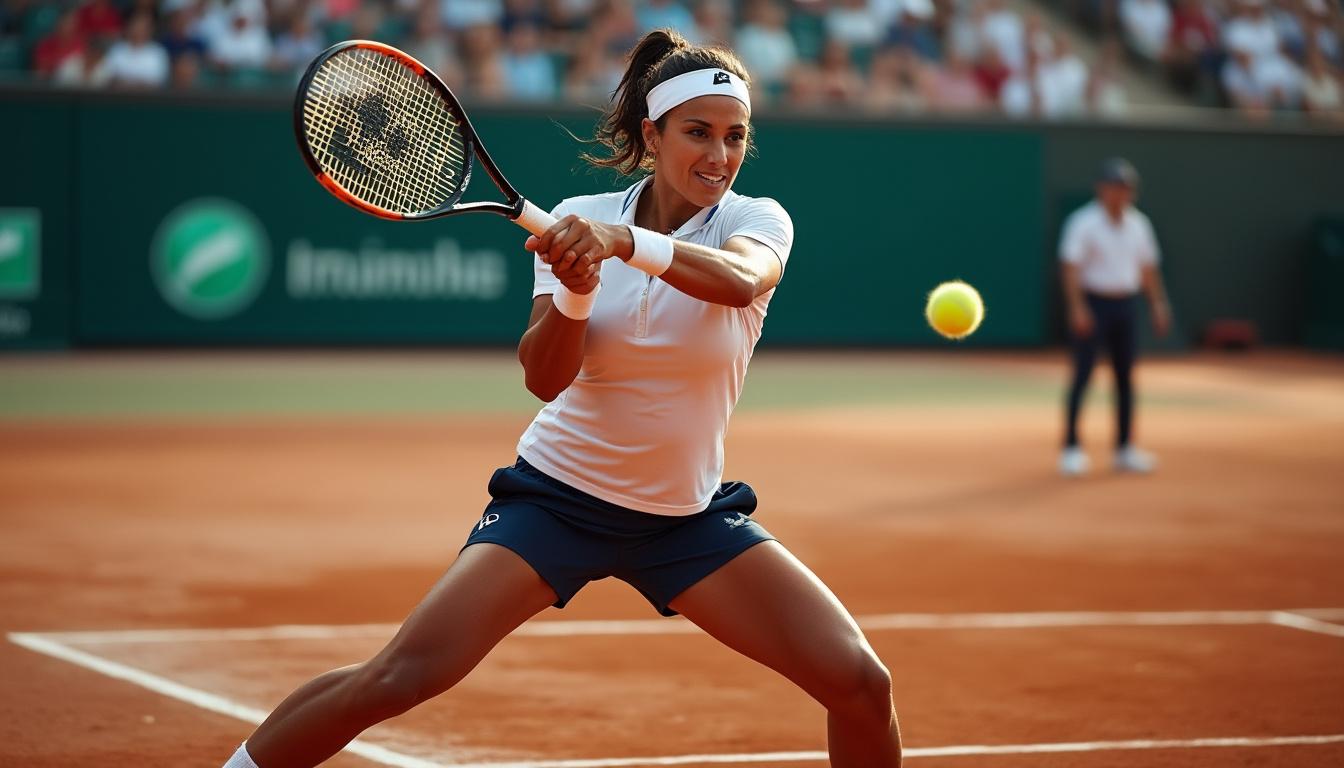
Match simulation transcends routine drills by mimicking the exact conditions, emotional surges, and tactical complexities found on tournament courts. December 26, 2025, will see players dive deep into controlled scenarios that recreate match pressure, crowd atmosphere, and tactical stakes.
These sports simulation sessions integrate live scoring, timed points, and situational challenges to replicate the ebb and flow of real competition. Players experience scenarios like serving to save breakpoints or returning under relentless pressure, weaving mental toughness and physical readiness inseparably.
Such training hones decision-making speed, shot placement accuracy, and adaptability—critical assets for success when every point matters. Drills like these are emphasized in the best tactical rehearsal drills that prime athletes for real matches.
This realistic pressure cooker environment not only builds confidence but also helps players develop tailored pre-match routines that guard against performance dips when it counts most.
Pre-Match Routines and Mental Focus
Preparation on December 26 also includes refining individualized pre-match rituals, a psychological anchor against nerves and distractions. This might involve brief meditation sequences, dynamic warm-ups synced with breathing exercises, or mental checklists that center focus prior to play.
These routines become a sanctuary, helping athletes enter matches with a calm mindset, aligned energy, and laser focus—critical for competitive edges in demanding tournaments or pressure-laden practice sets.
Coaches play a pivotal role by cultivating these habits during simulation sessions, ensuring mental focus remains unwavering even amidst the unpredictable chaos of high-level tennis.
Nutritional and Lifestyle Factors Complementing Match Simulation Training
An athlete’s regimen on December 26 wouldn’t be complete without addressing the often overlooked pillars of nutrition, hydration, and rest. Physical and mental preparation must be supported by smart lifestyle choices to maximize the intense training’s benefits.
The timing of carbohydrates influences energy availability substantially. Pre-match fueling should focus on complex carbs measured carefully to sustain endurance without causing digestive discomfort, as detailed in expert guides like match day fueling strategies.
Hydration remains paramount, especially during intense sessions where sweat rates spike. Electrolyte balance prevents cramping and aids recovery, while quality sleep accelerates both physical healing and mental clarity.
Rest days and active recovery protocols—stretching, light cardio, and physiotherapy—help prevent overtraining and maintain peak condition. Integrating these habits into the match preparation timeline ensures players arrive not only physically capable but optimally refreshed.
Creating Sustainable Habits
Nutritional education empowers athletes to make thoughtful food choices around training demands, avoid energy crashes, and recover effectively. Lessons often include meal planning, timing, and recognizing signs of dehydration or fatigue.
Small lifestyle adjustments such as limiting screen time before bed or practicing mindfulness further enhance recovery quality and mental tranquility, forming a comprehensive support system for performance training.
Key Elements of Effective Match Simulation Sessions: A Practical Overview
Decoding the multifaceted preparation needed for the December 26 match simulation training offers a blueprint for peak athlete readiness. These components work together as building blocks toward excellence on match day.
| Preparation Aspect | Focus Areas | Practical Techniques | Benefits |
|---|---|---|---|
| Physical Preparation | Endurance, strength, agility, recovery | Interval workouts, functional training, physiotherapy, mobility stretching | Increased stamina, injury prevention, faster recovery |
| Mental Preparation | Focus, confidence, anxiety control, visualization | Visualization drills, breathing exercises, affirmations, journaling | Calm under pressure, boosted confidence, improved consistency |
| Sports Simulation | Tactical decision-making, pressure adaptation | Tactical rehearsal drills, score simulation, scenario challenges | Sharper decision-making, improved adaptability, competitive readiness |
| Nutrition & Rest | Energy management, hydration, recovery | Carb timing, hydration protocol, sleep hygiene, active recovery | Optimal energy, muscle repair, mental clarity |
Integrating these pillars throughout a training program cultivates a balanced athlete—one equipped to tackle the physical rigor and mental intensity of match play with confidence and resilience.
How does mental preparation reduce anxiety before matches?
Mental preparation techniques such as visualization and controlled breathing help athletes calm their nervous system, allowing them to enter competitions with a clear, focused mind, reducing performance-related anxiety effectively.
What are the key physical elements to focus on during match simulation sessions?
Core components include endurance training, functional strength, agility drills, and recovery protocols, all designed to build stamina and minimize injury risk during extended play.
Why is nutrition important for performance training?
Proper nutrition fuels the body for intense sessions, aids in muscle recovery, and helps maintain energy levels throughout matches. Strategic carb timing and hydration significantly improve athletic output.
How can athletes develop effective pre-match routines?
By incorporating mental focus tools like journaling fears, positive affirmations, and breathing exercises, athletes create consistent rituals that reduce nerves and enhance concentration prior to competition.
What role does sports simulation play in preparing for real matches?
Sports simulation replicates the pressure and tactical complexities of competition, training athletes to make quick decisions and manage emotions, ultimately enhancing match readiness and confidence.