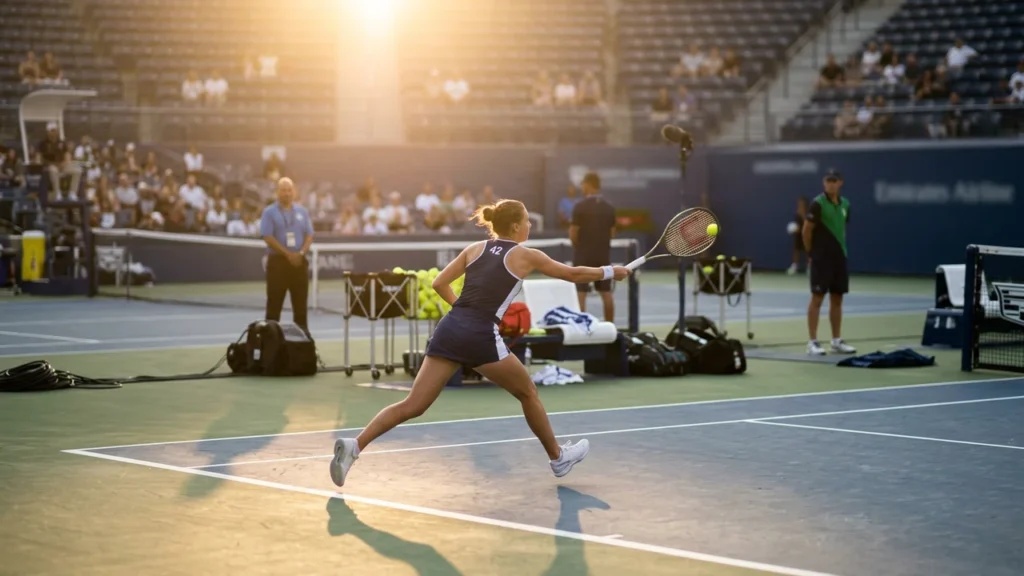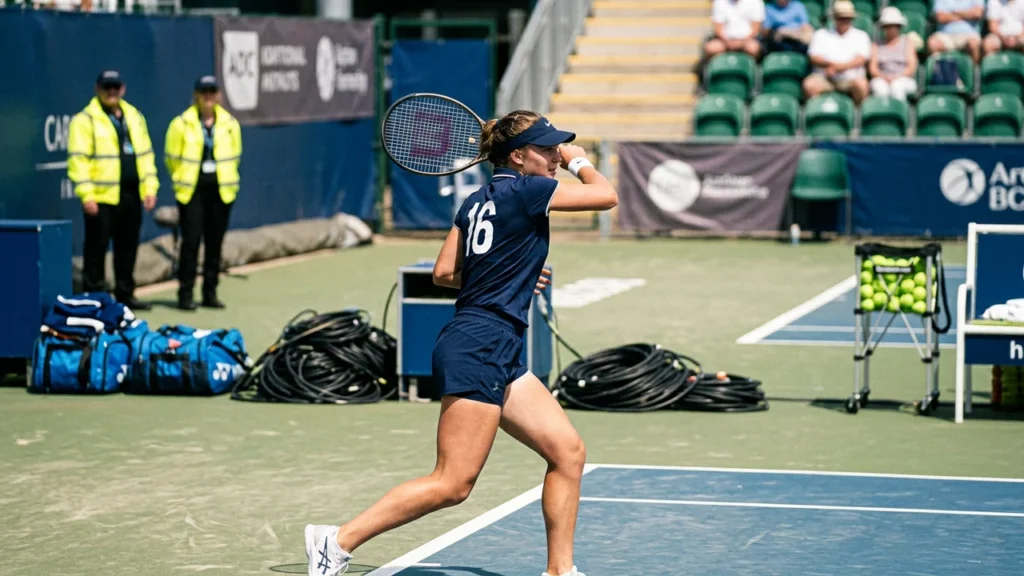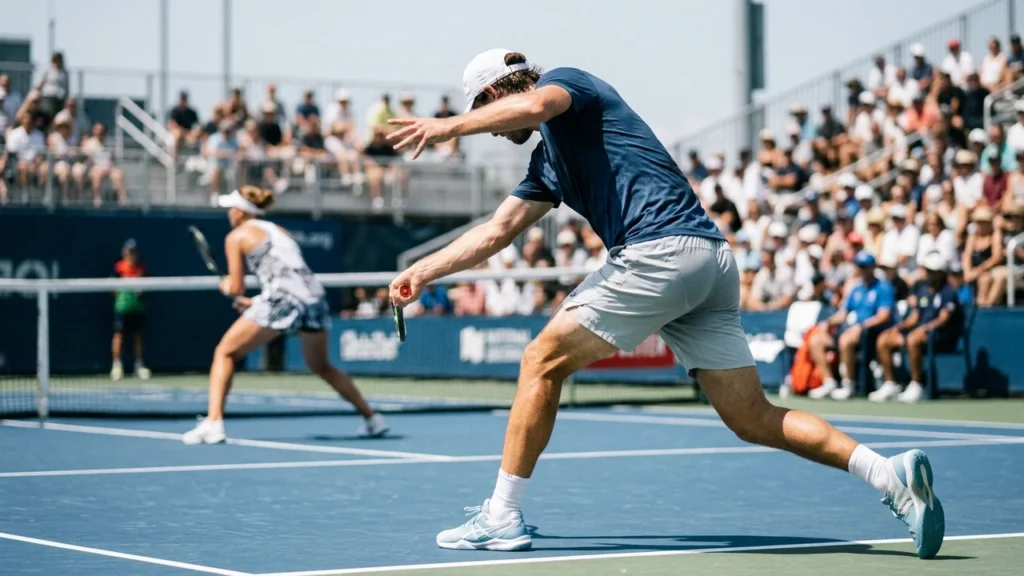
Henry Patten and Katerina Siniakova, the world’s number one men’s and women’s doubles players, were required to contest qualifying rounds for mixed doubles at the US Open Tennis. Coaches, analysts, and casual fans have questioned an entry system that relies on singles rankings to determine mixed doubles participation, and what it says about the sport’s understanding of partnerships and on-court chemistry.
The dispute extends beyond bureaucracy. It strikes at the heart of doubles strategy and the gap between administrative frameworks and elite team play. As one observer put it, “Our beloved sport was handed a very simple assignment, assemble an elite mixed doubles field, and somehow decided that doubles rankings would be an unnecessarily obvious way of determining who should play doubles.”
Patten and Siniakova’s partnership offers a rare study in optimal formation. Both specialists, each at the top of their discipline, took to the qualifying courts with command of space, movement, and transitional coverage. From the opening points, their positioning illustrated a critical element of high-level mixed doubles. The pair’s feel for when to poach, when to slide into the alley, and how to cover the middle was leagues ahead of most ad hoc teams assembled by singles stars.
Their route through qualifying also exposed a broader flaw: the current system privileges singles rankings over doubles expertise. That is particularly stark in mixed doubles, where tactical synergy and defined roles are often more decisive than raw power or baseline consistency. Building teams around singles rankings risks sidelining the qualities that make mixed doubles such a compelling tactical contest.
Chemistry, formations, and the spectacle of unpredictability
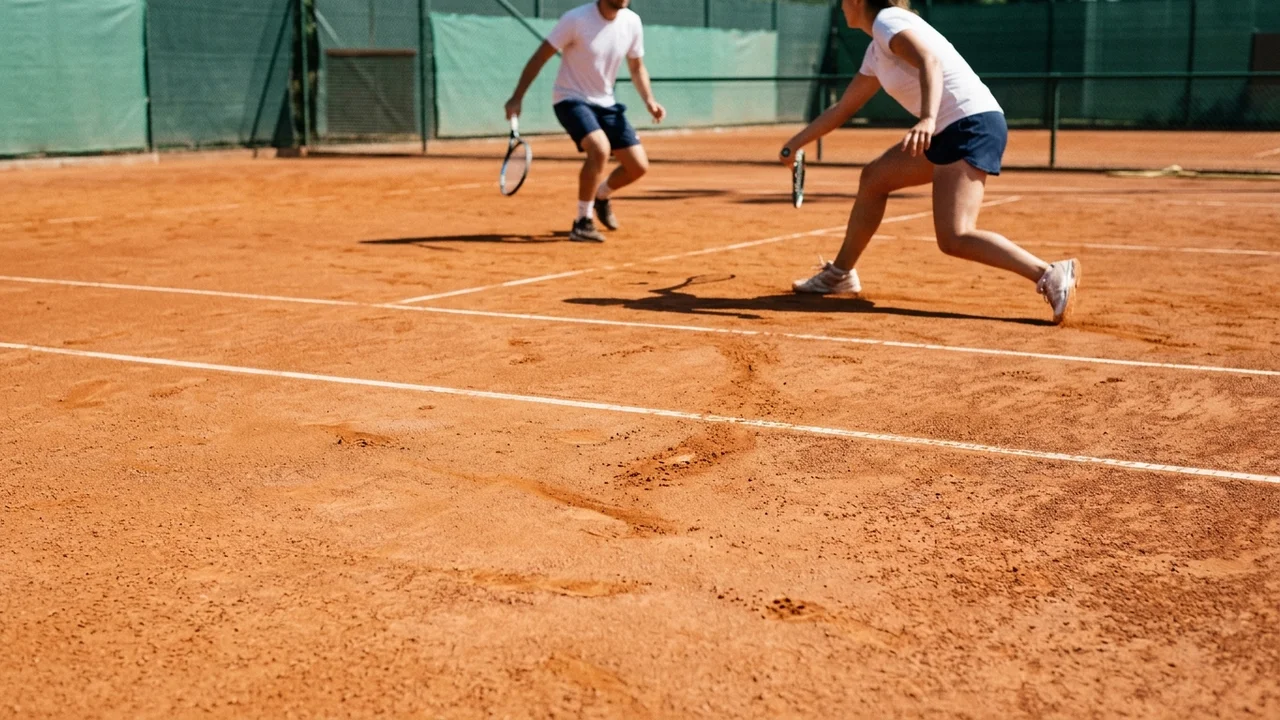
Off court, their interaction was described as “two people who were introduced on Friday and are still not completely certain whether they’re supposed to shake hands when they see each other”. On court, Patten and Siniakova showed how tactical understanding can trump personal rapport. Analysts pointed to their instinctive rotations into the deuce and ad courts, their anticipation of each other’s movement, and their sustained net-front pressure. Staggered formations and rapid role switches made their qualifying matches unpredictable and fast-paced, underscoring the entertainment value of mixed doubles played by specialists.
The qualifying event delivered on-court chaos: abbreviated matches, wild pairings, and upsets that only occur when the formation book is thrown out the window. For purists, that unpredictability is both a charm and a tactical nightmare. Teams with less doubles experience often default to static one-up, one-back formations, and pairs like Patten and Siniakova can quickly exploit them by pressing, poaching, and counter-pressing.
The entry-system debate arrives while the US Open Tennis is already under scrutiny for its traditions and evolving spectacle. Arthur Ashe Stadium, inaugurated in 1997 and named by unanimous decision, has staged baseline wars and net-rushing clinics since its opening. Its history mirrors tennis’s wider tension between honoring tradition and embracing change in how the sport is played and organized.
Patten and Siniakova’s progress through qualifying has become a case study in specialist formations and the limits of the current entry criteria. As one analyst observed, “Funny how that happens when you put the two best doubles players in the world together.”