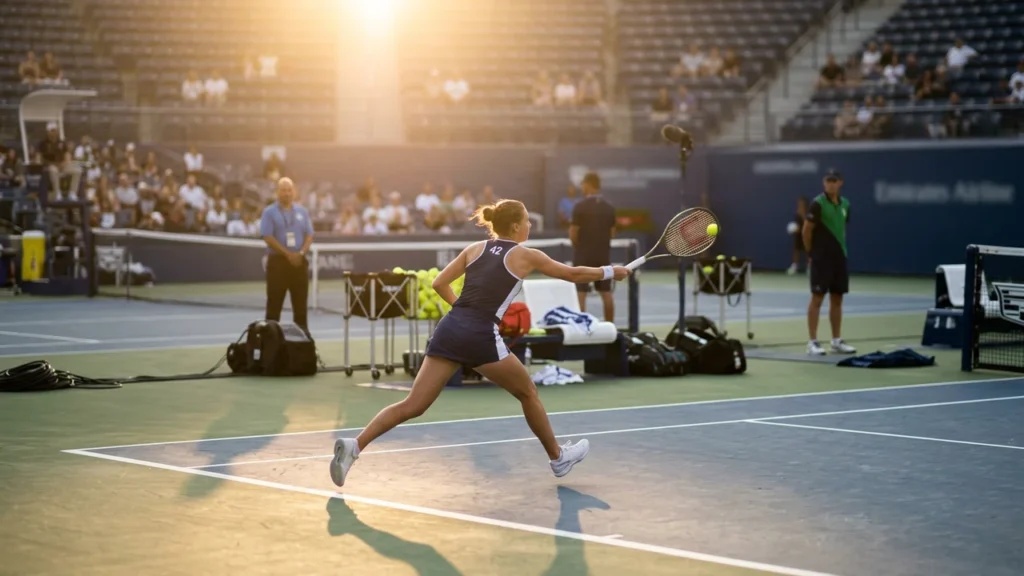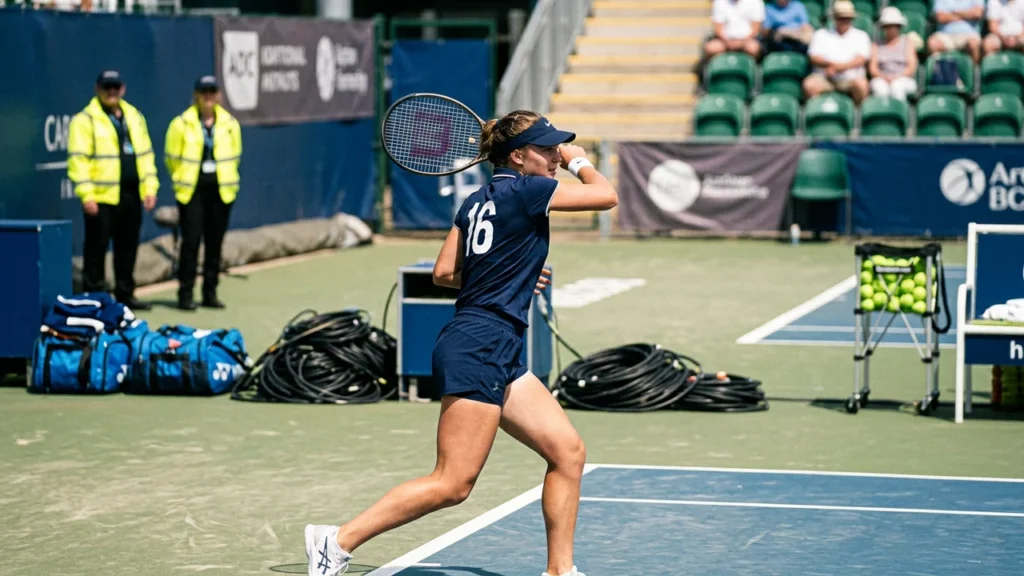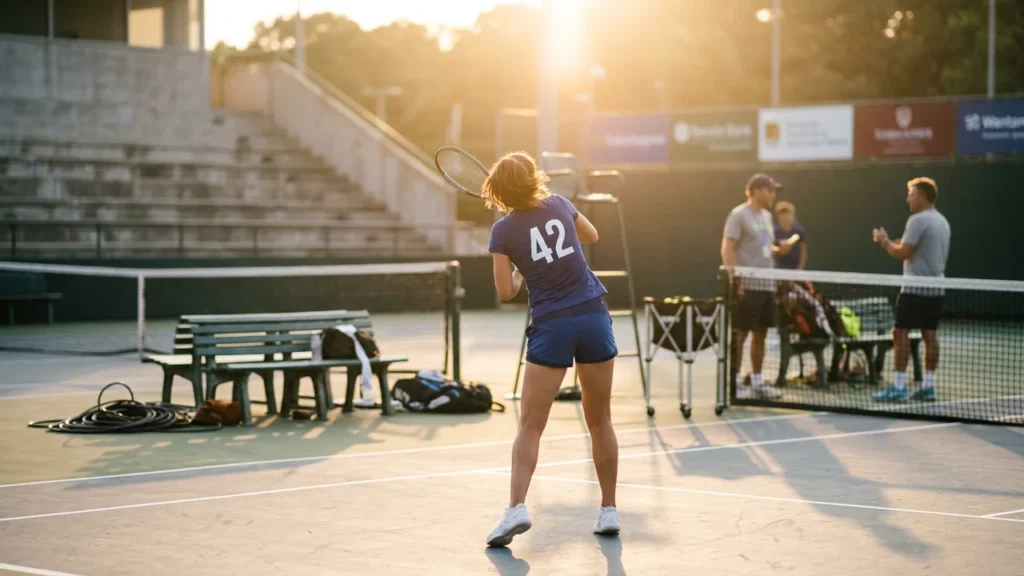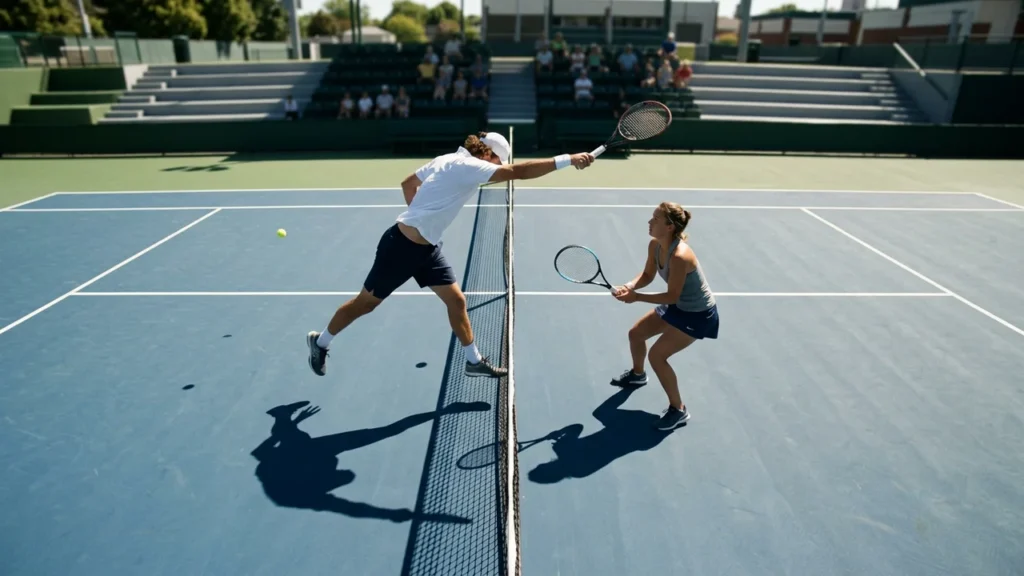
The US Open’s mixed doubles entry rules exposed a sharp conflict between tennis tradition and modern priorities on Monday. Despite being the No. 1 men’s and women’s doubles players in the world, Henry Patten and Katerina Siniakova had to play qualifying to secure a place in the mixed doubles main draw.
That is not a routine procedural quirk. The revamped mixed doubles entry system is based primarily on combined singles rankings, leaving the sport’s most accomplished doubles specialists without automatic entry into the format they have mastered.
The logic is difficult to defend. Organizers had a simple task, assemble an elite mixed doubles field, but treated singles rankings as the final measure and sidelined doubles credentials. Patten and Siniakova were forced into qualifying in a decision that looked more like a bureaucratic oversight than a deliberate strategy.
Patten and Siniakova: Awkward Off Court, Effective On It

Patten and Siniakova’s partnership carried an awkwardness off court, like two acquaintances unsure whether to shake hands or make small talk. Their pre-tournament communication appeared limited to a brief exchange about court positioning.
Once the match began, their doubles expertise was unmistakable: precise movement, instinctive positioning, and a clear sense of when to cover and when to attack. Their chemistry was tennis-first, not personality-driven. Ironically, the skills that made them world No. 1s in doubles justified their inclusion regardless of their singles rankings, yet they still had to play two abbreviated qualifying matches for the right to chase a significant prize purse in the main draw.
The episode highlights a broader problem with tennis tournament structures. Singles qualifying at the US Open features former Grand Slam champions, Olympic medalists, and top-ranked veterans fighting for a place, while mixed doubles uses an entry method that appears to disregard doubles specialists. Doubles is a distinct discipline, demanding a skill set and tactical awareness that singles rankings do not necessarily reflect.
Tennis decision-makers are often accused of failing to understand their own product. The Patten-Siniakova case gives those critics a clear example: why build a top-tier mixed doubles event around singles rankings while overlooking doubles accomplishments?
At the US Open, 128 men and 128 women battle for just sixteen spots each in the singles main draw. Those fields, packed with recognizable names and emerging talents, are treated as stand-alone events with clear, high-stakes narratives. Doubles qualifying, by contrast, remains unnecessarily convoluted.
However entertaining or unpredictable the qualifying event was for fans, the process deserves scrutiny. Treating doubles stars as afterthoughts undermines the credibility of the competitions and the appeal of one of tennis’s most entertaining formats.
Patten and Siniakova entered as an odd couple with uncertain chemistry and quickly proved on court that expertise matters. The question is whether the people running the sport will recognize it.