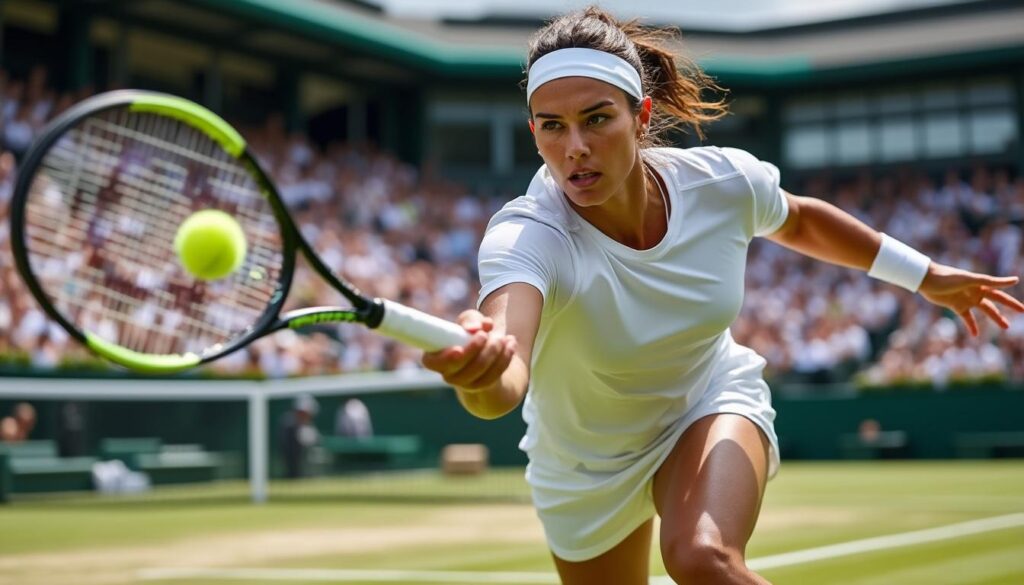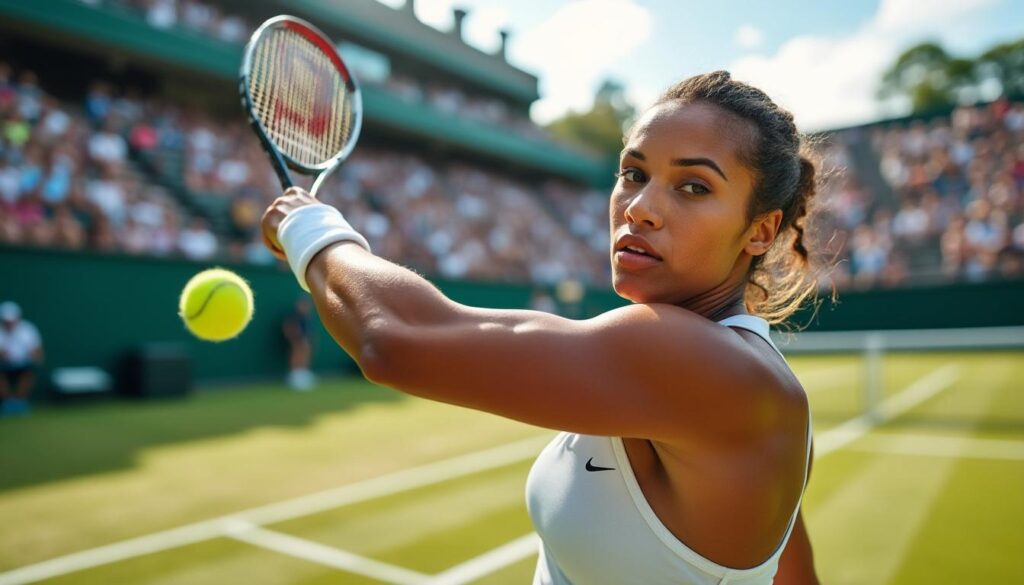
Feeling stuck in your athletic journey? You’re not alone. Many seasoned players hit a wall despite their experience. Advanced training techniques can unlock new levels of performance. With the right strategies, you’ll surpass these obstacles and reignite your passion. Dive into this guide to discover how to elevate your skills and push past any plateau. Ready to transform your game?
Sommaire
ToggleUnderstanding advanced training techniques
Advanced training techniques enhance athletic performance by focusing on specific skill development and muscle conditioning. Emphasising precision and efficiency, these methods integrate sports science and biomechanics. Implementing periodisation, plyometrics, and resistance training optimises strength and agility. Tailored strategies address individual needs, ensuring sustainable progress and peak performance.
Key principles of advanced training
- Prioritise progressive overload to steadily enhance strength and endurance.
- Incorporate periodisation for structured training cycles and optimal recovery.
- Focus on specificity to align exercises with sport-specific demands.
- Emphasise technique refinement to improve efficiency and performance.
Understanding advanced training techniques requires a strategic approach. By applying these key principles, players can unlock new levels of performance and overcome stagnation. Each principle serves a distinct role in enhancing athletic capabilities.
The science behind performance improvement
Understanding the science behind performance involves leveraging biomechanics and sports psychology. Analysing movement patterns enhances technique, while understanding cognitive functions boosts mental resilience. This holistic approach empowers experienced players to break through limits and achieve new levels of excellence.
Customising your training programme
Tailoring a training programme involves assessing individual strengths and weaknesses, enabling exercises to target specific areas for improvement. Personalisation ensures optimal progress and efficiency, elevating skill levels. A bespoke approach maximises gains, addressing unique needs and fostering continuous development in your sport.
Identifying personal strengths and weaknesses
Assessing personal strengths and weaknesses involves introspection and objective analysis. Consider these methods:
- Self-reflection journals
- Performance data review
- Peer feedback sessions
- Professional skill assessments
- Video performance analysis
These strategies provide insight into areas needing improvement.
Tailoring exercises for maximum impact
- Focus on compound movements to enhance overall strength.
- Incorporate plyometrics for explosive power.
- Utilise interval training for endurance improvement.
- Adjust intensity based on individual progress.
Customised exercises maximise gains by addressing specific needs. They enhance performance through targeted training, ensuring continued development. Techniques like precise stroke methods and consistent practice improve key skills.
Overcoming performance plateaus
Breaking through performance plateaus requires a mix of mental and physical strategies. Consider these techniques:
- Visualisation to enhance focus
- Goal setting for motivation
- Tactical match play insights for adaptability
- Interval training to boost endurance
- Cross-training for skill diversity
Psychological strategies to break through stagnation
Visualising success boosts confidence and focuses the mind on goals. Implementing mindfulness aids in reducing stress and increasing concentration during matches. Setting specific, measurable objectives keeps motivation high and tracks progress. Regular mental rehearsals prepare the brain for high-pressure situations, enhancing resilience and adaptability in gameplay.
Innovative drills to enhance skills
Innovative drills prove essential in refining skills for seasoned players. Techniques like advanced agility drills focus on rapid directional changes, enhancing both speed and precision. This type of training challenges muscle memory and improves overall performance. Incorporating refined footwork exercises sharpens coordination and balance, pivotal for strategic manoeuvres. These drills often incorporate complex patterns to simulate real-game scenarios, ensuring adaptability under pressure. Emphasising drills that mimic match conditions fosters a deeper understanding of in-game dynamics, pushing players beyond their current limits and breaking through performance plateaus.
Incorporating technology into training
Integrating technology into training programmes offers significant advantages for experienced athletes. Utilising data analytics provides insights into performance patterns, allowing for targeted adjustments. Wearable technology, such as heart rate monitors and GPS trackers, offers real-time feedback on physical metrics, helping to fine-tune intensity and technique. These tools enable athletes to measure progress accurately, identify areas needing improvement, and optimise training efficiency. Embracing such innovations not only enhances performance but also aids in preventing injuries by monitoring exertion levels and recovery needs.
Using data analytics for performance insights
Harnessing data analytics offers profound insights into performance enhancement. By examining patterns and metrics, athletes can refine their strategies and boost efficiency. Consider these key areas:
- Tracking performance metrics
- Identifying training patterns
- Analysing competitor data
- Optimising recovery schedules
- Predicting injury risks
Data analytics transforms raw numbers into actionable insights. Embrace these tools to drive performance forward.
Wearable technology for monitoring progress
Wearable technology offers precise monitoring of athletic performance. Devices such as smartwatches and fitness trackers provide real-time data, aiding players in optimising their training regimes. Incorporating these technologies enhances insights into progress and areas for improvement. Consider these options:
- Heart rate monitors track cardiovascular exertion during sessions.
- GPS-enabled devices record distance, speed, and route for outdoor activities.
- Sleep trackers assess recovery quality, ensuring adequate rest.
By leveraging wearable tech, players gain valuable feedback, essential for maintaining an edge in performance.
Recovery and injury prevention
Implementing advanced recovery methods like cryotherapy and active release techniques aids muscle regeneration. Employing dynamic stretching and proprioceptive exercises prevents common injuries. Consistent hydration and nutrition further optimise recovery, maintaining peak performance levels.
Advanced recovery methods
Utiliser des techniques de cryothérapie et des bains de glace aide à réduire l’inflammation et à accélérer la récupération. Intégrer des massages sportifs améliore la circulation sanguine, réduisant ainsi les douleurs musculaires. Exploiter les bienfaits du yoga augmente la flexibilité, essentiel pour prévenir les blessures.
Techniques to prevent common injuries
Proper injury prevention ensures longevity in any sport. Focusing on technique, strength, and flexibility helps avert common issues. Regular assessments and tailored routines optimise safety.
| Technique | Benefit |
|---|---|
| Proper Warm-up | Reduces muscle strain |
| Strength Training | Enhances joint stability |
| Flexibility Exercises | Prevents ligament damage |
Answers to frequently asked questions
How can I identify my personal strengths and weaknesses?
Analyse past performances and seek feedback from coaches. Use video analysis to spot patterns in your gameplay. This helps pinpoint areas needing improvement and areas of strength.
What psychological strategies help in overcoming performance plateaus?
Set specific, achievable goals and maintain a positive mindset. Engage in visualisation techniques to enhance focus. Regularly review and adjust your mental strategies for sustained improvement.
How does wearable technology assist in monitoring progress?
Wearables track real-time data like heart rate and movement patterns. This information offers insights into your physical performance. Use it to adapt training sessions for optimal results.