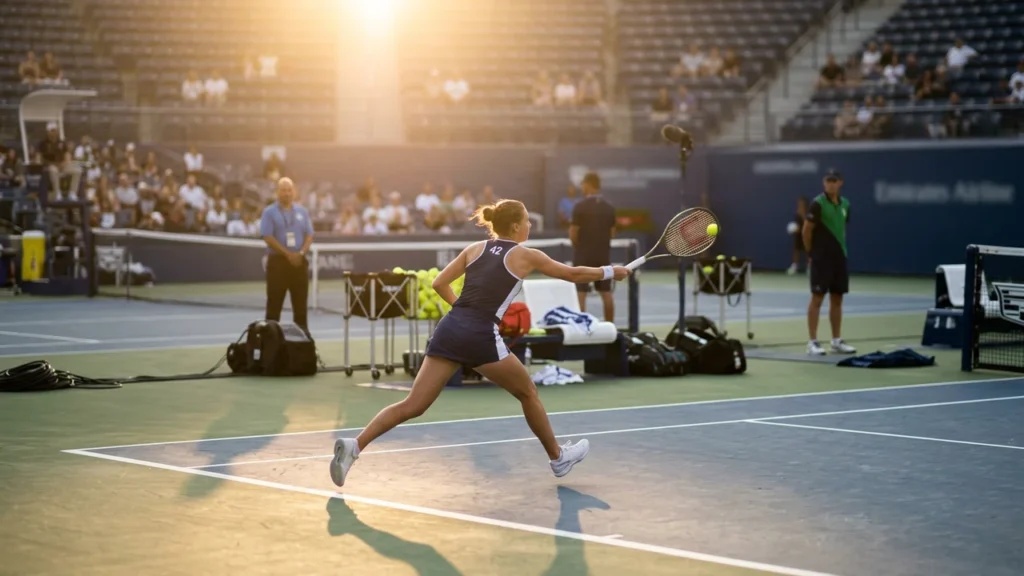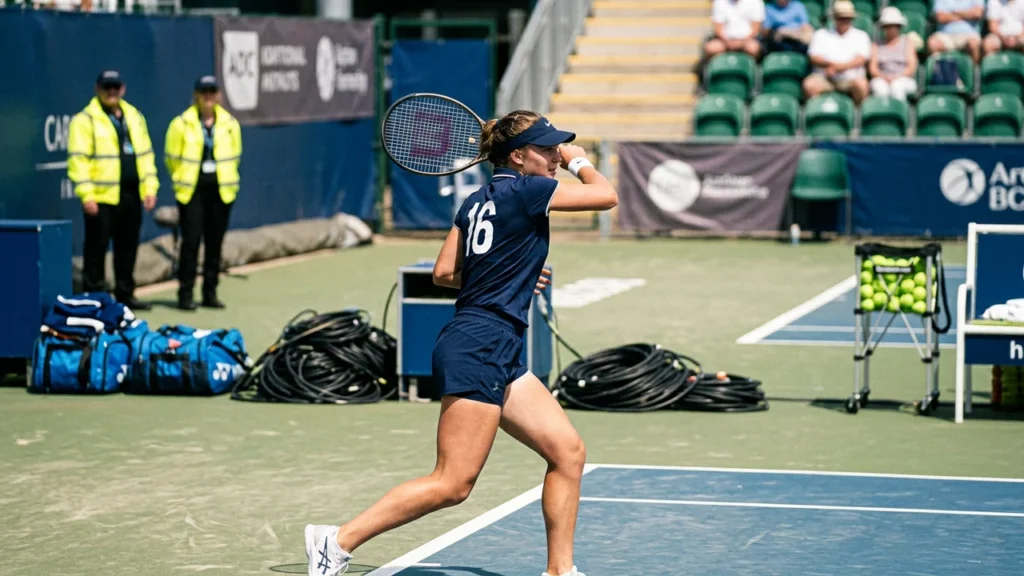
Tennis is alive with excitement as new talent emerges, challenging seasoned players. These upcoming tennis players promise thrilling matches and redefine the sport’s future. Who are these rising stars captivating audiences and analysts alike? Prepare to delve into their journeys, uncovering what makes them stand out. Let’s explore the next generation poised to leave their mark.
Sommaire
ToggleThe new wave of tennis talent
A new generation of upcoming tennis players emerges, showcasing remarkable skills and resilience. Their youthful energy reshapes the sport’s dynamics. Talented individuals from diverse backgrounds bring unique playing styles. These rising stars captivate audiences with their tenacity and potential. Their influence on the court promises an exciting future for tennis enthusiasts.
Breakout players to watch
Emerging talents in tennis promise an exciting future for the sport. These players display exceptional skill and determination on the court.
- Emma Raducanu: US Open champion at 18.
- Carlos Alcaraz: Youngest ATP titleholder.
- Jannik Sinner: Italian prodigy with fierce forehand.
- Coco Gauff: Breakthrough at Wimbledon aged 15.
- Felix Auger-Aliassime: Consistent performer on hard courts.
Their performances captivate audiences worldwide. Each player offers unique strengths. The tennis landscape evolves as these stars rise to prominence.
Rising stars in women’s tennis
Emerging female tennis players captivate audiences with their skill and determination. Their ascent in the sport marks a significant shift in women’s tennis.
- Emma Raducanu: US Open triumph
- Cori Gauff: youngest Wimbledon qualifier
- Iga Świątek: Roland Garros winner
- Bianca Andreescu: Canadian sensation
- Maria Sakkari: Greek powerhouse
- Clara Tauson: Danish prodigy
Rising stars in women’s tennis demonstrate exceptional talent and resilience. They redefine the sport’s future, inspiring a new generation.
Promising young male players
- Carlos Alcaraz: Outstanding agility and strategic play.
- Jannik Sinner: Impressive baseline control and power.
- Holger Rune: Tactical acumen with a robust serve.
- Lorenzo Musetti: Fluid backhand and creative shot-making.
- Jack Draper: Exceptional footwork and forehand prowess.
Their unique skills and consistent performances mark these young players as potential future champions.
Key tournaments shaping young careers
Grand Slam events significantly influence young players’ careers. They provide exposure and a chance to compete against top talent. Key tournaments include:
- Australian Open
- French Open
- Wimbledon
- US Open
- Major tennis events 2025
Grand Slam breakthroughs
Grand Slam breakthroughs mark pivotal moments for upcoming tennis players. They often highlight a player’s potential and resilience. Recent examples include:
- Emma Raducanu’s US Open triumph
- Carlos Alcaraz’s French Open performance
- Leylah Fernandez’s Wimbledon journey
The role of ATP and WTA tours
The ATP and WTA tours provide crucial platforms for young tennis talents to showcase their skills on a global stage. These tours enable players to gain valuable experience, improve their global standings, and climb the ladder towards elite tennis. As they compete against top-tier athletes, emerging stars refine their techniques and gain confidence essential for their professional growth.
Training and development of young players
Young players benefit from specialised coaching and advanced technology. These elements improve their skills and mental resilience. Modern techniques like video analysis help refine their game. Coaches focus on strategic thinking and physical conditioning. Access to high-quality equipment, including must-have tennis gear, is crucial. These factors collectively prepare emerging talents for the professional circuit, enhancing their competitive edge.
Coaching influences
Coaching shapes the trajectory of upcoming tennis players significantly. Young talents benefit from tailored guidance. Here are some key coaching influences:
- Technical skill development enhances precision.
- Mental resilience training boosts focus.
- Tactical awareness improves match strategy.
- Fitness conditioning supports endurance.
These elements form a robust foundation, aiding players in reaching their potential and adapting to competitive environments.
Impact of technology on training
Technology transforms tennis training through data analytics and wearable sensors. Players now receive instant feedback on their performance, allowing them to refine techniques and enhance their skills. Video analysis tools help coaches identify areas for improvement, making training more efficient. Additionally, smart equipment, like advanced tennis rackets, adapts to individual playing styles, optimising every swing. As technology continues to evolve, young players gain an edge, positioning themselves for success in competitive environments.
Challenges faced by emerging tennis stars
Emerging tennis stars face numerous challenges. Balancing expectations and performance remains crucial. They must also navigate sponsorships and endorsements adeptly. Here are key challenges:
- Managing media pressure
- Maintaining peak physical fitness
- Adapting to travel demands
- Securing financial stability
Balancing expectations and performance
Emerging tennis stars face intense pressure to meet high expectations. Balancing this with consistent performance proves challenging. Young players often battle mental fatigue, impacting their on-court results. Managing stress becomes crucial, as does maintaining focus during key matches. Coaches play an integral role in providing emotional support and strategic guidance. Additionally, mental conditioning programs help players develop resilience. The spotlight on these talents can either drive them to excel or overwhelm them, potentially derailing their progress. Understanding these dynamics is essential for aspiring champions.
Navigating sponsorships and endorsements
Emerging tennis stars often face challenges with sponsorships and endorsements. Understanding the landscape helps them secure beneficial deals.
- Recognise brand alignment
- Seek legal advice
- Maintain performance consistency
- Leverage social media presence
- Establish clear communication
- Monitor contract terms
Future predictions for tennis’ new generation
The future of tennis looks promising with a diverse range of talents set to redefine the game. Analysts predict that upcoming players will blend power with strategic finesse, embracing both traditional and innovative playing styles. Technology will further enhance their training regimes, offering data-driven insights. As they mature, these athletes might dominate Grand Slam events, challenging established names and setting new records. With a global audience, these players will inspire the next generation, ensuring tennis remains a dynamic and evolving sport. Their journeys will captivate fans, cementing their place in tennis history.
Potential future champions
Carlos Alcaraz and Emma Raducanu exhibit immense potential as future champions. Alcaraz, known for his powerful baseline game, already makes waves on the ATP tour. Raducanu, with her remarkable Grand Slam debut, captivates audiences. Both demonstrate exceptional skills and mental fortitude. Their commitment to excellence and adaptability suggest promising careers ahead. Keep an eye on these rising stars.
The evolution of playing styles
| Playing Style | Characteristics |
|---|---|
| Baseline Aggression | Heavy topspin, powerful groundstrokes |
| Serve-and-Volley | Quick net approaches, precise volleys |
| All-Court | Versatile tactics, adaptability |
Questions and Answers
What factors contribute to a young player’s breakthrough in tennis?
Exposure to top-tier competition and robust coaching significantly enhance skills. Grand Slam performances often serve as pivotal moments for young players. Strong mental resilience is also key.
How do young tennis players balance expectations and performance?
Setting realistic goals and focusing on gradual improvement helps manage pressure. Support from coaches and family provides stability. Prioritising mental health is crucial for sustained performance.
What role does technology play in the development of young tennis talent?
Technology offers advanced analytics and performance tracking. Players utilise data-driven insights to refine techniques. Virtual reality aids in simulating match scenarios for strategic planning.