
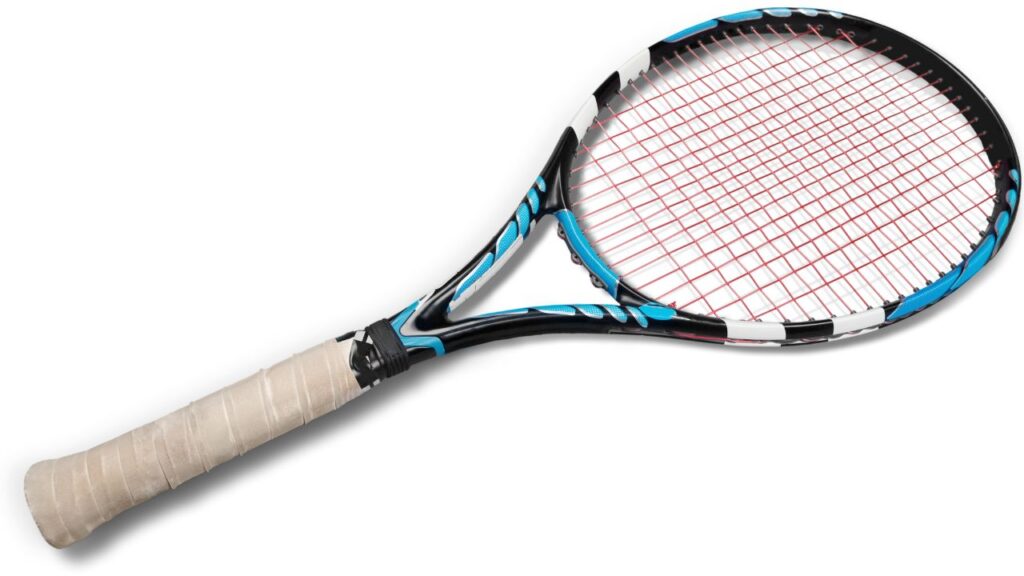
Tennis, a sport that dazzles with explosive rallies and clever tactics, holds a magnetic charm for millions worldwide. Despite its royal roots, today’s tennis courts invite players of all backgrounds and ages, offering a gateway into a thrilling and endlessly rewarding arena. From the first crisp pop of the ball against a Wilson or Babolat racket to the exhilarating chase across the baseline, tennis captivates with its blend of power, precision, and strategy. Jumping into this sport doesn’t require a fancy club membership or pro-level gear; a decent racket and some tennis balls often suffice to start a lifelong journey filled with sweat, smiles, and triumphs.
Understanding the basics of tennis — the rules, scoring system, and essential strokes — paves the foundation for every beginner’s success. This guide unpacks those elements with clear, straightforward language designed to get rookies off the sidelines and onto the court with confidence. The energy intensifies when knowledge meets action: mastering forehands with a Head or Yonex racket, learning to serve with pinpoint accuracy, or slicing a lob past an opponent with finesse. These are the moments that turn casual players into passionate competitors.
The beauty of tennis also lies in its vast community and rich history, from the humble beginnings as “jeu de paume” to the breathtaking thrills of Grand Slam rain delays and five-set marathons. As you unlock the secrets behind the stroke mechanics and court strategies, it becomes clear that tennis is more than mere sport — it’s a poetic, tactical battle that challenges both body and mind in equal measure.

Mastering Tennis Rules & Scoring: The Essential Guide for Beginners
Before unleashing powerful strokes or chasing down drop shots, grasping the fundamental rules of tennis is key. At its heart lies a simple objective: hit the ball over the net into your opponent’s court such that they cannot return it validly. Sounds easy? The devil is in the details, especially when it comes to scoring and play sequences that turn casual rallies into nail-biting contests.
The Intriguing Tennis Scoring System Explained
For new players, tennis scoring feels like a secret code shouted by commentators—“15, 30, 40, deuce, advantage”—but it follows a logical pattern worth decoding:
- Point sequence: The score starts at zero, called “love.” Each point won by a player increments the score from love to 15, then 30, then 40.
- Win a game: To win a game, a player must score at least four points and lead by a margin of two.
- Tied games: At 40-40, the score is “deuce,” meaning a two-point lead is necessary to clinch the game.
- Sets and matches: Players compete to win six games by at least two to claim a set; a match is typically best of three or five sets.
Imagine a player serving with a Wilson racket who scores 15, then 30, reaches 40, and faces deuce two thrilling times before securing the game with clever placement. This rollercoaster scoring reflects tennis’s psychological warfare where resilience meets skill.
Key Rule Details Every Rookie Must Know
Tennis includes various rules that maintain fairness:
- Serving: Always serve behind the baseline aiming diagonally into the opponent’s correct service box—the “sweet spot” in play.
- Let calls: If the ball clips the net but lands correctly, the serve is replayed without penalty.
- Boundary lines: If the ball touches the line, it’s in; if outside, it’s out—players must make honest line calls.
- Double faults: Two missed serves lose the point.
These rules may appear complex at first glance, but consistent court experience coupled with insights on mastering footwork and serve strategies accelerates mastery.
| Rule Element | Description | Example |
|---|---|---|
| Scoring Names | Love, 15, 30, 40, Game | Player scores points from 0 (“love”) up to game-winning points |
| Deuce | Score tied at 40-40, creating a ‘win by two’ battle | Deuce leads to advantage, then game if won consecutively |
| Serve Faults | Two missed serves result in point loss | Double fault costs server a crucial point |
| Let | Serve touches net but lands in correct box; replay serve | Called ‘let serve’ giving server a retry |
Once the foundation is solid, newcomers can focus on unleashing ruthless strokes that dominate matches.
Learning Tennis Strokes: Power, Precision & Control for Beginners
Tennis strokes are the athlete’s language—each swing tells a story while forging victory. For aspiring players, a comprehensive understanding of fundamental shots sets the stage for real progress. With rackets from top brands like Wilson, Head, Babolat, and Prince enhancing feel and performance, beginners can learn techniques that turn raw effort into majestic plays.
Core Tennis Strokes Every Beginner Must Master
Start strong by mastering these indispensable strokes:
- Forehand: The powerhouse of shots, often the preferred groundstroke for right or left-handers.
- Backhand: A versatile shot that can be delivered one or two-handed, offering different advantages.
- Serve: The match starter—powerful and precise serving influences game control.
- Volley: Quick, net-play stroke that cuts off opponent’s shot to shorten points.
- Overhead: The slam dunk of tennis, executed to smash lobs down for a finishing blow.
- Lob: A tactical shot arching high over the opponent, forcing them back or setting up offensive plays.
Consider this forehand example: a player wielding a Babolat racket engages in a low-to-high swing motion, adding spin that pushes the opponent into defensive mode. Meanwhile, the serve, taught through professional tips, evolves into a weapon capable of scoring aces or setting up favorable rallies.
Techniques for Adding Power and Spin to Shots
Adding spin and power changes tennis from a simple rebound to a high-stakes chess match. Here’s how beginners can rev up their strokes:
- Grip adjustments: Modify grips to shift between control and spin; semi-western grips bolster topspin on forehands.
- Weight transfer: Shift body weight smoothly from back foot to front foot during swings to maximize force.
- Wrist snap: A quick wrist motion at contact imparts extra spin—especially critical for slicing and top-spin shots.
- Follow-through: Complete the swing fully to aid ball placement and shot consistency.
Learning to combine these techniques unlocks new dimensions in strokes, proven by countless pros wielding equipment like Yonex or ProKennex rackets that excel in power and control. Beginners can explore extensive guidance on master forehand techniques to polish their groundstrokes.
| Stroke | Primary Use | Key Technique | Recommended Gear |
|---|---|---|---|
| Forehand | Baseline groundstroke for offensive play | Low-to-high swing, grip adjustment for topspin | Wilson or Babolat with semi-western grip |
| Backhand | Defensive and offensive versatility | Two-handed grip for control or one-handed for reach | Head or Prince rackets favored |
| Serve | Starting points, power play | Explosive toss and motion, consistent follow-through | Yonex or Dunlop for precision serving |
| Volley | Net control and point finishing | Minimal swing, solid racket face control | Prince or Gamma stable rackets |
| Overhead | Smashing opponent’s lob shots | High ball contact, firm wrist snap | ProKennex for absorb shock and power |
Such technical finesse weds beautifully to craft thrilling rallies that keep crowds roaring and players striving for excellence.
Choosing & Caring for Tennis Equipment: Your Path to Better Play
The gear you wield shapes not just how tennis feels but how effectively you perform. From nimble court shoes to the nuanced pick of your first racket, each choice matters. In 2025, top brands like Wilson, Babolat, and Head innovate with lightweight frames and enhanced string technology, ensuring players across levels – beginners included – have optimized tools at their disposal.
Picking the Perfect Tennis Racket for Beginners
Choosing a racket is a personalized quest blending comfort and style with technical needs. Here’s a checklist every newcomer should follow:
- Grip size: Essential to avoid strain; measure to fit your hand snugly away from injury.
- Weight balance: Lighter rackets aid maneuverability, while heavier ones provide stability and power.
- Head size: Larger heads increase hitting area, ideal for beginners seeking forgiveness on off-center hits.
- String tension: Lower tension helps power; higher tension offers control — beginners should seek balance at moderate tension. Learn more in our comprehensive racket tension guide.
- Brands to watch: Wilson, Babolat, Head, Prince, Yonex, Slazenger, Dunlop, ProKennex, Volkl, and Gamma continue to lead with innovative options.
For those stepping onto the court, borrowing rackets or checking second-hand options proves invaluable before investing. Begin with a power racket featuring a large head and balanced weight distribution to facilitate your first serves and groundstrokes.
Essential Tennis Gear Beyond the Racket
Apart from the racket, don’t overlook these essentials:
- Tennis balls: Choose standard pressurized balls; fresh cans ensure bounce and consistency.
- Shoes: Court-specific shoes prevent injuries by cushioning and supporting side-to-side movement. Discover how to find the right tennis shoes.
- Clothing: Comfort and mobility are paramount — moisture-wicking materials and flexible fabrics suit dynamic play.
- Accessories: Sweatbands, hats, and quality tennis bags—some listed among our top picks—amplify convenience and style on court.
| Equipment | Importance | Tips for Beginners |
|---|---|---|
| Racket | Core tool for performance and technique | Choose power rackets with comfortable grip, moderate string tension |
| Balls | Maintain consistent bounce and feel | Use fresh pressurized balls; change when flat |
| Shoes | Protect feet and provide stability | Wear tennis court shoes specifically designed for lateral support |
| Clothing | Ensure comfort and unrestricted movement | Opt for breathable, flexible fabrics with pockets |
| Accessories | Improve convenience and match experience | Consider hats, sweatbands, and a reliable tennis bag |
Proper equipment care—cleaning grips, restringing rackets regularly, and storing balls away from extreme temperatures—also contributes to performance longevity.
Developing Tennis Strategy and Mental Game for Lasting Success
Tennis isn’t just brute force; it’s a chess match on a rectangular battlefield. Smart strategies transform raw skill into victorious combinations that can overwhelm even the most skilled adversaries. From the first serve to the final rally, tactics keep you one step ahead.
Simple Yet Effective Tennis Strategies for Beginners
Applying these tactics can rapidly elevate a newcomer’s game:
- Control the baseline: Stay consistent with deep shots that push opponents back.
- Keep your opponent moving: Alternate direction and shot height to tire your rival out.
- Aim for open spaces: Exploit gaps and force opponents into awkward positions.
- Mix shot types: Alternate between baseline power and delicate drop shots to keep play unpredictable.
- Use serves to your advantage: A solid first serve can set the tone for a point’s rhythm.
Such strategies demand practice but reward players with points won without extended rallies. These form the cornerstone of winning match tactics, as deeply explored in our detailed strategy resource.
Cultivating the Mental Edge
The psychological battle often outweighs physical struggles. Maintaining focus persists through long rallies, taking calculated risks without panic, and bouncing back from setbacks separate champions from contenders.
- Stay positive: Visualize success before crucial points.
- Manage nerves: Deep breaths and routine habits calm match tension.
- Adapt strategies: Read your opponent’s weaknesses and adjust shots accordingly.
- Stay patient: Wait for your moment to strike rather than forcing risky shots.
Tennis delivers thrilling victories not just from shot-making but from tactical mind games and emotional control.
| Strategy | Description | Example |
|---|---|---|
| Baseline Control | Keep rallies consistent by hitting deep shots | Push opponent back with powerful Wilson forehands |
| Opponent Movement | Force opponent to chase varying shots | Use drop shots vs. aggressive groundstrokes to tire rival |
| Open Space Targeting | Create opportunities by aiming for court gaps | Place lob over stretched player for easy point |
| Serve Advantages | Use strong serves to dictate point pace | Employ punchy Yonex serve to start rallies |
Blending physical prowess with strategic intelligence ensures a tennis journey that’s not only enjoyable but also rich with progressive milestones.

Essential Tennis Etiquette: Play Fair, Stay Safe, Enjoy More
Respect and sportsmanship define tennis as much as talent or technique. Tennis etiquette preserves the game’s integrity and promotes a positive atmosphere on court, especially for beginners eager to make a great impression.
Five Key Tennis Etiquette Rules Every Player Should Follow
- Make honest line calls: Always admit out balls and respect your opponent’s calls.
- Pick up stray balls: Remove loose balls from the court to prevent injuries.
- Announce scores clearly: The server must call out scores before each serve to avoid confusion.
- Respect timeouts and breaks: Use allowed changeovers for hydration and rest without disrupting flow.
- Show courtesy: Congratulate opponents, avoid verbal criticisms, and stay calm under pressure.
Adhering to these unwritten rules fosters fair play and friendly competition, essentials highlighted in many community tournaments listed on tennisguide.net.
Safety Tips for Injury Prevention on the Tennis Court
Physical safety is paramount in tennis to ensure longevity—injuries can derail progress and enthusiasm. Prioritize these safety tips:
- Warm up thoroughly before matches using tennis-specific warm-up guides.
- Choose proper court shoes to avoid ankle twists—refer to our shoes guide.
- Stay hydrated, especially important during outdoor summer matches.
- Listen to your body and rest if you feel strains or discomfort; see our injury prevention tips for detailed advice.
| Etiquette & Safety Rule | Reason | Impact on Play |
|---|---|---|
| Honest Calls | Preserves game integrity | Builds trust and fair competition |
| Removing Stray Balls | Prevents accidents | Avoids injuries and distractions |
| Pre-serve Score Calls | Keeps play organized | Reduces scoring disputes |
| Proper Warm-ups | Prepares muscles and joints | Limits injury risk |
| Choosing Tennis Shoes | Protects foot health | Enables better movement and support |
By blending respect with safety, players usher in tennis experiences that are rewarding and enriching.
Frequently Asked Questions About Tennis for Beginners
- How quickly can I learn to play tennis? Most beginners start hitting basic strokes within weeks with regular practice. Consistency is key to accelerating progress.
- Do I need expensive equipment to get started? Not at all. Borrowing or purchasing beginner gear from brands like Yonex or Dunlop suffices to get you moving.
- Is tennis suitable at any age? Absolutely. Tennis is a lifelong sport that welcomes players from youth through golden years.
- How do I improve my serve? Focus on toss consistency, racket speed, and follow-through mechanics; check out detailed tips on serving techniques.
- What’s the best way to prevent injuries? Prioritize warming up, good footwear, and listening to your body’s signals. Regular conditioning helps, too.