

Mastering the tennis drop shot isn’t just about finesse—it’s about strategy, surprise, and seizing moments on the court where power takes a backseat to precision. The drop shot is a tactical ace, capable of disrupting opponents’ rhythm and rewriting the flow of a rally in a heartbeat. Especially on clay courts, where slower bounces and longer rallies reign supreme, this delicate and daring stroke has evolved from mere flourish to essential weapon. Greats like Carlos Alcaraz have harnessed its full potential, blending power with cunning to dominate prestigious tournaments. Understanding not only how to execute but also when to unleash the drop shot is a critical skill that separates the average player from a chess master of the game.
Unlike pure baseline pounding, the drop shot demands thoughtful court vision and timing to exploit the weaknesses of your opponent’s positioning. It’s not just about sending the ball softly over the net—it’s a calculated gamble that capitalizes on the pressure of clay’s long rallies and the defensive stances players are forced into. The drop shot slices through the tension of grueling exchanges, introducing unpredictability that can leave rivals grasping in thin air or scrambling desperately forward.
More than a mere trick shot, the drop shot can create openings, force errors, and infuse the match with an electric edge that keeps both players and spectators on the edge of their seats. Brands like Wilson, Babolat, and Yonex continue to innovate racquet technology that empowers players to deliver drop shots with unprecedented control and spin, while footwear giants such as Adidas, Nike, and Asics ensure athletes have the nimble footing necessary to execute these swift court maneuvers. Delving into the craftsmanship behind the stroke and the smart tactics behind its timing will unlock secrets you can carry from beginner lessons to tournament glory.
Why the Tennis Drop Shot Is a Clay Court Essential
Clay courts are a battleground unlike any other—slides, slow bounces, and extended rallies make power attacks less decisive and strategy paramount. The drop shot thrives here. It is the artful counterpunch to the relentless baseline grinding that dominates clay season, changing the chessboard dynamic and demanding opponents step out of their comfort zones.
Several factors make the drop shot deadly on clay:
- Slow Ball Speeds: After the ball hits the red dirt, it loses speed dramatically, meaning even well-positioned opponents have more time, yet also more difficulty anticipating and reaching a finely placed drop shot.
- Enhanced Backspin Effect: Clay accentuates spin, and backspin causes the ball to “check up” or stop quickly upon landing, often leaving it just out of easy reach.
- Defensive Court Positioning: Players often stand deeper behind the baseline to buy time against unpredictable bounces. The drop shot forces them to sprint forward, scrambling to intercept at the net, a movement that can cause frequent missteps or weak returns.
- Breaking Long Rally Patterns: On clay, endless baseline exchanges can drain mental and physical stamina. The drop shot injects variety and quickens the pace, keeping opponents guessing and off balance.
Roland Garros champions like Alcaraz have shown that integrating the drop shot as a regular weapon—not just a surprise tactic—can shape entire matches at the highest level. Whether disrupting a solid defender or punishing a player overcommitting to the baseline, the drop shot becomes a chess piece commanding respect on every point.
| Clay Court Characteristic | Impact on Drop Shot Effectiveness |
|---|---|
| Slow Ball Speed | Allows opponents more reaction time but also lets drop shots slow dramatically, complicating quick retrieval |
| Enhanced Backspin | Causes ball to stop abruptly, making it tough to chase |
| Deep Defensive Positioning | Opponents cover more ground when forced to approach net quickly |
| Extended Rallies | Makes sudden, soft drop shots a tactical surprise breaking rhythm |
How to Master the Technique of a Killer Drop Shot in Tennis
The drop shot walks a razor’s edge between brilliance and blunder. Execute it too softly or with poor positioning, and you gift your opponent an easy winner. Hit it too aggressively, and it flies past the baseline, leaving you vulnerable. Modern tennis stars, equipped with gear from Prince, Head, and Volkl, combine excellent technique with court awareness to wield this shot with surgical precision.
Follow these detailed steps to perfect your drop shot technique:
- Grip and Racquet Preparation: Use an Eastern or Continental grip for optimal control. Racquets from Babolat and Yonex are engineered to provide the sweet spot consistency necessary for controlled touch shots.
- Body Positioning: Approach the ball with a slightly open stance, weight balanced to allow a quick freeze or step forward post-shot.
- Swing Path: Employ a short, high-to-low swing, generating backspin that helps the ball slow down dramatically after bouncing.
- Ball Contact: Strike the ball softly at the racquet’s top part, avoiding heavy follow-through to retain delicate touch.
- Placement: Aim to deposit the ball just past the net in the service box or sideline corners to force maximum opponent stretch.
- Read Your Opponent: Watch for signs of deep baseline stance or fatigue before unleashing the drop shot.
Practice drills for drop shot mastery involve gently tapping balls over the net, focusing on spin and placement over power. Nike and Adidas shoes help with optimal footwork and quick rests in the ready position, vital for preparing the next shot immediately.
| Technique Element | Key Details |
|---|---|
| Grip | Eastern or Continental for touch control |
| Swing Path | High to low, short swing for backspin |
| Ball Contact | Soft, near the racquet’s sweet spot top |
| Shot Placement | Just over net, near sidelines/service box |
Strategic Timing: When to Use the Drop Shot to Win Points
Knowing how to hit a drop shot is just half the battle. The killer advantage lies in when you pull it out of your tactical pocket. The drop shot is a high-risk, high-reward stroke and must be timed to exploit specific opponent weaknesses or court scenarios.
Consider these strategic scenarios to maximize drop shot effectiveness:
- Opponent Stalled Deep Behind Baseline: Perfect time to catch a defensive player off guard before they can charge forward.
- Fatigue or Slow Movement: Use drop shots when an opponent is visibly tired or slow, pushing them into exhausting sprints.
- Change Up Rhythm in Long Rallies: Break the monotony of baseline slugfests by forcing a completely different kind of shot response.
- Follow Up Powerful Approach Shots: Combine a heavy approach shot with a well-placed drop to keep the opponent guessing.
- During Doubles, Target Weaker Net Players: Drop shots can bypass strong net presence, exploiting gaps or slower court coverage.
Integrating the drop shot into an aggressive, all-court playing style inspired by pro techniques sharpens your unpredictability and pressure points. Checking out complementary stroke mastery, such as the forehand, is crucial to sustaining momentum; visiting resources like Master Forehand Techniques can elevate your overall game synergy.
| Situation | Reason to Use Drop Shot |
|---|---|
| Opponent deep and stationary | Force sprints, induce errors |
| Opponent fatigued | Exploit slow recovery and stamina |
| Long rallies | Break rhythm and surprise |
| After heavy approach | Create shot variety |
| Doubles Gaps | Target open spaces behind net players |
“Drop” Mini-Game: Fun Drills to Build Soft Touch and Court Awareness
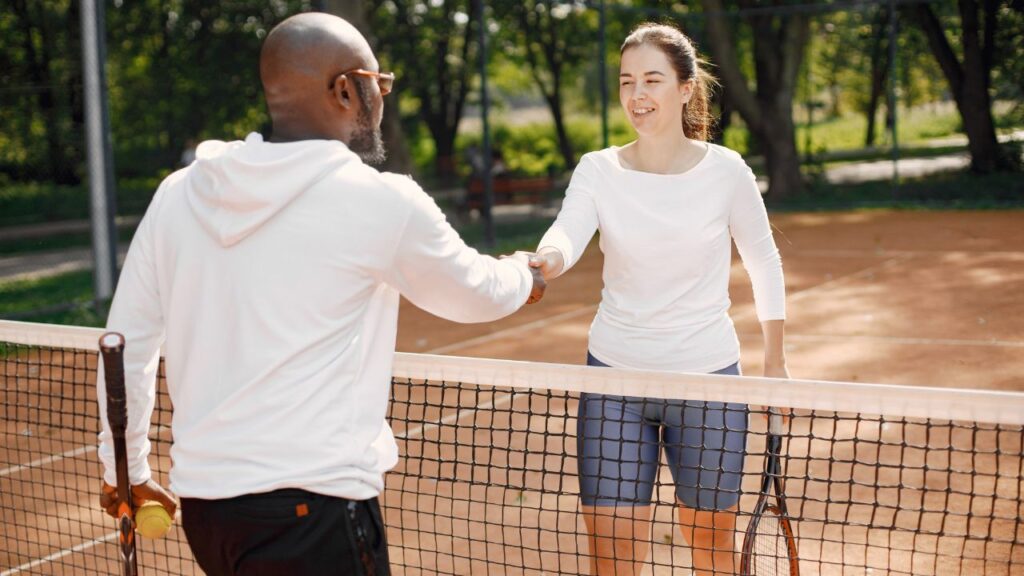
Beyond match play, sharpening the drop shot can come from an engaging, competitive mini-game known simply as “Drop.” This game hones the finesse, control, and mental sharpness needed for effective drop shots and net play. Typically played in doubles or singles, “Drop” transforms the service boxes into a miniature battlefield of precision over power.
Rules are straightforward yet demanding:
- All shots must land inside the service boxes.
- Only soft shots—drop shots, gentle volleys, dinks—are allowed.
- Serving starts with the ball perched atop the net tape, released to create an unpredictable bounce.
- Points are scored by forcing opponents to miss within the confined court space.
The game builds remarkable net skills, agility, and tactical planning. Top pros including rising stars like Mira Andreeva and Diana Schnaider have been seen employing “Drop” during breaks in tournaments to maintain rhythm and composure, demonstrating its value beyond recreational play.
| Aspect | Benefit |
|---|---|
| Confined court space | Enhances precision and shot control |
| Soft shot focus | Develops finesse and touch |
| Competitive format | Sharpens mental concentration and reflexes |
| Low physical impact | Maintains sharpness without fatigue |
The Best Equipment to Elevate Your Drop Shot Game
Executing a flawless drop shot requires not just skill and timing but also equipment tailored for touch, control, and spinning potential. In 2025, innovation in tennis gear by brands like Wilson, Head, and Prince brings enhanced sweet spots and string technology specifically designed to aid low-impact, high-precision shots.
Footwear is equally pivotal. Playing clay demands shoes with optimal traction and lateral support — Adidas, Nike, and Asics lead the charge with designs that help players plant and pivot quickly without slipping, making those sudden sprints toward the net safer and more efficient. Meanwhile, racquets from Volkl and Dunlop provide enhanced feel and response to touch shots with balanced weight and flexible frames to accommodate rapid wrist movements essential in drop shots.
Choosing the best strings can also make or break execution. Multifilament strings offer superb feel and comfort, allowing players to impart the delicate backspin a drop shot demands. Hybrid string setups popularized by professional tours combine power and control, giving a player confidence to attempt risky drop shots without excessive power loss.
Integrating the right mix of equipment, along with mastering complementary techniques like powerful serves, which you can explore more at Tennis Serve Tips Pro Secrets, propels your drop shot from a gamble to a game-changer.
| Equipment Type | Recommended Brands | Purpose for Drop Shot |
|---|---|---|
| Racquets | Wilson, Babolat, Head, Prince, Yonex, Volkl, Dunlop | Precision, sweet spot, spin control |
| Strings | Multifilament, Hybrid setups | Touch sensitivity, spin generation |
| Footwear | Adidas, Nike, Asics | Traction, lateral support, agility |
Frequently Asked Questions about Tennis Drop Shots
- What grip is best for delivering a consistent drop shot?
The Eastern or Continental grip is preferred for the required touch and control, allowing players to apply necessary backspin and delicate placement. - Why is the drop shot more effective on clay courts?
Clay slows the ball and enhances backspin, causing drop shots to “die” more quickly, making it harder for opponents to reach. - How can I practice drop shots to improve my touch?
Engaging in mini-games like “Drop,” practicing short high-low swings focusing on spin, and working on controlled placement drills help develop finesse. - Should I always use drop shots to win points?
No. The drop shot is a tactical tool best used selectively when your opponent is out of position, fatigued, or during long rallies to mix up play. - What equipment best supports executing effective drop shots?
Racquets and strings that emphasize control and touch (such as multifilament strings) paired with stable, agile footwear like those offered by Adidas and Nike make drop shots easier to perform.