

The roar of the crowd, the crack of the Wilson or Babolat racquet connecting perfectly with the ball, the swift dance of footwork on the smooth canvas of a tennis court—these are the elements that transform tennis from a simple sport into an electrifying spectacle. Yet, every champion was once a beginner, grappling with the exact same hurdles that can trip up newcomers. From flawed grips to the pitfalls of poor foot positioning or faulty serve rhythm, beginners often find themselves stuck in a cycle of frustration. What if the secret to breaking free lay in the exact errors they make and the strategies they overlook? This guide shatters the silence around common tennis pitfalls, offering a vivid, step-by-step revelation of how to dodge these mistakes and ignite your journey to becoming the tennis player you’ve always dreamed of.
Exploring the terrain of these early-stage errors shines a spotlight on essential techniques and mindset adjustments that are often glossed over but make all the difference. This isn’t dry instruction—it’s a charged playbook straight from courts ringing with the echoes of struggle and triumph, geared to keep you playing, progressing, and loving the game. Whether you’re swinging a Wilson, trying a Head racquet for the first time, or lacing up your trusty Asics or Nike shoes, brace yourself for insights that will transform how you train and compete. Forward-looking, thorough, and backed by the tempo of the professional game, here’s your crash course in avoiding the beginner’s traps and mastering tennis’s enduring thrill.

Grip Mistakes: The Foundation of Tennis Success
The grip is the handshake that starts every rally—the silent but powerful connection between player and racquet. Yet, the most common fault for beginners is choosing the wrong grip or failing to adapt it to their stroke, turning potential winners into frustrating misfires. A weak grip can sap power; an overly tight one can kill fluidity. The wrong grip not only restricts stroke versatility but also invites injury.
Among the plethora of options—Eastern, Continental, Semi-Western, and Western—the grip sets the tone for your entire swing. New players often stick rigidly to the Continental grip for all shots, a trap limiting topspin and power. Alternatively, the Eastern grip feels natural for many but often leads to a flat, predictable ball without the bite needed to challenge opponents.
Common Grip Errors and How to Fix Them
- Using the same grip for every shot: Tennis demands adaptability. The forehand, backhand, volleys, and serves require subtle grip tweaks. Learn to shift grips smoothly to harness power and control.
- Overgripping: A death grip kills the wrist’s supple motion. Relax the fingers and wrist slightly to let the racquet “kiss” the ball, especially during topspin strokes.
- Ignoring grip alignment: The way the hand wraps around the racquet handle affects trajectory. Beginners should practice with feedback, using racquets from brands like Yonex or Dunlop, which often have ergonomic handles to aid comfort and positioning.
Fixing grip mistakes often requires deliberate practice. Incorporate drills focusing on grip adjustment, like controlled forehand swings with a Babolat or Prince racquet. For those unsure, watching professionals execute their grips or consulting a coach helps immensely. Check out this forehand technique masterclass for a practical guide to grip work that’s tailor-made for beginners.
| Grip Type | Primary Use | Advantages | Common Errors |
|---|---|---|---|
| Eastern | Forehand | Good balance of power and topspin | Flat shots, limited wrist flexibility |
| Continental | Serve, volleys, slices | Versatility, great for net play | Weak forehands if used exclusively |
| Semi-Western | Forehand | Excellent topspin and power | Challenging for low balls |
| Western | Forehand | Max spin, heavy topspin strokes | Less control, difficult for flat shots |
Footwork Fumbles: The Unsung Hero of Tennis Mastery
Footwork determines how brilliantly you can create opportunity out of thin air, turning your position into the difference between a decimating passing shot or a harmless easy ball to your opponent. Beginners often underestimate footwork, locking into static patterns or lunging without control, revealing the gap between mere survival on court and genuine command.
The best players—whether wearing Adidas, Lacoste, or Nike gear—move like predators: explosive, poised, selective. Foot placement, balance, and quick recovery shape every stroke, especially when combined with a strong grip. Without solid footwork, even the mightiest Head or Yonex racquet swings fall flat.
Critical Footwork Mistakes Plaguing Beginners
- Flat-footed stance: Remaining rigid greatly slows reaction time. Stay light on your toes, knees slightly bent, ready to spring.
- Overreaching: Lunging desperately stretches muscles, leading to bad shots and injury risks.
- Poor recovery steps: After attacking the ball, failing to return to a balanced ready position leaves you vulnerable.
Training footwork means drills that mimic match demands—ladder drills for agility, side shuffles with controlled pivots, and sprint-stop exercises. Incorporate trusted tennis shoes from Asics or Nike to support fast, safe movements. Take a few minutes before play to review a comprehensive warm-up guide that integrates footwork-focused exercises.
| Footwork Element | Description | Common Pitfalls | Training Tips |
|---|---|---|---|
| Ready Position | Dynamic, balanced stance with weight on balls of feet | Stiff stance, weight on heels | Practice mini hops and maintain bent knees |
| Recovery Step | Quick return to center after shot | Slow return or overreaching | Drills with cones to improve recovery pace |
| Sprint & Stop | Explosive movement with sudden deceleration | Loss of balance, sloppy foot placement | Controlled stops using foot drills and balance work |
Serve Snafus: Turning Your First Shot into a Weapon
The serve is your opening gunshot, your “make-or-break” moment, a rhythmic and strategic statement before the rally unfolds. Yet, beginners frequently scrap this chance with timid tosses, stiff launches, or erratic placement. The serve blends physics with finesse and mental composure—your posture, grip, toss, and swing timing all align to produce that electrifying ace or dependable kick serve.
A host of brand favorites from Prince to Dunlop have engineered serve-friendly racquets to enhance power and control, but the true secret lies in technique, not just equipment. Working on serve mechanics turns the numbers in your favor every time you step to the baseline.
Typical Serving Pitfalls and Solutions
- Fidgety toss: A wandering ball toss wrecks your timing and balance. Practice repetitive toss drills until consistency is bred into muscle memory.
- Stiff arm and wrist: A tight arm reduces verve and spin potential—imagine your arm flowing like a whip through the strike zone.
- Ignoring stance and follow-through: Well-placed feet and full follow-through finish the serve with power and direction.
To elevate your serve game, incorporate drills that emphasize fluid motion—the “serve and volley” remains a dazzling tactic yet requires practiced foot alignment and racquet swing. For serious improvements, explore these pro serve tips, the ultimate toolkit for novices aiming to serve with authority.
| Serve Component | Common Mistake | Fix Strategy | Training Drill |
|---|---|---|---|
| Ball Toss | Inconsistent throw | Practice vertical, smooth release | Toss and catch drill with focus on height and control |
| Arm Movement | Stiff arm | Loose shoulder and wrist motion | Shadow swings emphasizing rhythm |
| Foot Placement | Poor stance | Feet shoulder-width apart, slight forward lean | Serve stance mirror practice |
Overlooking Mental Game: Building the Competitive Edge
Tennis isn’t just muscle; it’s brain and heart clenched into a duel of wits and nerves. Beginners often stumble in the mental trenches—letting nervous energy bleed into their grip or distracting from the moment’s demands. Yet, cultivating mental stamina and focus can transform shaky performances into commanding matches.
Brands like Lacoste and Adidas sponsor some of the most mentally tough pros, proving even elite players grapple with pressure. However, discipline and mental rehearsal separate flashy flash-in-the-pan performances from clutch, sustained excellence.
Common Mental Pitfalls and Their Remedies
- Fear of failure: Seeing mistakes as fatal halts instead of steps toward growth poisons confidence.
- Speeding thoughts: Racing through points mentally causes loss of tactical awareness.
- Ignoring routines: Poor pre-serve or between-point rituals leave players vulnerable to derailment.
Strong mental game habits include deep breathing routines, visualization of successful shots, and fixed rituals—whether bouncing the ball a set number of times or taking a breath before serves. Cultivating a ritual also buys moments to reset focus. Integrating these mental disciplines into regular practice ensures tennis remains a battlefield where you control the tempo.
| Mental Challenge | Impact | Solution | Practice Tip |
|---|---|---|---|
| Fear of mistakes | Reduced shot confidence, passive play | Reframe errors as learning opportunities | Journaling post-match reflections |
| Anxiety during points | Rushed shots, poor decision-making | Deep breathing and focus drills | Meditation before matches |
| Lack of routine | Inconsistent performance | Create and maintain consistent rituals | Practice rituals in training and matches |
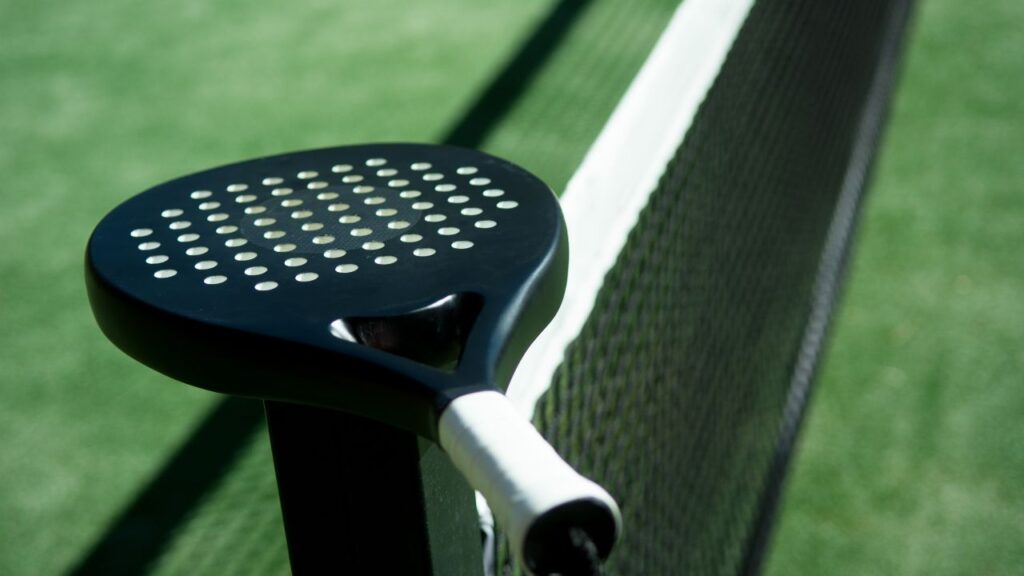
Equipment Errors: Choosing the Right Gear to Fuel Your Potential
Nothing kills momentum faster than mismatched equipment. Beginners often pick racquets, shoes, or apparel based on looks or price, ignoring how technical characteristics impact performance. The wrong racquet can lead to control problems; poorly fitted shoes risk injury. Brands like Wilson, Babolat, Head, and Prince dominate the market, each carving out racquets optimized for different player styles and levels.
Footwear from Adidas, Asics, and Nike also mean more than color schemes—they combine technology to support explosive movement, joint protection, and grip on slick courts. Tennis apparel from Lacoste and Nike further enhances comfort and flexibility, helping players stay sharp for long matches.
Major Equipment Mistakes and Smart Buys to Avoid Them
- Picking racquets by brand alone: Don’t rely solely on brand loyalty—evaluate weight, balance, head size, and grip size to find your tailored fit.
- Ignoring shoe support: Barefoot or casual shoes lack the impact absorption and lateral support key for tennis’s explosive side-to-side movement.
- Cheap strings or tension: Low-quality strings or incorrect string tension can sap power and control, creating more frustration than solutions.
To avoid these pitfalls, visit specialty stores where you can test Wilson, Babolat, or Yonex racquets and consult knowledgeable staff. Using properly stringed Head or Prince racquets ensures durability and performance. Upgrade your shoes to dependable Adidas or Nike models designed specifically for court surfaces. For more detailed advice, explore forehand and equipment guides tailored for beginners ready to invest smartly in their game.
| Equipment | Common Beginner Mistake | Why It Matters | How to Choose Right |
|---|---|---|---|
| Racquet | Too heavy or too light | Impacts swing speed, control, and endurance | Pick based on weight, balance, and head size suited to skill level |
| Shoes | Non-tennis shoes | Lack of support and grip leads to injury | Select tennis-specific shoes with good cushioning and lateral stability |
| Strings | Poor quality or incorrect tension | Inconsistent ball response and durability issues | Use quality strings and adjust tension for playing style |
Frequently Asked Questions (FAQ)
- What is the best grip for beginners? The Semi-Western grip often strikes the best balance for beginners with its blend of power and topspin, but personal comfort and stroke style should guide selection.
- How important is footwork for improving tennis? Footwork is critical—it facilitates effective shot selection, positioning, and injury prevention, making it a foundational skill to develop early on.
- Can I improve my serve without expensive equipment? Absolutely. Technique and consistent practice trump gear; drills focusing on toss consistency and fluid arm motion create impactful serves.
- How do I stay mentally strong during matches? Establish clear routines, practice mindfulness or meditation, and reframe mistakes as learning opportunities to maintain focus and confidence.
- Should beginners invest in high-end tennis shoes and racquets immediately? Start with mid-range equipment that suits your style and provides support, then upgrade as you refine your skills and preferences.