

Imagine unlocking your full potential on the tennis court, where every swing, step, and serve is honed to precision. Tennis isn’t just about power or endurance—it’s about understanding the nuances that make champions stand apart. In 2025, technology has propelled training methods into uncharted territory, and video analysis stands at the forefront. From grassroots players to seasoned pros, harnessing the power of video transforms ordinary practice sessions into dynamic lessons tailored to fix weaknesses, amplify strengths, and turbocharge improvement. No longer confined to echoes of a coach’s voice, video gives players a crystal-clear mirror reflecting exactly what’s happening—and what needs to evolve.
Every move, from a fierce Wilson forehand to a delicately spun Yonex slice, can be dissected frame by frame. It’s game-changing insight wrapped in visuals, allowing players to grasp exactly where their game excels and where subtle tweaks yield massive gains. Platforms like TennisGuide provide not only expert instruction through written content but also a treasure trove of videos demonstrating top equipment handling, stroke mechanics, and effective footwork. Whether your racket is a Prince, Babolat, or Tecnifibre, seeing every interaction visually accelerates muscle memory and mental clarity.
Today’s best players integrate video into their training, analyzing every rally and every serve—not just to critique but to craft refined strategies and discover those split-second opportunities that make winning points feel almost inevitable. With brands like Head, Volkl, Adidas Tennis, and Nike Tennis backing cutting-edge gear and analytics, the sport is evolving into a perfect blend of athleticism and intellect. This guide unpacks myriad ways video fuels this evolution, supporting training regimens and mindset shifts essential for domination on the court.
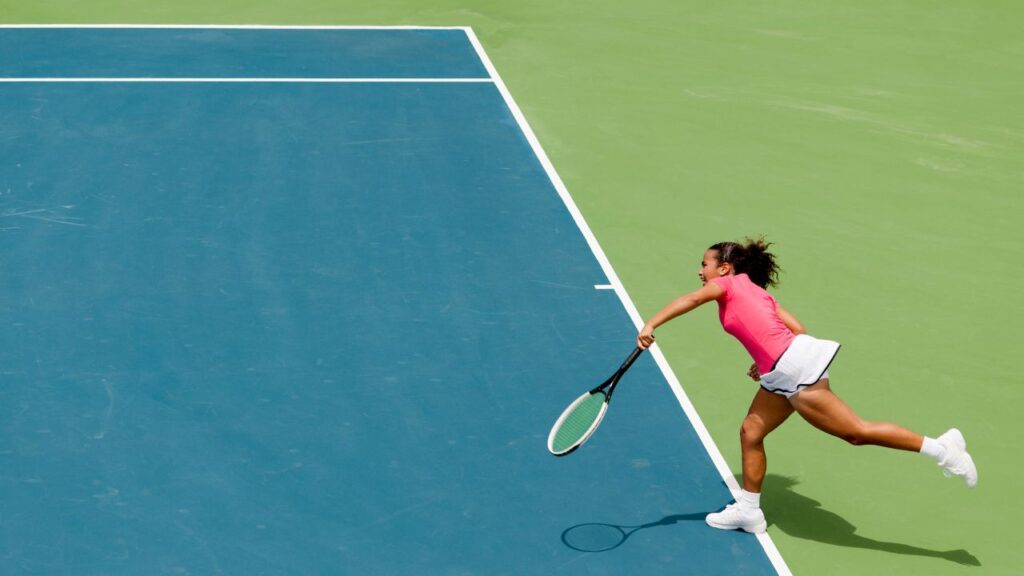
How Video Analysis Revolutionizes Tennis Training and Technique
Video analysis lives at the heart of modern tennis improvement, turning subjective feedback into objective data. Players and coaches gain a tremendous edge by capturing movements with precision, replaying strokes slowed down to reveal form details invisible to the naked eye. From grip adjustments to foot placement, every element is scrutinized and improved by watching hours of footage.
For example, a player struggling to maintain consistent serve accuracy can benefit enormously from video. By recording serves from multiple angles, the player notices subtle body misalignments or timing inconsistencies affecting serve trajectory. Coaches provide pinpoint advice, often pausing frame-by-frame so players can replicate the right mechanics—not just guess at them.
Below is a breakdown of key benefits video analysis offers:
- Immediate visual feedback: Seeing your actions played back creates a direct connection between movement and outcome.
- Identifying technical flaws: Tiny inefficiencies in strokes, footwork, and positioning become impossible to deny.
- Tracking progress over time: Comparing past and current footage builds motivation and directs future practice priorities.
- Customizing training drills: Video insights allow creation of targeted drills designed to address specific weaknesses.
- Enhancing mental focus: Watching your game in detail sharpens concentration and tactical thinking during matches.
Take a closer look at how a professional player’s serve can be analyzed using slow-motion video technology:
| Phase | Focus Area | Video Application | Expected Outcome |
|---|---|---|---|
| Preparation | Grip, stance, ball toss | Review clips frame-by-frame to ensure consistent release point and balanced stance | Improved serve control and power |
| Racquet Acceleration | Arm speed and swing path | Measure speed and trajectory via software overlay | Faster serves with optimized angles |
| Contact | Sweet spot strike, body alignment | Play freeze-frame shots to confirm perfect contact zone | More accurate and reliable serves |
| Follow-through | Body rotation and weight transfer | Use slow motion to analyze rotation timing | Reduced injury risk and smoother strokes |
Whether using smartphones, cameras, or high-end setups, integrating video into practice demands minimal resources but provides maximum payoff. Players of all skill levels—from beginners consulting the beginner tennis equipment guide to experts mastering their forehand techniques—can embed video into their regimen.
Incorporating Video for Tactical Match Strategy and Mental Mastery
Beyond mechanics, video surfaces as a vital tool for sharpening game intelligence and psychological resilience. Watching match footage helps players anticipate opponents’ tendencies, craft winning strategies, and build a mental playbook crucial in pressure-packed moments. Opponents’ behavior patterns—return preferences, favored angles, footwork habits—become visible playbooks for devising match-winning tactics.
Using video to analyze recent tournaments such as those listed on TennisGuide’s tournament calendar showcases how players adapt in real time. Insight into how top players adjust serves or switch court positions mid-match reveals layers beyond physical ability—a chess match where mental agility is just as critical.
Players nurture their mental game alongside tactics through video-assisted reflection. Reliving pivotal points helps identify psychological barriers and develop coping strategies to stay cool under pressure. This approach echoes techniques from leading tennis mental coaches and the popular recovery and rest protocols that emphasize balanced physical and mental readiness.
- Construct match plans based on opponent weaknesses detected from video study
- Visualize success by watching personal highlight reels to boost confidence before matches
- Detect physical fatigue signs in self and opponents for strategic advantage
- Use situational analysis to prepare for specific court types and weather conditions
- Develop mindfulness and focus by deep review of previous performance clips
| Strategic Area | Video Use | Benefit |
|---|---|---|
| Serve Placement | Track patterns in opponent’s returns | Exploit weaker return zones |
| Baseline Play | Analyze rally length and shot selection | Increase consistent rally wins |
| Net Approaches | Monitor timing and footwork | Seize more points with well-timed volleys |
| Mental Toughness | Review pressure moments footage | Build composure and resilience |
By combining tactical video study with strength and conditioning regimes—like the popular plyometric box exercises, medicine ball drills, and hand-eye coordination techniques featured by trainers such as Steve Beck—players craft a holistic, video-informed training blueprint. This integration sets up a new standard for mastery on court, marrying science, art, and raw passion.
Leveraging Video for Fitness, Injury Prevention, and Recovery
Tennis is as much a physical battle as a mental and strategic one. Incorporating video doesn’t stop at technique—it extends into monitoring physical health. Shoulder health, a common pain point given the demands of serving and overheads, benefits immensely from careful video review and injury prevention programs. Patrik Broddfelt’s shoulder injury prevention protocol, for example, pairs video diagnostics with strength and mobility exercises to avoid debilitating injuries.
Fitness coaches and players turn to video feedback to ensure exercises like plyometric box work or medicine ball drills hit the right muscles with proper form. Minute flaws in exercise execution can be spotted and corrected, preventing strain and elevating performance.
- Detect improper form in fitness drills to prevent injury
- Track recovery progress visually for safer return-to-play timelines
- Analyze fatigue signs in practice footage to tailor rest periods
- Integrate dynamic warm-ups documented and reviewed via video for maximal effect
- Pair video with recovery protocols to maximize longevity in the sport
| Health Focus | Video Application | Impact on Training |
|---|---|---|
| Shoulder Injury Prevention | Assess serve and overhead motion | Reduce risk and enhance endurance |
| Fitness Drills | Monitor plyometric and medicine ball routines | Optimize explosive strength |
| Recovery and Rest | Track healing of muscles post-competition | Safe and timely return to court |
| Warm-up Routine | Review video of dynamic stretching | Increase match readiness and reduce injury |
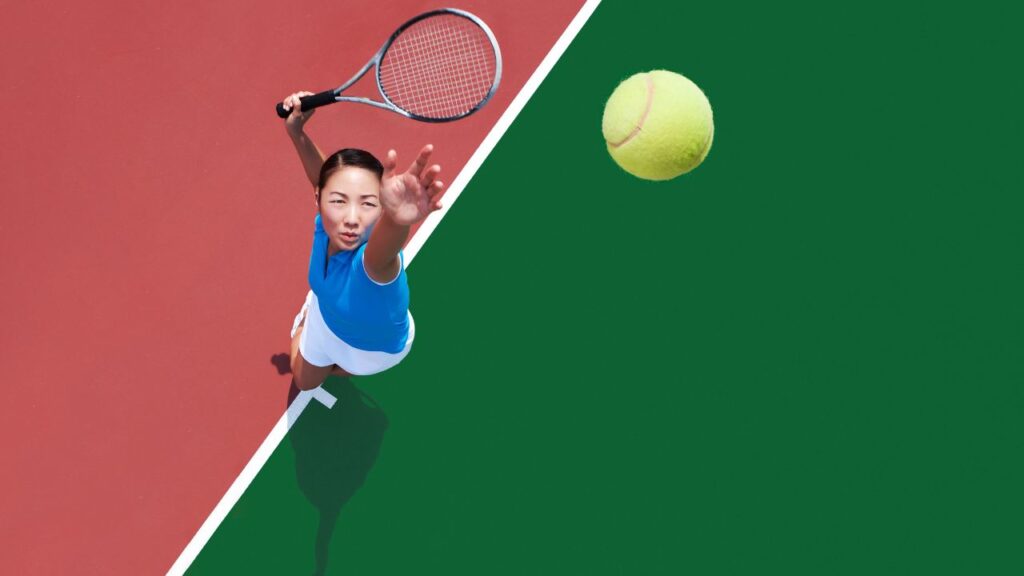
Essential Equipment and Video Tools to Maximize Training Efficiency
Using video effectively ties closely to having the right equipment, both on court and for recording analysis. Video capture no longer requires fancy rigs; smartphones and tablets suffice for capturing actionable footage, but incorporating software capable of slow motion, angle switching, and frame-by-frame review elevates the experience. Investing in a dependable tennis racket from top brands like Wilson, Babolat, or Yonex paired with analyzing swings via video reveals hidden insights about racket performance and player compatibility.
TennisGuide offers top-tier recommendations for must-have tennis gear, featuring rackets, strings, and accessories that complement video-driven training. For instance, understanding the perfect racket tension through video analysis directly influences shot control and prevents injury.
- Smartphone or tablet with high-definition recording for mobile video capture
- Video analysis software/apps such as Dartfish, Hudl Technique, or Coach’s Eye
- Tripod or mounting system for stable angles and multi-angle views
- High-quality racket brands like Prince and Tecnifibre that offer consistency and durability
- Adequate lighting and court positioning to ensure crisp, clear footage
| Equipment | Purpose | Recommended Brand |
|---|---|---|
| Recording Device | Capture clear footage of player movement and strokes | Any HD smartphone/tablet |
| Video Software | Enable frame-by-frame review and slow motion | Dartfish, Hudl Technique, Coach’s Eye |
| Tennis Racket | Optimal performance and shot control | Wilson, Babolat, Yonex, Prince, Tecnifibre |
| Accessories | Improve grip and comfort | TennisGuide’s accessories guide |
| Supporting Gear | Stable recording (tripods) and lighting | N/A |
Equipped with the right tools and knowledge, integrating video into every training session transforms practice into a high-impact, data-driven endeavor. The synergy of cutting-edge equipment, visual feedback, and expert coaching propels players beyond their perceived limits.
Mastering Shot Technique and Footwork Using Video Feedback
Shot execution and footwork blend fluidly in tennis, each feeding the other to dictate rhythm and effectiveness on the court. Video shines brightest when used to decode these movements, offering players a chance to polish foot placement, stride lengths, and timing to exquisite detail.
Drilling down on footwork mastery, video reveals whether steps are too large, too slow, or out of sync with the body’s stroke timing. Knowing when to push off, how to pivot, and precisely where to plant your feet lets players orchestrate graceful—and brutally effective—onslaughts.
- Analyze step patterns to improve court coverage efficiency
- Check synchronization of footwork with swing mechanics
- Detect and eliminate habits causing energy waste or imbalance
- Optimize speed and direction changes during rallies
- Use video drills to practice optimal foot placement in various shot situations
| Technique | Video Use | Training Outcome |
|---|---|---|
| Forehand Mechanics | Slow motion analysis to check grip, swing path, and follow-through | Smoother, more powerful forehands with consistent topspin |
| Backhand Execution | Multi-angle playback to assess two-handed or one-handed technique | Increased accuracy and shot variety |
| Footwork Patterns | Frame-by-frame step sequencing | Enhanced agility and stamina on court |
| Volley Timing | Analysis of racquet position and step synchronization | Improved net play and point finishing ability |
Players striving to take their game to the next level are encouraged to explore packages like TennisGuide’s advanced training techniques to complement what video analysis reveals. Consistent practice using this feedback loops a player’s skills into a virtuous circle of growth and confidence.