

In the relentless pursuit of mastering tennis, the grip you choose can either unlock a new dimension of power and precision or chain you to limitations that stunt your game’s growth. In 2025, as racquet technology from brands like Wilson, Babolat, and Yonex advances, the spotlight turns to how different forehand grips sculpt the dynamics of players’ shots. Whether harnessed by a rising amateur or a seasoned pro, the influence of a grip on spin, control, and velocity is undeniable, shaping every rally’s outcome. From the traditional Eastern grip’s flat thrusts to the modern Western grip’s blistering topspin, understanding these nuances becomes an electrifying gateway to elevated play.
From gritty courts echoing with clangs of Dunlop and Volkl frames to plush academy courts draped in Prince and Tecnifibre banners, forehand grips are anything but one-size-fits-all. Each grip offers a unique alchemy of power, control, and spin—ingredients that determine not just how the ball flies, but how players feel wrapped in the poetry of their strokes. Grips are more than mere hand positioning; they’re the unseen architects behind every shot’s drama, dictating how players like to dominate the baseline or orchestrate their approach.
This exploration dives deep into those grip styles, dissecting their secrets like a coach’s drill session at an international tennis academy. It’s a journey through the forehand’s heartbeat, from ancient classics to the high-octane grips that have revolutionized tennis strokes. Whether chasing a fierce topspin or cranking flat power bombs, uncovering the right grip unlocks tennis’s thrilling potential — a vibrant tale told by strings wrapped around hands, fists clenching Racquets adorned with Luxilon and Gamma strings, and dreams chased under crystal blue skies. Welcome to the gripping saga of how different forehand grips catalyze tennis technique like never before.
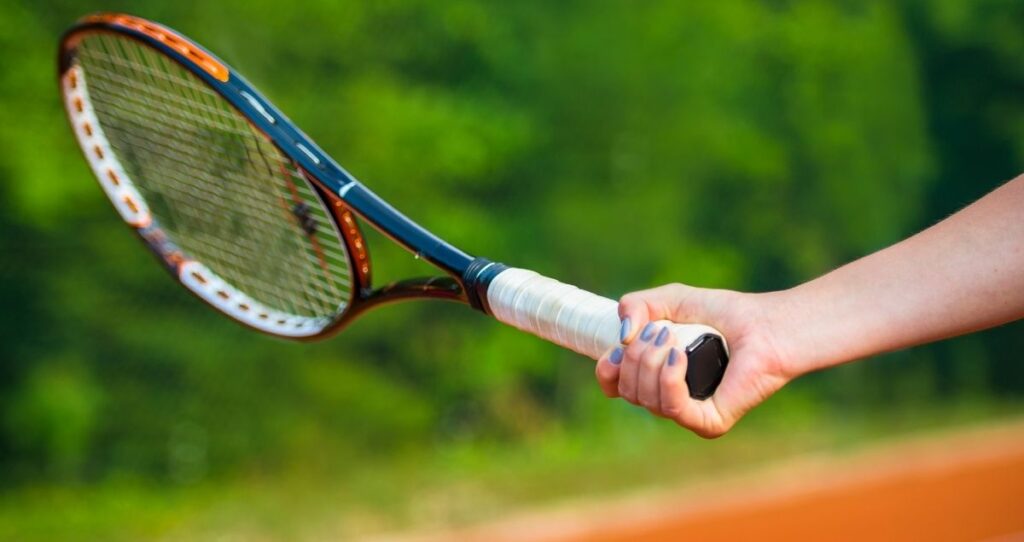
The Crucial Role of Racket Grip in Enhancing Forehand Power and Control
At its core, choosing a forehand grip is not a trivial decision but a transformational tool that influences every thread of technique and performance. The grip controls critical factors including power bursts, shot accuracy, and spin generation — elements that make or break competitive dominance.
How Grip Directly Shapes Power Generation
Power in tennis isn’t just raw muscle; it’s a wonderfully orchestrated symphony between hand, wrist, and racquet head. The chosen grip establishes the hand’s alignment on the racquet handle, impacting leverage and the sweet spot’s effective range. For instance, grips that position the hand further underneath the handle, such as Western grips, naturally generate more topspin, which cleverly accelerates ball velocity combined with net clearance and court penetration.
Players wielding a semi-Western grip find a harmonious balance between explosive power and comfortable control, allowing them to unleash ferocious forehands with racquets from icons like Wilson and Head, outfitted with strings from Gamma or Luxilon. Meanwhile, users of the Eastern grip lean more toward flatter drives that maximize direct power. This grip places the hand on the third bevel of the racquet handle, optimizing leverage for fast courts like grass and hard surfaces.
Grip’s Command over Precision and Spin Effect
Forehand control isn’t solely governed by biomechanics—it’s a tactile sensation dictated by grip nuances. The tighter the hold, the more precise the shot direction but at the cost of potential fluidity and wrist flexibility. Conversely, a looser grip invites a dance of spin but may sacrifice some shot certainty.
Spin, a vital chess piece in tennis strategy, is strongly sculpted by grip style. The Western grip’s closed wrist position permits superb topspin, curling the ball aggressively downwards, making opponents scramble on clay courts—a phenomenon observable when seasoned players equip Prince or Yonex racquets strung with the latest Dunlop or Tecnifibre strings.
Meanwhile, grips like the Continental, although rare for forehands, facilitate slice and angled shots rather than raw topspin power. This versatility highlights why some players prefer adjusting grips mid-rally or across surfaces, as discussed in tennis techniques and tactics.
Matching Grip to Playing Style: Aggression vs. Consistency
The artillery of your forehand emerges from grip choice aligned with playing preferences. Aggressive players chasing winners may gravitate toward grip styles promoting high topspin and power — such as Western or semi-Western grips. These grips coax racquet heads into the perfect position for explosive strokes, ideal for loading up on pressure against opponents.
Contrarily, defensive-minded players favor grips like the Eastern or Continental, enhancing ball control and error minimization. This approach suits styles demanding precise placement over raw fireworks, allowing players to sustain longer rallies and dictate match tempo.
- Aggressive grips: Western, Semi-Western
- Defensive grips: Eastern, Continental
- Versatile grips for mixed styles: Semi-Western offers a balanced middle ground
| Grip Type | Power Level | Spin Generation | Best Suited Surface | Player Profile |
|---|---|---|---|---|
| Eastern | Moderate | Low to Moderate | Grass, Hard | Beginner to Intermediate, Control-focused |
| Semi-Western | High | High | Hard, Clay | Intermediate to Advanced, Balanced Style |
| Western | Very High | Very High | Clay | Advanced, Topspin Heavy Baseliners |
| Continental | Low | Low | Varied (usually for volleys) | Defensive/All-Court |
The Spectrum of Popular Forehand Grips: Characteristics, Pros, and Cons
Modern tennis players oscillate among four main grips, each word a stanza in the greater tennis poetry that defines shot-making ethos. Brands such as Head, Babolat, and Tecnifibre craft the perfect racquets to complement these gripping styles, allowing players to express their forehand virtuosity.
Continental Grip: The Old-School Swiss Army Knife
Though regal in historic grandeur, the Continental grip steps back in today’s forehand spotlight. Its hallmark versatility excels in serves and volleys but hampers forehand topspin power. The knuckle lies on the second bevel, affording quick transitions between shots, but it demands compensations elsewhere for aggressive baseline play.
- Advantages: Enhanced defensive control and quick shot adaptability.
- Disadvantages: Limited topspin, less power for offensive forehands.
Eastern Grip: The Classic Power-Accuracy Blend
The Eastern grip, resting the base knuckle on the third bevel, reigns among beginners and tacticians alike. It balances flat driving power with pleasing shot control, ideal for those navigating fast surfaces or approaching net play. Learn how to perfect the Eastern forehand stroke here.
- Advantages: Versatile power and control; easier adaptation to backhands.
- Disadvantages: Less dynamic topspin; struggles with heavy high-bouncing balls.
Semi-Western Grip: The Crowd-Pleaser for Topspin and Power
Arguably the reigning champion among today’s pros, the semi-Western grip aligns the knuckle on the fourth bevel, granting a potent combination of topspin and fearless aggression. It lends itself superbly to the chassis of racquets produced by brands like Yonex and Volkl. Embrace training tips for refined power and spin here.
- Advantages: High topspin potential, powerful baseline strokes.
- Disadvantages: Slightly less effective on low balls and grass courts.
Western Grip: The Spin Maestro’s Secret Weapon
The Western grip, with the knuckle tucked under the fifth bevel, is a full-throttle spin machine that thrives on clay and slow courts. Controlling shots with finesse demands supreme wrist strength and timing, often suitable only for experienced players. Explore physical conditioning essentials to master demanding grips here.
- Advantages: Maximum topspin and power; ideal for baseline dominance.
- Disadvantages: Harder to control; challenging on fast surfaces.
| Grip | Knuckle Position | Topspin Capability | Recommended For | Difficulty Level |
|---|---|---|---|---|
| Continental | 2nd bevel | Low | Serve, volley, slice | Beginner-Intermediate |
| Eastern | 3rd bevel | Moderate | Flat shots, net approach | Beginner-Intermediate |
| Semi-Western | 4th bevel | High | Baseline topspin, power shots | Intermediate-Advanced |
| Western | 5th bevel | Very High | Heavy topspin, clay court | Advanced |

Tailoring Your Forehand Grip: Strategic Tests and Surface Considerations
Unlocking the forehand’s full potential means experimenting rigorously with your grip, a process demanding patience and an eagle eye for your own game’s feedback. This phase transforms technical knowledge into personal mastery, discerning how racquet and strings from brands like Babolat and Dunlop respond under different grips.
Practice Trials: Embrace the Grip Experimentation
The first step toward grip mastery is immersing oneself in the hands-on experience. Trying different grips during practice rounds reveals how ball flight, spin, and your shot comfort evolve. This phase should include:
- Testing Eastern, Semi-Western, Western, and even Continental grips in drills.
- Utilizing racquets strung with Gamma or Luxilon strings to observe response variability.
- Recording shot trajectories and subjective feel for control and power.
A practical focus on trial-and-error accelerates adaptation and helps determine your intrinsic grip preference. This journey is augmented by consulting expert coaching and integrating insights from forehand stroke mastery tutorials.
Surface and Conditions Impact: The Unsung Grip Influencer
As any seasoned pro knows, courts dictate style. Fast grass favors flatter strokes enabled by grips like Eastern, relying on clean strikes rather than heavy topspin. Clay courts, conversely, reward the semi-Western and Western grips, which create topspin-laden balls that bite and arc stealthily.
Moreover, weather conditions—humidity, wind, temperature—intermingle uniquely with grip choice and racquet tension. Tennis players who align grip selection with surface type and conditions find a marked boost in performance and shot consistency.
- Grass Courts: Prefer Eastern or Semi-Western for quick attack shots.
- Clay Courts: Favor Semi-Western or Western for heavy topspin control.
- Hard Courts: Semi-Western strikes best balance of power and control.
| Court Type | Recommended Grip | Spin Style | Power Emphasis |
|---|---|---|---|
| Grass | Eastern, Semi-Western | Flatter shots, less spin | High |
| Clay | Semi-Western, Western | Heavy topspin | Moderate to High |
| Hard | Semi-Western | Moderate topspin | Balanced |
Crucial Tips for Improving Forehand Performance Through Grip Refinement
Once the perfect grip is identified, excellence requires diligent refinement and technical tweaks. Forehand success lies as much in technique as in holding the racquet, with brands like Wilson and Luxilon providing the necessary gear innovations supporting advanced play.
Posture and Footwork Synergy
Grip effectiveness blossoms when combined with a solid stance. Footing shoulder-width apart and flexed knees deliver stability, prepping players to transfer kinetic energy effectively. The preparatory shoulder rotation paired with the racquet pulled back enlivens a rhythmic strike flow, echoing the orchestration a top-tier Prince or Yonex player would embody.
- Maintain shoulder-turn to load the shot.
- Keep balance centered to respond quickly.
- Combine grip comfort with foot positioning for fluid swings.
Follow-Through and Arm Relaxation for Fluidity
Control and power coalesce when the arm swings free post-impact, letting momentum guide the racquet naturally along its curve. Tension-free muscles in the dominant arm foster effortless acceleration and tick the box for shot consistency, a vital lesson drawn from training with Volkl or Dunlop racquets strung with top-tier Tecnifibre strings.
Practically, players should focus on:
- Relaxing grip pressure near impact to avoid muscular stiffness.
- Ensuring a full follow-through, reinforcing ball control and spin load.
- Synchronizing wrist snap with forearm rotation to maximize shot effect.
FAQ on Tennis Forehand Grips: Common Questions from Beginners to Pros
- Can I use multiple forehand grips during a single match?
Yes, technically possible but generally discouraged. Consistency is key. However, subtle grip adjustments for slice or topspin shots depending on situation are common, as advised by experts on tennis grip strategy. - How long does it take to adjust to a new forehand grip?
Adjustment varies with commitment but expect weeks of consistent practice to feel natural. Coaching guidance accelerates the process exponentially. - Which grip is best for generating heavy topspin?
The Western grip holds the crown for topspin potential, favored by tireless clay court warriors due to its powerful spin generation capabilities. - Should I switch grips for different court surfaces?
Yes. Aligning your grip with court conditions is a wise strategy, enhancing shot consistency and court coverage. - What common mistakes should beginners avoid with their forehand grip?
Avoid gripping too tightly causing tension and shot inconsistency. Also, don’t cling too loosely risking control loss. Balance and adaptability are your friends.