

In the electrifying world of tennis, mastering the fundamental strokes—the forehand, backhand, and serve—can transform a player’s game from mere participation to sheer domination. These strokes are not just techniques; they are weapons of precision, power, and relentless pressure that define the rhythm and outcome of every rally. From the baseline battles that echo the fierce battles of ATP and WTA tournaments to the first serve’s explosive launch like a missile, getting these moves right is essential for players at every level. Whether wielding a Wilson, Babolat, or Yonex racquet, understanding the subtleties behind grip, swing path, footwork, and follow-through separates champions from contenders.
The journey to mastery combines physics, body mechanics, and mental grit, layered with the excitement of competition and the artistic flow of the game. It’s about feeling the sweet spot, anticipating opponent reactions, and adapting under pressure. Every brand from Head to Technifibre has engineered gear that complements these strokes, underscoring the symbiosis of equipment and skill. Even as technology evolves, the essence of tennis remains the art of hitting shots that are, in the words of legends, “impossible to return.” This article dives deep into mastering your forehand, backhand, and serve with clarity and passion, breaking down the mechanics and strategies to revolutionize your on-court presence.
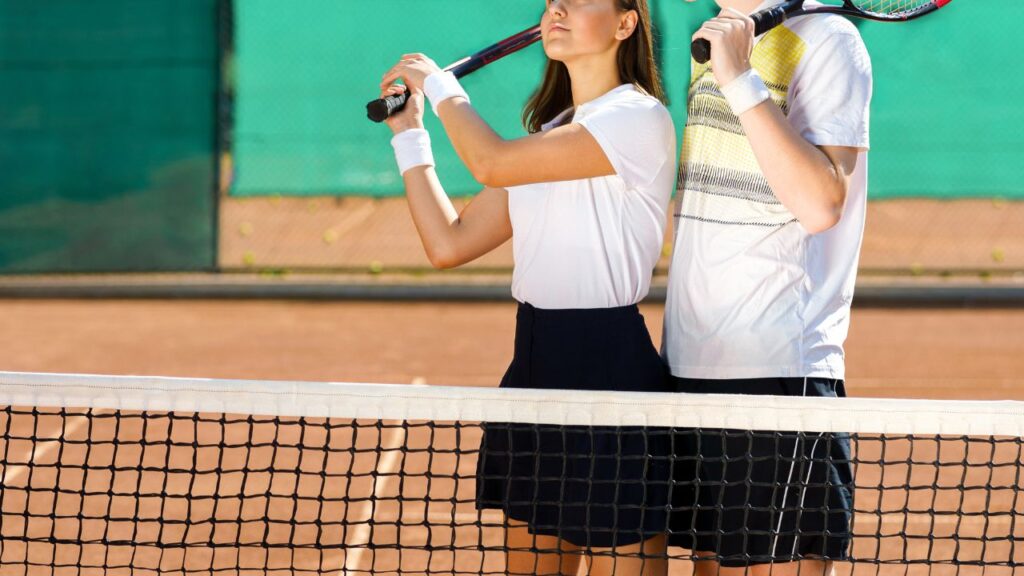
Mastering the Tennis Forehand: Technique, Grip, and Power Development
The forehand is often the cornerstone of any tennis player’s arsenal. It’s usually the first shot beginners learn due to its natural feel but mastering it demands dedication, nuanced technique, and strategic awareness. The forehand stroke involves more than just swinging—it’s an orchestrated sequence combining grip, foot position, shoulder rotation, wrist control, and follow-through.
Choosing the right grip is pivotal. The Eastern Forehand Grip remains a classic choice, enabling solid flat strokes and moderate topspin, widely favored by club players and pros alike. Slightly more aggressive players might lean toward the Semi-Western Grip, which allows heavier topspin and sharper angles—ideal on modern high-bounce surfaces. The Western Grip is an advanced option that maximizes spin but requires excellent timing and flexibility, often suited for baseline grinders.
| Grip Type | Advantages | Typical Usage | Recommended Racquet Brands |
|---|---|---|---|
| Eastern Forehand | Natural feel, flat strokes, versatility | Beginners to intermediate | Wilson, Prince, Head |
| Semi-Western | More topspin, power, suitable for hard courts | Intermediate to advanced | Babolat, Yonex, Technifibre |
| Western | Maximum topspin, heavy spin shots | Advanced, clay court specialists | Dunlop, Volkl, Gamma |
To perfect the forehand, begin with the ready position—feet shoulder-width apart, knees bent, and racquet held firmly but flexibly. As the ball approaches, pivot your shoulders and take the racquet back in a controlled motion, keeping the head of the racquet level with your eye line. Accuracy in the backswing prevents erratic shots and builds consistency under pressure.
During the swing, the forward motion is initiated by dropping the racquet below the ball level, followed by a smooth acceleration just before contact. Keep your eyes locked on the ball, and do not raise your head prematurely. Contact should be made comfortably in front of the body with a firm wrist that guides the racquet face, ensuring optimal spin and power. The follow-through is crucial—extend the arm fully, pronate your forearm, and finish with a windshield-wiper motion across your body.
Footwork often separates a solid forehand from a truly offensive weapon. Players must be proactive, moving with explosiveness—which can be developed through dedicated fitness exercises featured at TennisGuide.net. The proper stance maximizes balance and allows rapid recovery, crucial for setting up subsequent shots. Additionally, equipment plays a supporting role: brands like Wilson and Babolat offer racquets designed to enhance feel and control, complementing the player’s technique.
- Key forehand focus points: grip choice, shoulder rotation, wrist stability, eye tracking, explosive footwork
- Incorporate drills that emphasize repetition for muscle memory
- Visualize smooth stroke paths to internalize movement
- Adjust grip for spin or flat shots depending on court conditions
- Maintain a flexible wrist grip for power and control without tension
For those looking to refine forehand technique further, a detailed guide is available at TennisGuide.net, offering drills, pro insights, and real-world tips to push your game to the next level.
Building a Strong Backhand: Grips, Stance, and Tactical Variations
The backhand is the yin to the forehand’s yang—a critical stroke that demands versatility and adaptability. Players often wrestle with finding the optimal backhand style, as it typically involves more intricate mechanics and different grip considerations. Whether choosing a one-handed or two-handed backhand, the stroke’s effectiveness hinges on fluid body rotation, proper grip, and strategic shot placement.
The Continental and Eastern Backhand Grips are foundational, but most modern players prefer the two-handed backhand for added stability and power. This stroke, popularized by legends such as Novak Djokovic and Serena Williams, blends controlled swinging with quick wrist snap for topspin and depth. One-handed backhands excel in reaching wide balls and offer greater slice variation, favored by craftsmen like Roger Federer.
| Backhand Style | Grip | Benefits | Notable Players | Recommended Racquet Brands |
|---|---|---|---|---|
| Two-Handed Backhand | Eastern for dominant hand, Continental or Semi-Western for non-dominant | Power, control, topspin generation | Novak Djokovic, Serena Williams | Head, Babolat, Dunlop |
| One-Handed Backhand | Eastern or Continental | Reach, slice variety, elegant stroke | Roger Federer, Stefanos Tsitsipas | Wilson, Prince, Technifibre |
Effective backhand strokes start with a solid grip and stance. The semi-open stance is commonly recommended, where the player’s hips rotate to prepare for the shot, maximizing power output without sacrificing balance. Relaxation through the wrist is key; gripping too tightly can stifle racquet head speed and cause tension, leading to inconsistent shots.
Backhand success isn’t purely mechanical—it requires tactical intelligence. Mixing depth, spin, and placement keeps opponents guessing. For instance, a sharp cross-court backhand slice can force your opponent out wide, setting up offensive opportunities for your forehand. It’s also crucial to read your opponent’s weaknesses and adapt. Player-focused training resources at TennisGuide.net spotlight how rising stars deploy their backhand to dominate matches.
- Backhand essentials: grip precision, stance stability, controlled shoulder and hip rotation
- Combine power drives and tactical slices for variety
- Practice drills that build wrist flexibility and racquet speed
- Position your feet to facilitate smooth transition into hitting stance
- Use video analysis to detect and correct mechanical flaws
High-level coaches often emphasize balance and fluidity when hitting the backhand. Platforms offering tennis fitness advice, such as TennisGuide.net, highlight exercises that enhance the explosiveness and core strength crucial for consistent backhand power. Optimal racquets like Yonex or Volkl models marry technology and design to provide extra stability for backhand strokes.
The Art of the Tennis Serve: Power, Placement, and Mental Edge
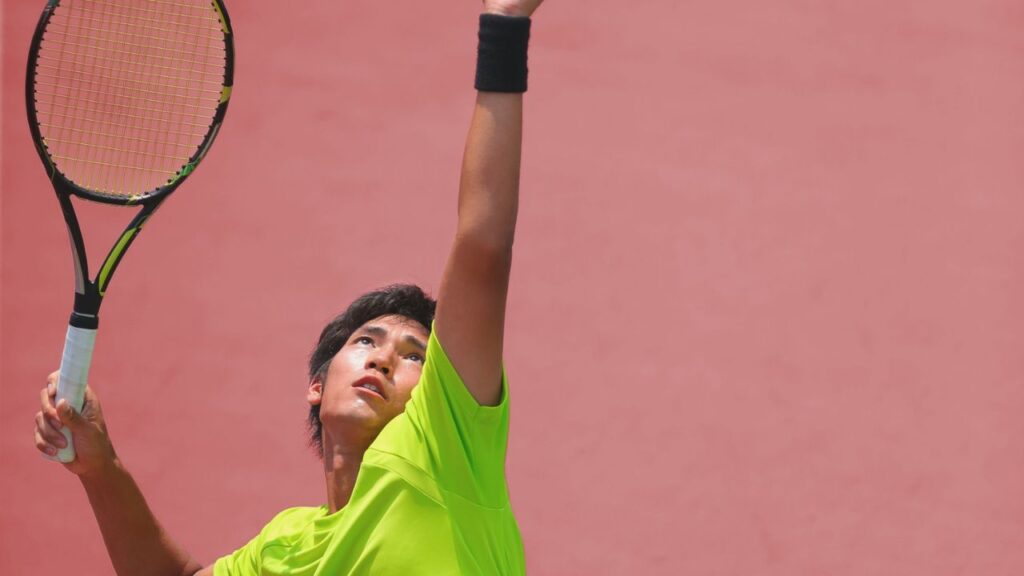
Serving is the crown jewel of tennis strokes—a commanding weapon that initiates every point and often dictates match momentum. Mastery of the serve takes years of honing technique, mental fortitude, and having the right equipment. The serve involves biomechanics that harness energy from the legs, torso, shoulder, arm, and wrist in a synchronized explosive motion.
The grip traditionally used is the Continental grip, allowing fluidity for flat, slice, or kick serves. Mixed grips rarely work efficiently in serving, so players focus on perfecting the wrist snap and racquet drop-back during the service motion. Elite servers, such as those favored by top pros with Dunlop or Gamma racquets, use a leg drive combined with explosive shoulder rotation to generate speeds well beyond 120 mph.
Effective serves demonstrate several phases:
- Preparatory stance: Feet shoulder width apart with the front foot slightly angled toward the net post, knees bent to store energy.
- Toss consistency: Releasing the ball at the exact spot to maximize ease of contact and power transfer.
- Racquet drop-back: Allowing the racquet head to fall behind the back, creating a “loading” effect.
- Powerful upward swing: Driving through the ball with wrist snap and pronation for distinct spin variations.
- Follow-through: Balanced finish with racquet pointing toward the target and readiness to recover quickly.
Mental toughness also plays a vital role. Delivering clutch serves under pressure, especially during match points, demands focus and unwavering confidence. Players at all levels benefit from training the serve ritual—deep breaths, visualization, and consistent routines. Technifibre and Prince provide ball brands and racquets that complement serve training routines, enhancing feel and response during practice.
| Serve Type | Characteristics | Typical Situation | Recommended Equipment |
|---|---|---|---|
| Flat Serve | High speed, low spin, effective for aces | First serve, aggressive points | Dunlop racquets, Tretorn balls |
| Slice Serve | Side spin causing ball to curve, difficult to return | Second serve or to open court | Babolat racquets, Gamma balls |
| Kick Serve | High bounce, topspin serves pushing opponent back | Second serves, defensive play | Wilson racquets, Head balls |
Training programs emphasizing serve power and endurance can be found on TennisGuide.net. Achieving a formidable serve demands patience and repetitive practice to embed muscle memory and perfect timing.
Integrating Footwork and Fitness for Stroke Excellence on Court
Though stroke mechanics dominate discussion, footwork and fitness underpin everything on the court. Explosiveness, balance, and agility transform good technique into match-winning play. Tennis is unforgiving for those who cannot reach or position correctly for shots.
Developing footwork involves drills that improve lateral quickness, change of direction, and acceleration. In 2025, the best tennis training regimens integrate technology and science, pairing fitness exercises with stroke drills. Brands like Yonex and Volkl offer gear that provides stability without compromising mobility, critical for fluid footwork.
- Essential footwork drills: ladder drills, cone drills, side shuffles, split-step timing
- Fitness exercises: plyometric jumps, core strengthening, sprint intervals
- Maintaining low and balanced stance during strokes improves power and shot accuracy
- Recovery steps post-shot enable swift repositioning and anticipation
- Use training aids like weighted jump ropes and resistance bands to enhance explosiveness
Injuries often stem from poor movement and fatigue, underscoring the importance of a balanced fitness regimen. Insightful advice and tailored workouts can be found on TennisGuide.net, a resource loved by pros and amateurs alike. Proper shoes are imperative too: tennis shoes guide for right fit will ensure your feet stay supported during those rapid court sprints (read more).
The marriage of footwork, fitness, and stroke technique forms the foundation of elite tennis play. Each step taken with precision feeds directly into powerful forehands, solid backhands, and dominating serves capable of shaking up any tournament scene, creating electric moments that fans remember for years.
Winning Strategies and Mental Toughness: Using Strokes to Outplay Opponents
Tennis is as much a psychological warfare as it is a physical contest. Mastering strokes is the groundwork, but wielding them strategically elevates your game into a battlefield of anticipation and outsmarting your rival.
Players who blend power, placement, and variation force opponents into errors. The forehand often acts as the primary weapon to dictate rallies, while the backhand can deliver lethal cross-court winners or pinpoint dropshots. Serving well not only initiates points but can also erode an opponent’s confidence.
The mental toughness to maintain focus during match points, pressure serves, or tight backhand exchanges defines champions. Staying low, executing routines, and employing tactical patience ensure consistent shot-making. Coaches and sports psychologists recommend mental drills and pressure simulations alongside physical training.
- Use shot variety to exploit opponent weaknesses—mix deep topspin forehands with short backhand slices
- Position yourself to attack their weak side, often the backhand
- Implement disguised shot selection to keep your rival guessing
- Maintain calm composure during high-pressure rallies and breakpoint opportunities
- Study opponents’ patterns from matches and adapt your strategy accordingly
Upcoming player profiles and current tournament shocks showcase how strategic stroke mastery creates legends in the making. Explore these inspiring stories and expert analyses at TennisGuide.net. Mastering the mental and tactical aspects of the game often predicts whether your forehand, backhand, or serve becomes a winning edge or a missed opportunity.
| Strategy Element | Description | Effect on Opponent | Execution Tips |
|---|---|---|---|
| Shot Variation | Changing shot depth, speed, and spin | Disrupts opponent rhythm | Practice mixing topspin and slice shots in drills |
| Targeting Weakness | Hitting to opponent’s weaker side | Forces errors or weak replies | Observe and exploit during rallies |
| Composure Under Pressure | Maintaining mental focus during key points | Reduces unforced errors | Develop pre-serve rituals and breathing techniques |
Frequently Asked Questions about Mastering Tennis Strokes
- What is the best grip for beginners learning the forehand? The Eastern Forehand Grip is recommended for beginners due to its natural feel and versatility.
- How can I improve the power of my backhand? Focus on proper foot positioning, relaxed wrist movement, and incorporating core rotation for added power.
- What mental techniques help with serving under pressure? Developing consistent routines, visualization, and breath control greatly improve service performance during tense moments.
- Which tennis brands offer the most supportive racquets for stroke control? Wilson, Babolat, and Head are popular choices offering models that balance power and precision.
- How important is footwork in mastering tennis strokes? Footwork is crucial; it sets up the proper position for strokes and enhances balance, speed, and shot accuracy.