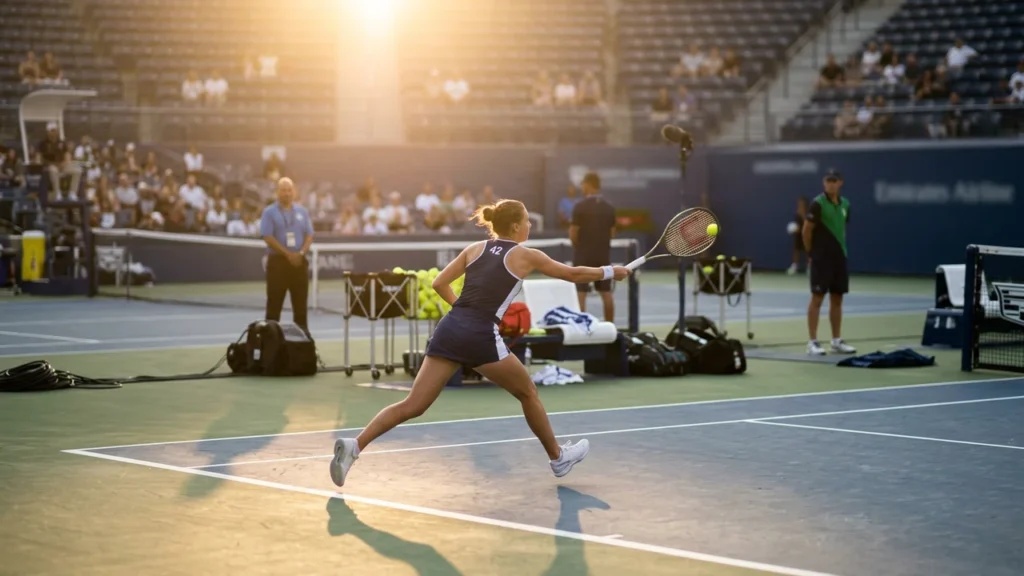
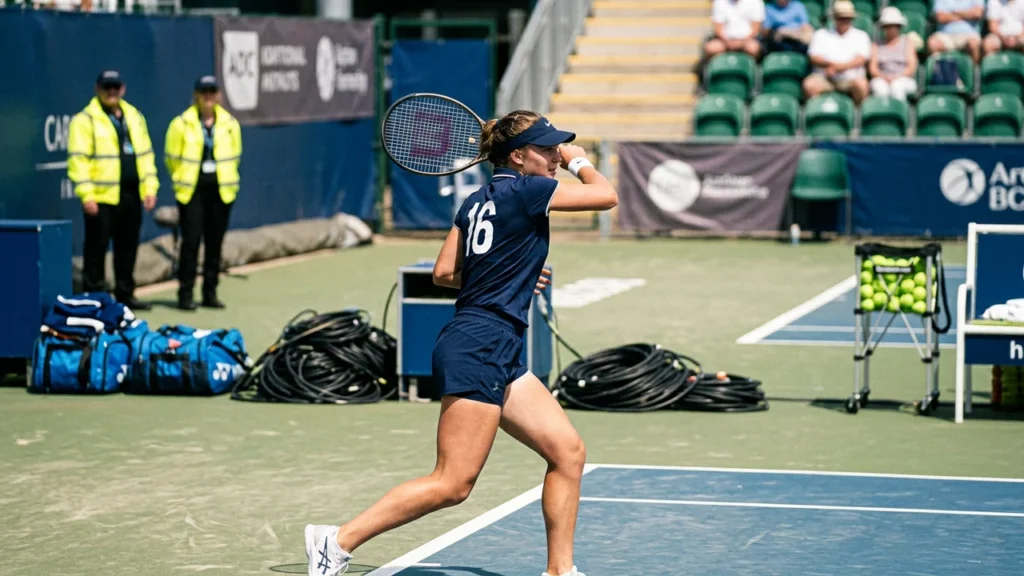
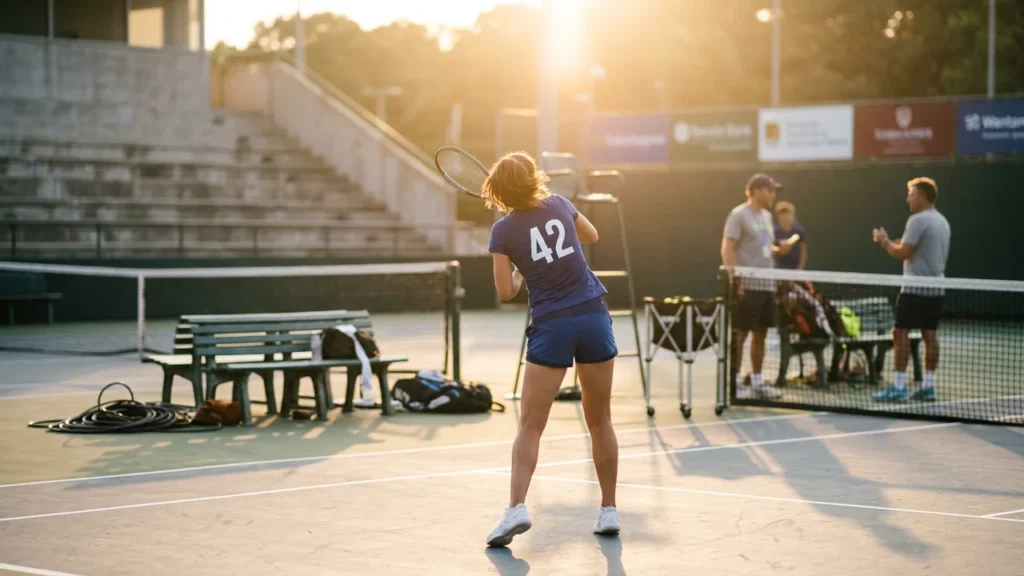
In an extraordinary display of tennis mastery, Iga Swiatek claimed the Wimbledon title with a definitive straight-sets victory over Ons Jabeur. This achievement not only marks a milestone in Swiatek’s career but also highlights the electrifying dynamics of modern tennis. The match was a captivating showcase of athleticism, strategy, and mental toughness, capturing the imagination of fans both new and seasoned, as they witnessed one of the sport’s brightest stars rise to Wimbledon glory. Swiatek’s straight-sets victory reflects the drama and precision that make tennis a compelling spectacle, drawing attention to the nuances and thrills that define Grand Slam tournaments.
The year 2025 has ushered in a shift in women’s tennis with emerging rivalries and unprecedented performances. Swiatek’s triumph over Jabeur, a player celebrated for her creativity and agility, exemplifies the evolving landscape of the game — where power meets finesse and mental strategy is as vital as physical prowess. This article explores the various dimensions of that landmark Wimbledon final, contextualizing the win within Swiatek’s career trajectory, the technical details of the match, and the broader impact on the tennis world.
For those embracing tennis for the first time or looking to deepen their appreciation, this recounting offers more than just scores; it unveils the emotional intensity and skillful execution behind each rally, acknowledging the influence of top-tier equipment from brands like Nike, Wilson, Head, Under Armour, and Adidas that empower players on the court. In doing so, it aims to bridge the gap between high-level competition and accessible understanding, inspiring readers to engage with tennis not only as spectators but as participants in a sport rich with stories and strategies.
Iga Swiatek’s Journey to Wimbledon Glory: From Rising Star to Champion
Iga Swiatek’s path to claiming the Wimbledon title is a compelling story of resilience, progression, and technical refinement. Having once been the world’s No. 1 women’s player about a year prior, Swiatek’s journey showcases the fluctuating nature of competitive tennis and underlines how determination and skill converge on the grandest stages. Despite her previous dominance on clay courts demonstrated by four French Open titles and success at the U.S. Open, Wimbledon presented a unique challenge with its grass surface demanding adjustments in play style and strategy.
Swiatek entered the tournament as the No. 8 seed, a position that did not fully encapsulate her capability but added an element of unpredictability, fueling her motivation to perform at her best. Her campaign was marked by impressive consistency, dropping just one set and only six service games throughout the tournament. This level of performance, especially on grass—a surface she had historically found challenging—highlighted her ability to adapt and evolve, qualities essential for longevity in tennis.
One cannot overlook Swiatek’s strategic coaching changes, including her collaboration with coach Wim Fissette, which played a pivotal role in honing her game and mental fortitude. These behind-the-scenes adjustments magnified her strengths in baseline control, serve precision, and court coverage. Combined with mental tactics learned over her career, including focus techniques that any tennis enthusiast can explore in depth at tennis mental training focus, Swiatek transformed from a multifaceted player into a Wimbledon conqueror.
The following list summarizes key aspects contributing to Swiatek’s rise and eventual Wimbledon triumph:
- Adaptation to Grass Courts: Training sessions focused on quick reflexes and low ball trajectory reading, essential for grass play.
- Mental Resilience: Experience in Grand Slam finals helped maintain composure under pressure.
- Coaching Dynamics: Strategic switch to Wim Fissette sharpened game intelligence and consistency.
- Physical Conditioning: Peak fitness enabling sustained performance during demanding matches.
- Equipment Optimization: Utilization of high-performance gear from Wilson and Head, tailored for grass courts.
These factors culminated in a breathtaking final where Swiatek demonstrated exceptional dominance and poise, characteristics that define true champions. Her journey is testament to the multi-dimensional nature of tennis, where physical prowess intersects with psychological and tactical refinement.
Technical Breakdown of the Wimbledon Final: Swiatek vs. Jabeur Highlights
The Wimbledon final between Iga Swiatek and Ons Jabeur was not just a contest of skill but a rhythmic narrative of power, finesse, and precision executed with surgical accuracy. Swiatek’s 6-0, 6-0 straight-sets win was a rare feat in tennis history, showcasing an almost flawless command over the game from the very first serve.
The match clocked in just over an hour, a swift culmination to what fans expected to be a gripping affair. Yet, Swiatek’s relentless pressure left Jabeur overwhelmed, unable to find the depth or rhythm necessary to mount a counterattack. The Polish champion’s ability to seize control early, breaking Jabeur’s serve immediately, set the tone for a final that was as much about mental dominance as physical skill.
Key technical elements that propelled Swiatek’s victory include:
- Serve Dynamics: Powerful and accurate serves that reduced Jabeur’s chances of exploiting weaknesses. Swiatek’s use of Under Armour gear facilitated consistency and aggressiveness in serving.
- Baseline Control: Swiatek’s court positioning minimized opportunities for Jabeur’s famed trick shots.
- Backhand Precision: Cross-court backhands placed with unerring accuracy disrupted Jabeur’s offense.
- Footwork and Agility: Effortless ground coverage denied Jabeur angles and openings.
- Minimizing Unforced Errors: Swiatek committed only a fraction of errors compared to Jabeur, sustaining pressure throughout.
Below is a performance summary table comparing key statistics from the final:
| Statistic | Iga Swiatek | Ons Jabeur |
|---|---|---|
| Aces | 8 | 2 |
| First Serve Percentage | 72% | 55% |
| Unforced Errors | 9 | 28 |
| Break Points Converted | 6/8 | 0/4 |
| Total Points Won | 55 | 20 |
For those exploring how to master serves or improve gameplay, detailed biomechanics drills offer valuable insights and can be found at Tennis Biomechanics Drills. Understanding these facets enriches one’s appreciation for the precision that distinguishes champions like Swiatek.
The Grand Slam Impact: How Swiatek’s Victory Redefines Women’s Tennis in 2025
Swiatek adding Wimbledon to her list of Grand Slam titles reinforces her status as a formidable force across all playing surfaces. With her sixth major championship now secured, she stands in elite company, having conquered clay, hard court, and grass—an achievement that only a select few in women’s tennis history have managed.
This all-surface versatility signifies a shift in how players prepare and compete. Swiatek’s ability to switch gears across surfaces is now a blueprint for aspiring champions. Talents emerging in the 2025 season are encouraged to develop adaptability, and her triumph sets a motivational benchmark.
The following points summarize how Swiatek’s success at Wimbledon influences the broader tennis landscape:
- Inspiration for Younger Players: Young athletes now view Swiatek as a role model who navigated early career setbacks to reach the pinnacle.
- Elevation of Grass Court Play: Increased attention on training regimes tailored for grass, emphasizing serve-and-volley and agile movement.
- Advancement in Equipment Use: Tennis brands like Nike and Adidas are innovating gear that enhances player performance on grass.
- Media and Fan Engagement: The final’s historic scoreline captivated audiences worldwide, boosting the sport’s global appeal.
- Ranking Dynamics: Swiatek’s rise to No. 3 in WTA rankings alongside Jabeur signals a fresh era of competitive parity in women’s tennis.
These developments intertwine with the sport’s evolving narrative, linking the technical explosion weaponized by players with the mental and emotional trials that courtside spectators often sense beyond the scoreboard. For a broader view of upcoming tennis tournaments and how players like Swiatek shape the season, visit Upcoming Tennis Tournaments.

Ons Jabeur’s Resilience and the Growth of Tunisian Tennis on the Global Stage
While the final score paints a picture of dominance, Ons Jabeur’s journey to the Wimbledon final symbolizes tremendous progress for Tunisian and African tennis. Jabeur has consistently blended flair with tactical intelligence, delivering exciting and unconventional shots that engage casual watchers and tennis purists alike.
Her rise to a Grand Slam final in 2025, coupled with her ranking in the top tier and equipment endorsements from brands such as Adidas and Head, shines a spotlight on the growing diversity in the sport. Jabeur’s experience underscores the importance of mental strength and adaptation in high-stakes matches—learning moments that novices can appreciate when studying tennis strategies and psychological preparedness.
The key aspects of Jabeur’s impact and resilience include:
- Pioneering Representation: Breaking barriers as a leading African woman in tennis, inspiring diverse participation.
- Creative Shot-Making: Unpredictable slices and drop shots that challenge traditional baseline play.
- Building Mental Toughness: Overcoming pressure and setbacks, such as performance in Grand Slam finals.
- Role Model Status: Encouraging youth involvement and grassroots development in Tunisia and beyond.
- Endorsed by Top Brands: Partnerships with Under Armour and Wilson highlight her growing marketability and professional stature.
Jabeur’s presence enriches the sport by broadening its cultural and geographical horizons, making tennis a truly global game where diverse stories unfold. Enthusiasts intrigued by player trajectories and up-and-coming stars can explore trends and insights at Upcoming Tennis Players to Dominate Next.
Equipment and Apparel: The Role of Nike, Wilson, Head, Under Armour, and Adidas in Champion Performance
The high-octane performances seen in this Wimbledon final also underscore the critical role of premium tennis equipment and apparel. Players like Swiatek and Jabeur rely on cutting-edge technology from industry leaders such as Nike, Wilson, Head, Under Armour, and Adidas to gain competitive edges in speed, comfort, and power.
Understanding the synergy between athlete and gear illuminates why brands invest heavily in research and development tailored to different surfaces and playing styles. For instance, Wilson’s rackets are engineered to balance power and maneuverability, ideal for fast-paced grass court play, while Nike and Adidas provide apparel designed for breathability and freedom of movement crucial during long matches in unpredictable weather conditions.
Essentials to consider in equipment for players aspiring to emulate Grand Slam champions include:
- Racket Technology: Features like lightweight frames and vibration dampening improve shot precision and reduce fatigue.
- Footwear Innovation: Tennis shoes from Under Armour and Adidas offer enhanced traction and stability on grass surfaces.
- Apparel Design: Moisture-wicking fabrics keeping athletes cool and focused under pressure.
- Accessories: Wristbands and grips that provide optimal control without sacrificing comfort.
- Customization: Tailored gear setups aligning with individual playing styles and court conditions.
Additionally, players and coaches looking to enhance their strategies and training regimens might find valuable tips and insights by visiting resources like tennis mental training and exploring the latest in equipment trends to stay competitive in events spanning indoor to grass courts at WTA Indoor Games Trends.