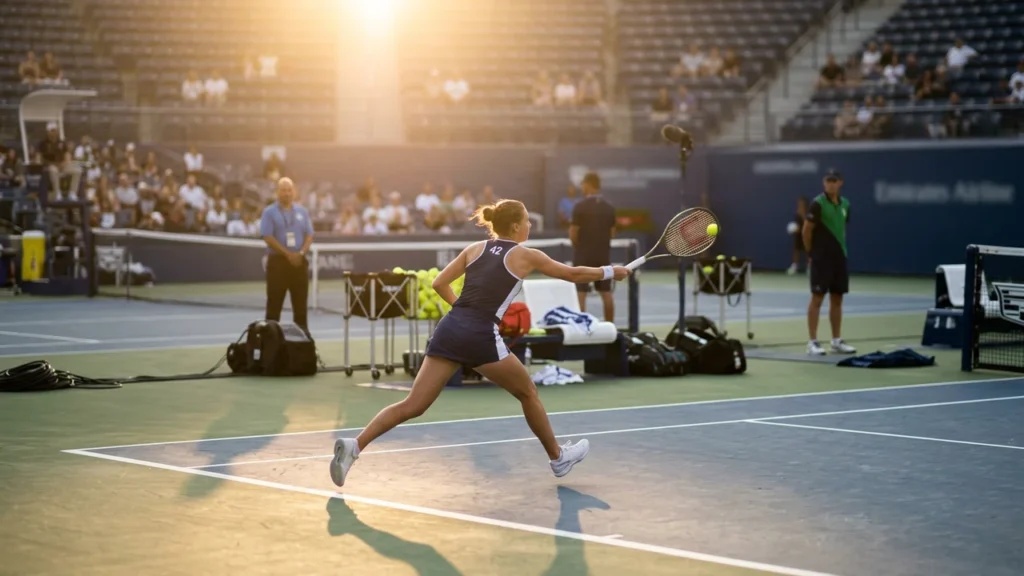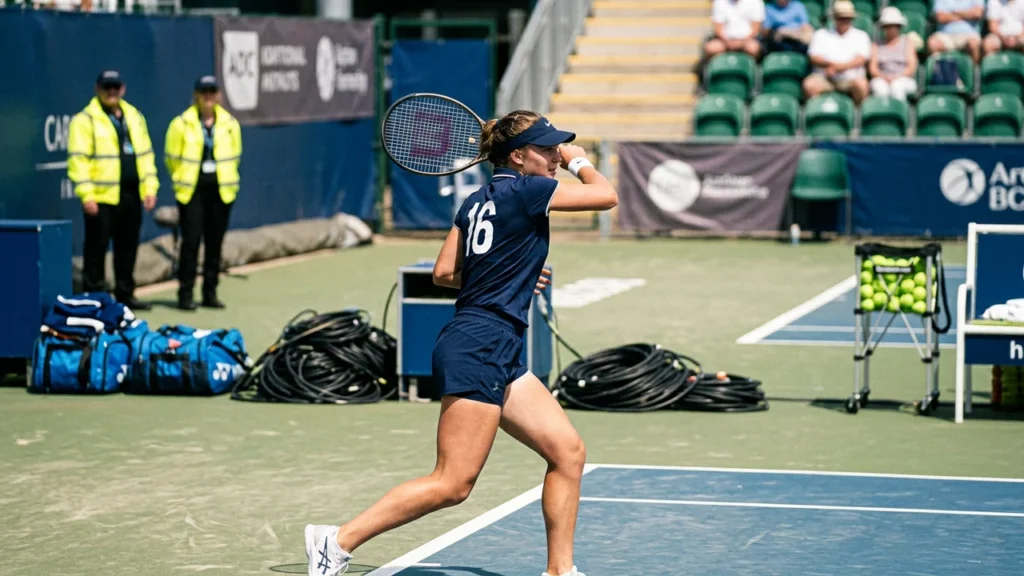
In a dramatic turn at the 2025 Dubai Duty Free Tennis Championships, Tunisian star Ons Jabeur was forced to retire from her opening match due to a persistent knee injury, marking a painful setback in her otherwise spectacular career. The withdrawal, confirmed by tournament officials, cast a shadow over the competition’s early rounds, opening doors for other athletes like Karolína Muchová to seize the moment and progress further in this prestigious event. Jabeur’s struggle with injury has been a recurring theme throughout her recent seasons, highlighting the relentless physical demands tennis imposes on top athletes and the fine line they tread between peak performance and physical breakdown.
This development is particularly poignant considering the immense love and support Jabeur receives from fans in Dubai, a city that has witnessed her rise. Yet, in the face of overwhelming pain, the athlete made a decisive and necessary choice to prioritize her health and long-term career longevity over immediate competition. Meanwhile, Muchová’s advancement offers a glimpse of emerging talent ready to challenge the established hierarchy in women’s tennis. Their contrasting journeys at this tournament encapsulate the drama, resilience, and unpredictability that make tennis such an exhilarating sport to follow.
Ons Jabeur’s Injury and Withdrawal at the Dubai Tennis Championships 2025
Ons Jabeur, currently ranked No. 71, had been contending with a stubborn right knee injury that escalated during the Dubai tournament. The organizers confirmed her withdrawal, emphasizing the severity of the issue and the decision’s necessity. After receiving a first-round bye as a seeded player, Jabeur was slated to face a qualifier in the second round but managed only 7-6(4), 0-4 before opting to retire.
Jabeur’s injury woes have plagued much of her 2024 and early 2025 seasons—interrupting training and leading to multiple withdrawals. The knee issue notably affected her agility and ability to execute explosive movements, vital to her attacking style and versatility on court. As she conveyed through her social channels, playing through the pain became “unbearable,” and she chose focused medical treatment to facilitate recovery over grinding through competition.
This is the second consecutive year Jabeur has been unable to compete in Dubai due to injury, a tough blow for an athlete who has relished competing in front of ardent Arab fans in a tournament that holds significant sentimental value. Her absence shakes up the tournament landscape and reminds the tennis world how vital injury prevention and tailored recovery are to sports careers.
| Player | Ranking Before Dubai | Reason for Withdrawal | Notable Past Performance |
|---|---|---|---|
| Ons Jabeur | 71 | Persistent right knee injury | Former World No. 2, multiple Grand Slam quarterfinals & finals |
| Marta Kostyuk | 41 | Fitness issues | Rising star with solid WTA performances |
| Lesia Tsurenko | 99 | Physical condition concerns | Experienced tour competitor |
Understanding the unfortunate impact of injuries on careers, players and coaches are increasingly focusing on injury prevention strategies that include mobility drills, conditioning, and proper recovery methods to enhance durability and extend athletes’ peak periods.
Karolína Muchová’s Rise Amidst Tournament Challenges
As Jabeur’s exit reshaped the competitive scene, Czech athlete Karolína Muchová seized the opportunity to advance confidently into the later stages of the Dubai tournament. Known for her fluid movement, tactical intelligence, and court coverage, Muchová represents a beacon of resilience and fresh energy in women’s tennis—a reminder of how players adapt and thrive when chance knocks.
Muchová’s progression is not merely about capitalizing on withdrawals but also her disciplined preparation and dynamic sportspersonship, enabling her to excel in high-stakes matches. Her ability to leverage strategic shot-making and maintain composure under pressure reflects a maturation that’s thrilling tennis enthusiasts tracking emerging stars. These performances hint at a player set to make waves well beyond Dubai in 2025.
The Czech competitor’s journey contrasts sharply with Jabeur’s recent difficulties, underscoring tennis’s relentless nature. Not every athlete’s story involves injury; some depict reinvention and hard-earned ascent. Muchová’s presence injects excitement and unpredictability into the tournament, fueling debate about potential new rivalries and narratives in the sport’s next chapters.
- Strong baseline play and notable backhand skills.
- Clinical serve placements improving match-winning chances.
- Enhanced fitness and footwork agility contributing to sustained rallies.
- Strategic use of drop shots and slice to disrupt opponents’ rhythm.
Aspiring players and fans can glean valuable lessons by analyzing Muchová’s evolving game, combining tactical insight with physical readiness — crucial elements that any competitor must master to excel at the highest levels.
The Physical and Mental Toll of Tennis: Insights from Jabeur’s Struggles
Ons Jabeur’s injury-induced retirement shines a spotlight on the intense physical demands elite tennis players endure. The sport requires exceptional aerobic conditioning, explosive power, rapid lateral movements, and strategic mental focus. Injury management thus becomes as important as on-court skills in a player’s career longevity.
Experts suggest that sport-specific training, such as targeted hip and knee stability circuits and plyometric drills, can help athletes mitigate injury risks. Maintaining optimal fitness also entails employing recovery tools like post-match foam rollers and taking appropriate breaks from competition — practices increasingly documented in sports rehabilitation literature.
Mental resilience is equally crucial. Tennis is often a solitary struggle against both an opponent and inner doubts, where physical pain compounds psychological pressures. Jabeur’s frank admission about lacking happiness on court the past two seasons resonates deeply within the tennis community, emphasizing that peak performance is not only about physical health but emotional wellbeing.
| Aspect | Impact on Athlete | Prevention/Management Strategies |
|---|---|---|
| Physical Stress | Muscle fatigue, joint strain | Conditioning, strength training, recovery routines |
| Injury Risk | Chronic conditions, reduced performance | Mobility drills, proper footwear, tailored training loads |
| Mental Pressure | Emotional fatigue, burnout | Mental toughness circuits, psychologist support |
For those eager to optimize their game while safeguarding health, resources on mobility and stretching routines and shoulder stability exercises serve as practical guides. In today’s tennis landscape, addressing both body and mind is essential in cultivating sustainable success.
Impact on Dubai Tournament Dynamics and Player Opportunities
Jabeur’s exit reshaped the tournament’s competitive balance specifically in the women’s singles draw. As a former Top 2 player who captivated audiences with her blend of creativity and athleticism, her absence leaves a vacuum eagerly contested by peers who see opportunities for breakthrough performances and ranking gains.
The tournament’s staff noted the significance of having Arab world representation, which Jabeur embodies, and the palpable energy she brings to matches. Her injury and subsequent withdrawal illustrate the unpredictable nature of sports competitions, where personal hardships intersect with public expectations.
Meanwhile, young talents and established competitors step into the spotlight, modifying the strategic landscape. Players such as Muchová are not only advancing but making concrete statements that the hierarchy in women’s tennis is fluid. This competitive volatility is underscored by the rigors of a demanding tournament calendar including events like the Seoul Indoor Series.
- The reshuffling of seed performances offers new narratives.
- The mental boost for substitute players often leads to surprising results.
- Matches become unpredictable and compelling for spectators.
- Ranking points redistribution affects season-long race dynamics.
| Factor | Effect on Tournament | Player Implications |
|---|---|---|
| High-profile Withdrawal | Open draw sections | Increased opportunity for lower-ranked players |
| Emerging Player Advances | Shift in competitive narrative | Confidence and visibility boost |
| Fan Engagement | Changed audience dynamics | Support for rising stars |
For upcoming players and fan communities alike, monitoring these shifts provides a richer understanding of tournament flows and the ebb and tide of tennis fortunes. Keeping tabs on schedules such as the player and coaches tour calendar ensures readiness for changing competition stakes.
Essential Equipment and Training Tips for Tennis Injury Prevention and Performance Enhancement
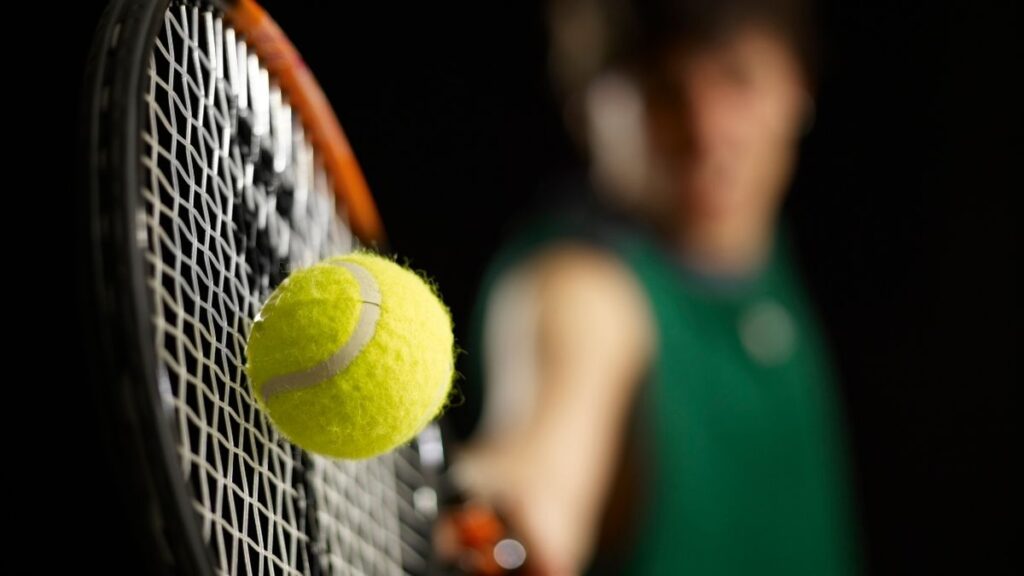
Jabeur’s knee injury story serves as a reminder of the role proper equipment and specialized training can play in preventing physical setbacks and boosting performance. Selecting the right gear—such as durable overgrips that provide both comfort and control—enhances racket handling during intense rallies (overgrips durability and comfort).
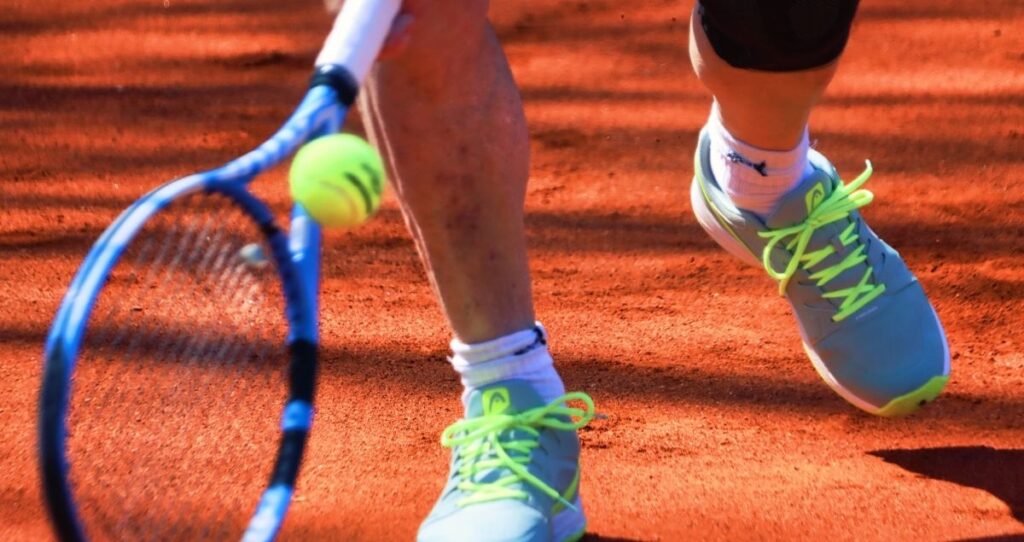
Players are also encouraged to utilize low-vibration dampeners which reduce the strain on the arm, guarding against injuries common among athletes who engage in repetitive high-impact strokes (low vibration dampeners). Quality shoes specialized for tennis courts are essential to safeguard footwork stability and minimize joint shock, an aspect critical in multi-directional tennis movements (best performance shoes for courts).
Complementing equipment choices, focused training regimens incorporating plyometric drills, agility ladder work, and dynamic stretching routines contribute to increasing explosiveness and flexibility, reducing injury risk while maximizing athletic output. Emphasizing routines like plyometric drills for explosiveness and footwork agility ladder drills develops speed and coordination, vital for competitive tennis.
- Consistent use of high-quality overgrips for better racket control.
- Regular application of vibration dampeners to protect joints.
- Footwear chosen for surface type to optimize movement and reduce injury.
- Strategic stamina and endurance workouts to combat fatigue.
| Equipment/Training | Purpose | Benefit |
|---|---|---|
| Overgrips | Grip comfort and durability | Enhanced control and less wrist strain |
| Vibration Dampeners | Shock absorption | Reduced arm fatigue and injury risk |
| Tennis Shoes | Stability and traction | Better court movement and injury protection |
| Agility and Plyometric Drills | Explosiveness and footwork | Improved speed and injury prevention |
Players aiming to elevate their game should explore tailored training programs and equipment advice available in tennis performance guides. Such investments often spell the difference between injury setbacks and career breakthroughs.
Frequently Asked Questions About Jabeur’s Injury and the Dubai Tournament
- Q: What specific injury caused Ons Jabeur to retire in Dubai?
A: A persistent right knee injury forced her withdrawal due to pain hampering her performance. - Q: How has Jabeur’s ranking been affected by recent injury absences?
A: Her world ranking dropped to No. 71 after multiple early tournament exits tied to injury struggles. - Q: Who benefited most from Jabeur’s withdrawal in the 2025 Dubai Championships?
A: Karolína Muchová advanced and gained momentum, showcasing her rising potential on the tour. - Q: What are common injury prevention strategies for tennis players?
A: Incorporating mobility exercises, appropriate gear such as dampeners and proper footwear, plus balancing training loads and recovery. - Q: Will Jabeur likely return to top-level competition after recovery?
A: Given her talent and age, a successful comeback is possible, especially with improved injury management.