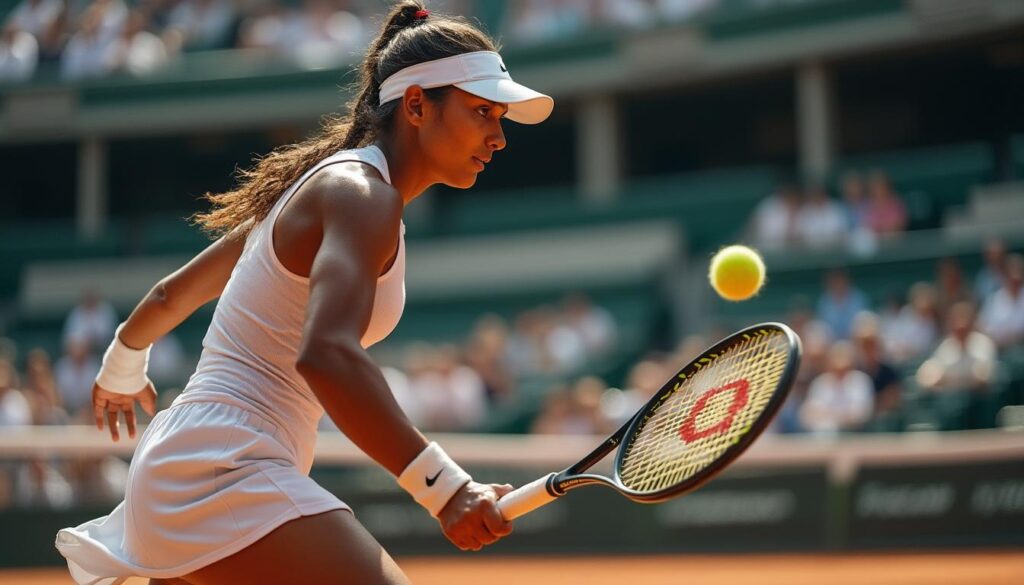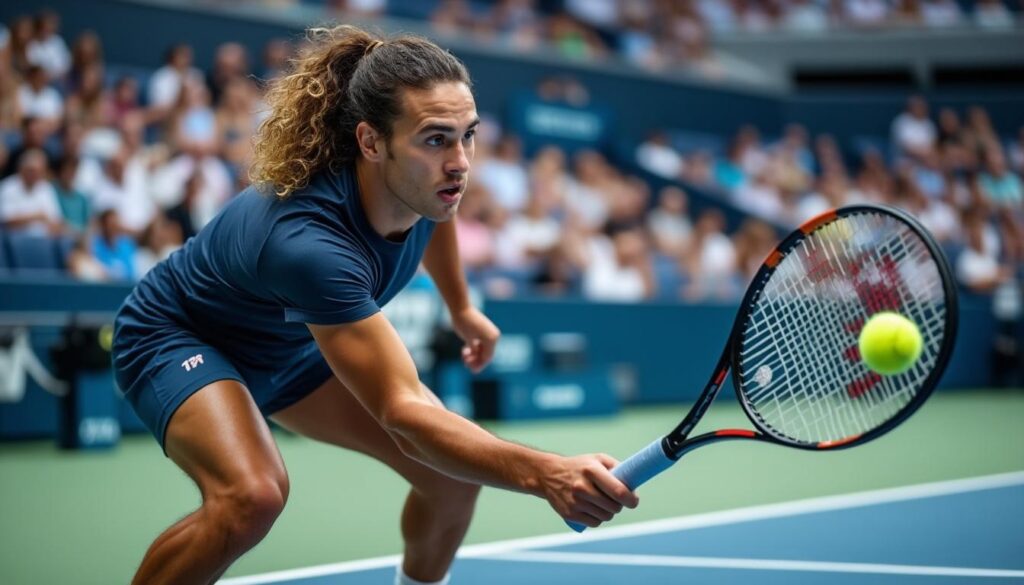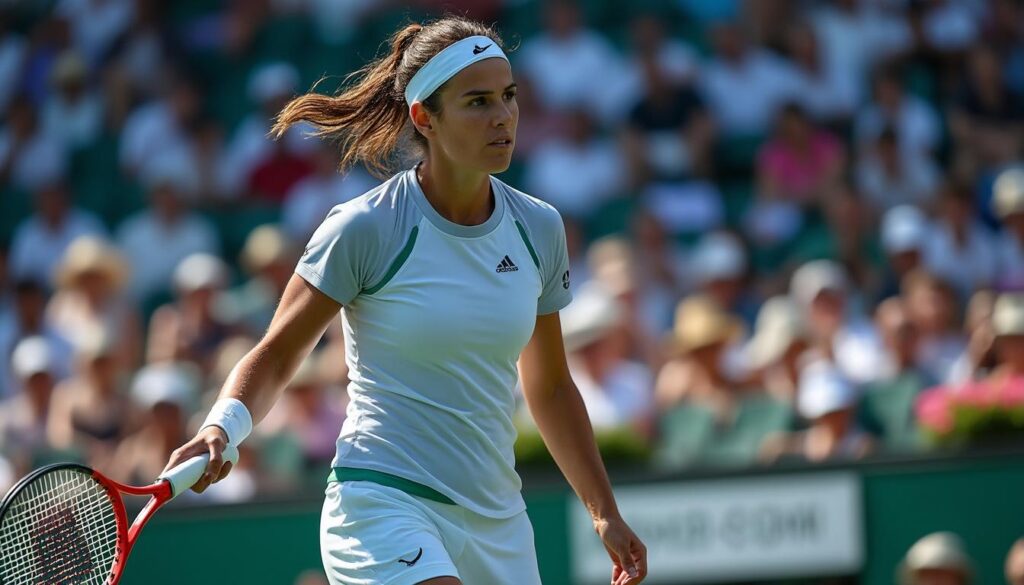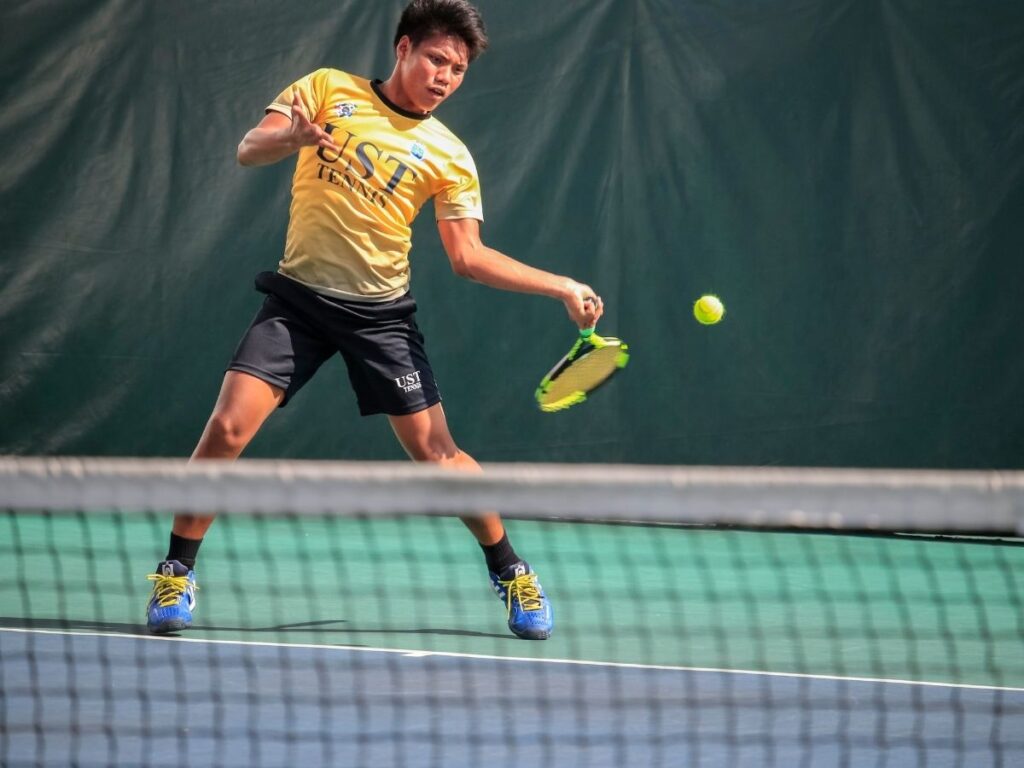
When the final ball drops after grueling five-set battles on the iconic courts of New York, the real challenge begins—not just for elite competitors, but also for passionate players inspired by the thrill of the game. Recovering from such intense confrontations demands more than rest; it calls for thoughtfully designed recovery workouts that blend gentle movement, strategic muscle engagement, and modern tools to revitalize both body and mind. These post-match recovery strategies not only ease soreness and stiffness but also prepare athletes for the next fierce encounter, whether on the grass courts of Wimbledon or the hard surfaces of Flushing Meadows. From targeted active recovery exercises to cutting-edge therapies, the intersection of science and sport offers a roadmap to swift rejuvenation. Dive into a comprehensive examination of recovery workouts tailored for those who push their limits beyond the baseline, partner by partner, game by game, point by point in the fast-paced heart of New York tennis.
Understanding Active Recovery Workouts after Intense Five-Set Matches in New York
Five-set battles, especially on demanding courts like those in New York, place extraordinary physical and mental strain on players. The lengthy rallies, sudden sprints, and rapid tactical shifts require a high level of endurance and muscular resilience, often leaving athletes with muscle microtears, inflammation, and fatigue that linger long after the cheers fade. Active recovery workouts focus on low-intensity movements that promote muscle repair, improve circulation, and reduce stiffness, helping players bounce back without the drawbacks of passive rest.
Active recovery differs fundamentally from complete rest by keeping muscles gently engaged. For example, light swimming sessions or walking can stimulate blood flow, transporting oxygen and nutrients vital for tissue repair. These movements help clear lactic acid buildup—a byproduct prevalent after hard-fought matches that contributes to soreness—thereby accelerating healing.
Players who integrate recovery workouts that include mobility exercises from apps like Pliability report improved range of motion and reduced pain, making their return to the court smoother and less daunting. Incorporating tools from brands like Theragun and Hyperice enhances this process further, as percussive therapy aids in breaking down muscle knots and promoting relaxation.
Common active recovery activities suitable for post-match days in New York include:
- Gentle cycling to stimulate circulation without straining joints
- Resistance band routines targeting hip flexors and glutes to restore pelvic stability
- Light yoga flows emphasizing deep breathing and elongation of tight muscle groups
- Foam rolling sessions focused on calves, quads, and shoulders to alleviate localized tension
- Swimming laps at a steady, relaxed pace for low-impact muscle engagement
These exercises not only aid physical rejuvenation but also offer a mental reset—a critical element in tennis. Mental focus after marathon matches can waver, but structured active recovery supports a balanced approach to managing fatigue and maintaining confidence, as explored in detailed analyses on improving mental focus mid-match.
| Active Recovery Activity | Primary Benefit | Recommended Duration |
|---|---|---|
| Light Cycling | Enhances blood circulation and cardiovascular recovery | 20-30 minutes |
| Resistance Band Exercises | Activates underused muscles and prevents imbalance | 15-20 minutes |
| Swimming | Low-impact muscle engagement with buoyancy support | 20-30 minutes |
| Gentle Yoga | Improves flexibility and calms the nervous system | 20-40 minutes |
| Foam Rolling | Promotes myofascial release and decreases soreness | 10-15 minutes |
Understanding these activities can help players avoid the common pitfall of substituting recovery time with completely passive rest, which often isn’t as effective in speeding up readiness for the rigors of the next tournament. As highlighted in thorough post-match recovery guides, maintaining consistent, low-intensity activity supports longevity in the sport.

How Innovative Recovery Tools Transform Post-Match Rehabilitation in New York Tennis
The evolution of recovery technology has introduced tennis professionals and enthusiasts alike to an arsenal of tools that make recuperating after exhausting matches faster and more efficient. Tools by industry leaders like Theragun and Hyperice have become staples for those looking to complement active recovery workouts, combining traditional physical therapies with advanced innovation.
Percussive Therapy Devices: Devices such as the Theragun deliver targeted vibrations deep into muscle tissue, effectively breaking up knots and increasing circulation. For players recovering from the cumulative stress of long matches in New York’s humid conditions, this means quicker relief from tightness in key muscle groups like the shoulders and forearms, which often bear the brunt of extended baseline exchanges.
Compression Gear: Brands such as NormaTec offer dynamic compression systems that facilitate lymphatic drainage and reduce swelling. Compression boots and sleeves applied post-match can help flush metabolic waste products from fatigued muscle areas, reducing post-exercise inflammation and enhancing comfort during recovery.
Smart Wearables: Under Armour’s integration with Whoop technology empowers players to track recovery metrics like heart rate variability (HRV), sleep quality, and strain levels. Such data-driven insights allow for customized recovery strategies, optimizing the balance between training intensity and rest.
Recovery isn’t limited to muscular care; hydration plays a monumental role. Gatorade and Hydro Flask provide athletes with the necessary electrolyte balance and hydration solutions crucial for maintaining energy and cognitive function. Hydration strategies tailored to each player’s exertion level and sweat rate in New York’s arena conditions ensure that recovery workouts are supported by optimal fluid balance.
- Theragun devices for percussive muscle therapy
- NormaTec compression systems to reduce inflammation and promote circulation
- Whoop and Under Armour smart wearables for real-time recovery tracking
- Gatorade sports drinks for electrolyte replenishment
- Hydro Flask insulated bottles for maintaining optimal hydration temperature
The synergy of these tools with active recovery routines elevates the rehabilitation process beyond what was imaginable a few years ago, seamlessly merging science, data, and care in the heart of competitive tennis.
Strategies for Scheduling Recovery Workouts in Packed Tournament Calendars in New York
Tournament schedules like the US Open and other major New York events often demand back-to-back matches against formidable opponents, with little margin for rest. Crafting an effective recovery workout schedule is paramount in managing fatigue and sustaining peak performance.
Recovery days should not be mistaken for zero activity. Instead, they are a vital segment of an athlete’s training program, incorporating low-impact exercises that preserve endurance and maintain neuromuscular function without overtaxing the body. For example, days following a five-set marathon can include swimming or light active yoga, which aid flexibility and encourage blood flow without exacerbating soreness.
Key scheduling principles include:
- Spacing High-Intensity Sessions: Alternating days of intense training or matches with active recovery sessions to facilitate muscle repair and mental decompression.
- Targeted Muscle Group Recovery: Focusing on areas heavily taxed during competition, such as forearms, calves, and hips, aligning recovery workouts to address specific fatigue.
- Monitoring Wellness Metrics: Utilizing data from devices like Whoop to tailor recovery timing, ensuring adequate rest and preventing overtraining.
- Gradual Progression: Slowly increasing training intensity post-recovery to avoid injury and promote sustained improvement.
- Incorporating Mobility Work: Daily mobility exercises to maintain joint health and improve movement efficiency for upcoming matches.
Three sample weekly schedules, depending on intensity, provide a framework for players:
| Training Days | High-Intensity Sessions | Active Recovery Days | Rest Days |
|---|---|---|---|
| Two Strength Workouts | 2 | 3 | 2 |
| Three Strength Workouts | 3 | 2 | 2 |
| Four Strength Workouts | 4 | 2 | 1 |
Players balancing such schedules must consider surface transitions and environmental factors influencing recovery demands—for insights on this, see detailed discussions about footwork and surface transitions in contemporary tennis training.
Post-Match Nutrition and Hydration: Essential Partners in Recovery Workouts
Recovery extends beyond physical activity and therapy—nutritional strategies serve as critical drivers of healing and energy replenishment after five-set tussles. Expert tennis players in New York continuously refine their post-match eating and hydration regimens to complement their active recovery sessions and facilitate rapid return to court readiness.
Key nutritional pillars for post-match recovery include:
- Hydration: Replenishing fluids lost through sweat using electrolyte-rich drinks like Gatorade helps maintain cellular function and prevents cramping.
- Protein Intake: Consuming lean proteins repairs muscle fibers damaged during intense play. Options include chicken, fish, or plant-based alternatives.
- Complex Carbohydrates: Whole grains and vegetables restore glycogen stores, fueling the body for upcoming exertion.
- Anti-inflammatory Foods: Ingredients such as turmeric, ginger, and vitamin C-rich fruits help reduce muscle soreness and promote recovery.
- Bone Broth: Increasingly popular among athletes, it supports joint and connective tissue health owing to its rich collagen content.
Pairing these with recovery tools enhances their effect. For instance, using foam rollers after meals high in anti-inflammatory nutrients has been shown to improve muscle pliability and reduce delayed onset muscle soreness (DOMS) more effectively.
Players should hydrate consistently, opting for options in Hydro Flask bottles to keep fluids at optimal temperatures during long sessions or tournament days in New York’s variable climate. Combined, the right nutrition and hydration serve as the backbone supporting all active recovery efforts.

The Psychological Edge: Mental Recovery Techniques After Grueling Matches
Recovering from the physical demands of tennis is only half the battle. Mental fatigue, stress, and the pressure from high-stakes five-set matches, especially in New York’s electrifying atmosphere, require equal attention. Psychological recovery workouts can help players regain focus, manage anxiety, and build resilience for future contests.
Mental recovery techniques include:
- Shadow Tennis Visualization: Mentally rehearsing points and movement patterns can improve motor skills and strategic thinking without physical exertion.
- Mindfulness Meditation: Practicing focused breathing and meditation reduces stress and enhances concentration, aiding recovery from match anxiety.
- Guided Relaxation Techniques: Progressive muscle relaxation or guided imagery fosters calm and prevents burnout.
- Light Tactical Drills: Engaging in low-pressure skill sessions reinforces confidence and court awareness without fatigue.
- Analyzing Match Footage: Reviewing past performances to reinforce positive strategies and identify areas for improvement while disengaging physically.
Psychological recovery is often overlooked but essential. Players using mental recovery strategies alongside their physical workouts report faster return to baseline focus and better match preparedness. Resources detailing mental toughness circuits and tactical recovery protocols support these approaches, empowering players with comprehensive recovery from inside the mind out.