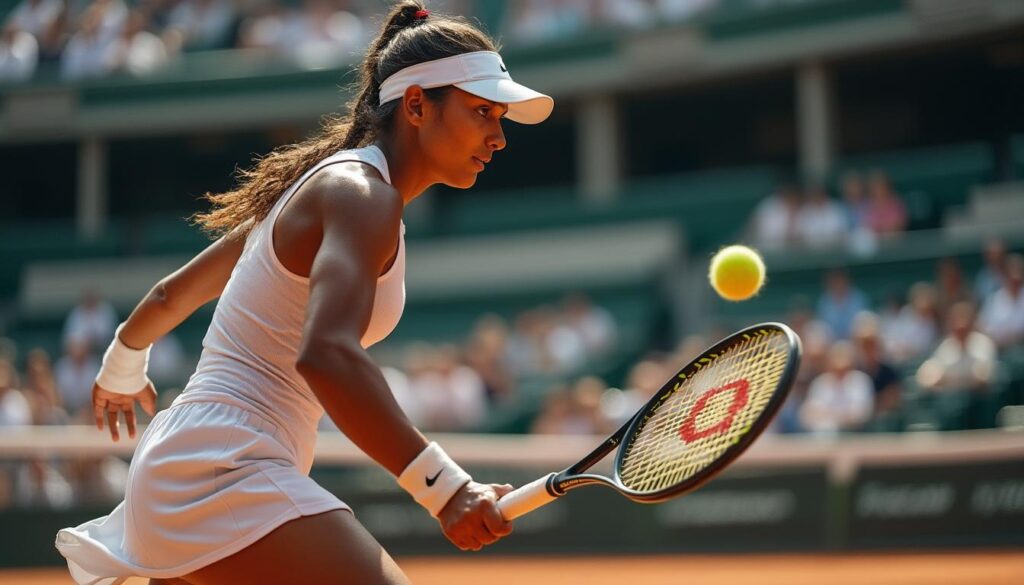
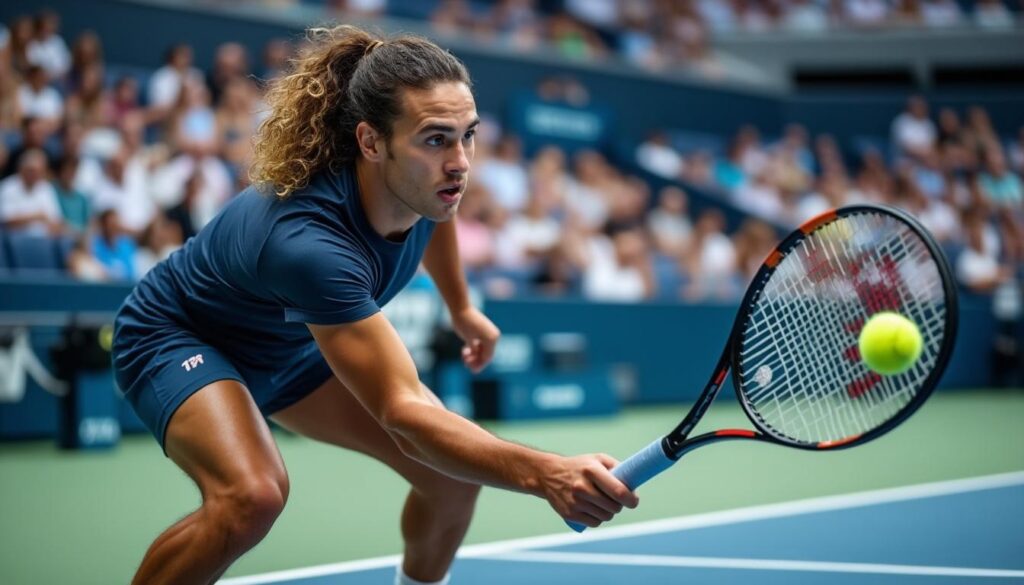
Traveling across time zones to compete in a prestigious tournament like the São Paulo Open demands more than just world-class tennis skills. The journey itself can be grueling—hours on planes, airport waits, climate changes, and disrupted sleep cycles all take their toll. Effective recovery strategies after long-haul flights and extended travel are essential for athletes to perform at their best on the courts in São Paulo. From hydration and nutrition to innovative recovery gear and adjusting to local time, players face a race against fatigue before they even pick up their rackets. Understanding how top players and seasoned travelers manage these challenges offers invaluable insights not only for pros but also for tennis enthusiasts traveling globally. This article explores comprehensive recovery methods to overcome travel-induced exhaustion, optimise physical readiness, and sharpen mental focus after hitting the road en route to the São Paulo Open.

Optimizing Physical Recovery: Managing Jet Lag and Muscle Fatigue Post-Travel
The strain from crossing multiple time zones can disrupt circadian rhythms, leaving players feeling drained and sluggish just when they need peak alertness. Jet lag, often marked by fatigue, insomnia, and muscle stiffness, presents one of the biggest hurdles after international flights. While São Paulo’s timezone might be several hours ahead or behind, strategic interventions can accelerate the body’s realignment.
Hydration stands as a cornerstone of recovery after long flights. Dehydration aggravates fatigue and muscle cramps, so replenishing fluids with electrolyte-rich drinks like Gatorade can restore balance effectively. Tennis players often combine water and Gatorade during travel to prevent deficits.
Muscle stiffness can linger after sitting for hours on a plane. Here, advanced recovery tools such as the Theragun and devices from Hyperice provide percussive therapy and targeted vibration to stimulate blood flow and relieve soreness. For example, many elite players, as documented in tennis recovery toolkits, employ TriggerPoint foam rollers and muscle massagers immediately upon arrival to jumpstart circulation and reduce tension from inactivity. Investing in quality compression wear like Pro Compression socks also supports circulation during flight and helps reduce leg swelling.
Essential Techniques to Realign Sleep and Energy Cycles
Adjusting sleep schedules to São Paulo’s night and day rhythms quickly helps reset the internal body clock. Light exposure therapy is highly effective; players are advised to seek morning sunlight or use light therapy lamps to signal wakefulness. Conversely, wearing blue-light blocking glasses or dimming room lights in the evening can encourage melatonin production for better sleep quality.
Implementing a strategic napping schedule can combat grogginess. Short 20 to 30-minute naps during peak dips in alertness can restore energy without interfering with nighttime rest. For longer flights where sleep was fragmented, this approach is crucial.
Nutrition tailored towards sleep-promoting foods rich in magnesium and tryptophan, such as nuts or certain Kind Snacks, aids natural sleep. Avoiding caffeine and heavy meals before bedtime solidifies healthy patterns. Under Armour and Nike athletes often incorporate such nutritional elements pre-competition to sharpen focus and maintain endurance all day. These physical and nutritional tactics form a comprehensive approach to overcoming travel fatigue and readying players for competition in São Paulo.
| Recovery Component | Recommended Tools/Methods | Purpose |
|---|---|---|
| Hydration | Gatorade, Electrolytes, Water | Replenish fluids & electrolytes lost during flights |
| Muscle Recovery | Theragun, Hyperice, TriggerPoint foam roller, Pro Compression socks | Relieve stiffness, boost circulation |
| Sleep Adjustment | Light therapy, Nap schedule, Magnesium-rich Kind Snacks | Reset circadian rhythm, improve sleep quality |
Post-Travel Nutrition Strategies to Recharge Energy and Muscle Function
After enduring hours of travel, the body’s energy stores are depleted, and muscles demand nutrients for repair and optimal performance. Consuming the right foods, timed carefully, fosters recovery and primes players for intense matches at the São Paulo Open.
A balanced intake of carbohydrates replenishes glycogen, the primary energy reservoir needed for tennis rallies, while quality proteins facilitate muscle repair and growth. Athletes often turn to nutrient-dense snacks like Kind Snacks bars, which combine healthy fats, proteins, and fiber to provide sustained energy without heaviness.
Electrolyte balance is equally crucial. Alongside hydration fluids, foods rich in potassium such as bananas or avocados help maintain fluid balance and prevent cramping post-travel. Seasoned pros incorporate colorful vegetable-rich meals rich in antioxidants to combat oxidative stress from travel-related inflammation.
Targeted Supplementation and Smart Food Choices
Players frequently rely on supplements proven to boost recovery. Omega-3 fatty acids reduce inflammation, while magnesium supplements improve muscle relaxation and sleep quality. Under Armour and Nike endorse conditioning and nutrition programs that integrate such supplementation to fine-tune recovery protocols.
Choosing whole foods over processed options is another pillar of recovery nutrition. Smoothies packed with plant-based protein, flaxseeds, and berries represent an ideal quick meal after arrival. Smartwool socks and compression gear double as comfort accessories in travel downtime, making athletes mindful of recovery from head to toe.
Planning meal timing around matches allows for digestion without fatigue. Eating a protein and carbohydrate-rich meal about 3-4 hours pre-match ensures adequate energy and muscle readiness. Post-match, incorporating protein and anti-inflammatory foods accelerates healing.
- Incorporate Gatorade and electrolyte-rich fluids
- Consume protein and complex carbohydrates
- Include magnesium and omega-3 supplements
- Choose antioxidant-rich whole foods
- Plan meals to avoid competition discomfort
| Nutrition Element | Benefits | Food Sources |
|---|---|---|
| Carbohydrates | Replenish glycogen, sustain energy | Whole grains, fruits, vegetables |
| Protein | Muscle repair and recovery | Lean meats, plant protein, Kind Snacks |
| Electrolytes | Maintain hydration and muscle function | Gatorade, bananas, avocados |
| Supplements | Reduce inflammation and improve sleep | Omega-3, magnesium capsules |
Innovative Recovery Technologies and Gear for Tennis Players Arriving in São Paulo
In 2025, modern recovery technology plays a transformative role in how tennis professionals bounce back from travel stress. Devices such as those from Hyperice and Normatec are now standard in pro players’ travel kits, helping them maintain conditioning despite the setbacks of long flights.
Normatec offers dynamic compression systems that flush out lactic acid and stimulate blood circulation, reducing post-travel soreness. These systems typically accompany essential gear as highlighted in comprehensive tennis recovery toolkits. Similarly, percussive therapy devices like Theragun offer precise access to deep muscle layers that traditional massage can miss, combating stiffness accrued from hours of sitting.
Compression apparel branded by Under Armour and Nike, including socks and sleeves from Pro Compression, complements these electronic devices by maintaining consistent pressure on limbs. This synergy accelerates healing and keeps muscles primed for high-intensity play.
Integrating Recovery Devices Into a Post-Flight Routine
Pioneering athletes adopt layered recovery strategies that combine gadget use with active stretching, hydration, and rest. Using a TriggerPoint foam roller to loosen tight fascia followed by a session with percussive tools enhances mobility and reduces injury risk.
Pro tennis players often start recovery with a brief warm-up to activate the body before applying devices, preventing muscle stiffness from worsening. This disciplined sequence ensures quicker readiness for on-court training or match play. Such regimens demonstrate the future of tennis preparation, where technology and traditional recovery processes forge a seamless heal-and-perform cycle.
- Use Normatec compression boots for active blood flow stimulation
- Incorporate Theragun for percussive muscle therapy
- Combine smart compression wear from Under Armour and Nike
- Execute foam rolling sequences with TriggerPoint rollers
- Complement with proper hydration and nutrition
| Recovery Tool | Function | Application Timing |
|---|---|---|
| Normatec Compression Boots | Stimulates circulation, reduces swelling | Post-flight, pre-training |
| Theragun Percussive Massager | Relieves muscle stiffness | After warm-up or travel |
| TriggerPoint Foam Roller | Fascia release and muscle mobilization | Throughout recovery phases |
Personalized Mental Recovery and Focus Techniques For Returning Tennis Players
Travel fatigue isn’t just physical—it weighs heavily on mental acuity, a critical factor in tennis performance. Players can feel overwhelmed, distracted, and emotionally drained after crossing continents. A targeted mental recovery plan is therefore essential to realign motivation and tactical sharpness.
Techniques such as visualization and shadow tennis drills help athletes regain confidence and sharpen their mental edge before live matches. Resources like detailed shadow tennis visualizing success strategies provide mental rehearsal tools that train focus under simulated conditions without physical fatigue.
Meditation, deep breathing sessions, and controlled exposure to match environments accelerate mental recovery. Devices such as biofeedback tools can help tennis players monitor stress levels and tailor relaxation techniques accordingly. For instance, engaging in mindfulness training shortly after arrival aids in reducing jet lag’s mental fog, improving alertness and decision-making on court.
Routine Practices to Enhance Mental Resilience Post-Travel
Players also benefit from recreational activities that evoke relaxation, such as listening to music, casual walks around São Paulo’s vibrant neighborhoods, or engaging with local culture to stimulate positive mood and refresh mindset.
Sound sleep resulting from the physical recovery protocols further supports cognitive functioning. Effective mental recovery enables players to strategize effectively under pressure, maintaining steady performance throughout grueling tournament schedules.
- Practice shadow tennis and mental visualization
- Engage in daily meditation and breathing exercises
- Use biofeedback for stress management
- Incorporate leisure activities to boost mood
- Ensure sound, scheduled sleep for mental clarity
| Technique | Purpose | Suggested Application |
|---|---|---|
| Mental Visualization | Improves confidence and focus | Pre-match routines |
| Meditation & Breathing | Reduces stress, improves clarity | Daily practice post-travel |
| Biofeedback | Monitors stress, enhances regulation | Professional athlete use |
Maximizing Rest and Routine Adjustments at the São Paulo Open
After hours of travel and initial recovery, adapting local routines supports optimal performance throughout the tournament. Proper rest and managing practice sessions to suit the body’s adjusted rhythm prevent burnout and support sustained readiness.
Players at the São Paulo Open often customize warm-ups and cool-down protocols based on their recovery status. The use of recovery-specific gear like TriggerPoint foam rollers and light percussive treatment complements stretching routines to enhance flexibility and reduce injury risk during matches. Adjusting practice intensity and volume ensures explosive energy reserves when it counts most on court.
Sleeping environments also benefit from adjustments: noise-cancelling headphones, room darkening shades, and temperature control help secure quality sleep cycles. Incorporating products from trusted brands such as Under Armour and Nike in training and recovery gear further reinforces confidence in performance readiness.
Daily Checklist for Sustained Recovery During Tournament Play
- Hydrate consistently with balanced electrolytes
- Use foam rollers and percussive devices post-session
- Plan meals focusing on recovery-friendly nutrients
- Maintain mental practices and visualization
- Adopt local time schedules for sleep and meals
| Routine Element | Benefits | Examples |
|---|---|---|
| Hydration & Nutrition | Maintain energy and muscle function | Gatorade, balanced meals |
| Recovery Gear Use | Muscle maintenance and injury prevention | Theragun, TriggerPoint foam roller |
| Mental Focus | Improve match performance | Visualization routines |
| Sleep & Rest | Physical and cognitive restoration | Room prep, scheduled rest times |