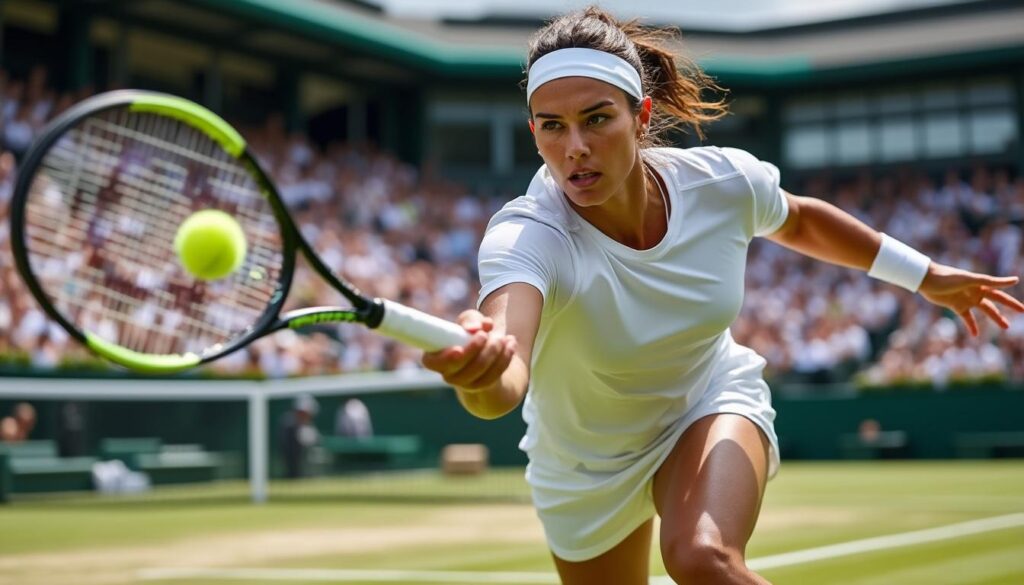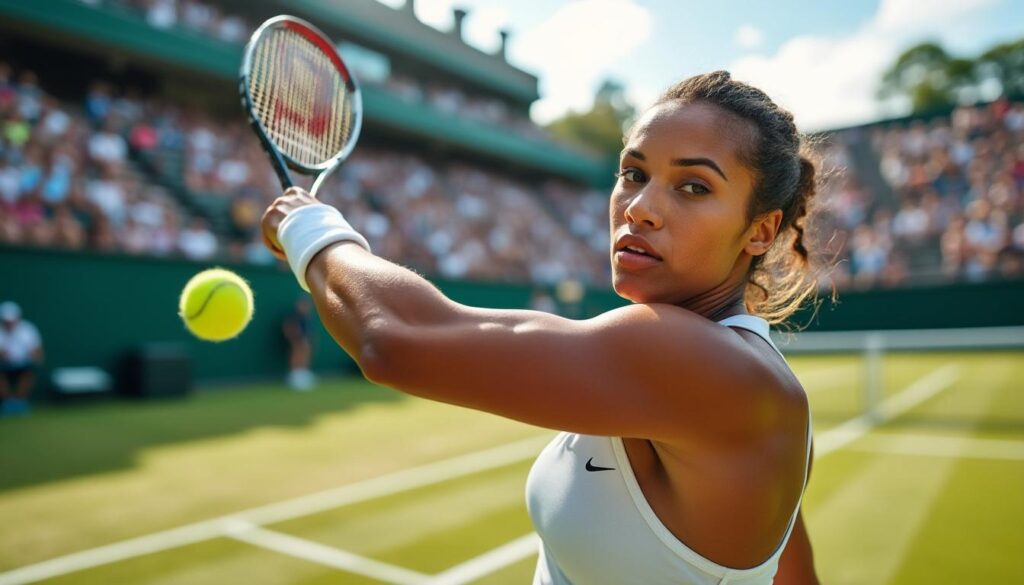
In the high-stakes arena of competitive tennis, precision in shot placement under pressure isn’t just a skill—it’s an art form. Match stress tests a player’s calm, agility, and decision-making, transforming even the most routine shots into electrifying challenges. As the crowd roars and the clock ticks down during a critical point, the ability to dial in shot accuracy becomes the difference between triumph and defeat. This intense battleground demands more than just raw power or athleticism; it demands mastery of shot placement—honed meticulously through specialized drills designed to simulate and withstand the pressures of real gameplay. From novices aiming to elevate their competitive edge to professionals refining their deadly precision, these drill techniques transform nerves into neat winners, stress into steadiness, and fleeting moments into lasting victories.
Essential Drills for Sharpening Shot Placement Precision Under Pressure
Shot placement in tennis under pressure requires more than casual hitting—it demands relentless repetition and targeted training that simulate match conditions. Progressive drills focusing on accuracy, control, and decision-making equip players to perform consistently when the pressure mounts.
Among the most effective are DryFire drills—practice sessions performed without a ball, emphasizing mental visualization of shot placement and focusing on the PrecisionTarget. These drills cultivate TriggerPoint awareness, helping players release shots at the exact moment to maximize control and accuracy.
One foundational drill involves setting up multiple targets in the court’s corners and mid-court zones, each marked with a colored cone or AccuMark stickers. Players practice hitting crosscourt and down-the-line shots aiming to consistently land within these defined zones. This drill simulates pressure moments where selecting and executing the correct shot is critical for gaining an advantage.
- Use MatchFocus techniques to maintain concentration, such as breathing routines and visual cues during drills.
- Incorporate alternating sequence shots to train dynamic target switching, mirroring real match shot selection.
- Set time constraints to simulate the PressureZone, enhancing composure and shot decision speed.
Practicing under timed conditions, where players must hit a sequence of targeted shots within specific time frames, helps develop the tempo and rhythm necessary for high-pressure rallies. These StressShot drills build both mental toughness and the muscle memory to produce accurate results repetitively.
| Drill Name | Main Focus | Key Skill Developed | Pressure Simulation |
|---|---|---|---|
| DryFire PrecisionTarget | Shot visualization & accuracy | Trigger control & mental focus | No ball, high mental intensity |
| Target Sequence Drill | Dynamic shot placement | Accuracy & decision-making speed | Timed sequences mimicking match pace |
| PressureZone Simulation | Stress-induced shot accuracy | Composure under pressure | Timed & scored for competitive environment |
With these drills, players cultivate a steadiness that mirrors the mental fortress witnessed in seasoned pros during crunch moments. For aspiring athletes seeking to delve deeper into the world of tennis training, resources such as pop-up clinics and tennis tips provide accessible platforms to experience coached versions of these pressure drills, making the leap from practice courts to tournament arenas more assured.
Incorporating Match-Like Scenarios to Enhance StressShot Accuracy
When the stakes rise, so does the player’s heart rate—stress can make even the most practiced strokes waver. To truly sharpen shot placement under pressure, drills must convincingly mimic tournament intensity. This involves replicating physiological and psychological stressors associated with matches: noise, time pressure, fatigued states, and crowd distractions.
A proven method to emulate match tension is through SteadyStrike drills, wherein players alternate between rapid-fire shots and brief recovery phases, simulating the stop-and-start heartbeat of real matches. During these drills, athletes face DrillMaster scenarios where coaches call random targets, forcing rapid decision making and flexible execution.
Another effective approach entails integrating AimSharp training devices, such as calibrated target boards that provide immediate feedback on shot accuracy, helping players adjust their angles and power during intense rally practice. These tools foster precise shot calibration, especially beneficial when defending or finishing points in tight sets.
- Simulate crowd noise using speakers or ambient sounds to replicate distraction factors.
- Use heart rate monitors during drills to push players toward controlled physiological stress.
- Include tactical decision drills, integrating match-style point play with consequences for missed shot placements.
In addition to physical drills, mental preparation through visualization and controlled breathing allows players to lower their cortisol responses during real match stress, directly improving accuracy. Integrating such holistic training strategies leads to heightened proficiency in the mental training for serve accuracy and all shot placements.
| Stress Drill Technique | Primary Benefit | Match Scenario Simulation |
|---|---|---|
| SteadyStrike Rapid-Fire | Shot consistency under fatigue | High rally intensity, reduced rest |
| AimSharp Target Feedback | Immediate precision correction | Accuracy calibration under pressure |
| Random Target Calls | Tactical shot adaptability | Unpredictable shot selection demands |
With these drills forming the backbone of training regimes, players between matches can add extra layers of preparation. The importance of effective warm-ups and routines is also underscored, ensuring muscles and mind synchronize seamlessly to perform under pressure.
Building a Routine with DrillMaster Exercises to Maintain Precision and Control
Consistency is king in tennis, especially when the court is a battlefield heightened by adrenaline. Incorporating drill-centric routines using the DrillMaster philosophy promotes muscle memory and sharpens neural pathways responsible for quick and accurate shot execution.
Players often cycle through drills like the TriggerPoint Focus drill, which emphasizes timing the ball’s highest bounce point to strike with optimal control. This drill directly correlates with enhanced shot pace control critical in baseline exchanges prevalent in modern tennis.
The DryFire preparation method, borrowed from precision sports, teaches players to rehearse the perfect stroke tempo silently, without a ball, focusing purely on visual and tactile feedback. It’s an underrated, yet powerful tool to engrain proper mechanics, especially useful when refining essential touch and control in volley placement.
- Schedule drills to target weak shot areas, e.g., low slices or sharp angle volleys.
- Alternate between precision drills and match-play simulations weekly for balance.
- Use slow-motion video analysis to compare drill execution and real-match performance.
Advanced athletes integrate technologies like tennis analytics gadgets to track shot placement patterns and improve underperforming strokes, making drill sessions highly data-driven and customized.
| DrillMaster Exercise | Focus Area | Application in Match Play |
|---|---|---|
| TriggerPoint Timing | Stroke timing & control | Consistent pace & placement |
| DryFire Stroke Rehearsal | Muscle memory & touch | Volley and drop shot precision |
| Video Feedback Analysis | Performance refinement | Technique alignment with match data |
Such rigorous drill routines build the kind of composure and precision that turns pressures into opportunities. The emergence of powerhouse juniors transforming through dedicated drill cycles is well documented on junior tour platforms, inspiring players of all ages to refine their own high-pressure shot placement skills.
Leveraging Technology and Data for PrecisionTarget Improvement in Competitive Tennis
The technology revolution in tennis training has paved new avenues for developing unerring shot placement precision, particularly under match pressure. Advanced data capture and biometric tools allow players to dissect every aspect of their stroke and decision-making processes.
Use of precision sensors and radar tracking systems has become widespread in elite competition. These tools measure shot speed, spin, and most importantly, landing accuracy. Integrating AccuMark sensor technology during drills helps athletes receive immediate feedback, fine-tuning stroke angles and database comparisons of their ClearShot statistics against benchmark players.
Harnessing these insights enables custom drills that adapt dynamically—targeting player-specific weaknesses and amplifying strengths. Programs leveraging AI-driven shot selection heatmaps provide tactical guidance to elevate not just shot placement but strategic shot choice during matches, making data an indispensible partner in modern training regimens.
- Employ wearable sensors to monitor physiological stress markers correlating with shot consistency.
- Use video-augmented reality to simulate pressure scenarios while tracking performance metrics.
- Integrate data from professional tournaments to benchmark training progress and simulate match pressures.
Coupling technology with traditional drills creates a cutting-edge training hybrid that embeds confidence into each strike. For more about tech’s role in tennis innovations, see the latest advances in racquet technology for 2025, which facilitate improved shot control and responsiveness.
| Technology Tool | Training Benefit | Pressure-Aware Feature |
|---|---|---|
| AccuMark Sensor Technology | Instant shot placement feedback | Real-time adjustment cues |
| Wearable Biometric Devices | Stress and fatigue monitoring | Optimize training stress-loads |
| Shot Selection Heatmaps AI | Data-driven tactical decisions | Simulated pressure choice drills |
Nutrition, Recovery, and Mental Conditioning to Support Pressure-Driven Accuracy
Technical prowess approaches its full potential only when physical condition and mental readiness synergize perfectly. Players aiming to sustain and elevate SteadyStrike accuracy during pressure-packed matches must consider more than just drills—they require holistic preparation incorporating nutrition, recovery, and mental conditioning.
Proper hydration and sufficient sleep optimize neuron function and reflex times, critically impacting shot placement under fatigue. The methods outlined in sleep and hydration studies demonstrate measurable improvements in both focus and steadiness on court.
Mental conditioning fosters resilience to pressure by employing techniques such as controlled breathing, meditation, and goal visualization—each vital to maintaining a MatchFocus state during intense competition. Progressive muscle relaxation combined with pre-match visualization rehearses the precision movements in the mind, making execution second nature under duress.
- Maintain a balanced diet rich in brain-boosting nutrients (omega-3s, antioxidants) to support mental sharpness.
- Incorporate active recovery days with light exercises to reduce muscle stiffness without compromising readiness.
- Use mental imagery to rehearse challenging scenarios, familiarizing the brain with contested pressure moments.
Reinforcing this mindset through routine training sessions allows players to handle shot placement accuracy even when external circumstances threaten their concentration. As tennis heats up in 2025, staying physically and mentally primed remains increasingly a competitive edge that complements technical drills.