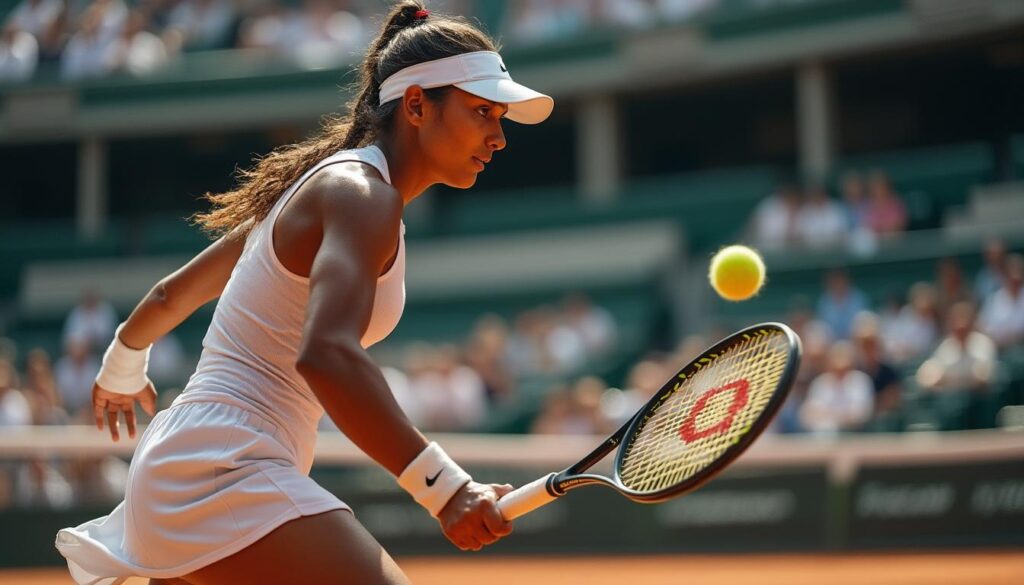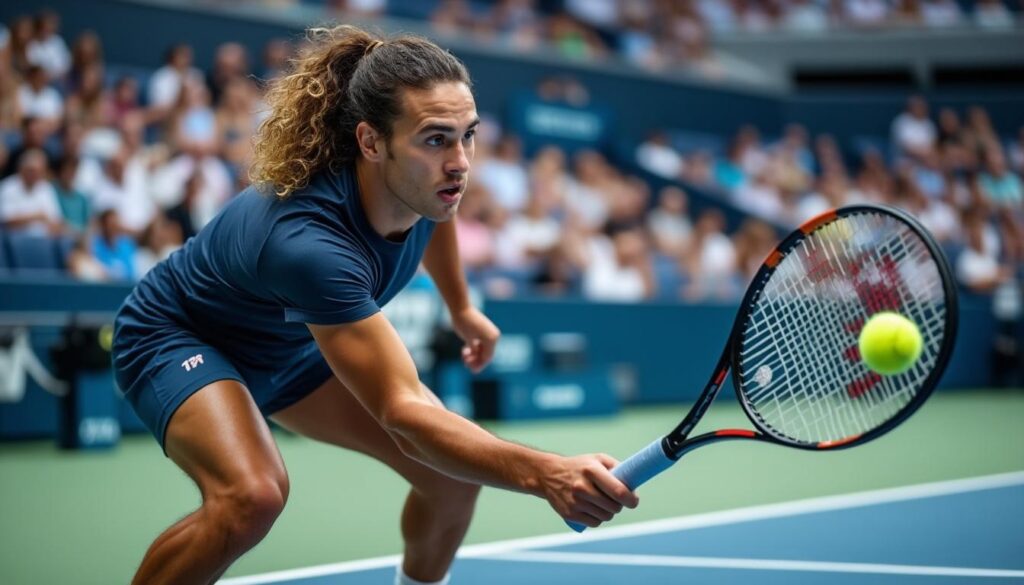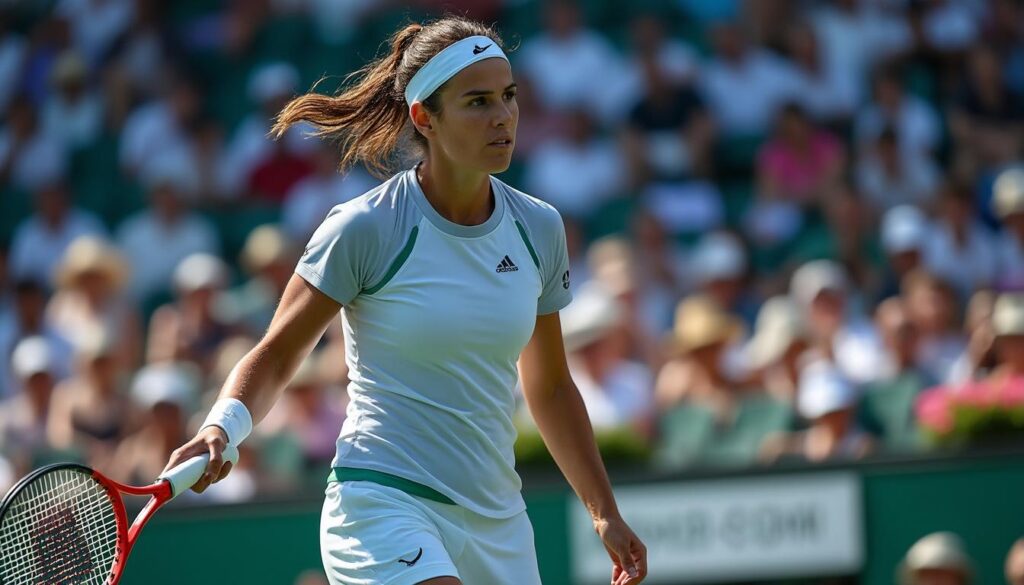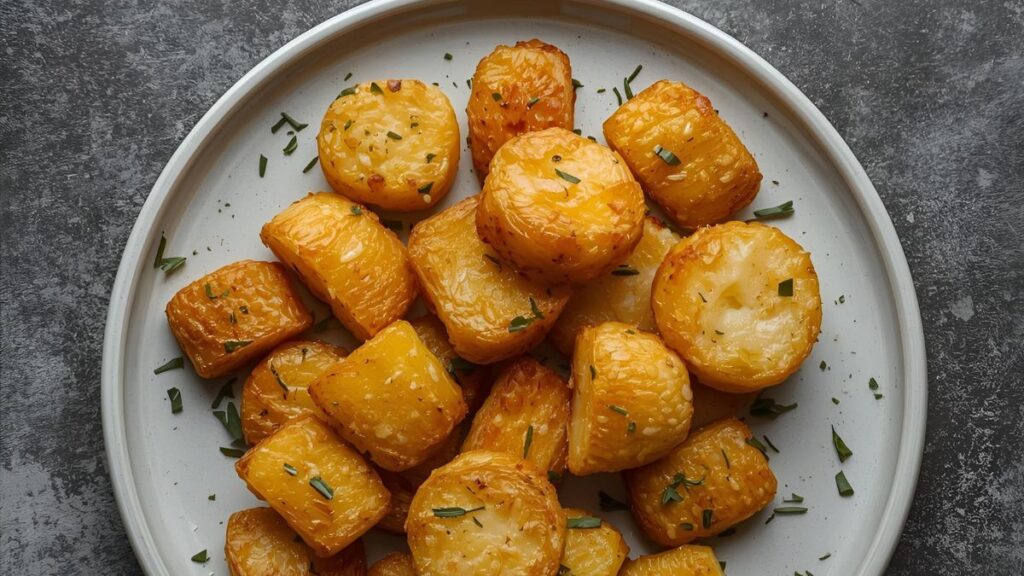
In the fierce world of tennis, where every match can stretch muscles and stamina to their limits, the story of recovery is just as compelling as the game itself. Imagine standing on the court after a marathon, the roar of the crowd fading, sweat still cooling on your skin, while your body whispers for replenishment. The art of refueling after such a grueling encounter demands more than mere sustenance—it requires a strategic blend of hydration, nourishment, and restoration that beckons athletes to rise stronger, faster, and sharper. Against the backdrop of intense competition and relentless pursuit of excellence, mastering nutrition and recovery is the secret weapon for any tennis player determined to keep their edge. This is where science meets the soul of sport, crafting pathways for endurance that echo through every shot, sprint, and serve.
Brief
- Recovery nutrition prioritizes timely rehydration with fluids and electrolytes lost through sweat.
- Carbohydrates are crucial for replenishing glycogen stores that fuel muscle performance.
- Protein intake post-match supports muscle repair and building, critical for long-term progress.
- Strategic post-match snacks and meals can optimize recovery windows, helping athletes prepare for subsequent games or trainings.
- The selection of convenient recovery options, including sports drinks like Gatorade and Powerade, and nutritious snacks from brands like Clif Bar and Honey Stinger, enhances on-the-go refueling.
Optimizing Post-Match Hydration: Fluid and Electrolyte Replenishment to Boost Recovery
After intense tennis rallies and long matches, the body is depleted not just of energy but of critical fluids and electrolytes that maintain muscle function and cellular balance. The hallmark of effective post-match nutrition begins with meticulous rehydration. This isn’t merely about quenching thirst—it’s an orchestrated effort to restore what sweat has stripped away. When athletes step off the court, their immediate priority is to replenish 125% to 150% of the fluid lost during play, a figure calculated through pre- and post-match weigh-ins. A practical guideline is to consume 20-24 ounces of fluids per pound of weight lost.
Choosing the Right Fluids
- Water: While pure water is essential, it alone may fall short if the body has lost significant electrolytes.
- Electrolyte-rich sports drinks: Popular brands such as Gatorade, Powerade, and BodyArmor serve as more than thirst quenchers. They provide sodium primarily, the key electrolyte lost during sweat which supports fluid retention and stimulates continued hydration.
- Natural alternatives: Broth-based soups and vegetable juices offer electrolyte benefits with the added nourishment of vitamins and minerals.
Replacing sodium quickly after exertion is paramount. Sodium not only facilitates fluid retention but also enhances thirst signals, encouraging athletes to drink sufficiently to stave off dehydration. Salted snacks like pretzels or jerky and small portions of deli meats can fill this sodium gap effectively. Caution is advised for players with specific dietary restrictions, who should seek personalized advice from sports nutritionists to tailor hydration protocols.
| Fluid Type | Key Electrolytes Provided | Benefit | Example Brands/Options |
|---|---|---|---|
| Water | Minimal electrolytes | Basic hydration | Plain bottled water |
| Sports Drinks | Sodium, potassium, magnesium | Replenishes electrolytes and fluids, promotes hydration | Gatorade, Powerade, BodyArmor |
| Natural Fluids | Sodium, other trace electrolytes | Hydration with added nutrients | Broth, vegetable juices |
Strategically pairing hydration with post-match recovery protocols significantly elevates overall performance readiness. Athletes focusing their efforts on optimized fluid replacement can avoid fatigue and muscle cramps that often hinder recovery in tournaments and back-to-back matches. This essential hydration phase paves the way for effective refueling and repair, making it a cornerstone of every tennis player’s post-match routine.
Carbohydrate Refueling: Restoring Glycogen for Endurance and Power
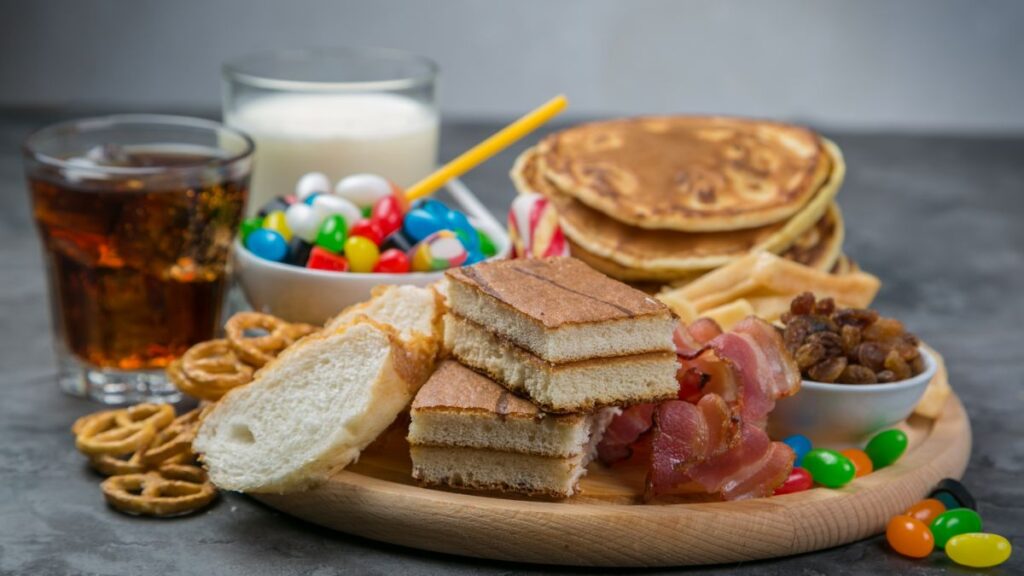
Nothing drains the tennis player’s engine more than the depletion of glycogen stores. Those explosive sprints, relentless baseline exchanges, and strategic volleys all tap into muscle glycogen, leaving the athlete in a vulnerable state once the final point is decided. Post-match carbohydrate replenishment is, therefore, non-negotiable. This energy restoration isn’t just about feeling less tired—it directly influences how quickly muscles can be ready for the next bout.
The Science of Glycogen Replenishment
Glycogen is muscle fuel, stored carbohydrates broken down to fuel movement. After around 90 minutes of vigorous tennis play, muscle glycogen is significantly diminished. Research indicates that consuming 1 to 1.2 grams of carbohydrates per kilogram of body weight within the first four hours post-exercise optimizes glycogen restoration. That means for a player weighing 75 kilograms (approximately 165 pounds), this equals 75 to 90 grams of carbohydrates in the recovery window.
Incorporating Carbohydrates Effectively
- Whole grains: Brown rice, quinoa, pasta, and breads offer sustained energy release alongside vital micronutrients.
- Fruits: Fresh and dried fruits serve up quick sugars and antioxidants to neutralize exercise-induced free radicals.
- Starchy vegetables: Sweet potatoes, corn, and legumes complement glycogen replenishment with fiber and vitamins.
- Dairy sources: Milk and yogurt provide both carbs and proteins, aiding refueling and muscle repair simultaneously.
The challenge lies in balancing rapid glycogen replenishment with digestive comfort, especially if match timings limit refueling windows. For on-the-go recovery, energy gels such as those from GU Energy or bars like those from Clif Bar and Honey Stinger provide portable carbohydrate and micronutrient fuel with minimal preparation. Similarly, Skratch Labs and Vega offer hydration mix-ins and bars formulated to restore glycogen with ease and palatability.
| Food Source | Carbohydrate Content (approx.) | Additional Benefits | Ideal Use |
|---|---|---|---|
| Brown rice | 45g per cup cooked | Rich in fiber and magnesium | Post-match meal |
| Bananas | 27g per medium banana | Potassium for muscle function | Snack or recovery shake addition |
| Clif Bar | 40-45g per bar | Convenient and nutrient dense | Mid-recovery snack |
| GU Energy Gel | 22-25g per packet | Rapid absorption, easy on digestion | Immediate post-match boost |
Harnessing these carbohydrate powerhouses effectively can keep tennis players primed for endurance, enhancing their ability to sustain power-driven shots and critical moments. This directly translates to more consistent performance, whether during tournament play or intense practice sessions.
Protein for Muscle Repair and Strength: The Cornerstone of Post-Match Recovery
While carbohydrates rekindle the energy bar, proteins reconstruct the pillars. Tennis exerts profound stress on muscles, tendons, and connective tissues that take a pounding during those extended matches. Without adequate protein intake after play, muscle recovery stalls, and vulnerability to injuries surges. The post-match phase is critical for delivering 0.25 to 0.3 grams of protein per kilogram of body weight, ideally within 30 minutes to two hours post-exercise.
Why Prioritize Protein?
Proteins serve as the building blocks for muscle repair. After a high-intensity match, damaged muscle fibers require essential amino acids from quality proteins to initiate recovery. The synthesis of new proteins aids in muscle hypertrophy, strengthens fibers, and prepares athletes to perform at their peak repeatedly.
Protein Sources and Timing
- Animal-based proteins: Lean meats like chicken, turkey, and fish, alongside dairy such as Greek yogurt and low-fat chocolate milk, are rich in complete proteins.
- Plant-based options: For those inclined, soy products, tofu, seitan, nuts, and nut butters offer versatile and nutritious alternatives.
- Convenient options: Recovery shakes from brands like Optimum Nutrition or MyProtein blend high-quality whey proteins with added nutrients, perfect for athletes struggling to consume solid foods immediately after matches.
| Protein Source | Protein Content (approx.) | Advantages | Recommended Use |
|---|---|---|---|
| Greek yogurt (1 cup) | 20g | Calcium-rich, easily digestible | Snack or paired in post-match meal |
| Grilled chicken breast (100g) | 31g | Lean, high bioavailability | Main course recovery meal |
| Optimum Nutrition protein powder (1 scoop) | 24g | Quick absorption | Post-match shake |
| Almonds (28g, 1 oz) | 6g | Heart-healthy fats | Add to snacks or meals |
Incorporating protein systematically into recovery routines supports the muscle synthesis process and reduces the likelihood of injury and overuse fatigue. For those exploring advanced recovery strategies, pairing protein intake with anti-inflammatory foods like turmeric-rich dishes or antioxidants such as tart cherry juice can further assist in muscle recovery and reduce soreness.

Smart Snacking and Meals Post-Match: Practical Nutrition to Expedite Recovery
Successful recovery hinges not only on what the athlete consumes but also on the timing and convenience of these nutrition choices. Tennis players often face unpredictable schedules with quick turnarounds between matches, making portable and accessible snacks a valued asset.
Quick Recovery Snacks
- Low-fat chocolate milk provides a perfect blend of carbs and protein alongside hydration.
- Energy bars such as Clif Bar or Honey Stinger offer nutrient-dense carbohydrates and protein.
- Peanut butter and jelly sandwiches or wraps are quick, filling, and easy-to-digest options.
- String cheese and mixed nuts supply protein and healthy fats to promote long-term recovery.
- Ready-to-drink options like GU Energy gels and Skratch Labs hydration mixes support rapid nutrient delivery.
When timing permits, transitioning from light snacks to well-rounded meals within two to four hours post-match maximizes recovery. Balanced meals containing half the plate as carbohydrates, a quarter as proteins, and a quarter as vegetables or fruits deliver a complete nutritional profile. Hydration continues to play a crucial role throughout.
| Post-Match Food Type | Examples | Benefits | Recommended Timing |
|---|---|---|---|
| Quick Snacks | Chocolate milk, protein bars, sandwiches | Immediate glycogen and protein replenishment | Within 30 minutes post-match |
| Balanced Meals | Grilled chicken with brown rice and vegetables | Supports sustained recovery and muscle repair | 1-3 hours post snack |
Meal catering services from chains like Chipotle or Jason’s Deli offer team-friendly recovery options with balanced macros, ideal for tournament settings. Prioritizing nutrient-dense, minimally processed foods over fried or sugary options is paramount. Alcohol should be avoided post-match due to its negative impact on inflammation, muscle healing, and sleep quality, factors essential to effective recovery.
Incorporating Recovery Supplements and Planning for Competitive Success
While whole foods and natural hydration remain primary pillars, targeted supplements and strategic planning further refine recovery efforts. Protein powders from MyProtein or Optimum Nutrition, electrolyte mixes by Skratch Labs, and energy bars from GU Energy fit seamlessly into packed schedules and tight tournaments. However, selecting these products with a cautious eye is vital to avoid banned substances or adverse effects.
Strategic Supplement Considerations
- Protein powders: Choose certified, GMP-standard products to ensure purity and efficacy.
- Electrolyte and hydration mixes: Powdered solutions that mix quickly and reduce sugar load are preferred for controlled intake.
- Energy gels and bars: Offer rapid fuel and convenience but should complement, not replace, whole foods.
Crafting a recovery plan isn’t complete without considering sleep and active recovery protocols. After refueling and hydrating, athletes benefit tremendously from guided stretching techniques and foam rolling to enhance muscle tissue health. For those curious about optimizing recovery alongside nutrition, sources like post-match foam rolling provide valuable guidance.
Moreover, scheduling nutrient timing and recovery activities before, during, and after tournaments can give players a competitive edge. Insights into nutrition for Grand Slam events and indoor tournaments further support the athlete’s journey, accessible through trusted resources such as tennis nutrition fueling and recovery protocols for indoor tournaments.
Effective recovery is a synthesis of nourishment, hydration, rest, and physical care—the pillars that allow tennis athletes to triumph repeatedly. Harnessing proven nutrition strategies transforms recovery from a passive rest phase into an active performance tool.