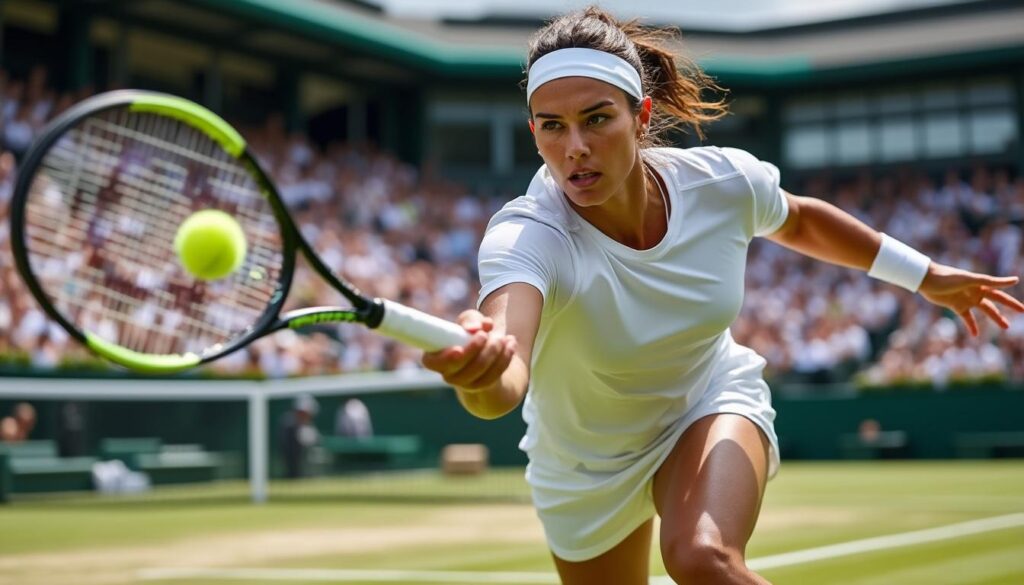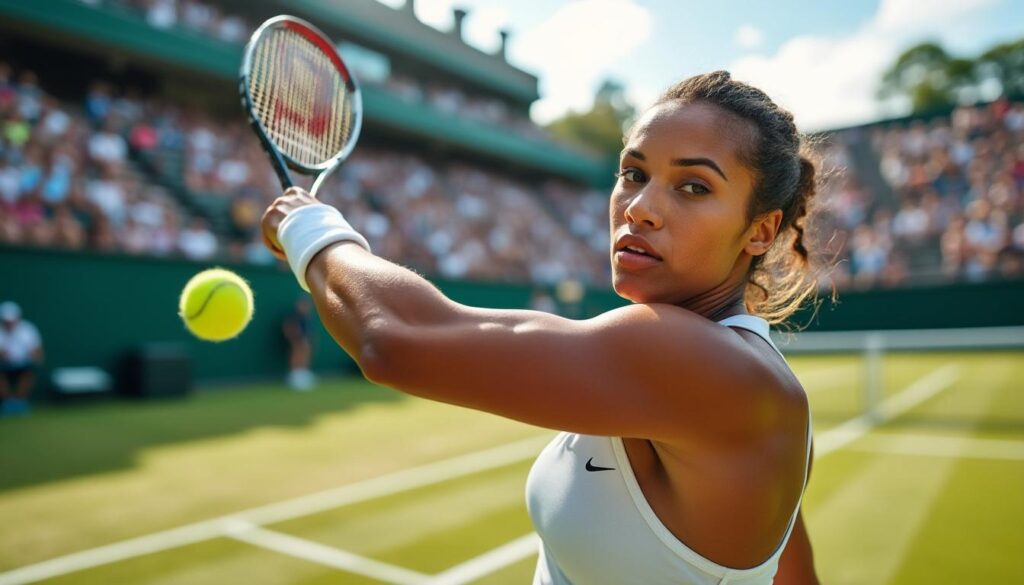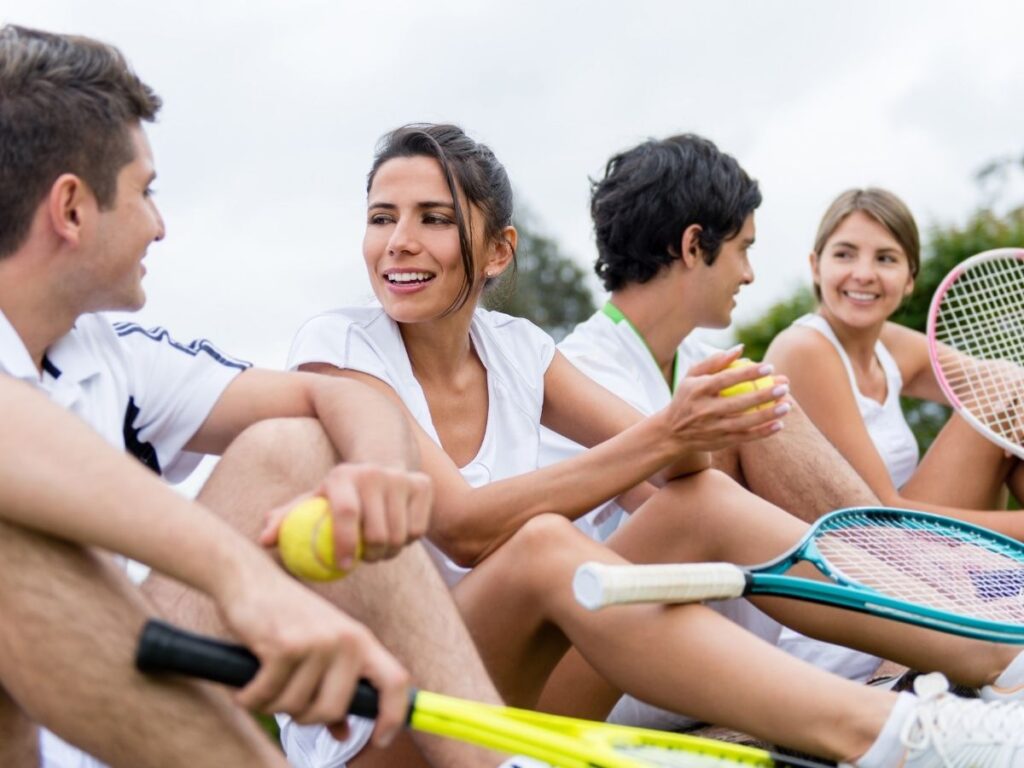
The grueling schedules of the China Open and the Shanghai Masters have once again showcased the sheer physical and mental endurance top tennis players demand of themselves. As fans witness thrilling rallies and breathtaking comebacks, few consider the rigorous recovery process that underpins such elite performance. These tournaments, held in rapid succession, test players beyond their match skills. The high stakes, relentless pace, and intense competition demand a comprehensive recovery plan to ensure athletes remain at their peak and ward off injuries. The emphasis on recovery is not just an afterthought but a strategic cornerstone influencing continuance on the ATP and WTA tours, especially as players like Carlos Alcaraz strategically pull back to prioritize long-term fitness. Exploring vivid recovery practices, from hydration essentials to cutting-edge therapies, reveals how these athletes rebound stronger from exhausting encounters, preparing for future triumphs.
In brief:
- Post-tournament recovery after back-to-back high-intensity tennis events like the China Open and Shanghai Masters is vital to prolong careers and enhance performance.
- Strategies encompass hydration, nutrition, active recovery, compression, sleep, and innovative therapies such as cold immersion and foam rolling.
- Carlos Alcaraz’s withdrawal from the Shanghai Masters due to an ankle injury underlines the importance of prioritizing recovery over short-term gains.
- Technological tools and training innovations from brands like Nike, Adidas, and Under Armour contribute significantly to efficient recovery and injury prevention.
- Integrating mental recovery techniques complements the physical dimension and is now seen as a non-negotiable for elite athletes.
Summary of content:
- Understanding why recovery is a non-negotiable cornerstone in tennis.
- Top actionable recovery techniques used by professionals and accessible to enthusiasts.
- Insights into Carlos Alcaraz’s tournament decisions reflecting the modern emphasis on injury management.
- Development of proactive injury prevention and recovery protocols shaped by 2025 tennis season challenges.
- The synergy of physical and mental recovery strategies shaping player longevity and performance sustainability.
Mastering Post-Tournament Recovery: Essential Strategies After China Open & Shanghai Masters
Tennis players face extraordinary physical demands, especially during packed tournament schedules such as the China Open and the Shanghai Masters, where competition intensity tests even the sport’s fittest athletes. The back-to-back nature of these ATP and WTA events magnifies stress on muscles, joints, and the nervous system. Recovery is not a mere cooldown; it’s a rigorous, science-backed process designed to restore peak function and reduce injury risk while preparing the athlete for upcoming challenges.
The Physiological Toll of Consecutive High-Intensity Matches
Each match entails rapid directional changes, explosive serves, long rallies, and sustained aerobic exertion. This leads to muscle microdamage, glycogen depletion, and central nervous system fatigue. If neglected, these factors escalate injury risk, chronic fatigue, and performance deterioration. Players like Novak Djokovic and Martina Navratilova have long stressed recovery’s critical role, with Djokovic’s meticulous physical maintenance routine and Navratilova’s mantra emphasizing pre-tournament preparation and post-game smart recovery.
Seven Key Recovery Components after Intense Tournament Play
- Hydration and Electrolyte Replenishment: Replenishing lost fluids with water combined with electrolytes through coconut water or specialized drinks like Gatorade and Powerade prevents cramping and maintains muscle function.
- Nutrition Optimization: Muscle repair depends on high-quality protein intake coupled with carbohydrates to restock glycogen stores. Foods such as bananas, almonds, and avocados support recovery by restoring electrolytes and combating oxidative stress.
- Active Recovery Sessions: Engaging in low-intensity cardiovascular activities like light jogging, swimming, or yoga promotes circulation, facilitating lactic acid removal.
- Compression Garments: Wearing compression tights from brands such as Under Armour and Adidas enhances circulation, reduces swelling, and accelerates metabolic waste clearance for faster general recovery.
- Foam Rolling and Targeted Stretching: This addresses muscle tightness and increases tissue elasticity, significantly reducing soreness after taxing matches.
- Cold Therapy Techniques: Ice baths maintained at optimal 10-12°C temperatures reduce inflammation without causing adverse vasoconstriction or muscle stiffness.
- Quality Sleep: Sleep remains the cornerstone for recovery. Janik Sinner’s insistence on 10 hours of sleep nightly during the Australian Open exemplifies the vital role of rest in muscle repair and mental rejuvenation.
Implementing these strategies consistently helps players prepare for the grueling seven-match gauntlet required to compete for Grand Slam glory or Masters 1000 titles. Developing tailored post-match routines incorporating these elements is key to both immediate recovery and long-term career longevity.
| Recovery Component | Method | Effect | Recommended Frequency |
|---|---|---|---|
| Hydration | Water, Coconut Water, Electrolyte Drinks | Maintains fluid balance, prevents cramps | After all matches and training |
| Nutrition | Protein-rich meals with carbs and fats | Muscle repair, energy restoration | Within 30 minutes post-match |
| Active Recovery | Light jogging, swimming, yoga | Improves circulation, removes lactic acid | Daily or as alternate day |
| Compression | Compression tights | Reduces swelling, promotes circulation | During and post exercise (12–48 hours) |
| Foam Rolling | Rolling targeted muscles | Relieves muscle tension | Post match and training |
| Cold Therapy | Ice baths (10-12°C) | Reduces inflammation | Post-high intensity sessions |
| Sleep | 7 to 9 hours quality sleep | Muscle recovery, hormone regulation | Nightly |
The intricate balance between these recovery elements distinguishes champions from contenders forced to bow out prematurely due to injury or fatigue. Their integration embodies the continual evolution of tennis training, blending time-honored practices with modern sports science.
Insights from Carlos Alcaraz’s Strategic Recovery Decision Before Shanghai Masters
One of the most compelling narratives to emerge from the 2025 tennis calendar involves World Number One Carlos Alcaraz and his withdrawal from the Shanghai Masters. The decision followed an intense run at the Japan Open where, despite suffering an ankle injury, he clinched the title. His case exemplifies the vital importance of prioritizing recovery, serving as a beacon for both aspiring and professional players worldwide.
The Injury and Triumph at the Japan Open
Alcaraz’s ankle injury, sustained during his opening match, posed a significant challenge. His relentless determination saw him through seven days of championship-level tennis, prevailing over Taylor Fritz in the final. Post-match, he openly acknowledged the physical pain and distress the injury caused but underscored his confidence in the team’s decision-making and medical support.
Why Withdrawal Was the Smart Choice
Withdrawing from Shanghai was not simply about immediate discomfort but about sustainable career management. The constant travel and back-to-back tournaments demand a judicious management of physical wear and tear. Alcaraz’s camp identified recovery and rest as foundational to preventing chronic injury, especially at a pivotal juncture of the season leading towards the ATP Finals.
This incident highlights growing awareness among elite players about the dangers of pushing through injury at the expense of future performance. As sports science integrates further, player load management and recovery strategies are becoming more precise and personalized.
Impact on Tournament and Player Landscape
- Alcaraz’s absence shifted the tournament dynamics, boosting contenders like Novak Djokovic and Jannik Sinner as frontrunners.
- It opened doors for emerging talents and altered fan engagement, challenging organizers to adapt ticketing and promotional strategies.
- His example stresses to younger players that recovery is an act of strength, not weakness.
For those eager to explore high-intensity training while balancing injury prevention and recovery, resources such as the high-intensity tennis conditioning guide offer comprehensive insights. Likewise, targeted drills focusing on power development ensure players build resilience alongside technique.
| Tournament | Date | Result | Injury Note |
|---|---|---|---|
| Japan Open | Sep 24 – 30, 2025 | Winner | Ankle injury sustained but managed |
| Shanghai Masters | Oct 6 – 13, 2025 | Withdrawn | Recovery prioritized |
Cutting-Edge Tennis Recovery Technologies and Tools Embraced in 2025
The evolution of tennis recovery methods continues rapidly, with 2025 marking significant advances in both equipment and routine innovations. Athletes now employ a sophisticated blend of traditional treatments enhanced by modern gadgets, aided by leading brands and sports science breakthroughs.
Wearable Tech and Sensor Analytics
Devices measuring heart rate variability, muscle load, and movement patterns play a crucial role in informing recovery demands. Instruments such as the latest tennis sensors provide real-time data on stroke technique, power output, and fatigue signals. These insights enable coaches to tailor recovery protocols precisely and prevent overtraining.
Therapeutic Devices and Aids
- Hyperice Machines: Deliver focused percussive therapy to enhance blood flow and reduce muscle stiffness, favored by pros for post-match relief.
- Theragun: A portable, high-tech massage device used pre- and post-match for rapid tension relief in key muscle groups.
- Biofreeze and Other Topical Analgesics: Applied to reduce localized inflammation and pain effectively without impairing muscle function.
Recovery Apparel from Premier Brands
Compression wear engineered by Adidas, Nike, and Under Armour integrates advanced fabric technology designed to optimize thermoregulation and muscle support during recovery phases. These garments contribute significantly to quicker rebound times, muscle stability, and reduced fatigue.
Longevity in tennis also depends on adopting comprehensive recovery strategies that combine physical rest, nutrition, and mental wellness. Many players now engage with mindfulness, breathing exercises, and visualization techniques to mitigate stress and improve focus. Such holistic approaches reflect the broader understanding that mental recovery complements physical healing, preparing athletes not just for matches but for the psychological rigors of professional sport.
| Recovery Technology/Product | Function | Benefit | Recommended Use |
|---|---|---|---|
| Hyperice | Percussive muscle therapy | Enhances circulation and pain relief | Post-match or training |
| Theragun | Deep muscle massage | Reduces stiffness and soreness | Before and after exercise |
| Biofreeze | Topical analgesic | Local inflammation relief | Apply as needed |
| Compression Apparel (Nike, Adidas, UA) | Muscle support, thermoregulation | Faster recovery, reduced fatigue | During and post activities |
Proactive Injury Prevention and Recovery Practices Shaping Tennis in 2025
In a sport demanding agility, power, and endurance, injury management has evolved beyond reactive treatment towards proactive prevention. The cadence of professional tennis combined with diverse surfaces heightens injury risk, particularly during hard-court swing tournaments like Shanghai and Beijing.
The Shift Towards Preventative Care
Teams now employ biomechanical evaluations assessing stroke techniques and movement efficiencies to reduce undue joint stress. Customized strength and conditioning programs focus on balanced musculature and core stability—a crucial factor in tweets from sports physiologists emphasizing unilateral training and core engagement.
- Comprehensive Warm-Up and Cool-Down Routines: Dynamic warm-ups address neuromuscular priming, reducing muscular strains, while cool-down stretching aids flexibility.
- Workload Monitoring: Tools from Polar and other monitoring systems track player exertion and stress, preventing overtraining through quantified feedback.
- Regular Mobility and Flexibility Training: Maintaining joint range reduces repetitive stress injury, especially in the shoulders and knees.
Beyond physical strategies, mental health initiatives now form part of many player recovery protocols, integrating relaxation techniques and cognitive behavioral approaches to manage competition anxiety and burnout. This comprehensive approach has led to more resilient phenoms, extending their time at the sport’s pinnacle.
For players looking to deep dive into injury prevention through effective training methods, exploring resources like tennis training injury prevention offers valuable expert-backed guidance. Likewise, those balancing rigorous schedules can consult indoor tournament recovery protocols aimed at maintaining peak condition without burnout.
| Prevention Practice | Description | Benefit | Recommended Frequency |
|---|---|---|---|
| Biomechanical Analysis | Technique and movement assessment | Reduces injury risk from poor technique | Monthly or as needed |
| Strength & Conditioning | Custom programs focusing on balance & core | Improves joint stability | Weekly |
| Workload Monitoring | Tracking exertion levels | Prevents overtraining | Daily during tournaments |
| Mobility Training | Flexibility exercises & dynamic stretches | Maintains joint function | 3-4 times weekly |
Integrating Mental Resilience and Relaxation Techniques in Recovery Protocols
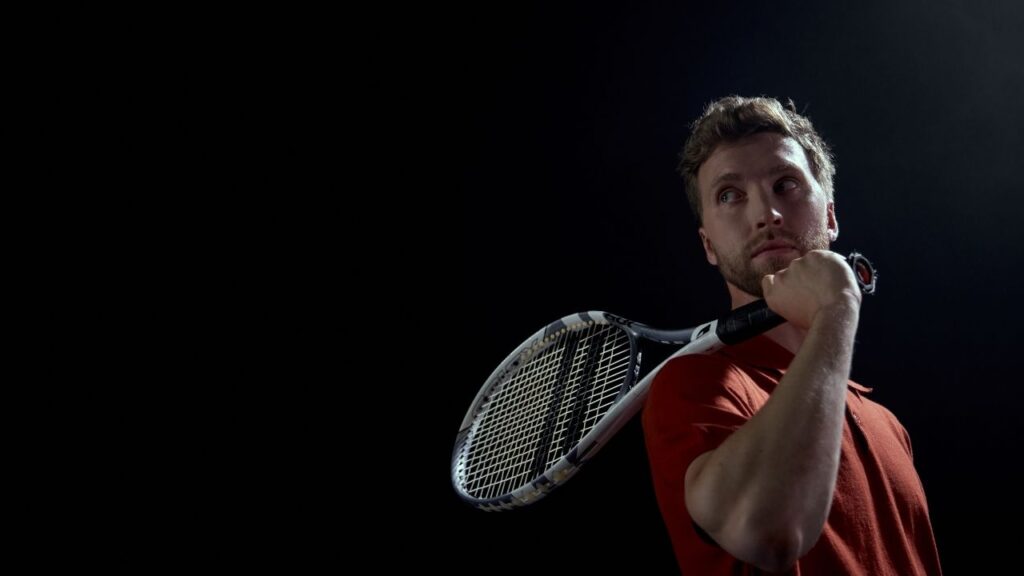
The physical demand of tournaments such as the China Open and Shanghai Masters is indisputable, but the unsung champion of post-match recovery is the mind. The resilience to bounce back is as much psychological as it is physical. Elite players harness techniques that transcend typical recovery and transcend into mental reset strategies.
Embracing Mindfulness and Visualization
Visualization empowers players to mentally rehearse upcoming matches, reducing anxiety and sharpening focus. Mindfulness meditation supports emotional regulation and helps reduce the stress hormones that can impair recovery. Players including Novak Djokovic advocate for meditation as an integral part of their recovery, blending relaxation with preparation.
Managing On-Court Pressure Through Breathing Techniques
- Box Breathing: Structured breathing patterns help reset nervous system balance post-match.
- Progressive Muscle Relaxation: Systematic tensing and relaxing muscles to ease cumulative tension.
Incorporating these mental recovery strategies alongside physical therapies from leading brand partners like Nike for athletic wear and Red Bull for energy management ensures a holistic approach. This comprehensive recovery not only rejuvenates the body but rebuilds confidence and emotional balance, essential for sustained high-level performance.
Additionally, players and coaches increasingly turn to biofeedback and cognitive training apps to monitor fatigue levels and mental states, allowing for personalized recovery schedules that optimize readiness for the relentless tour calendar.
| Mental Recovery Technique | Purpose | Effect | Practice Frequency |
|---|---|---|---|
| Visualization | Prepares mentally for competition | Improves focus, reduces anxiety | Daily or pre-match |
| Mindfulness Meditation | Stress reduction | Enhances emotional control | Post-match or daily |
| Box Breathing | Nervous system reset | Calms mind, reduces tension | Post-match as needed |
| Progressive Muscle Relaxation | Tension release | Decreases muscular stiffness | Post-match |