As the global tennis community eagerly anticipates the upcoming Wuhan Open, a distinctive spotlight falls on the meticulous injury prevention strategies that players must adopt to remain competitive and resilient. This tournament, marked by its high intensity and fierce competition, challenges players to be at the peak of their physical and mental health. In the face of demanding schedules and unpredictable match conditions, the blend of advanced training methods, recovery protocols, and innovative equipment is more critical than ever.
Understanding the nuances of injury prevention requires delving beyond mere physical readiness. The introduction of specialized programs targeting strength, flexibility, and coordination plays a pivotal role. Concurrently, technological advancements such as tennis sensors and biomechanical analysis equip athletes and trainers with deeper insights into movement patterns and stress points. Moreover, player adherence to evidence-based nutrition and recovery protocols ensures that fatigue and overuse injuries are minimized. As brands like Nike, Adidas, and Under Armour continue to pioneer performance-enhancing apparel and gear, players are better supported in their quest to maintain injury-free seasons.
Injury prevention undoubtedly blends science, technology, and experience. This article explores comprehensive and cutting-edge strategies, offering players, coaches, and enthusiasts a detailed panorama of approaches designed to mitigate musculoskeletal injuries, optimize recovery times, and boost on-court prowess ahead of the Wuhan Open.
In brief:
- Pre-event training programs focusing on strength, balance, and sport-specific skills reduce injury risk substantially.
- Usage of advanced protective equipment such as KT Tape, Bauerfeind braces, and Shock Doctor supports injury mitigation during matches.
- Rule modifications and enforcement in tennis tournaments help minimize acute injuries.
- Technological tools like the latest tennis sensors offer real-time feedback to sharpen technique and detect harmful patterns.
- Nutrition, hydration, and recovery strategies are critical pillars in maintaining player vitality throughout high-stakes events.
Cutting-edge Pre-event Conditioning to Prevent Injuries at the Wuhan Open
Musculoskeletal injuries remain a leading concern for tennis professionals, underscoring the importance of pre-event conditioning. Leading into the Wuhan Open, players emphasize holistic training regimens that incorporate strength, endurance, balance, flexibility, and neuromuscular coordination. These multifaceted programs are designed to prepare not just the large muscle groups, but also the intricate kinetic chains that facilitate powerful tennis movements.
Among the foundational components is strength training, targeted to enhance joint stability and reduce the risk of sprains and strains, especially in the knees, ankles, and shoulders. Players tend to focus on eccentric exercises to fortify the hamstring and quadriceps muscles — critical for explosive sprints and rapid direction changes on court. Complementary to strength are balance and proprioceptive drills often guided by TheraBand resistance bands and balance boards, which refine neuromuscular control and minimize the likelihood of falls or missteps that lead to acute injuries.
Flexibility routines remain vital for maintaining optimal range of motion. With dynamic stretching and sport-specific mobility exercises, athletes combat muscle tightness that often precipitates tendon strains. Incorporation of KT Tape not only supports soft tissues but also provides proprioceptive feedback during these movements, reinforcing proper biomechanics.
- Strength training emphasizing eccentric and concentric muscle actions
- Balance and coordination drills utilizing TheraBand and functional equipment
- Dynamic stretching and mobility work enhancing joint flexibility
- Core stability exercises integrating medicine balls and Pilates techniques
- Neuromuscular training tailored for tennis-specific movements
Moreover, work on psychological readiness and cognitive skill development, including stress management and reaction time drills, plays an increasingly significant role. Published research highlights the effectiveness of integrating mental resilience training with physical conditioning for injury prevention. Players who maintain sharp decision-making under pressure are less prone to injury-causing errors.
High-performance players also incorporate innovative devices like tennis sensors to analyze stroke mechanics meticulously. These smart tools, reviewed extensively in tennis circles (tennis sensor 2025 review), provide instant feedback facilitating micro-adjustments that protect joints from undue stress. Customized equipment from brands like Wilson and Head further complements physical conditioning, offering tailored racquets and shoes optimized for court surfaces — a crucial factor highlighted in guides such as best shoes for clay and hard courts. Footwear engineered for optimal shock absorption and stability reduces repetitive impact injuries common in the sport.
| Pre-event Conditioning Element | Purpose | Example Tools/Methods |
|---|---|---|
| Strength Training | Enhance joint stability and muscle resilience | Eccentric hamstring exercises, medicine balls |
| Balance & Coordination | Improve proprioception and injury resistance | TheraBand bands, balance boards |
| Flexibility/Mobility | Maintain joint range of motion to prevent strains | Dynamic stretching, KT Tape application |
| Neuromuscular Training | Refine sport-specific movement patterns | Tennis sensors, plyometrics |
| Mental Conditioning | Boost cognitive control and stress management | Reaction time drills, psychological coaching |
Innovative On-court Injury Prevention and Protective Gear Usage
During the Wuhan Open, minimizing real-time injury risk requires coach-backed strategies and well-engineered protective gear. The dynamic nature of tennis, especially across hard and clay courts, demands players equip themselves with the latest safety and support technologies.
Personal protective equipment (PPE) has increasingly become standard among elite players. This gear extends beyond traditional wristbands and supports to advanced braces from Bauerfeind or taping solutions like KT Tape. The latter stabilizes muscles and joints while enhancing proprioception, effectively reducing acute injuries during rapid strokes and directional shifts.
Innovations have also transformed mouthguards and eyewear — Shock Doctor’s products, for example, focus on concussion prevention without compromising breathability and comfort. The mandate of protective gear during practice sessions and competitive play is backed by growing evidence showing reduced incidences of sprains and fractures when such equipment is properly used.
- Brace and tape supports (e.g., Bauerfeind braces, KT Tape) for joint protection
- Shock Doctor mouthguards for concussion risk mitigation
- Specialized footwear from Nike and Adidas designed for optimal grip and impact dispersion
- Custom-fit racquets from Wilson and Head to prevent overuse injuries
- Use of compression sleeves and cooling wraps to aid muscle recovery between points
Players tailor this protective approach depending on their medical history and playing style. For instance, athletes with a history of ankle sprains often opt for lace-up braces, demonstrating a marked reduction in re-injury rates. Additionally, technological advances in racket manufacturing (top rackets under $200) allow better shock absorption and reduced vibration, which lessens strain on the arm tendons.
Accessory brands such as Dr. Schutz provide specialized insoles helping maintain foot alignment, a frequent underlying factor in overuse injuries. Combined with balanced hydration and nutrition plans, these equipment choices integrate into a comprehensive on-court injury prevention playbook.
| Protective Gear | Function | Impact on Injury Prevention |
|---|---|---|
| Bauerfeind Braces | Joint stabilization and support | Reduces risk of ligament sprains, especially ankles and knees |
| KT Tape | Muscle support and proprioceptive feedback | Prevents muscle strain and improves body awareness |
| Shock Doctor Mouthguards | Concussion protection | Minimizes impact forces to the head |
| Specialty Footwear (Nike, Adidas) | Traction and shock absorption optimized for court surface | Reduces stress fractures and joint impact injuries |
| Custom Racquets (Wilson, Head) | Ergonomic design for stroke efficiency | Decreases overuse injuries in the arm |
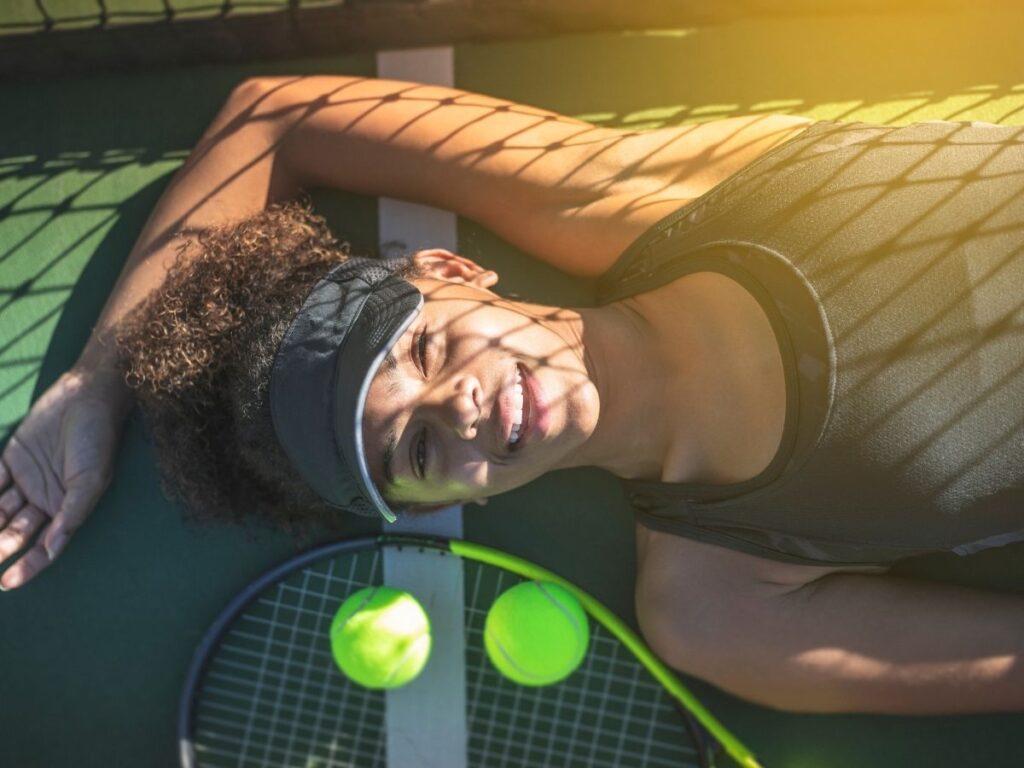
Adopting Recovery and Rehabilitation Practices that Sustain Player Longevity
Entering the intense phase of the season marked by events like the Wuhan Open, effective recovery protocols form the bedrock of injury prevention. The repetitive high-load nature of tennis necessitates expertly designed recovery plans to combat cumulative fatigue and microtrauma.
Key recovery components include:
- Active recovery sessions: Low-impact aerobic activities that promote circulation and tissue repair.
- Myofascial release techniques: Use of foam rollers and massage therapy to alleviate muscle tightness.
- Nutrition and hydration: Balanced intake rich in anti-inflammatory nutrients and adequate fluids to replenish electrolytes.
- Sleep hygiene: Optimization of sleep duration and quality to support hormonal balance and tissue regeneration.
- Monitoring workload: Technology-enabled tracking of training intensity and match play to avoid overtraining.
Players increasingly use wearable devices providing data on movement patterns and physiological markers, facilitating adjustments to training loads. Examples include heart rate variability monitors and tennis-specific motion sensors that detect inefficient stroke mechanics possibly generating injury risk. This personalized feedback loop enhances early intervention opportunities to avoid overuse injuries, a notorious problem among tennis players.
Furthermore, rehabilitation techniques derived from comprehensive clinical research guide swift return-to-play decisions. Protocols from institutions such as Rafa Nadal Academy emphasize graduated exercise programs that restore function while preventing re-injury. KT Tape and Bauerfeind braces also prove invaluable during recovery, offering continued support without limiting progression.
Accessible academic insights encourage coaches and players to embrace multidisciplinary approaches combining physical therapy, sports medicine, and psychological readiness to optimize outcomes. Detailed recovery work ensures that athletes maintain consistent performance levels throughout demanding tournament schedules.
| Recovery Strategy | Benefits | Tools or Techniques |
|---|---|---|
| Active Recovery | Enhances blood flow and tissue healing | Low-impact cycling, swimming |
| Myofascial Release | Reduces muscle tightness and pain | Foam rollers, massage therapy |
| Nutrition & Hydration | Supports anti-inflammatory processes | Balanced diet with antioxidants, electrolyte drinks |
| Sleep Optimization | Promotes hormonal and tissue regeneration | Consistent sleep routine, sleep trackers |
| Load Monitoring | Prevents overtraining and injury | Wearable sensors, motion tracking |
Concurrent with physical recovery, the integration of psychological resilience training has shown to reduce injury risks by helping athletes manage stress and maintain focus. Combining mental and physical recovery strategies establishes a holistic approach vital for sustained competition performance.
The Role of Tournament Regulations and Environmental Adaptations in Injury Mitigation
Beyond the athlete and equipment, structural strategies including tournament rules and environmental context modifications are essential to injury prevention at prestigious events like the Wuhan Open. Based on evidence gathered from various sports, regulatory measures that enforce safety protocols yield significant reductions in injury incidence.
Such measures include:
- Mandatory usage of approved protective gear: Institutionalizing the compulsory wearing of braces or supportive taping during matches.
- Scheduling adjustments: Allowing adequate rest days and limiting match durations in extreme weather conditions to prevent heat stress and overexertion.
- Enforcement of fair play codes: Encouraging referees to penalize dangerous play and unsportsmanlike conduct enhancing overall safety.
- Facility modifications: Employing court surface maintenance standards that reduce slips and falls, such as optimized clay moisture and hard court shock absorption.
- Access to on-site medical and physiotherapy support: Ensuring immediate intervention capabilities during matches.
Rule modifications challenge the status quo but offer proactive methods to mitigate injury risks. Studies demonstrate that advanced policy interventions linked with enforcement are often underrepresented in tennis but show promise in other sports such as rugby and soccer. Adopting lessons from these fields could inform future tennis tournaments’ regulatory practices and safety culture evolutions (best shoes and equipment standards).
Players and coaches must stay informed about these updates and adapt preparation regimens accordingly. Collaborative involvement between tournament organizers, federations, and medical teams remains paramount to uphold these safeguards effectively.
| Tournament Safety Measure | Purpose | Expected Injury Reduction |
|---|---|---|
| Protective gear mandates | Increase compliance with injury prevention equipment | Up to 30% reduction in acute injuries |
| Match schedule optimization | Reduce fatigue and heat-related injuries | Decrease in heat stroke and muscle strain cases |
| Fair play enforcement | Limit dangerous behaviors and collisions | Reduced incidence of contact injuries |
| Court surface maintenance | Minimize slips and falls | Lower rates of ankle sprains and strains |
| On-site medical services | Enable prompt injury management | Decrease in severity and downtime |
Together, these environmental and regulatory factors compose a robust framework for a safer tennis tournament culture, aligning with initiatives launched by leading brands and organizations across the sport.