As the countdown to the prestigious Paris Masters, scheduled from October 27 to 31, intensifies, the spotlight shines not only on physical prowess but more critically on the mental fortitude of the world’s top tennis seeds. This sporting spectacle in 2025 promises electrifying performances driven by athletes who have perfected the art of psychological resilience. Beyond flashy footwork and powerful serves, mental toughness separates champions from contenders. Drawing insights from elite players and the latest in sports psychology, this article unpacks the techniques shaping the formidable mindsets that fuel peak performances on the indoor courts of Paris.
The Paris Masters is renowned for its fast-paced, pressure-laden environment, demanding exceptional focus and unwavering belief. With the indoor season reaching a fever pitch, understanding how players harness mental strategies is key to appreciating their on-court wizardry. From visualization drills pioneered by tennis giants to mindfulness routines adopted from successful brands like Headspace and Calm, mental training has become as critical as physical conditioning. This blend of emotional control, strategic thought, and self-empowerment techniques elevates athletes’ capacity to thrive under the unforgiving spotlight of the ATP Tour.
Veteran and emerging players alike lean on a cocktail of practices encompassing self-reflection, stress inoculation, and positive self-talk, supported by expert coaching frameworks. The coaching dimension, recently highlighted in athletic spheres like off-court coaching, offers a transformational edge by embedding a growth mindset and resilience training into daily regimens. As the Paris Masters draws near, the infusion of mental toughness routines is setting the stage for gripping battles and unforgettable moments.
Mental Toughness Fundamentals: The Cornerstone of Top Seeds’ Preparation
In the cauldron of elite tennis, the mastery of mental toughness transcends natural talent—it is a cultivated skill vital for success. Athletes entering the Paris Masters operate at the nexus where physical skill meets psychological endurance, and the latter often spells the difference in tight matches. Key components include resilience, focus, emotional regulation, and a robust belief system that persistently fuels effort and ambition despite setbacks.
Consider Novak Djokovic’s renowned capacity to stay calm during high-stress scenarios, a trait often attributed to disciplined mental training combined with refined breathing techniques and structured visualization. Similarly, champions under pressure engage in mental rehearsals that simulate match situations—for example, envisioning the trajectory and spin of serves and returns, a technique that can be linked to improvements discussed in Alcaraz’s forehand patterns.
Daily exercises in mental toughness are common, including self-evaluation sessions that focus not on criticism but on acknowledging progress and optimizing performance pathways. Top seeds incorporate short, targeted sessions to monitor mental state and emotional reactions over the training cycle. These reflective moments, allied with stress inoculation methods—exposing oneself to challenging practice scenarios—form a dynamic resilience toolkit.
- Resilience Building: Training through adversity to maintain composure and recovery.
- Focused Awareness: Developing sustained concentration despite external distractions.
- Positive Self-Talk: Replacing doubt with encouraging narratives internalized during practice.
- Goal Setting: Establishing SMART goals tied to measurable short-term improvements.
- Mindfulness Meditation: Practicing presence and emotional regulation through breathing and focus exercises.
| Technique | Purpose | Example |
|---|---|---|
| Visualization | Enhance confidence and prepare for match scenarios | Imagining successful forehands and match-winning points |
| Mental Rehearsal | Train cognitive responses to pressure stress | Simulating tie-break situations during practice |
| Self-Reflection | Analyze and improve mental response patterns | Daily journaling of workout emotional state |
| Stress Inoculation | Desensitize to competitive pressure | Practicing in loud, crowded indoor courts |
| Positive Affirmation | Boost self-belief and confidence | Repeating phrases like “I am prepared and ready” |
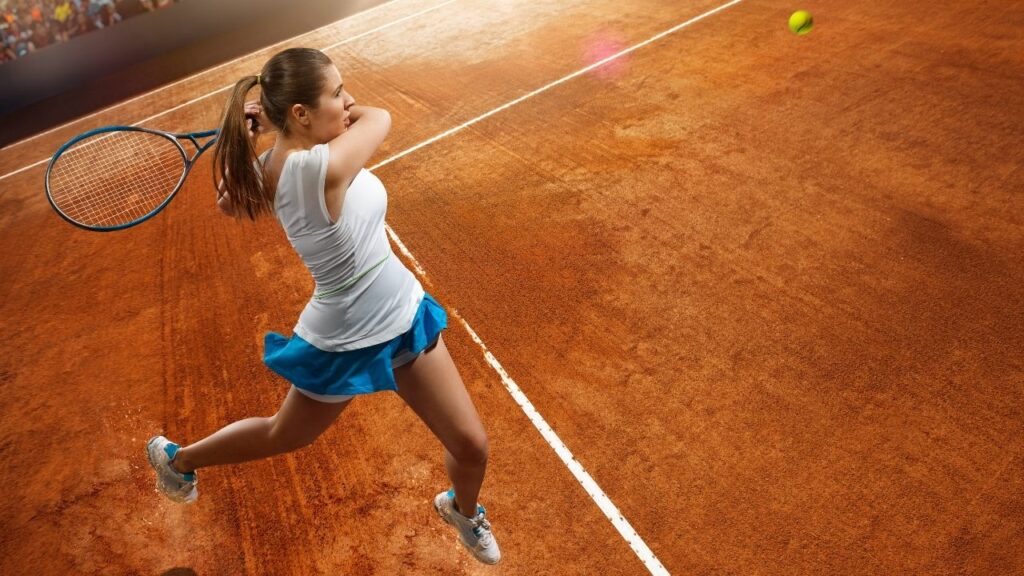
Top Seeds’ Preferred Mental Toughness Techniques Revealed
The mental conditioning strategies of ATP and WTA stars reveal remarkable commonalities, blending traditional psychological tools with innovative practices fueled by collaborations with brands such as Under Armour and Adidas. These brands don’t just supply athletic wear but also invest deeply in sports science, contributing research that shapes mental training programs emphasizing stamina and cognitive fortitude.
For instance, players like Daniil Medvedev and Iga Świątek lean heavily on routine-driven frameworks formed around focused breathing and pre-serve mental cues, as explored in recent drill analyses like those in mental training for serve accuracy. These mental rituals create a calming effect, sharpening concentration before complex points.
Another favored approach is the integration of digital mindfulness platforms—Calm and Headspace—which enable players to adopt meditation and breathing routines remotely, even while on global tournament tours. These easy-to-access tools reinforce mental clarity and emotional resilience, crucial when athletes transition between time zones and high-stakes competition.
- Pre-Match Visualization: Performing a mental walkthrough of key points and scenarios.
- Routine Consistency: Employing consistent warm-up rituals to anchor focus.
- Controlled Breathing: Managing heart rate and stress levels before and during matches.
- Mindfulness Meditation Apps: Utilizing Calm and Headspace for relaxation and recovery.
- Nutrition and Hydration Awareness: Partnering with Red Bull and Noom for optimized mental energy.
| Player | Mental Skill | Training Tool |
|---|---|---|
| Daniil Medvedev | Pre-serve focus, breathing exercises | Under Armour guided drills |
| Iga Świątek | Mindfulness meditation | Headspace sessions on the road |
| Carlos Alcaraz | Visualization of forehand patterns | Customized mental rehearsal routines |
| Ons Jabeur | Positive self-talk and affirmations | Adidas mental conditioning program |
| Novak Djokovic | Stress inoculation through practice | Babolat court dynamics simulations |
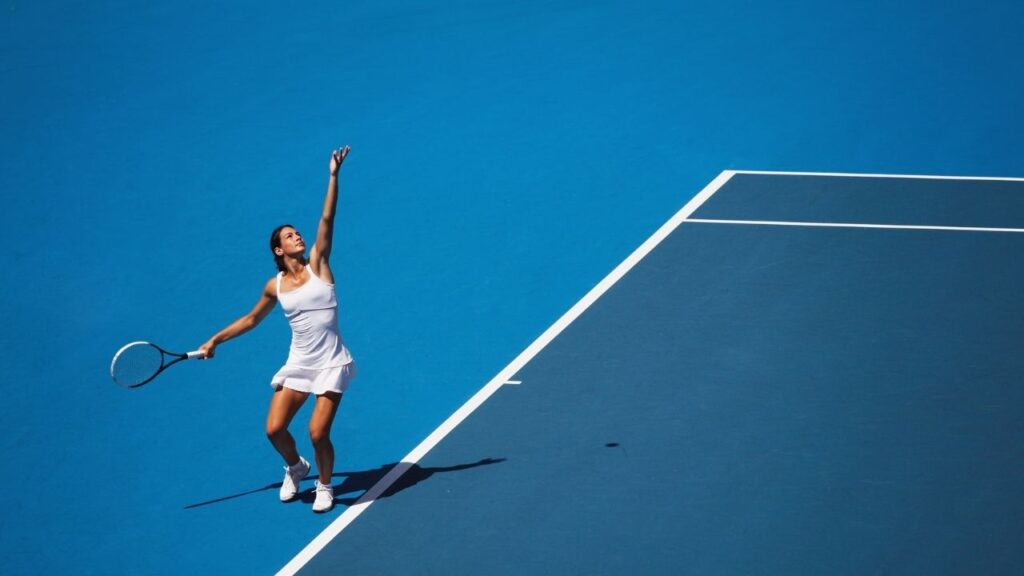
Building Resilience: Daily Practices That Sharpen the Champions’ Focus
The weaponized power of routine cannot be overstated in the development of mental toughness. Top seeds subscribe to daily mental workouts that reinforce resilience, sharpening their capacity to perform consistently, particularly during the gruelling Paris Masters indoor matches. This regimen includes:
- Morning Mental Check-Ins: Starting the day with brief self-evaluation focusing on mindset.
- Visualization Sessions: Dedicating time to imagine successful game scenarios and positive outcomes.
- Mindfulness and Meditation: Engaging in focused breathing exercises for stress reduction.
- Positive Affirmation Practice: Using constructive self-talk to build confidence.
- Feedback Integration: Reviewing coaching feedback to adapt mental strategies promptly.
For instance, Novak Djokovic integrates a dynamic mental toughness circuit into his daily schedule, encompassing breathing exercises, mindfulness, and competitive scenario rehearsals that help him maintain laser-sharp focus in pressure-cooker matches. These daily rituals echo findings in mental toughness circuit training, which highlight the value of consistent mental exercise to develop unshakable resilience.
| Daily Practice | Benefit | Example |
|---|---|---|
| Self-Evaluation | Track emotional fluctuations and progress | Journaling thoughts post-training |
| Visualization | Enhance preparedness for competition | Imagining first-serve accuracy and baseline rallies |
| Mindful Breathing | Reduce anxiety; promote calmness | Diaphragmatic breathing exercises before matches |
| Affirmations | Build confidence; counteract stress | Repeating motivational phrases prior to competition |
| Coaching Feedback | Continuous improvement of mental strategies | Weekly review with sport psychologist |
Integrating Technology and Coaching for Enhanced Mental Strength
The fusion of technology with expert coaching is redefining mental toughness training for tennis elites preparing for the Paris Masters. Athletes are harnessing data-driven feedback and digital platforms like BetterUp, which specialize in personalized mindset coaching, offering tailored programs aimed at fostering psychological resilience and leadership skills.
Wearables and sensor technology, often provided by equipment giants like Wilson and Babolat, gather real-time biometric data during practice and matches. These insights allow coaches and psychologists to track stress responses, heart rate variability, and recovery metrics. Integrating these analytics into mental conditioning regimes enables precise adjustments, optimizing mental focus and energy management.
Competitive mindset programs incorporate AI-supported feedback sessions that empower players to manage pressure situations intellectually and emotionally. This approach propels players towards peak readiness by blending physical drills with targeted psychological skills such as emotional regulation under fatigue and decision-making under duress.
- Wearable Technology Monitoring: Heart rate trackers and motion sensors for stress and fatigue analysis.
- AI-Driven Coaching: Personalized mental skill development through software like BetterUp.
- Virtual Reality Training: Simulating match environments to rehearse mental responses.
- Biofeedback Tools: Techniques for athletes to understand and control physiological reactions.
- Remote Mindfulness Guidance: Ongoing access to Calm, Headspace, and related apps during travel.
| Technology | Function | Benefit to Mental Toughness |
|---|---|---|
| Wearables (Wilson, Babolat) | Real-time biometric monitoring | Optimize stress and energy management |
| BetterUp Coaching | Personalized mindset coaching | Develop tailored resilience strategies |
| Virtual Reality | Simulate pressure scenarios | Improve cognitive responses |
| Biofeedback | Physiological self-regulation | Enhance focus and calmness |
| Mindfulness Apps (Calm, Headspace) | Guided meditation sessions | Support stress reduction and mental clarity |
Applying Mental Toughness Techniques for Peak Performance in Paris Masters
The journey towards conquering the Paris Masters is paved with more than just grueling physical training; the players’ mental preparation is equally paramount. Incorporating time-tested mental toughness techniques prepares athletes to harness pressure as fuel for performance rather than an obstacle.
To maximize readiness, top seeds rely on comprehensive routines blending psychological tactics, physical conditioning, and support systems. For example, integrating nutrition brands like Red Bull and health coaching services such as Noom contributes to sustained energy levels and mental acuity during long matches. This holistic approach ensures mind and body synchronize perfectly when stepping onto the Paris courts.
- Match Simulation Drills: Practicing point scenarios to reinforce decision-making under pressure.
- Energy Management Strategies: Combining nutrition and mental breaks to maintain focus throughout.
- Peer and Coach Support: Building a psychological safety net during challenging tournament phases.
- Stress Reduction Routines: Employing mindfulness and controlled breathing before and during matches.
- Short-Term Goal Adjustment: Continually refining objectives throughout the tournament for motivation.
| Mental Strategy | Application During Paris Masters | Expected Impact |
|---|---|---|
| Mental Rehearsal | Visualization of key match moments before court entry | Enhanced confidence and reduced anxiety |
| Breathing Techniques | Instant stress relief between points | Improved focus and composure |
| Nutrition Support | Use of Red Bull and Noom planning during matches | Optimized energy and cognitive sharpness |
| Feedback Integration | Real-time coaching adjustments during tournament | Adaptive mental and physical tactics |
| Social Support | Peer encouragement and coach presence courtside | Emotional stabilization and confidence boost |