In brief:
- Mental preparation is a decisive factor for tournament success, focusing on confidence, stress management, and sharp concentration.
- Visualization, positive self-talk, and breathing exercises form the foundation for mental readiness before tournament matches.
- Managing time pressure and recovering from setbacks with proven strategies ensures resilience during play.
- Regular practice of focused drills and emotional regulation techniques is linked to significant performance gains.
- Combining traditional training with modern mental tools like Headspace and Nike Training Club enhances preparation quality.
Mastering Mental Focus Techniques for Tournament Success
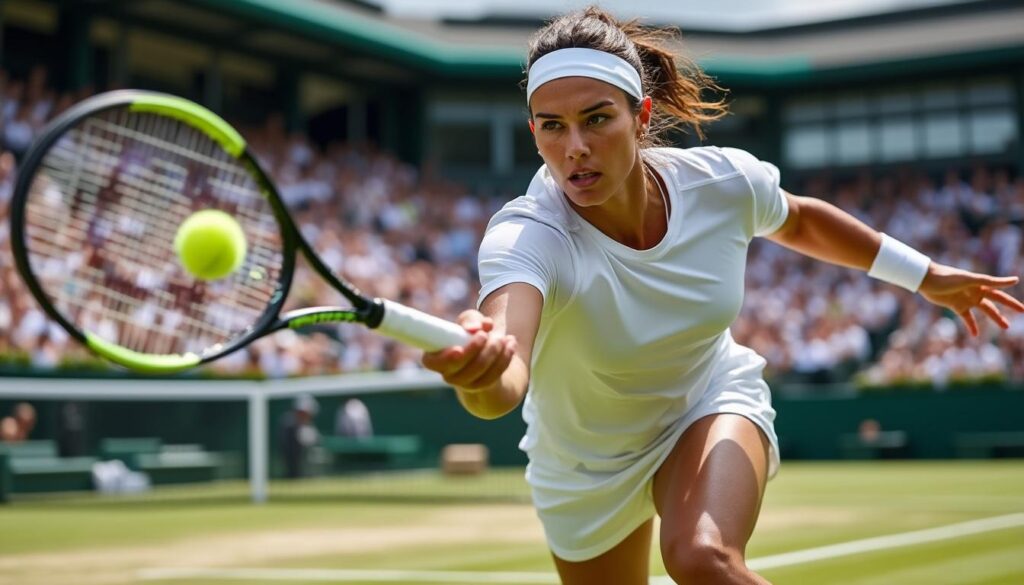
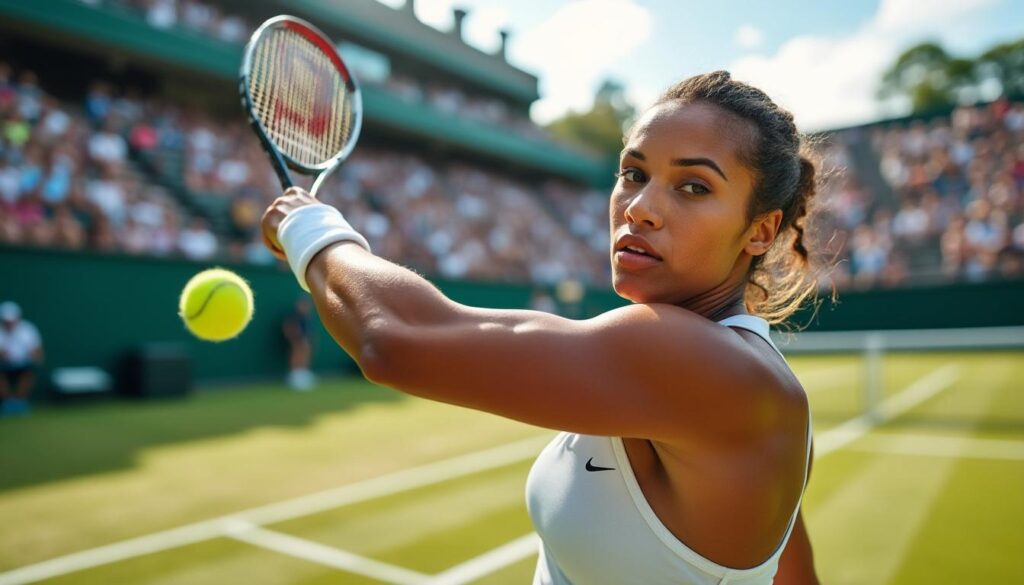
Tournament tennis isn’t just a physical challenge but a profound test of mental fortitude. The difference between triumph and defeat often lies in how players manage their inner game. Developing razor-sharp concentration can make the difference during those tense match points and long rallies where every shot counts. Effective mental preparation techniques empower players to channel their focus precisely and avoid costly mistakes caused by distractions or fatigue.
A cornerstone of mental focus is the practice of deliberate concentration methods, such as the Pomodoro Technique adapted for tennis training. For instance, players can analyze specific match scenarios or tactical problems for timed 25-minute intervals, followed by brief restorative breaks. This practice trains the brain to sustain attention over extended periods, simulating match conditions where stamina is as vital for the mind as the body.
Equally critical is cultivating mindfulness during play. Utilizing applications like Headspace or Calm can assist athletes in developing techniques for anchoring attention and relieving performance anxiety. Research highlights that athletes who integrate such mindfulness practices report a substantial rise in performance consistency, especially during high-pressure moments typical of tournament matches.
Furthermore, implementing structured mental routines before matches primes players for success. Visualization exercises that paint vivid images of successful rallies and dominating serves create a neural blueprint for execution in critical moments. Positive self-talk routines, replacing self-doubt with affirmations like “I’m fully prepared and confident,” foster resilience at the net and baseline alike.
Structured mental focus strategies include:
- Timed focus sessions modeled on the Pomodoro Technique
- Mindfulness meditation or breathing exercises using digital tools
- Daily positive affirmation practices
- Visualization rehearsals of winning scenarios
- Pre-match routines to trigger mental readiness
Table: Sample Concentration Drills for Tournament Preparation
| Drill | Description | Purpose |
|---|---|---|
| Pomodoro Tactical Focus | 25-minute focused analysis on tactical scenarios with 5-minute breaks | Enhances sustained attention and decision making |
| Mindful Breathing | 4-7-8 breathing exercises pre and mid-match | Reduces anxiety and improves calm under pressure |
| Visualization Sessions | Imagining successful shots and match outcomes | Programmes positive responses and confidence |
| Positive Affirmation Recital | Repeated statements of belief and readiness before play | Builds mental resilience and self-confidence |

Effective Stress and Anxiety Management Strategies for Competitive Play
High-stakes tennis often triggers intense stress, a hurdle that can undermine even the most seasoned athletes. Managing competition anxiety is essential to preserve composure and maximize performance on match day. Research indicates that implementing simple yet powerful stress regulation techniques boosts resilience and allows for clearer strategic thinking.
Controlled breathing exercises stand out as a rapid antidote to on-court nerves. The 4-7-8 method, popularized in wellness programs like BetterUp, involves inhaling for 4 seconds, holding for 7, then exhaling for 8 seconds. This cycle counteracts the fight-or-flight response, enabling players to regain calm focus during momentum swings or crucial points.
Aside from breathing, creating a personal pre-competition routine can anchor readiness and reduce unpredictability-driven anxiety. This might include listening to motivating music, stretching sequences inspired by Nike Training Club, or brief meditation sessions tailored via the MindGym platform.
Emotional regulation isn’t just about calming down; it also involves embracing the fluctuating nature of competition. Players benefit from acknowledging feelings of nervousness without allowing them to spiral. One approach is to consciously shift attention to controllable aspects like footwork or shot selection, which bolsters confidence and performance control.
Key anxiety management strategies include:
- Practicing breathing exercises for anxiety relief
- Developing customized pre-match mental routines
- Using music and apps for relaxation and motivation
- Focusing on controllable elements during point play
- Accepting and managing emotional fluctuations as part of competition
Table: Stress Management Techniques and Effects
| Technique | Application | Result |
|---|---|---|
| 4-7-8 Breathing | Pre-match and during breaks | Reduction of heart rate and anxiety |
| Music-Induced Motivation | Pre-competition warm-ups | Increased positive arousal and focus |
| Meditation Sessions (MindGym) | Regular mental training | Enhanced emotional regulation and resilience |
| Focused Attention Shifts | During rallies | Improved shot execution and calmness |

Handling Time Pressure with Confidence: Training Techniques for Tournament Matches
Time constraints during tournament matches challenge even the most strategic players. Efficient time management prevents rushed decisions and catastrophic errors in crucial game moments. Simulating competitive time pressure within practice routines is essential to develop this skill.
Incorporating rapid-play drills replicates the ticking clock scenario players face throughout tournaments. One method is to engage in matches with limited time per shot or point, similar to chess players enhancing their speed decision-making abilities. This approach trains reflexes and strategic prioritization under stress.
Recording and analyzing these rapid sessions reveals tendencies in decision-making faults or hesitation. Players can adjust tactics accordingly to handle time crunch scenarios with ease. Complementing practice with mindfulness exercises helps maintain composure and mental clarity even as the clock winds down.
Apps focused on mental conditioning, such as Peak Performance, equip athletes with tailored routines to enhance time pressure coping skills. The real-world benefit of such preparation is evident in post-match reviews where seasoned competitors consistently outperform under reduced time controls.
Crucial steps to mastering time pressure include:
- Integrating rapid decision-making drills mimicking tournament pace
- Keeping detailed performance logs to identify improvement areas
- Pairing pressure drills with mindfulness and breathing training
- Leveraging digital tools for mental toughness development
- Simulating tournament conditions repeatedly for familiarity
Table: Time Management Training Components
| Training Element | Focus Area | Benefits |
|---|---|---|
| Rapid Play Matches | Speed and decision quality | Improved quick thinking and confidence |
| Performance Analysis | Error patterns under pressure | Targeted strategy refinement |
| Mindfulness Integration | Cognitive calmness | Better reception to pressure |
| Digital Mental Training Tools | Adaptive mental exercises | Enhanced resilience and mental flexibility |
Building Resilience: Learning from Losses and Maintaining Confidence
Resilience remains a defining trait among champions. The mental ability to absorb tough losses, learn, and return stronger often separates victorious tournament players from those who falter under pressure. A positive, growth-focused mindset transforms defeat into a powerful learning tool.
Post-match reflection and analysis enable players to dissect mistakes without succumbing to self-criticism. Establishing structured reviews, preferably with coaches or mentors, guides practical adjustments in tactics or mindset. Setting small, attainable goals following setbacks fuels motivation and confidence rather than despair.
Visualization aids this process by embedding constructive imagery of overcoming challenges, turning mental setbacks into future successes. When competitors visualize themselves executing winning plays after initial defeats, they nurture resilience crucial to long tournament journeys.
Examples abound from top-level tennis where athletes have flipped losses into motivating fuel. The recovery and comeback of players like Nadal demonstrate the power of mental persistence combined with targeted tactical refinement. Integrating resilience-building techniques leads to sustained tournament performance improvement over time.
Strategies to cultivate resilience and confidence include:
- Systematic match debriefing to identify learning points
- Goal-setting mechanisms that focus on incremental progress
- Visualization practices oriented on success after adversity
- Positive mindset reinforcement through affirmations
- Incremental exposure to competitive play to build mental stamina
Table: Resilience Building Techniques Overview
| Technique | Purpose | Outcome |
|---|---|---|
| Post-Match Reflection | Analyze performance and mistakes | Targeted skill and mindset improvement |
| Incremental Goal Setting | Break down progress into achievable steps | Boost sustained motivation and confidence |
| Visualizing Comebacks | Mentally rehearsing successful recovery | Enhanced resilience during tournaments |
| Affirmation Recitals | Encourage positive self-perception | Improved competitive self-confidence |
Integrating Holistic Mental Training Apps for Enhanced Competitive Edge
The intersection of technology and mental preparation is transforming how athletes gear up for competition. Modern mental training apps provide personalized, scientifically grounded programs that hone focus, emotional regulation, and motivation. The increasing adoption of these platforms by tennis pros and amateurs alike underscores their value.
Apps like Headspace and Calm offer guided meditation sessions tailored to athletes, fostering emotional balance and focus. The Nike Training Club complements these with dynamic physical and mental exercises structured for tournament prep.
Platforms such as MindGym and Peak Performance incorporate visualization, cognitive behavioral techniques, and motivational coaching to strengthen mental resilience and adaptive thinking. Meanwhile, CoachMe provides on-demand expert guidance, enriching tactical awareness alongside mental toughness.
Emerging tools like Lumosity and Noom Mood add cognitive training and mood tracking to the athlete’s routine, ensuring sustained psychological readiness. Athletes integrating these technologies enjoy an augmented competitive edge, blending traditional preparation with cutting-edge innovation.
Core components of holistic mental app integration:
- Guided meditation and mindfulness training
- Dynamic physical-mental workout combos
- Cognitive-behavioral and motivational coaching
- Expert tactical and mental advice on demand
- Mood tracking and cognitive enhancement exercises
Table: Leading Mental Training Apps and Their Benefits for Tennis Players
| App | Features | Benefits |
|---|---|---|
| Headspace | Mindfulness, meditation sessions | Improves focus, reduces stress |
| Calm | Sleep aids, meditation, anxiety relief | Enhances relaxation and concentration |
| Nike Training Club | Physical and mental training plans | Prepares mind and body holistically |
| MindGym | Mental fitness coaching | Builds resilience and motivation |
| CoachMe | Personalized coaching and tactics | Improves mental and strategic skills |
| Lumosity | Cognitive training games | Enhances memory and attention |
| Noom Mood | Mood tracking and mental health tools | Supports emotional regulation |