The sports world’s spotlight recently turned to the Paris Masters, where the edge isn’t just about sheer stamina or raw skill — technology now plays an undeniable role in shaping the game. This week’s surge in tennis innovation introduces smart strings and embedded sensors, turning every stroke and rally into a treasure trove of data. These devices aren’t tools of the future anymore; they are live participants in every serve, volley, and match point, capturing nuances invisible to the naked eye. At such a prestigious event, the blend of tradition and cutting-edge technology ignited intrigue among fans, coaches, and players alike, sparking new conversations on how tennis strategies are evolving with digital insight.
From string tension monitoring that adjusts to player style in real time to smart sensors measuring swing speed and impact precision, the Paris Masters showcased a technological revolution in racket sports. The technology transforms the intuitive art of tennis into a science, with data analytics shaping decisions both on and off the court. And while these game-changing tools help professionals perfect every shot, they also open fresh pathways for enthusiasts aiming to elevate their play.
Behind the scenes, brands like Wilson, Babolat, Head, and Sony champion this fusion of data and dexterity. Their innovations reveal previously unknown aspects of a player’s game, offering insights into spin type, hitting location on the strings, shot selection, and stamina metrics. Sensors integrated in rackets or attached as sleek devices working through Bluetooth bring unmatched accuracy and detailed feedback. Smart courts complement this by using artificial intelligence to evaluate rally strategy, ball placement, and shot height, providing tactical insights on a previously unattainable scale.
Embracing such tech empowers players to transcend traditional methods and incorporate precise analytical feedback, revolutionizing coaching strategies and training routines profoundly. As tennis embraces this era of biometric and strategic data, it’s clear that future champions will be defined not only by their athletic prowess but also by their mastery of intelligent technology. The latest in wearable tennis technology, smart-enabled rackets, and AI-driven coaching represent a stunning evolution in how tennis is played, analyzed, and enjoyed globally.
These exciting developments also steer attention toward the vitality of off-court preparation and recovery, with smart wearables monitoring hydration, heart rate, and movement efficiency, ensuring players are holistically optimized for performance. This week’s technology highlights at the Paris Masters are a herald of tennis’ thrilling, tech-rich future.
In brief:
- Smart string technology and embedded sensors now capture precise stroke data at elite tournaments like the Paris Masters.
- Technological leaders such as Wilson, Babolat, Head, and Sony showcase innovations integrating data analytics directly into rackets and courts.
- Smart courts with AI-powered cameras analyze rally statistics, shot placement, and ball height, offering tactical insight beyond personal sensors.
- Wearable tech supports performance by tracking biometrics including heart rate and recovery patterns, linking physical conditioning directly to training regimens.
- The fusion of high-tech tools and tennis skills is shaping the future of coaching, player development, and match strategy worldwide.

Smart Strings and Racket Sensors Revolutionize Tennis Performance Insights
The competition at the Paris Masters revealed a dramatic advancement in how tennis players and coaches understand performance through smart strings and racket sensors. These innovations capture real-time data about exactly where the ball hits the racket, swing speeds, and spin characteristics—transforming subjective feel into objective information.
This week, players using sophisticated string sensors gather pinpoint details on contact points, helping optimize sweet spot consistency. Understanding how often shots land perfectly centered versus off-target is no longer guesswork but measurable fact. These insights guide players to tweak string tension and choose racket specifications that complement their stroke styles, boosting power and control.
Racket-integrated sensors from companies like Babolat and Wilson, often paired with user-friendly smartphone apps, allow players to analyze spin – from topspin loops to slicing backhands – and stroke type statistics. This provides immediate, personalized feedback on whether a baseline rally favored forehands or backhands, or which serve types generated the most success.
- Contact Point Analytics: Sensors accurately detect the impact location on the string bed, differentiating sweet spot hits from off-center strikes.
- Spin Measurement: Detailed tracking of topspin, slice, and flat shots offers valuable clues about shot effectiveness.
- Stroke Type Breakdown: Reports on forehand vs. backhand frequency refine tactical training and match strategy preparation.
- Swing Speed Monitoring: Real-time data enhances power and timing adjustment for serves and groundstrokes.
- Calorie and Effort Tracking: Some sensors even estimate energy expenditure, supporting stamina management.
The fusion of smart string data and advanced sensors delivers a dynamic picture of play that was impossible a few years ago. This newfound precision encourages both amateurs and pros to embrace technologies that offer pathways to sustainable improvement and tactical mastery.
| Feature | Description | Leading Brands | Use Case |
|---|---|---|---|
| Contact Point Detection | Measures where the ball strikes the string bed to optimize shot consistency | Babolat, Wilson | Adjustment of racket tension and stroke technique |
| Spin Analytics | Distinguishes topspin, slice, and flat shots for tactical insight | Head, Dunlop | Tactical improvements and shot selection analysis |
| Swing Speed Measurement | Records racket head velocity for power calibration | Babolat, Zepp | Training for serve speed and stroke efficiency |
| Shot Type Frequencies | Breakdown of forehands, backhands, serves, and volleys played | Wilson, Yonex | Strategic planning and opponent analysis |
| Calories Burned | Estimates physical exertion during play | Artengo, Head | Fitness and stamina tracking |
The Tactical Edge Brought by Real-Time String and Sensor Data
Modern pros leverage these insights to adjust their game mid-match at elite levels. Being able to measure swing tempo or check if serves carry enough topspin changes how players mentally approach pressure points. The Paris Masters showed how players equipped with this tech could dynamically tailor strategies based on data, a far cry from purely instinct-driven decisions.
For aspiring players exploring effective ways to elevate their performance, integrating technology like advanced stringing machines along with smart sensors offers an irresistible path toward mastery. Coaches are also adopting these tools for off-court training enhancements that complement tactical awareness.
Wearable Tennis Tech and Smart Courts Expand Analytical Horizons
The integration of wearable devices and smart court technology continues to redefine the tennis playing experience. This week in Paris, alongside innovations in rackets and strings, players and teams benefited from AI-powered smart courts that deliver an unmatched depth of match analysis.
Smart courts equipped with multi-camera systems and artificial intelligence, like the Wingfield platform, actively record volleys, forehands, and backhands, charting each shot’s trajectory, placement on the court, and ball height over the net. This comprehensive data helps strategists uncover subtle vulnerabilities or opportunities during play. The capacity to review in-match stats, such as rally length or shot distribution, empowers athletes and coaches alike to refine their approach.
- Shot Tracking: Real-time feedback on rally counts, stroke accuracy, and shot variety.
- Placement Maps: Detailed heatmaps showing where balls land relative to opponents’ weaknesses.
- Ball Height Measurement: AI evaluates average net clearance, correlating shot safety with aggression.
- Match Video Integration: Instant video playback linked with statistical insights enhances review sessions.
Wearable devices extend this ecosystem by monitoring personal biometrics — heart rate variability, recovery status, and movement patterns. Smartwatches and specialized tennis sensors from Sony, Zepp, and Artengo provide ongoing coaching aids and health tracking. They turn physical data into actionable cues, allowing players to know when to push hard or conserve energy.
| Technology | Capabilities | Brands Featured | Primary Benefit |
|---|---|---|---|
| Smart Courts with AI Cameras | Shot placement, rally stats, ball height | Wingfield, Head | Advanced tactical analysis during match play |
| Smartwatches & Fitness Trackers | Heart rate monitoring, movement analysis, swing metrics | Garmin, Apple, Fitbit | Optimize stamina and technique through biofeedback |
| Wearable Tennis Sensors | Stroke type detection, spin, impact precision | Sony, Babolat, Zepp | Personalized stroke analysis and improvement |
| Smart Apparel | Muscle engagement tracking, dynamic compression | Polar | Enhance recovery and reduce injury risk |
Wearable and court-level technologies complement one another in weaving a layered data-driven training and match environment. Players can now receive instant tactical adjustments from smart courts while physical status updates come from wrist or clothing sensors. This interconnected data web is revolutionizing tennis science and strategy.
Those eager to build footwork agility or improve footwork skills can benefit enormously from this tech combination, which ensures every move is tracked and analyzed for performance gains.
AI Coaching and Data-Driven Tennis Training for Elite and Amateur Players
Artificial intelligence is transforming the coaching landscape, with smart tech delivering real-time feedback that adapts to each player’s unique tendencies and performance metrics. This week, the Paris Masters highlighted how AI coaching platforms leverage sensor data to tailor training loads, correct biomechanical flaws, and optimize recovery cycles.
Tools such as Whoop straps integrate recovery analysis and strain monitoring, ensuring players avoid overtraining by adapting workouts based on physiological feedback. AI-driven tennis coaches interpret shot data streams to suggest strategic adjustments, helping refine serve techniques, volley approaches, and baseline rallies. This precision training marks a significant leap beyond traditional methods.
- Personalized Training Plans: AI-created workouts adapt dynamically to player condition and progress.
- Biomechanical Alerts: Motion sensors identify deviations from optimal stroke mechanics, allowing real-time correction.
- Recovery Optimization: Smart wearables monitor sleep, heart rate variability, and fatigue indicators to guide rest schedules.
- Injury Prevention: Early fatigue detection reduces risk through informed workload adjustments.
Incorporating AI into tennis coaching is demystifying performance data with easy-to-understand visuals and alerts. Both professional teams and weekend warriors can harness this technology for rapid improvements and injury reduction. Whether practising powerful serves or mastering the tennis smash, players now have a digital coach in their corner guiding them step by step.
| AI Coaching Tools | Main Features | Brands | Benefits |
|---|---|---|---|
| Whoop 4.0 Strap | Recovery analytics, strain, sleep tracking | Whoop | Prevents overtraining, improves rest |
| Smart Compression Wear | Muscle recovery support with dynamic pressure | Polar | Speeds healing, reduces injury risk |
| AI Tennis Coach Platforms | Adaptive drills and biomechanical feedback | Various software providers | Boosts stroke technique and tactical training |
The remarkable sophistication of AI in coaching also nudges players to better mental game management during critical match moments, aligning physical readiness with psychological resilience. For players transitioning from beginner to advanced stages, exploring stroke mastery techniques alongside AI feedback can turbocharge skill development.
Smart Tennis Shoes and Footwear Sensors: Precision in Every Step
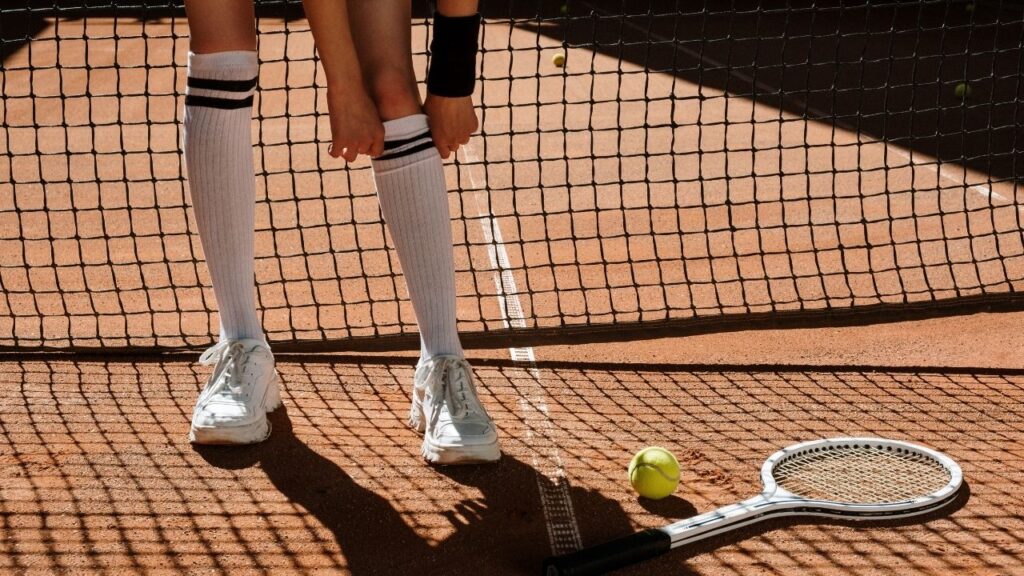
Footwork is often the defining factor between winning and losing in tennis. The Paris Masters underscored a subtler revolution off the baseline: the rise of smart tennis shoes embedded with sensors that map pressure points, stride length, and ground contact details in real-time. This granular data enables players to refine court movement with surgical precision, minimizing wasted energy and reducing injury potential.
Companies like Nike, Adidas, and Samsung lead innovation in this space. Their cutting-edge shoes collect comprehensive metrics including vertical jump height, lateral push force, and foot strike patterns. These insights help uncover inefficiencies invisible to coaches or players relying on instinct alone.
- Pressure Distribution Mapping: Detects imbalances and optimizes weight transfer during sprints and side steps.
- Stride Length and Frequency: Analyzes efficiency and pacing for better court coverage.
- Jump Metrics: Quantifies vertical leap height and landing technique crucial for volleys and smashes.
- Injury Risk Alerts: Identifies fatigue patterns to prevent overuse injuries.
Integrating these footwear sensors with broader analytic systems forms a comprehensive picture addressing both tactical and physical dimensions of tennis. Players seeking the best tennis shoes for indoor performance or to improve movement mechanics should consider those equipped with smart sensors as part of their arsenal.
| Smart Shoe Model | Key Metrics Tracked | Battery Life | Price Range |
|---|---|---|---|
| Samsung SmartStride Pro | Pressure mapping, gait analysis | Up to 12 hours | $350 – $450 |
| Nike Intelligent Runner | Strike pattern, jump metrics | Up to 10 hours | $250 – $350 |
| Adidas Smart Stride | Stride length, fatigue detection | Up to 11 hours | $280 – $400 |
For players hungry to cultivate superior footwork or enhance agility, combining these shoes with specialized training programs such as volley drills and serve speed routines delivers measurable improvements. The emerging collaboration between shoe tech and training science signals an exciting expansion of tennis performance tools.
The Transformative Impact of Smart Tennis Gadgets on Player Development
The convergence of high-tech rackets, wearables, AI coaching, and smart footwear is dramatically reshaping the athlete journey at every level. At the Paris Masters and beyond, technology is no longer a side element but a critical player shaping victory margins.
For newcomers mastering fundamentals like the forehand or the backhand, accessible gadgets create personalized feedback loops previously available only to elite pros. Technical precision is augmented by measurable data, fostering confidence through clear progress markers.
Meanwhile, experienced competitors leverage these smart tools to fine-tune tactics, manage training stress, and prevent injuries, securing longevity in demanding tournament circuits. The ability to monitor variables like swing tempo, ball placement, recovery status, and foot pressure all at once enables a multi-dimensional approach to excellence.
Moreover, enhanced analytic capabilities fuel the intrigue of electronic line judging and other officiating technologies shaping the sport’s fairness and spectacle. As player and fan engagement deepens with these innovations, tennis edges toward a future where data and passion coalesce into unmatched competition drama.
| Gadget Type | Primary Function | Suitable For | Example Brand |
|---|---|---|---|
| Smart Rackets & Sensors | Stroke analytics, spin measurement | Beginners, club players, pros | Babolat, Wilson, Head |
| Wearable Fitness Trackers | Biometric data, stamina monitoring | All levels, health-focused players | Sony, Garmin, Apple |
| AI Coaching Platforms | Personalized training, biomechanical alerts | Advanced and professional players | Whoop, Polar |
| Smart Footwear | Movement efficiency, injury prevention | Competitive players and juniors | Nike, Adidas, Samsung |
This integration of technology into tennis practice and competition magnifies every stroke’s value and every strategy’s precision. With the racquet technology innovations and sophisticated smart gear displayed at the Paris Masters, the year ahead promises unprecedented opportunities for all players to elevate their game.