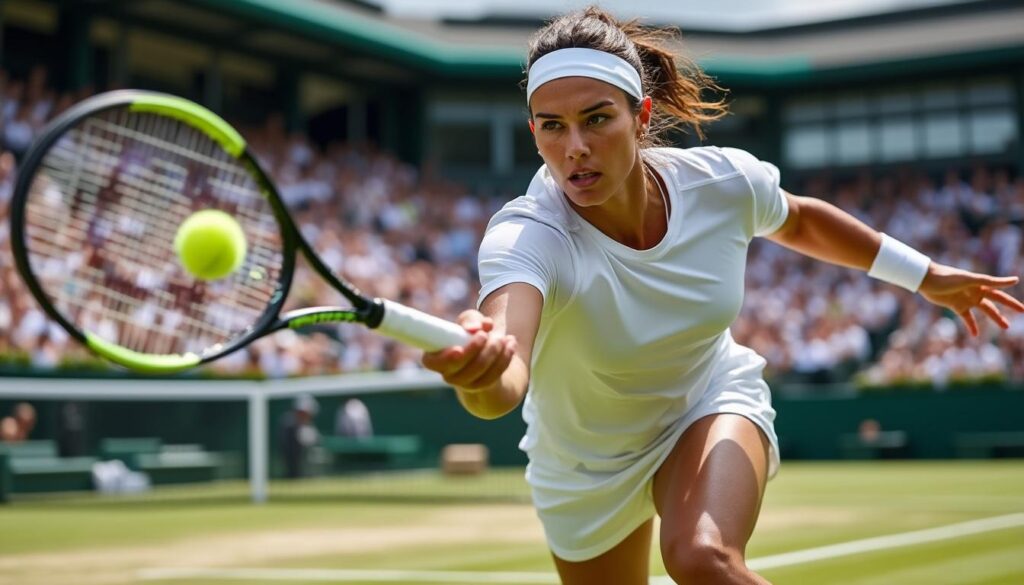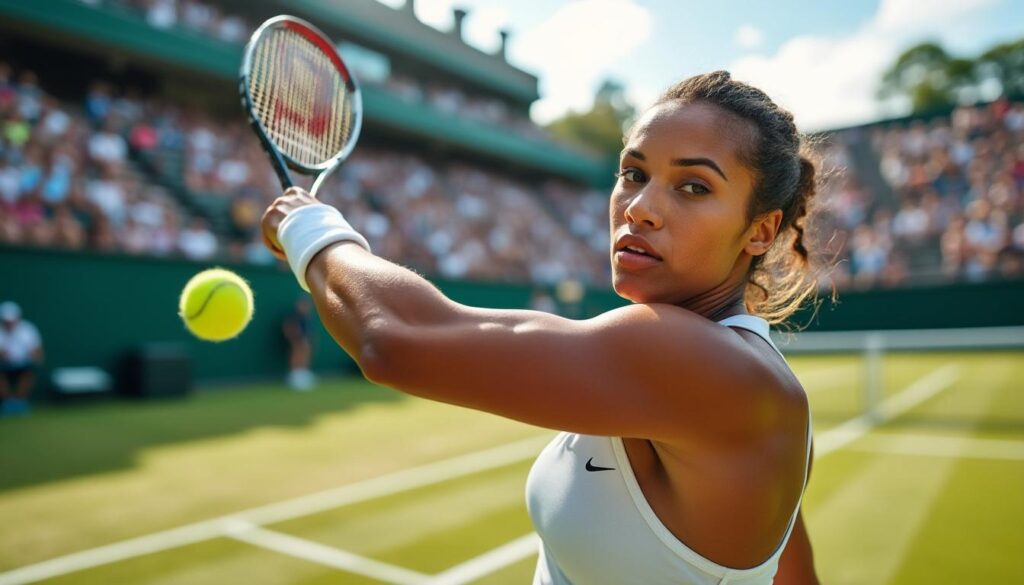
Serve improvement drills for November 18, 2025, are a vital focus for players aiming to boost their precision under those nail-biting moments in competitive tennis. When the crowd is hushed, or the scoreboard tight, the pressure to deliver an uncontested serve can make or break a match. On courts across the globe, players are refining their serve mechanics, mental strategies, and footwork to turn these pressure points into opportunities for ace shots and confidence. The right drills, coupled with disciplined practice, pave the way for sharper, more consistent serves that slice through tension like a hot knife through butter.
November 18, 2025, marks a perfect checkpoint to spotlight these serve drills targeting precision under pressure, driven by modern tennis science and pro-level coaching techniques. The secret sauce? A blend of physical conditioning, mental fortitude, and focused skill cultivation with tools like PrecisionServe and PressurePoint Drills. This date symbolizes a strategic push for players to out-serve their nerves and opponents, increasing serve speed, pinpoint accuracy, and dynamic control.
Whether you’re a tournament contender or a weekend warrior, mastering serve precision under pressure demands more than mere repetition—it requires smart drills, relentless focus, and an understanding of biomechanical excellence. The drills covered here spark progress through layering strength, agility, and mental toughness—a trifecta that transforms a decent serve into a weapon. Ready to ace your next pressure serve? Let’s navigate that journey with drills tailored for resilience, precision, and power on November 18, 2025.
In brief:
- November 18, 2025, serves as a targeted date to underscore drills that enhance serve accuracy under competitive pressure.
- Key components include physical conditioning, mental resilience, and biomechanical precision through drills like AceMaster and ServeSharp.
- The drills build both muscle memory and on-court composure to convert tight moments into winning serves.
- Incorporation of video analysis and rhythm exercises complements technical training to elevate pressure-serving performance.
- Strategic footwork and opponent reading, such as those from split-step timing drills, are pivotal to serve routine enhancement.
Enhancing Serve Precision with Targeted Drills
Serving with precision is not just about power—it’s a symphony of biomechanics, timing, and mental clarity. Drills that hone these elements arm players with the ability to deliver a serve that consistently targets smaller zones under pressure. One effective approach involves repetitive targeting drills focusing on specific court areas with deliberate shot placement. For example, TargetServe drills challenge players to consistently hit deep corners or the T-line with exactness, training the eye and arm coordination to an elite standard.
Some of the most successful players blend physicality with tactical awareness. Think about elite performances where the serve is not just fast but cunningly placed. Delivering precision in tight games requires mastering the subtly varied angles and spins. This is where drills emphasizing shot placement over raw speed, such as shot placement drills for accuracy, become transformational.
Developing a List of Essential Serve Precision Drills:
- Spot Serve Repetitions: Setting up cones in targeted serve zones to sharpen aim and follow-through consistency.
- Pressure Serve Simulation: Mimicking match point scenarios to condition nerves and restore precision under stress.
- Spin Variation Practice: Learning to mix slice and topspin serves to keep opponents guessing and out of rhythm.
- Video Analysis Feedback: Recording serve sessions to refine angle and toss consistency, critical for mechanical efficiency.
- Rhythm and Routine Drills: Embedding a serve routine to stabilize timing and reduce pressure-induced errors.
To quantify progress in serve precision, integrating a detailed tracking system helps in noting serve zones hit and error rates. Below is an example of structuring serve precision data to monitor improvement.
| Drill Type | Target Zone | Success Rate | Error Rate | Comments |
|---|---|---|---|---|
| Spot Serve Repetitions | Wide Ad Court | 85% | 15% | Consistent deep serves hit with slight margin for improvement on toss timing |
| Pressure Serve Simulation | Deuce Court T-Line | 80% | 20% | Strong execution under match-point pressure, needs focus refinement on final ball toss |
| Spin Variation Practice | Full Service Box | 75% | 25% | Good mix of slice and topspin, occasional over-spin causing faults |
| Rhythm and Routine Drills | General | 90% | 10% | Routine helps maintain composure, drastically reduces double faults |
Players employing these drills see a measurable increase in accuracy on serve placement, a crucial factor that many pros underscore as the difference between a formidable first serve and a gamble exposing weaknesses. Coupled with mental preparation, these physical habits form a backbone of match-winning serve strategies like the serve-plus-one ATP tactics.
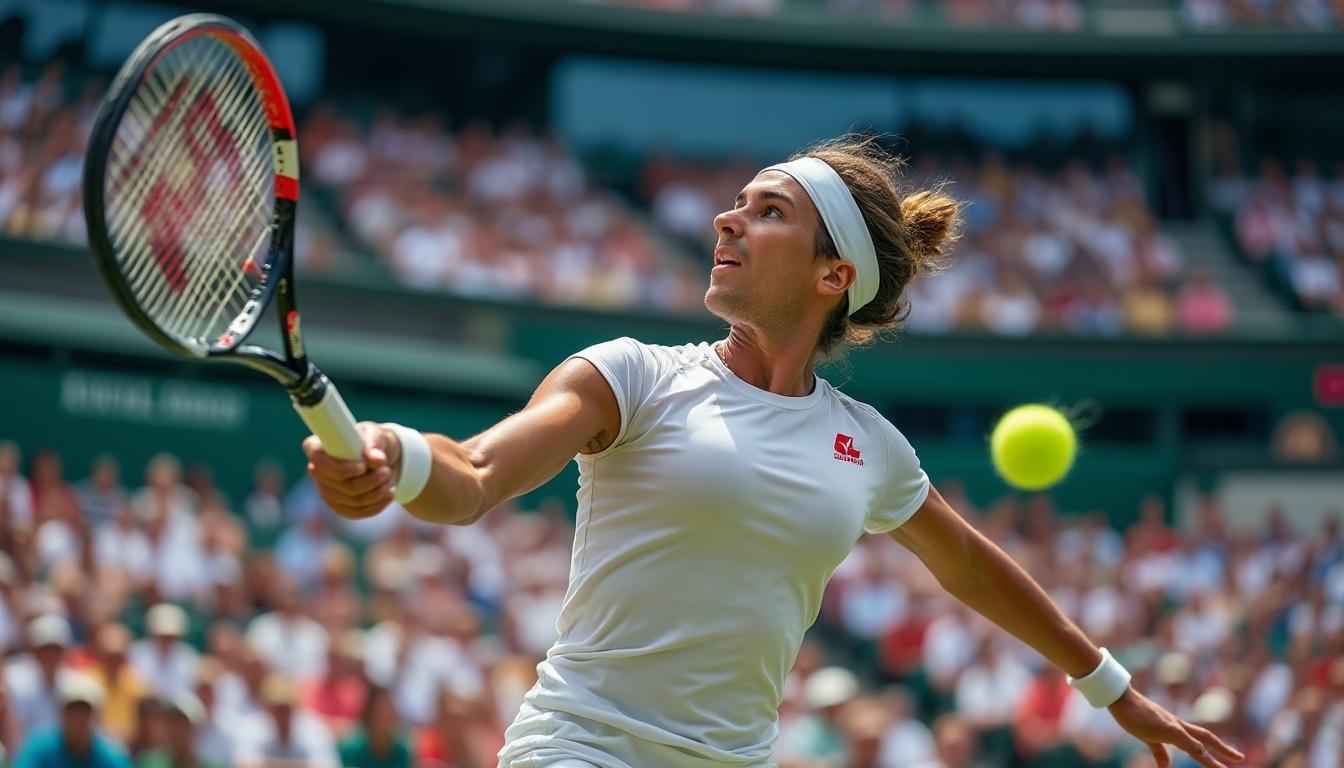
Building Mental Toughness for Serve Under Pressure
Pressure is the silent opponent standing between a strong serve and a winning point. Conditioning the mind alongside muscles guarantees that precision does not falter when the stakes climb. Mental toughness is as much a product of deliberate practice as technical drills. Techniques such as mindfulness breathing, visualization, and pre-serve routines like those in FocusVolley help players channel adrenaline into concentration, not chaos.
One drill gaining traction in elite circles is the PressurePoint Drills set, designed to simulate high-stake moments repeatedly. Players are thrust into scripted scenarios: break points, tiebreak serves, or match points, where only precision serves earn survival. This mental habituation eases the perceptible tension tied to these critical points.
Developing mental toughness for serving involves a few core methodologies:
- Visualization of Success: Mentally replaying flawless serves in stressful scenarios to build confidence.
- Breathing Control Exercises: Using measured inhale-exhale cycles to reduce physical tension pre-serve.
- Routine Embedding: Establishing a repeatable serving ritual that signals the brain to focus.
- Simulated Match Pressure: Role-playing game point tension through training partners or coaches.
- Positive Self-Talk and Affirmations: Reinforcing belief in serve ability and focus.
Backing these mental strategies with physical serve drills such as those detailed in mental training for serve accuracy creates a powerful synergy. These practices become mental muscle memories that players rely on when crowd noise surges or tension spikes.
Here is a table illustrating a potential mental toughness training schedule:
| Day | Exercise | Duration | Focus Area |
|---|---|---|---|
| Monday | Visualization + Serve Routine Practice | 40 minutes | Confidence, Concentration |
| Wednesday | PressurePoint Drills with Coach | 60 minutes | Stress Simulation, Precision |
| Friday | Breathing Control + Positive Affirmations | 30 minutes | Relaxation, Focus |
| Sunday | Full Serve Practice under Game Conditions | 90 minutes | Execution, Mental Endurance |
Strengthening Physical Foundations to Support Precision Serve
Precision under pressure depends heavily on robust physical conditioning. A serve draws on a complex series of motions requiring strong shoulders, explosive leg power, and fine motor control in wrist and arm. Using drills that improve shoulder stability, such as those offered in shoulder stability circuits, builds resilience to repetitive serve actions and reduces injury risks.
Power is vital, but without control, even the fastest serves fall short. Explosiveness generated from plyometrics drills supports quick and powerful motion transitions. The PowerPrecision method combines weight training with dynamic drills to ensure peak exertion does not sacrifice shot accuracy. Improving footwork through ladders and agility patterns refines positioning, ensuring players are poised to deliver sweet-spot serves consistently.
Recommended drills to build the physical backbone of your serve:
- Shoulder Stability Circuit: Targeted exercises using resistance bands to enhance rotator cuff strength and shoulder endurance.
- Plyometric Explosive Moves: Jump squats and medicine ball throws to increase leg dynamism and arm power.
- Agility Ladder Drills: Building swift, controlled footwork crucial for positioning, inspired by footwork agility ladder drills.
- Serve Speed Routine: Progressive serve drills focusing on increasing velocity while maintaining form, aligned with best practices from serve speed routines.
- Core and Balance Training: Pilates and balance board exercises aid postural control and transfer of power from legs to arm.
A rigorous physical program underpins the ability to sustain serve precision deep into matches, especially under pressure. Strength coupled with agility ensures players don’t sacrifice accuracy for power or vice versa. The fusion of these elements is the foundation of advanced serve strategies like NerveServe.
| Exercise | Target Muscle | Benefit | Frequency |
|---|---|---|---|
| Shoulder Stability Circuit | Rotator Cuff, Deltoids | Improves serve endurance and injury prevention | 3 times/week |
| Plyometric Explosive Moves | Legs, Core, Arms | Enhances power generation for faster serves | 2 times/week |
| Agility Ladder Drills | Feet, Calves | Refines foot placement for optimal serve preparation | 3 times/week |
| Core and Balance Training | Abs, Lower Back | Supports balance and power transfer | 3 times/week |
Integrating Technology to Sharpen Serve Precision Under Pressure
In 2025, technology has become the unsung coach in many players’ corners. Tools like ShotTrack systems analyze serve trajectory, speed, and spin to fine-tune serve mechanics tailored to player-specific tendencies. Instant feedback from these systems accelerates learning curves profoundly.
Ball machines equipped with speed and spin variation, as well as video playback technology, enable repetitive, focused practice of serve placement and consistency. The data-driven approach champions a hyper-tailored style where serve patterns evolve based on precise analytics, rather than guesswork.
Key technological aids enhancing serve precision:
- ShotTrack Analytics: Captures and analyzes serve speed, spin, and placement instantly.
- High-Speed Video Replay: Allows detailed breakdowns of serve mechanics frame-by-frame.
- Smart Ball Machines: Deliver variable-paced, spin-rich balls simulating match scenarios.
- Pressure Simulation Apps: Mental training through virtual pressure points replicating match-day intensity.
- Serve Precision Trackers: Devices worn to assess serve rhythm, arm angle, and timing.
Each advancement frees players to refine and rehearse precision serve elements until compulsive accuracy becomes second nature. Analyzing serve styles of today’s pros alongside data provides a blueprint for aspiring players to develop a personalized and highly effective serve attack. The blend of technology and tradition doubles down on the arsenal needed to succeed under pressure using elite drills from tennis drills practice resources.
| Technology | Function | Advantage | Use Frequency |
|---|---|---|---|
| ShotTrack Analytics | Serve speed and spin analysis | Immediate feedback to optimize serve mechanics | Every training session |
| High-Speed Video | Frame-by-frame serve technique review | Precise adjustment of toss and contact point | Weekly |
| Smart Ball Machines | Variable serve simulation | Preparedness for diverse match conditions | 3 times/week |
| Pressure Simulation Apps | Mental pressure conditioning | Mental adaptation to high-stress scenarios | Daily |
| Serve Precision Trackers | Rhythm and timing monitoring | Improved consistency in serve execution | Regular |
Serve and Volley Combinations to Capitalize on Serve Precision
Serve precision is only half the battle—winning points requires a seamless transition into court control. The ServeSharp and FocusVolley drills emphasize combinations that exploit a precise serve to set up aggressive net play. This synergy maximizes pressure on opponents, forcing rushed returns and opening the court for quick put-aways.
Practicing serve + one sequences, common in ATP-level play, hinges on delivering a serve that places the opponent on the back foot, immediately followed by a sharp volley. Drills that simulate these scenarios train anticipation, movement, and shot selection under pressure. Check out serve volley drills indoors for practical patterns that integrate court positioning with serve delivery.
Effective serve and volley drills include:
- Rapid Rally Volleys: Follow serve with low-trajectory volleys emphasizing control and strategic placement.
- Reaction Time Drills: Use hiit reaction speed net exercises to cut down response lag post-serve.
- Movement Pattern Practice: Footwork drills that marry split-step timing with serve anticipation, inspired by split-step timing drills.
- Serve Placement + Volley Targeting: Precision serving paired with volley placement drills to trap opponents off-balance.
- Pressure Match Scenarios: Simulated points focusing on aggressive serve + volley tactics under stress.
Mastering these sequences multiplies the impact of a well-placed serve, turning pressure situations into momentum-shifting points. This doubles down on the mental advantage while physically cutting off opponent options—an electrifying combination that often decides key matches.
| Drill | Focus | Benefit | Practice Frequency |
|---|---|---|---|
| Rapid Rally Volleys | Ball control and volley consistency | Improves net dominance after serve | 3 times/week |
| Reaction Time Drills | Speed and anticipation | Shortens response time | 4 times/week |
| Movement Pattern Practice | Footwork and positioning | Enhances serve read and volley setup | 3 times/week |
| Serve Placement + Volley Targeting | Precision and tactics | Increases point-winning combinations | 2 times/week |
| Pressure Match Scenarios | Mental and physical stress simulation | Improves composure and execution under pressure | Weekly |
How can a player improve serve accuracy under pressure?
Practicing drills that simulate match-point pressure, combined with mental toughness exercises such as visualization and breathing techniques, significantly enhance serve accuracy when it matters most.
What role does footwork play in serving?
Footwork is critical for optimal positioning and balance during the serve; drills like ladder agility and split-step timing improve the serve’s reliability and power.
Can technology really help improve serve precision?
Absolutely, modern tools like ShotTrack analytics and high-speed video allow players to receive immediate feedback, accelerating adjustments and consistency in serve execution.
Why combine serve drills with volley practice?
Integrating serve drills with volley training replicates realistic match scenarios, enhancing players’ ability to capitalize on service advantages by controlling the net quickly and effectively.
What physical conditioning supports a precise serve?
Shoulder stability exercises, plyometric drills, and core balance work combine to build the muscular and dynamic foundation necessary to deliver focused, powerful serves under pressure.