A four-year ban now hangs over Marketa Vondrousova’s embattled career. The 2023 Wimbledon champion, once world number six, is fighting to overturn the sanction after refusing an anti-doping test in December 2025.
The punishment has raised questions about the integrity of the process, the clarity of anti-doping protocols, and the treatment of athletes under stress.
Four Years for a Single Refusal: Proportion or Precedent?
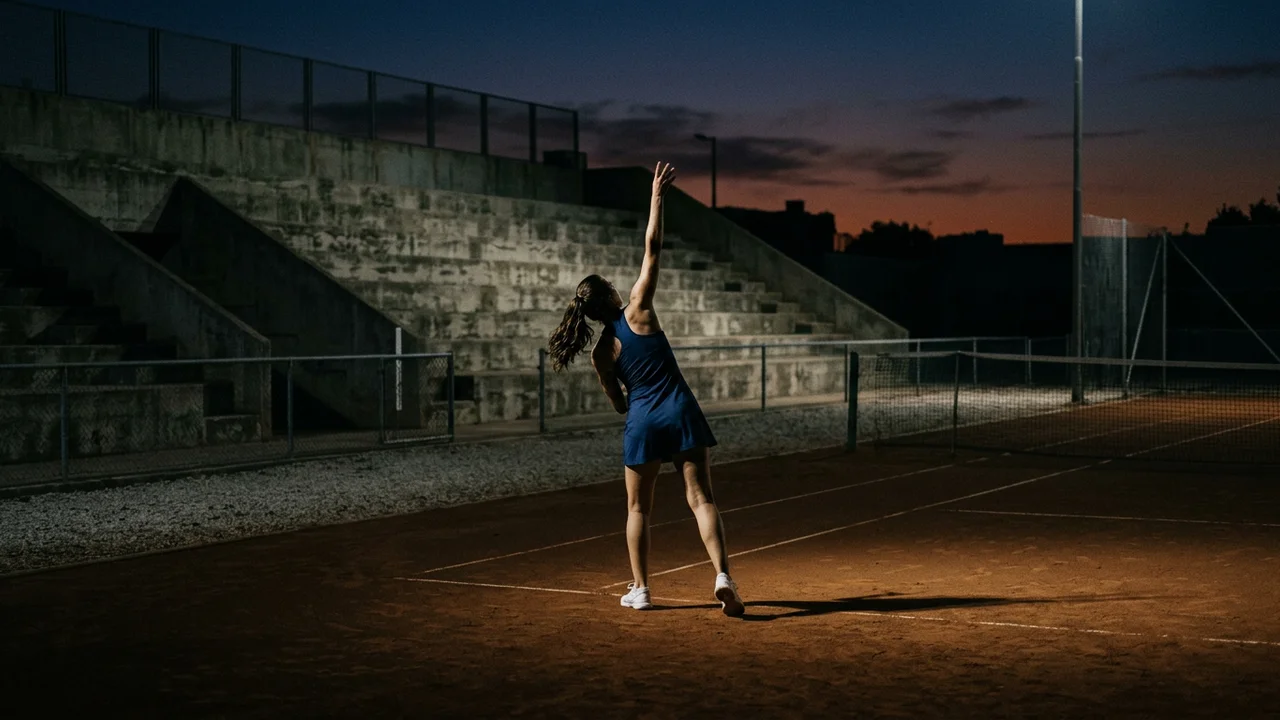
Vondrousova’s ban, confirmed in June, was not imposed for a positive test or evidence of doping. It stemmed from her refusal to submit to an out-of-competition test.
According to the International Tennis Integrity Agency, she denied a doping control officer entry to her home on the night of December 3, 2025. Vondrousova signed a refusal form after stepping outside to walk her dog, an action the tribunal found provided “no compelling justification” for avoiding the test.
The length of the ban stands out given the nature of the offence. The ITIA’s decision followed her claim that the officer failed to properly identify themselves and did not follow “protocol” when arriving at 20:00.
Vondrousova said she was at “breaking point after months of physical and mental stress” and feared for her safety. The tribunal rejected those explanations, finding no grounds for leniency or a shortened ban.
A Career in Numbers: Fall from the Top
The punishment has already reshaped Vondrousova’s standing in the sport. The numbers tell a stark story:
| Year | WTA Ranking | Major Achievement | Status Post-Ban |
|---|---|---|---|
| 2023 | 42 | Wimbledon Champion | First unseeded winner |
| 2024 | Unstated | – | – |
| 2025 | Unstated | – | Ban issued (June) |
| 2026 | 153 | No matches since Jan 2026 | Appeal to CAS ongoing |
She has not played since the second round of the Adelaide International in January, and her ranking has plummeted to 153.
If upheld, the ban could effectively end her prime years and raises questions about the balance between enforcement and fair process.
Protocols, Safety Fears, and Athlete Rights Under Scrutiny
Vondrousova’s defence centres on her account of the December 3 incident. She claims the anti-doping official failed to properly identify themselves and did not adhere to established protocols.
Her fear for personal safety, given the late hour, was cited as the reason she refused entry and later signed the refusal form. The tribunal heard those concerns but dismissed them as insufficient.
Players are required to log their whereabouts for one hour each day to facilitate out-of-competition tests. Designed for accountability, the system leaves little room for ambiguity.
Vondrousova’s case has put its rigidity in focus. Her statement following the ban insists, “I have never doped, I have never had a positive test. Throughout my entire career I have undergone countless anti-doping controls and have always stepped on the court with a clear conscience.”
The tribunal did not find her explanations compelling enough to mitigate the penalty.
CAS has confirmed receipt of her appeal, but a hearing date has not been set. Her case will turn on the transparency of the process, adherence to protocol by both athlete and official, and the proportionality of the sanction.