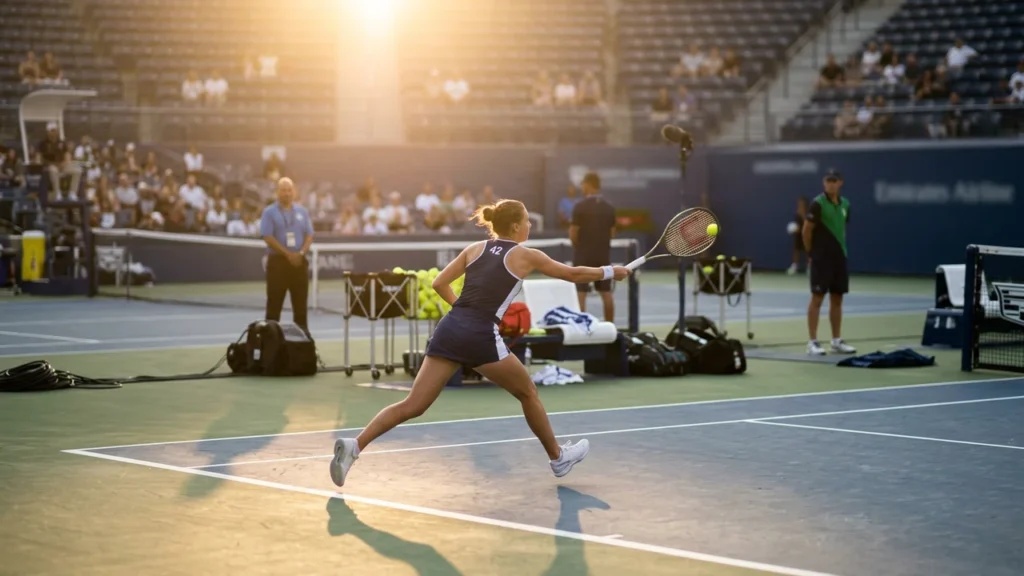
Alex Eala’s third-round exit from the US Open put her serve, and the limits it places on her baseline game, under scrutiny. Brad Gilbert, renowned for his forensic dissection of player mechanics, did not mince words: Eala’s serve, he said, is “the first thing that needs fixing.” Her match against Iva Jovic stretched beyond three hours and was hailed as the best of the tournament by both Gilbert and former US Open quarter-finalist Ajla Tomljanović. It also exposed the underlying patterns in Eala’s game.
Serve Mechanics Dictating Eala’s Positional Play
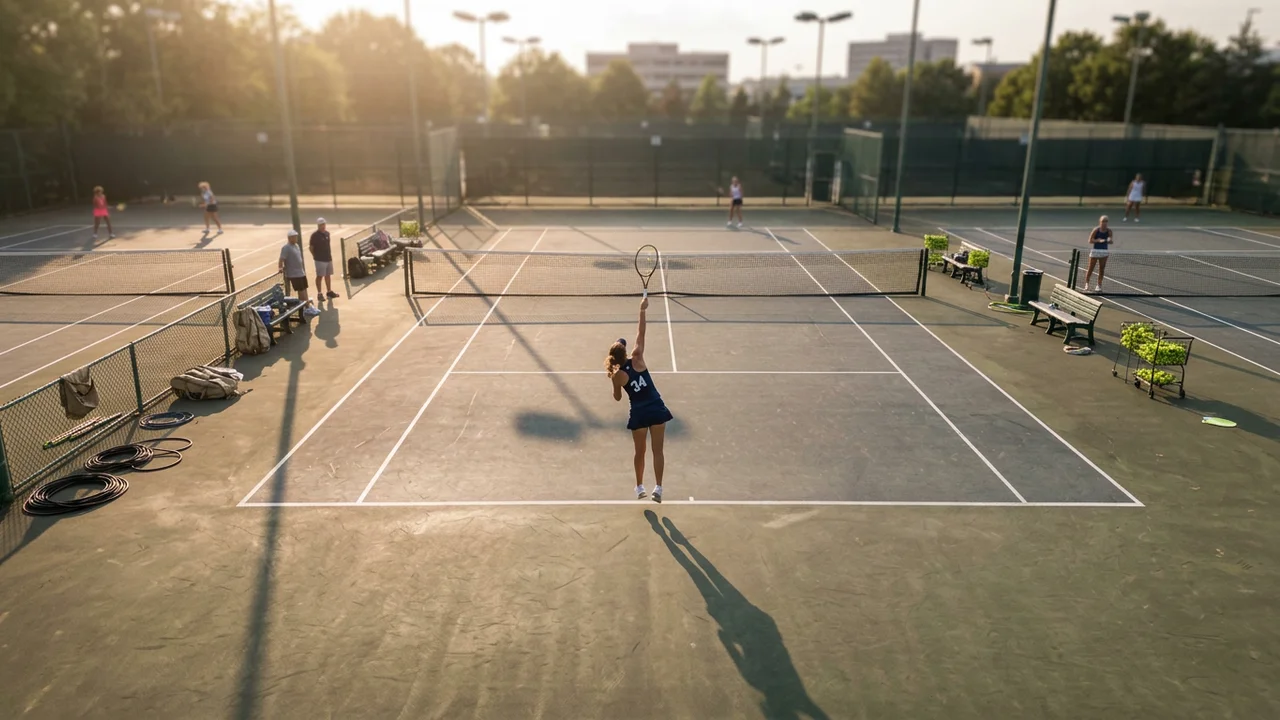
Eala’s game is built on baseline pressure and patient point construction, but the serve provides the platform for that approach in modern tennis. Against Jovic, she struggled to generate free points or take command of her own service games. That left Eala reacting rather than dictating after the first ball. Gilbert’s assessment matched the statistical and visual trends: Eala was repeatedly drawn into extended baseline rallies after Jovic neutralized her opening shot.
Those serve issues affect the rest of her game. Without a reliable delivery, Eala cannot consistently alter court geometry on her terms. Her usual patterns, deep returns and aggressive court coverage, lose their edge when every service game becomes a defensive exercise. Rennae Stubbs warned in July that Eala would not be able to win a Grand Slam without significant improvement in this area. Though Stubbs has softened that stance, the tactical concern remains.
The contrast with the top players at this year’s US Open is stark. Ben Shelton, for example, reached the men’s quarterfinals without facing a single break point in his round of 16 match, leveraging a dominant serve to hold all 14 service games. Jessica Pegula continues to lead the tour in wins thanks in part to a serve that consistently buys her first-strike opportunities and protects her from immediate baseline pressure. Eala, by comparison, must compensate for her serve’s lack of penetration with relentless movement and defensive anticipation, a demanding formula in high-stakes matches.
Implications for Eala’s Pressing System and Grand Slam Trajectory
For a player with aspirations to challenge for major titles and climb the WTA rankings, the serve is more than a shot. It is a tactical launchpad. Gilbert’s critique extends beyond mechanics. A vulnerable serve compromises every phase of Eala’s game: her ability to step inside the baseline, dictate with her forehand and turn aggressive return games from defense into attack.
The Jovic match offered a clear example. Eala managed to break serve and even held a break advantage in the deciding set, but the strain of winning her service games the hard way took its toll. When she failed to land a high-percentage first serve, Jovic could establish her own patterns, pinning Eala behind the baseline and forcing her to work simply to stay neutral in rallies. Eala’s game thrives on early court position and swift transitions. Against Jovic, it was repeatedly pushed into survival mode.
Greg Rusedski remains optimistic about Eala’s long-term potential, suggesting she has the attributes to reach the top of the WTA and claim Grand Slam hardware. Gilbert’s assessment is not a dismissal of Eala’s talent, but a challenge. The serve, he insists, “needs a lot of work.”