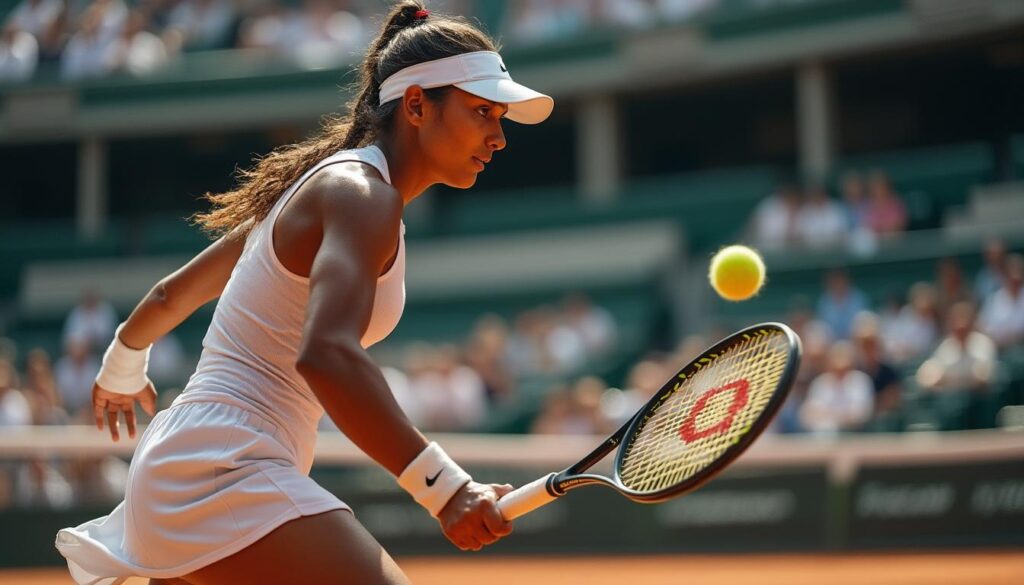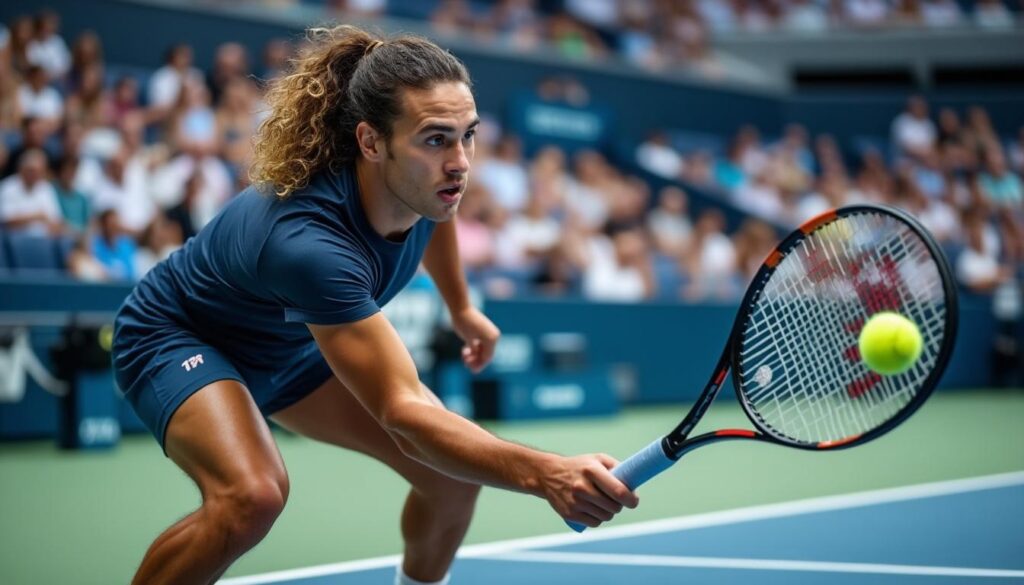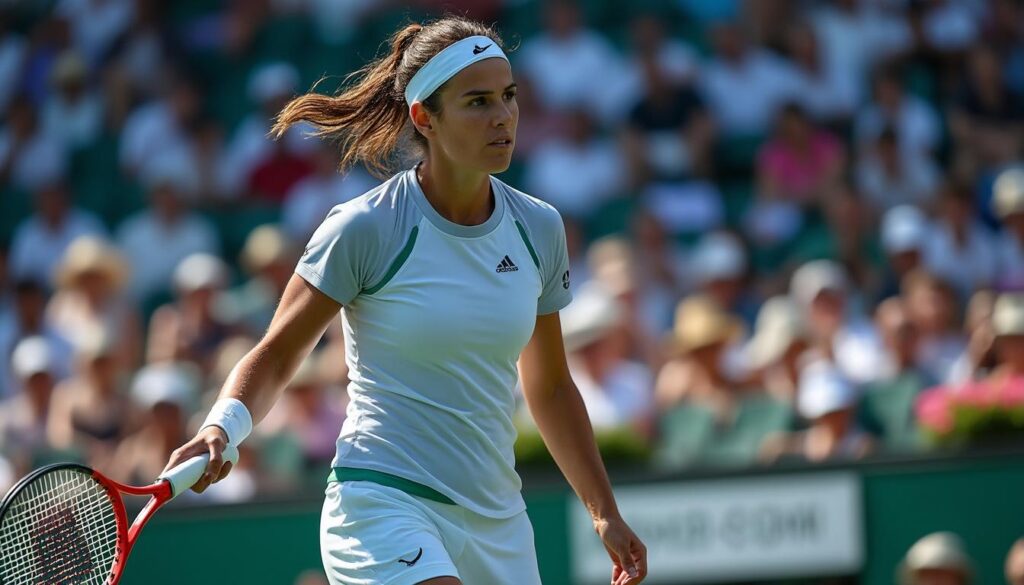
The US Open frequently faces intense summer heat, pushing athletes to battle not just their opponents but also extreme conditions that test physical endurance and mental toughness. In 2025, with climate fluctuations intensifying heat waves, managing hydration has become an imperative part of every player’s preparation and in-match routine. These extreme temperatures challenge players’ bodies in ways that compromise their performance and safety, thrusting hydration strategies into the spotlight. Mastering hydration is no longer about just drinking water—it’s a precise science involving electrolyte balance, timing, and nutrition that top professionals meticulously follow. As crowds thrill to the power plays on Arthur Ashe Stadium, it’s the invisible battle against dehydration, heat exhaustion, and impaired concentration where champions truly earn their laurels.
Understanding how hydration impacts strength, stamina, and reflexes can make or break a player’s journey through grueling five-set matches in these blazing environments. With sweat losses reaching up to several liters per hour, players must anticipate fluid deficits before they manifest as fatigue or cramping. Brands like Gatorade, Powerade, and Nuun have revolutionized on-court replenishment, offering formulas tailored to replace sodium, potassium, and other critical electrolytes lost in sweat. Additionally, accessories from HydraPak and CamelBak allow for efficient fluid delivery during training, aiding athletes’ conditioning outside tournament hours.
Emerging trends in hydration now even incorporate precise monitoring technologies such as body mass changes before and after sessions, coupled with nutrition strategies to offset suppressed appetite due to heat. As US Open competitors gear up each year, these hydration tactics are woven into their training, ensuring they can take on the searing heat with unparalleled resilience. The following sections will explore comprehensive strategies adopted by players to stay hydrated, fueled, and mentally sharp amid relentless heat waves at the tournament.
Advanced Techniques for Monitoring Hydration During US Open Heat Waves
When temperatures at the US Open soar, players face unprecedented physical strain. To confront this, monitoring hydration status accurately has become crucial. One of the most straightforward yet effective techniques involves pre-and post-session body mass measurements. By stepping on a scale before and immediately after practice or matches, athletes can quantify sweat loss, providing an exact figure to target for rehydration.
If a player loses 1 kilogram of body weight during play, they should ideally replace this with approximately 1.5 liters of fluid. This ratio accounts for ongoing losses, such as urine, while restoring electrolyte balance. This method is trusted across elite tennis circles and is a staple recommendation from sports nutrition experts. In practice, such measurements can prevent the severe consequences of dehydration like heat cramps, reduced concentration, and heat exhaustion especially prevalent in an intense event such as the US Open.
Beyond simple weighing, hydration status is often assessed via less invasive methods such as urine color monitoring. A pale-yellow straw color signals adequate hydration, while darker tones indicate the need to increase fluid intake. Players frequently consult such cues to adjust their fluid consumption preemptively. During matches, hydration protocols prominently incorporate scheduled fluid intake every 15-20 minutes, usually between 150-250 milliliters. This regimented approach avoids dehydration before symptoms arise.
Examples of common hydration practices used on court include:
- Frequent sipping of electrolyte solutions like Gatorade or BodyArmor, which replenish sodium and potassium lost through sweat.
- Carrying quick-to-consume electrolyte tablets such as Nuun or Skratch Labs dissolved in water for rapid absorption.
- Utilizing hydration packs like CamelBak during training to enable steady drinking without interrupting drills.
Utilizing Data and Technology to Optimize Hydration
With the increasing sophistication of athletic preparation, some players integrate smart tech devices to continuously monitor hydration and sweat rate through biometric sensors. These devices can sync with apps to provide real-time feedback on fluid loss rates and electrolyte depletion during practice. The data enable personalized hydration strategies tailored to individual needs and environmental factors such as humidity and temperature.
Using this technology, players can fine-tune their beverage choices and timing to maintain peak performance. According to an analysis of hydration trends in 2025, players using hydration monitoring devices experienced fewer heat-related performance dips and quicker recovery times. Such tech upgrades illustrate the fusion of traditional hydration wisdom with cutting-edge sports science and analytics, as detailed in resources like tennisguide.net/smart-training-analytics/.
Pre-Match Hydration Strategies to Tackle the US Open Heat
Successful hydration begins well before stepping onto the court. Pre-match hydration strategies ensure players enter competition fully prepared to manage fluid loss over potentially hours of intense swing and sprint combinations. Starting in a state of euhydration — optimal bodily fluid levels — is critical.
Ideal pre-match hydration includes consuming 5-7 milliliters of fluid per kilogram of body weight in the two to four hours before the match. For a 75-kilogram player, that equates to around 375 to 525 milliliters. Including electrolyte-rich beverages like Powerade or Pedialyte during this phase helps maintain electrolyte balance. Even non-water drinks counted toward hydration can have strategic value, combining carbohydrate fuel with minerals. Many athletes balance these drinks with water to avoid excessive sugar intake.
Players also monitor the color of their urine as a non-invasive hydration indicator throughout the day, striving for a pale straw color that signals optimal hydration. For those struggling to consume adequate fluids, diluting natural fruit juices or smoothies serves as an effective method to enhance palatability and calorie intake, especially when appetite fades due to heat stress.
Pre-match hydration checklist:
- Begin hydrating at least 4 hours before start time.
- Consume electrolyte-enriched fluids such as SiS (Science in Sport) hydration tablets or commercially available drinks like Gatorade.
- Use hydration tools like HydraPak bottles for gradual sipping.
- Eat water-rich foods including watermelon and cucumbers as part of meals to boost hydration.
- Check urine color before match to confirm hydration readiness.
In-Match Fluid Replacement and Nutrition for Peak Performance
The brutal heat waves common at the US Open in late August and early September mandate meticulous attention to fluid and energy replacement during matches. Players sweat profusely and lose essential minerals, so hydration alone isn’t enough — electrolyte replenishment and quick energy sources are imperative.
Fluid intake every 15 to 20 minutes during changeovers is critical. This avoids dehydration and sustains nerve and muscle function. Electrolyte-based drinks such as Powerade, BodyArmor, or Liquid I.V. provide the necessary sodium and potassium in easy-to-absorb forms. Some players also use electrolyte tablets like Nuun for convenience and control over intake. These drinks not only hydrate but also supply carbohydrates to maintain blood glucose levels, staving off fatigue.
Nutrition-wise, simple carbohydrates and small protein snacks consumed during matches can support endurance. Many pros carry high-energy options like nutty flapjacks or energy gels that digest quickly. For players facing dry mouth or appetite loss due to heat, liquids and semi-solids like smoothie bowls serve as excellent alternatives to keep energy levels stable.
Key in-match hydration and nutrition tactics:
- Scheduled fluid intake of 150-250 ml every 15-20 minutes, combining plain water with electrolyte beverages.
- Consumption of easily digestible carbs for energy, such as energy bars or fruit.
- Use of cooling methods, including cold towels and shade, to assist thermoregulation alongside hydration.
- Avoiding caffeinated or alcoholic beverages beforehand, which dehydrate the body.
Managing Hydration Challenges Specific to High-Pressure Matches
In the heat of a critical US Open set, mental clarity and focus are paramount but can falter with dehydration. Players often find themselves caught between pacing hydration and maintaining momentum. Stopping too often risks disrupting rhythm, yet neglecting fluids invites cramps and slowness.
Hence, many players adopt the ritual of sipping specific branded drinks like Science in Sport (SiS) gels and electrolytes that combine taste and function. These rituals also work psychologically, improving mental toughness — a[ crucial factor discussed at tennisguide.net/mental-toughness-circuit/.
Post-Match Rehydration and Nutrition Recovery Protocols Under Extreme Heat
Recovery after a match played under brutal US Open heat presents unique hydration needs. Rapid rehydration supports muscle recovery, reduces inflammation, and prepares athletes for potentially multiple matches in short succession. Post-match, players ideally weigh themselves immediately to calculate fluid loss accurately.
For every kilogram lost, rehydration extends to 1.5 liters of fluid, prioritizing electrolyte-rich beverages such as Pedialyte or BodyArmor, which restore both fluids and minerals lost. Including milk or milk alternatives post-exercise is gaining popularity for their protein content and rehydration efficacy. Additionally, consuming small, balanced meals focusing on lean proteins, whole grains, and ample fruits and vegetables helps replenish glycogen stores and promote repair.
Managing nutritional intake when appetite is suppressed in hot weather remains a challenge. Players are recommended to consume smaller, frequent meals throughout the day, focusing on nutrient density. Hydrating foods such as watermelon, oranges, cucumbers, and salads ensure constant fluid intake even if solid food seems unappealing.
| Post-Match Rehydration Components | Function | Examples |
|---|---|---|
| Fluids | Replacement of lost water volume | Water, Pedialyte, BodyArmor, Liquid I.V. |
| Electrolytes | Restoration of sodium, potassium, magnesium | Sports drinks, Nuun tablets |
| Protein | Muscle repair and recovery | Milk, yogurt, lean meats |
| Carbohydrates | Glycogen replenishment | Fruit, whole grains, energy bars |
By understanding and implementing these nuanced rehydration and nutritional recovery tactics, players can counteract the adverse effects of extreme heat, enabling them to maintain performance across tournament days. For additional insights about nutrition fuel, players and enthusiasts can delve into the comprehensive details at tennisguide.net/nutrition-fueling-grand-slam/.