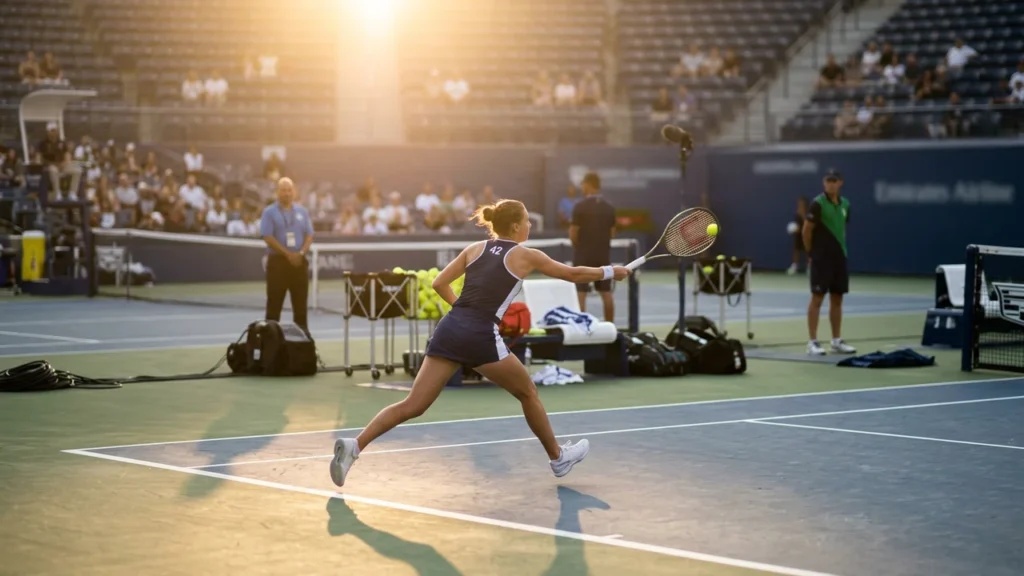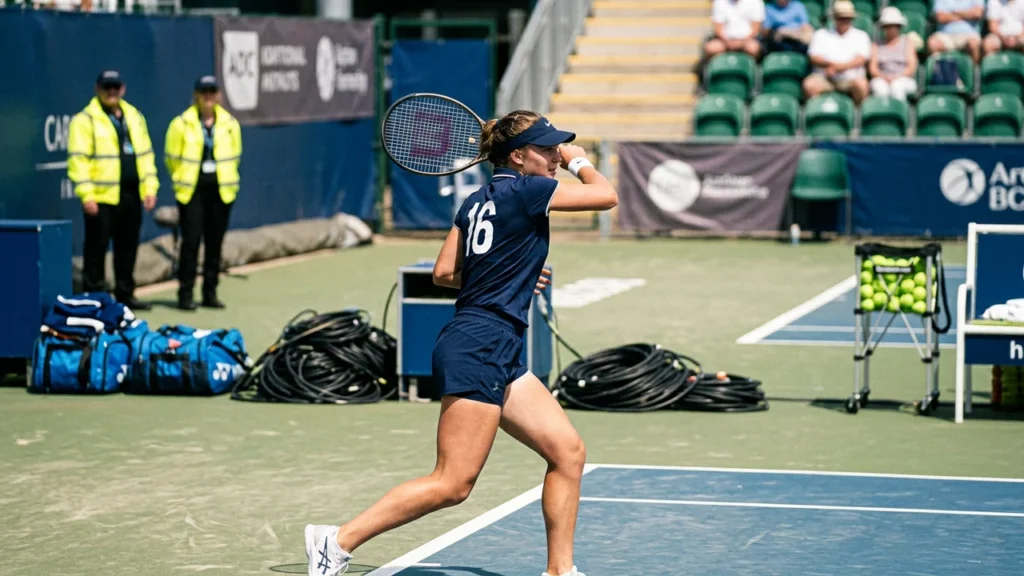
Indoor tennis tournaments in Europe combine the drama of intense competition with the unique challenges posed by enclosed environments. Players emerge from these tournaments often drained not only physically but mentally, demanding specialized recovery protocols to maintain peak performance across grueling tournament schedules. Through a blend of scientific insights and practical regimens, the European tennis circuit has evolved a dynamic approach that addresses fatigue, muscular strain, and psychological stress incurred after fast-paced indoor matches. Recovery is no longer an afterthought—it’s integral to the art and science of elite tennis competition in 2025.
Behind the scenes, teams of sports scientists, physiotherapists, and nutritionists collaborate closely with players, applying a suite of recovery methods grounded in cutting-edge research and tailored to individual needs. The COVID-19 pandemic has further shaped recovery practices, emphasizing hygiene, mental resilience, and sustainable protocols in sports. This article explores how indoor tennis athletes in Europe orchestrate their comeback from tournament battles, blending tradition and innovation to bounce back stronger and ready for the next challenge.
Effective Recovery Techniques to Combat Indoor Tournament Fatigue in Europe
Indoor tournaments require players to adapt to fast surfaces and often intense lighting, leading to styles of play that emphasize quicker points and high-intensity bursts. The resultant fatigue accumulates rapidly, demanding targeted recovery strategies post-match and post-tournament. Comprehensive recovery protocols focus on multiple key aspects: muscle restoration, cardiovascular recovery, hydration balance, and central nervous system recuperation.
One cornerstone technique is hydrotherapy, extensively used across European indoor circuits. Cold water immersion significantly reduces inflammation and muscle soreness accrued during play. Contrast water therapy, alternating cold and warm water, enhances blood circulation and speeds the removal of metabolic waste from muscles. Many players complete 10–15 minute sessions of these therapies within hours after games, optimizing their readiness for subsequent matches.
Active recovery also forms a crucial part of post-match regimens. Rather than complete rest, players engage in low-intensity activities such as light jogging, cycling, or swimming. This approach sustains blood flow, preventing stiffness and supporting faster nutrient delivery to damaged tissues. Coaches often design these sessions around player-specific needs and the upcoming tournament schedule.
- Hydrotherapy: Cold baths and contrast water therapy sessions
- Active Recovery: Non-strenuous aerobic exercises post-match
- Compression Garments: Worn to support circulation and reduce swelling
- Massage Therapy: Techniques targeting muscle knots and tension relief
- Sleep Optimization: Tailored sleep routines facilitating neuromuscular repair
| Recovery Method | Primary Benefit | Typical Timing | Key Considerations |
|---|---|---|---|
| Cold Water Immersion | Reduces inflammation and soreness | Immediately post-match (10-15 mins) | Temperature control critical to prevent cold injury |
| Active Recovery Exercises | Maintains blood flow and promotes muscle repair | Within 1-2 hours post-match | Intensity kept low to avoid further fatigue |
| Compression Garments | Enhances circulation, decreases swelling | Throughout the day or overnight | Must be properly fitted for effectiveness |
| Massage Therapy | Relieves muscle tension and facilitates recovery | 24 hours after intense play | Individual sensitivity should be considered |
| Optimized Sleep | Neuromuscular repair and memory consolidation | Nighttime rest post-tournament days | Quality and quantity both essential (7-9 hours for adults) |
Elite players integrate nutritional strategies to complement physical recovery. Proper nutrient timing focusing on protein, carbohydrates, and electrolytes replenishes energy stores, aids muscle repair, and maintains hydration levels. European tournament players often collaborate with dietitians who design meal plans aligning with current sports nutrition research, ensuring they are fueled optimally for both recovery and upcoming competition days.

Mental and Psychological Recovery Protocols Following High-Stakes Indoor Tennis Tournaments
Tennis is as much a game of mental strength as physical prowess. Indoor tournaments, packed with swift exchanges and high-pressure points, can exhaust players’ cognitive resources. Psychological recovery protocols implemented in Europe emphasize mental decompression alongside physical recuperation.
Mindfulness and relaxation techniques are widely employed. Guided meditation sessions, deep-breathing exercises, and progressive muscle relaxation assist players in lowering stress levels post-match. Many professionals engage regularly in these practices during and after tournaments to maintain a calm, focused mindset.
Mental recovery also includes routine strategic debriefs with coaches and sports psychologists. These discussions focus on analyzing matchplay, understanding performance nuances, and planning adjustments in a non-judgmental environment. This form of constructive reflection helps players regulate emotions and sustain motivation.
Recovery programs often incorporate controlled social interactions away from the competitive setting. This human element is critical; reconnecting with family, friends, and support teams boosts morale and counters isolation inherent in a traveler’s lifestyle.
- Guided Meditation: Facilitates stress relief and cognitive reset
- Sports Psychology Sessions: Foster emotional regulation and focus
- Post-Match Debriefs: Analytical reflection to improve future performance
- Social Support Networks: Counteracts mental fatigue through interpersonal connections
- Scheduled Downtime: Encourages mental rest and rejuvenation
| Method | Mental Benefit | Application Timing | Implementation Tips |
|---|---|---|---|
| Guided Meditation | Reduces anxiety and enhances concentration | Daily during tournaments or post-match | Consistency improves results over time |
| Sports Psychology Sessions | Improves resilience and focus under stress | Pre- and post-tournament phases | Tailored to individual psychological profiles |
| Post-Match Debriefs | Identifies areas for technical and tactical improvement | After matches or tournament days | Conducted in a supportive environment |
| Social Support | Mitigates feelings of isolation | Off-court hours | Encourage genuine connection outside tennis |
| Scheduled Downtime | Promotes overall mental rejuvenation | Between matches or tournaments | Incorporate hobbies or rest rituals |
Understanding the importance of mental health, many European tennis professionals now weave mental training and focus techniques into their daily routines, enhancing focus and emotional resilience along with physical recovery. This holistic approach is vital for thriving in the tightly packed indoor tournament calendars typical in Europe.
Nutrition and Hydration Strategies Essential for Post-Indoor Tournament Recovery
Nutrition is the engine that powers rapid recovery and sustained high performance after intense indoor tennis tournaments. European players carefully orchestrate their food and fluid intake tailored to the specific demands of indoor play, which often means controlling humidity and temperature variations that can affect hydration levels.
Post-match nutrition prioritizes replenishing glycogen stores and repairing damaged muscle proteins through timely ingestion of carbohydrates and proteins. Hydration strategies focus on electrolyte balance to counteract sweat loss more concentrated in indoor settings, where ventilation varies significantly between venues.
Key elements of nutritional recovery protocols include:
- Early Protein Intake: Within 30 minutes post-match to stimulate muscle repair
- Complex Carbohydrates: To refuel energy stores gradually
- Electrolyte Replacement: Using sports drinks or natural sources such as coconut water
- Antioxidants and Anti-inflammatory Nutrients: From fruits, vegetables, and supplements to reduce oxidative stress
- Individualized Meal Planning: Aligned with match schedules and personal preferences
| Nutrient | Role in Recovery | Ideal Timing | Example Foods/Sources |
|---|---|---|---|
| Protein | Muscle repair and recovery | Within 30 minutes post-match | Lean meats, dairy, legumes, whey protein |
| Carbohydrates | Restore glycogen stores | Immediately post and throughout the day | Whole grains, fruits, vegetables |
| Electrolytes | Maintain hydration and muscle function | During and after matches | Sports drinks, coconut water, bananas |
| Antioxidants | Reduce oxidative damage | Daily with meals | Berries, leafy greens, nuts |
| Fluids | Prevent dehydration | Continuous intake post-match | Water, herbal teas |
Nutritionists working within European tennis circuits are continuously advancing recovery meal protocols based on ongoing research from the Grand Slam dietetics landscape, ensuring players not only recover faster but also perform at their peak in demanding indoor tournament conditions. An informative resource on this subject can be found at this in-depth nutrition guide.
Sleep as a Cornerstone in Recovery Protocols During European Indoor Tennis Seasons
The role of sleep in athletic recovery cannot be overstated, especially within the intense schedules of indoor tennis tournaments across Europe. Sleep is the prime window for tissue repair, memory consolidation, and hormonal balance that keeps players firing on all cylinders.
Scientific studies, agreed upon by experts on at the European Commission’s sport recovery task force, confirm that adults need 7-9 hours nightly, with emphasis on sleep quality alongside quantity. Effective sleep hygiene measures embraced by top players include consistent bedtime routines, minimizing exposure to blue light from screens, and creating a restful environment free from noise or disruptions.
- Consistent Bedtime: Stabilizing circadian rhythms and hormonal release
- Noise Reduction: Use of earplugs or white noise machines
- Controlled Lighting: Blackout curtains and dim lighting an hour before sleep
- Pre-Sleep Relaxation: Avoiding high-stimulus activities for an hour before bedtime
- Monitoring Sleep Quality: Use of wearables and sleep trackers aligned with advancements in sports analytics
| Sleep Hygiene Strategy | Benefit | Implementation Tips |
|---|---|---|
| Regular Sleep Schedule | Enhances overall sleep quality and recovery speed | Maintain bed and wake times even on off days |
| Optimize Environment | Improves deep sleep phases necessary for muscle repair | Quiet, dark, and cool bedroom |
| Reduce Screen Time Before Bed | Improves melatonin production | Limit devices one hour before sleep |
| Pre-Sleep Routine | Signals the brain for rest | Relaxing activities like stretching or light reading |
| Sleep Tracking | Data-driven adjustments to improve sleep patterns | Use sports-focused wearables or apps |
As tennis players transition between intense periods of match play and recovery days, prioritization of quality sleep has become as prioritized as physical therapy and nutritional intake. Those who master this balance often enjoy longer careers and more consistent performances, a principle well documented within tennis recovery master guides.